





 Portuguese
  English
  Spanish
 5 min of reading
  0 comments


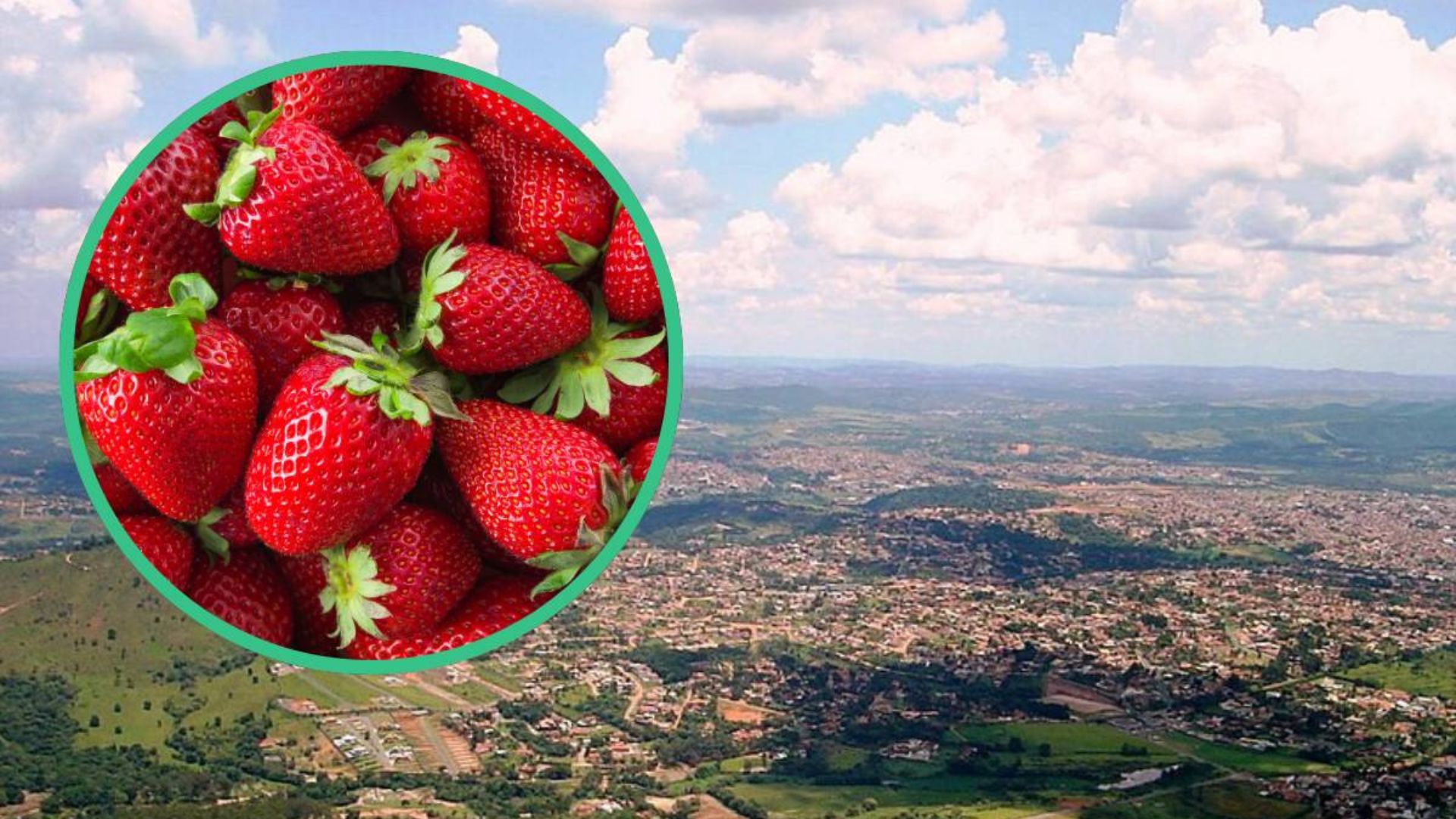
Agricultural Tradition And Rural Tourism Intersect In Atibaia, Where Strawberries Have Become A Local Brand, Boosting The Economy, Attracting Visitors, And Driving A Festival Known For Flowers, Japanese Culture, And Recipes That Have Returned To The Spotlight With The Viralization Of Sweets On Social Media.
Atibaia, in the interior of São Paulo, has consolidated a historical relationship with strawberries that today combines large-scale agricultural production, official recognition, and an event calendar that attracts visitors interested in gastronomy and rural tourism.
The municipality, located about 65 kilometers from the capital, records an annual harvest of around 3 thousand tons and hosts a traditional festival that brings together flowers, Japanese culture, and recipes featuring the fruit that have once again gained prominence on social media.
The recent explosion of sweets using strawberries, such as the so-called “Love Strawberry,” has helped reposition the city in the spotlight, but the local bond with the culture of the fruit predates the viralization.
-
While Brazil wants to end the 6×1 work shift, the president of Argentina wants 12 hours for his workers, increasing political tension in the country.

-
The village where two rivers run side by side without mixing in Santarém and Alter do Chão reveals some of the most beautiful freshwater beaches on the planet.
-
Mars is accelerating, and scientists have discovered that the planet’s day is getting shorter, revealing surprising signs of internal activity.

-
Artemis 2 is set to launch on April 1 at 7:24 PM to orbit the Moon with four astronauts, but a class X solar flare and coronal mass ejection could interfere with communications and threaten the launch.

The production spans decades, follows families, and remains connected to the economy of the municipality, with farms that have become regional references.
Strawberry Cultivation In Atibaia Since The 1950s

The cultivation began in the 1950s when families of Japanese immigrants started planting strawberries as an alternative source of income in the region.
Over time, the work in the fields evolved from purely artisanal to incorporating productive organization and more structured techniques, which helped keep the activity relevant in the city.
Milder climate conditions and careful management are also seen as factors associated with the advancement of strawberry cultivation in Atibaia.
With the continuity of planting across generations, the fruit gained a place in local daily life and became connected to fairs, commerce, and festivities, reinforcing an identity that is now embraced by both the productive sector and tourism.
National Strawberry Capital And Law 14.383
The national recognition came through federal law.
On June 27, 2022, Law 14.383 officially granted the municipality of Atibaia the title of National Strawberry Capital, formalizing an association that was already known in the state and in part of the country.
The text of the law establishes the title and records its entry into force upon publication.
In practice, the title does not replace actual production nor does it create new obligations on its own, but it serves as an institutional landmark for an activity that already had cultural and economic weight in the municipality.
The legal mention reinforces Atibaia’s image as a hub linked to strawberries and is often cited in promotional materials and reports on the subject.
Production Of 3 Thousand Tons And Rural Tourism With Strawberries
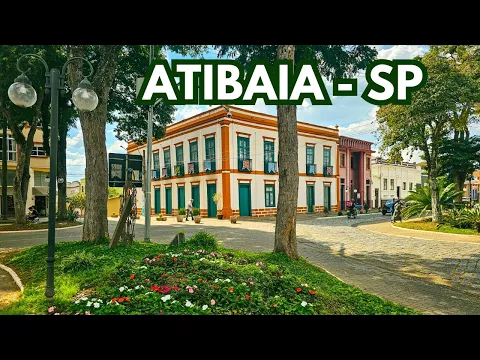

The annual production of around 3 thousand tons is highlighted in reports and materials about the sector as one of the figures that help explain Atibaia’s visibility on the strawberry map.
During peak harvest periods, the daily output of fruit from the farms tends to increase, boosting direct sales, regional supply, and visitor interest in purchasing on-site.
With this movement, rural tourism has gained space as a complement to agricultural activity.
Part of the audience seeks to visit plantations, purchase fresh products, and try recipes featuring the fruit in a countryside setting, with mountain views and milder temperatures compared to more urbanized areas.
This interest aligns with a type of outing that often includes gastronomy, shopping, and contact with nature.
In this scenario, the perception of tranquility frequently appears in how visitors describe their experiences in the city and in the motivation of those who trade long trips for short getaways from the capital.
However, this data is more related to personal accounts and the reputation of the destination than to a single indicator, which may vary depending on the period and analytical focus.
Flower And Strawberry Festival And Recipes That Went Viral
The connection between Atibaia and strawberries is also expressed in the Flower And Strawberry Festival, a traditional event in the municipality.
The programming typically combines elements associated with Japanese culture, presentations, and gastronomy, with an emphasis on preparations based on the fruit, such as sweets, jams, and desserts that multiply in various versions throughout the editions.

In 2025, the festival was announced as the 43rd edition, taking place between September 5 and 28 at the Ecological Park, concentrating activities on specific days of the week, according to the event organization.
By bringing flowers and strawberries together in the same space, the festival also serves as a memory, recalling the beginnings of cultivation in the region and the experiences of farmers who helped consolidate production.
The presence of recipes that have resurfaced with strength on social media, such as the “Love Strawberry,” tends to increase the demand for certain items, but the foundation of the event remains anchored in a tradition that endures year after year.
Mild Climate, Landscapes, And Quality Of Life In The Interior Of São Paulo
Besides strawberries, Atibaia is often associated with mountainous landscapes and a milder climate, characteristics that influence the type of tourism sought in the region.
The municipality often appears as an alternative for those looking to escape the pace of the capital and prioritize short trips, with itineraries focused on food, shopping, and outdoor activities.
This combination of factors helps explain why the city sustains itself both as an agricultural hub and as a weekend destination.
In this context, the fruit serves as a symbol and a gateway.
Part of the audience arrives because of the strawberries they saw on social media, but finds an itinerary that includes productive tradition, thematic festivals, and experiences related to the countryside.
With the harvest, the events and the new gastronomic “fads” alternating over time, how far will Atibaia be able to maintain production and tourism growth without losing the rural identity that attracts so many people?






-

Uma pessoa reagiu a isso.