





 Portuguese
  English
  Spanish
 3 min of reading


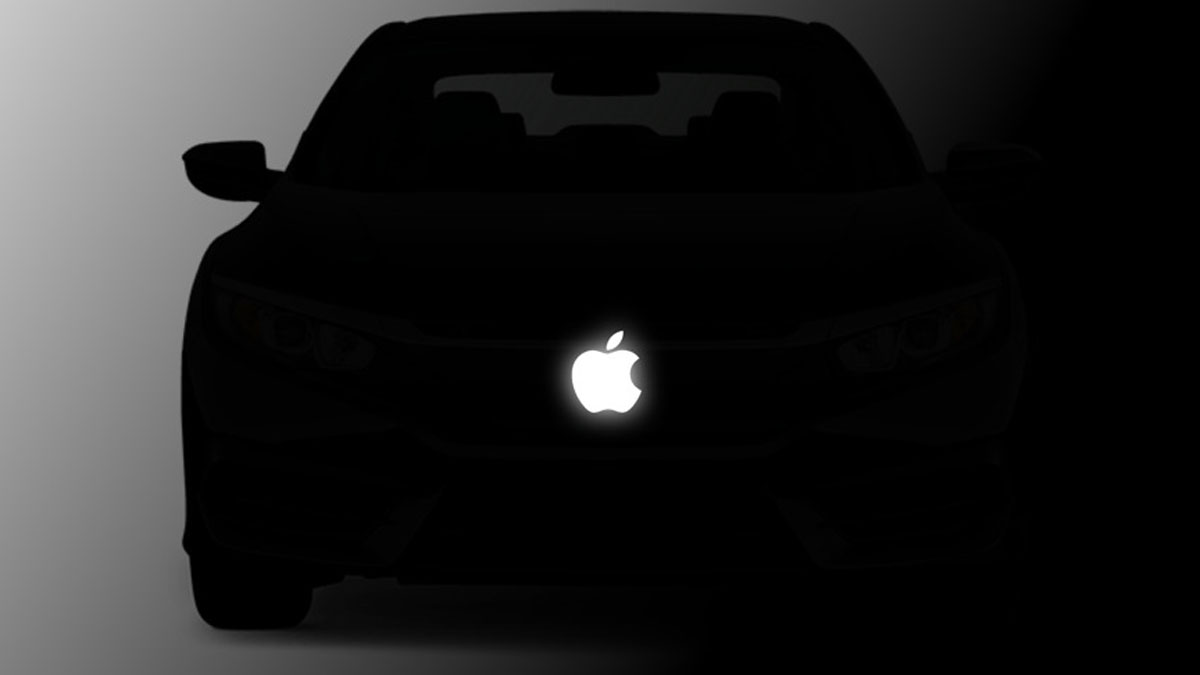
The Projections Were That Apple’s Electric Car Would Be Ready for 2025, Even Though the Electric Vehicle Has Been in Development Since 2015. After 10 Years, the Mystery Surrounding the Autonomous Vehicle Is Still Great.
The initial and visionary idea of the technology company is for Apple’s electric car to be fully autonomous. The car, which was code-named Project Titan, has been in the works since 2015, but it has faced some barriers. Initially, the idea was that the car would not have a steering wheel or pedals, only a touchscreen and seats that could move within the vehicle for the better comfort of passengers. Even though it was a revolutionary concept, one that we only saw in movies, Apple has had its plans frustrated, as this kind of convenience, with safety, could only happen if the car were on highways.
APPLE’S ELECTRIC CAR, What Is This Story?
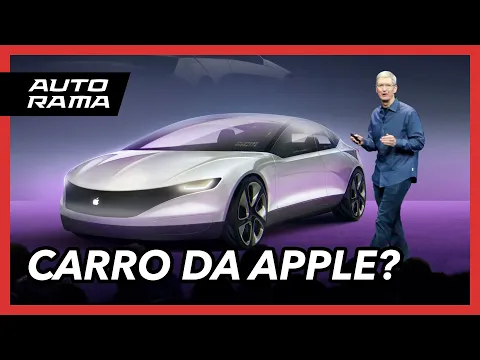

However, even among these adversities, Apple is exploring new possibilities, as even with great technology it is difficult to predict certain situations that occur in traffic, especially in large cities.
Reluctantly, the launch of Apple’s electric car, code-named Titan, has been postponed to 2026; however, the technology company is not giving up on being one of the pioneers to market one of the first electric vehicles.
-
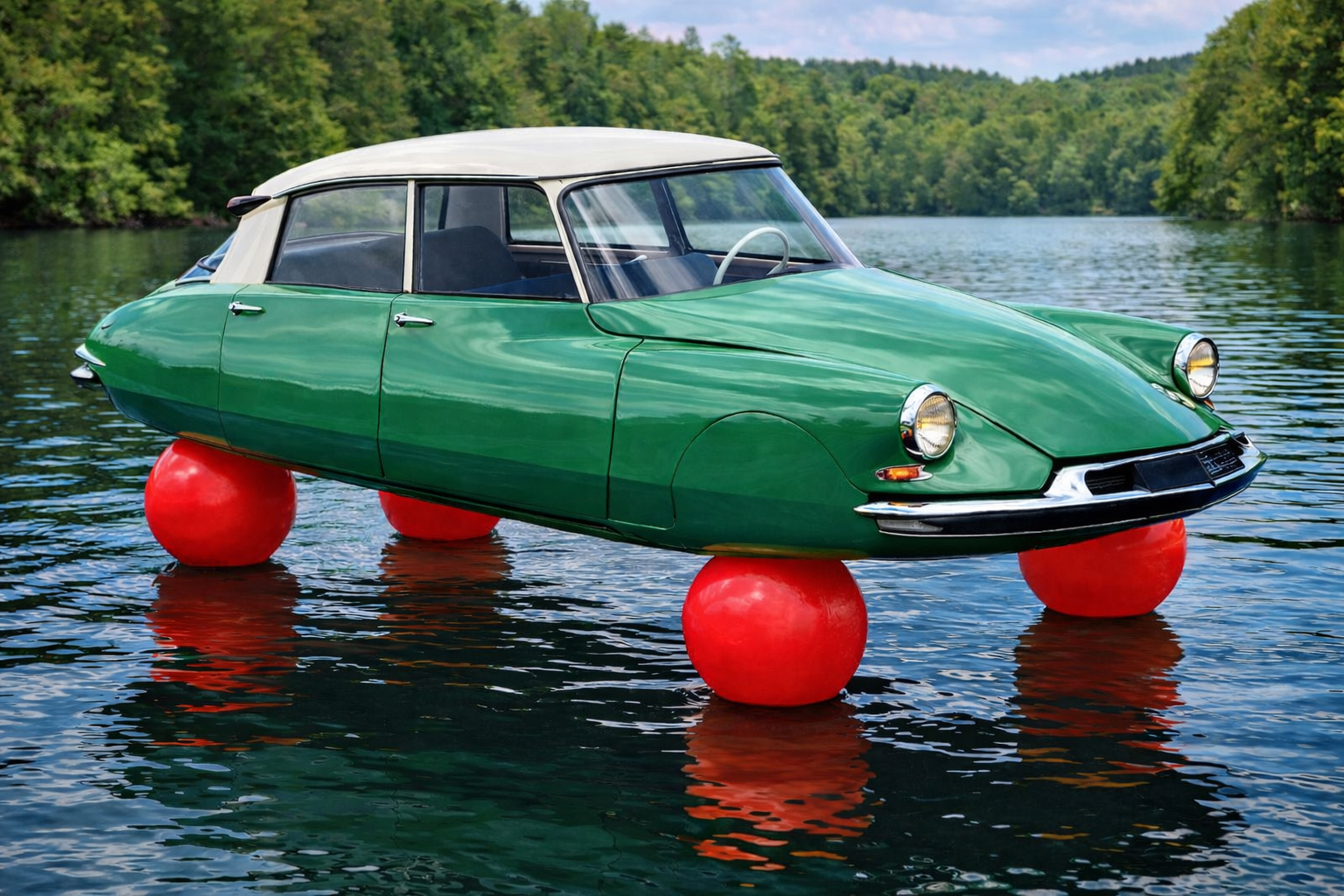
A French brand placed a car on four huge red balloons to prove that its suspension made the vehicle “float,” and the surreal scene became one of the most iconic and unusual images in automotive history.
-
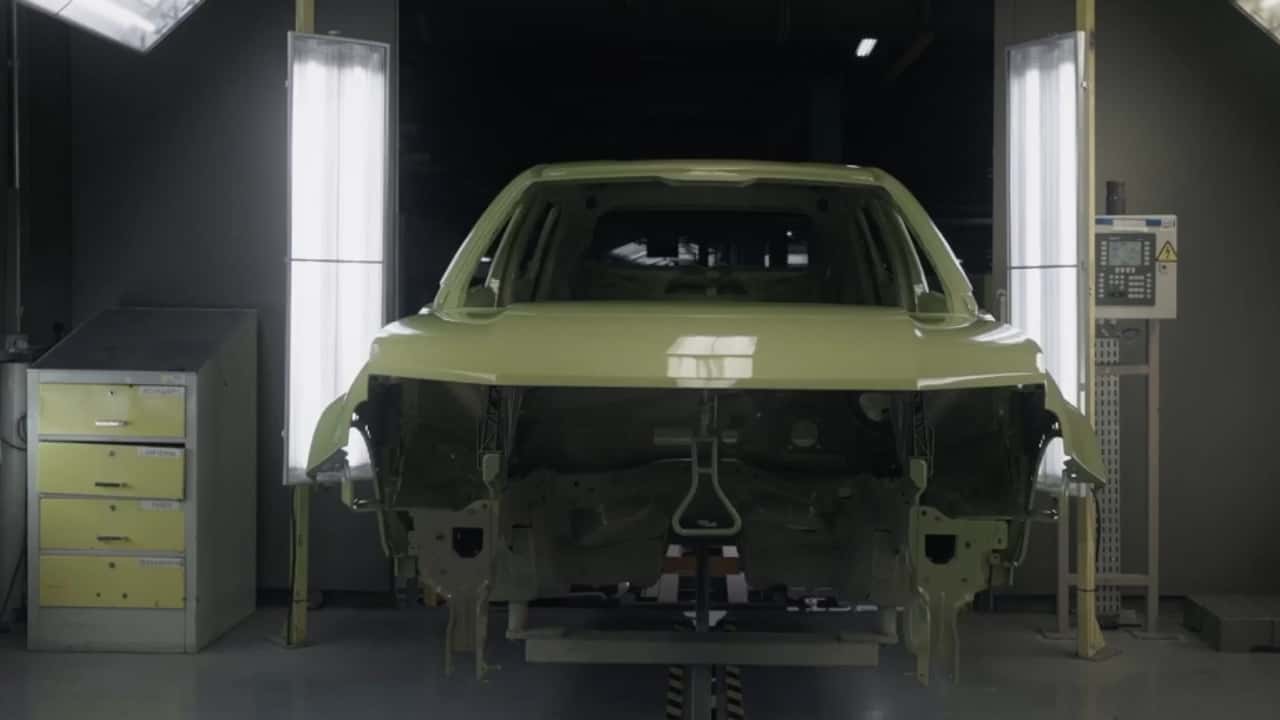
Jeep Avenger begins production in Brazil, debuting as the brand’s new entry-level SUV and inaugurating an unprecedented phase by becoming the first national Jeep manufactured outside of Goiana, as part of a R$ 3 billion plan.
-
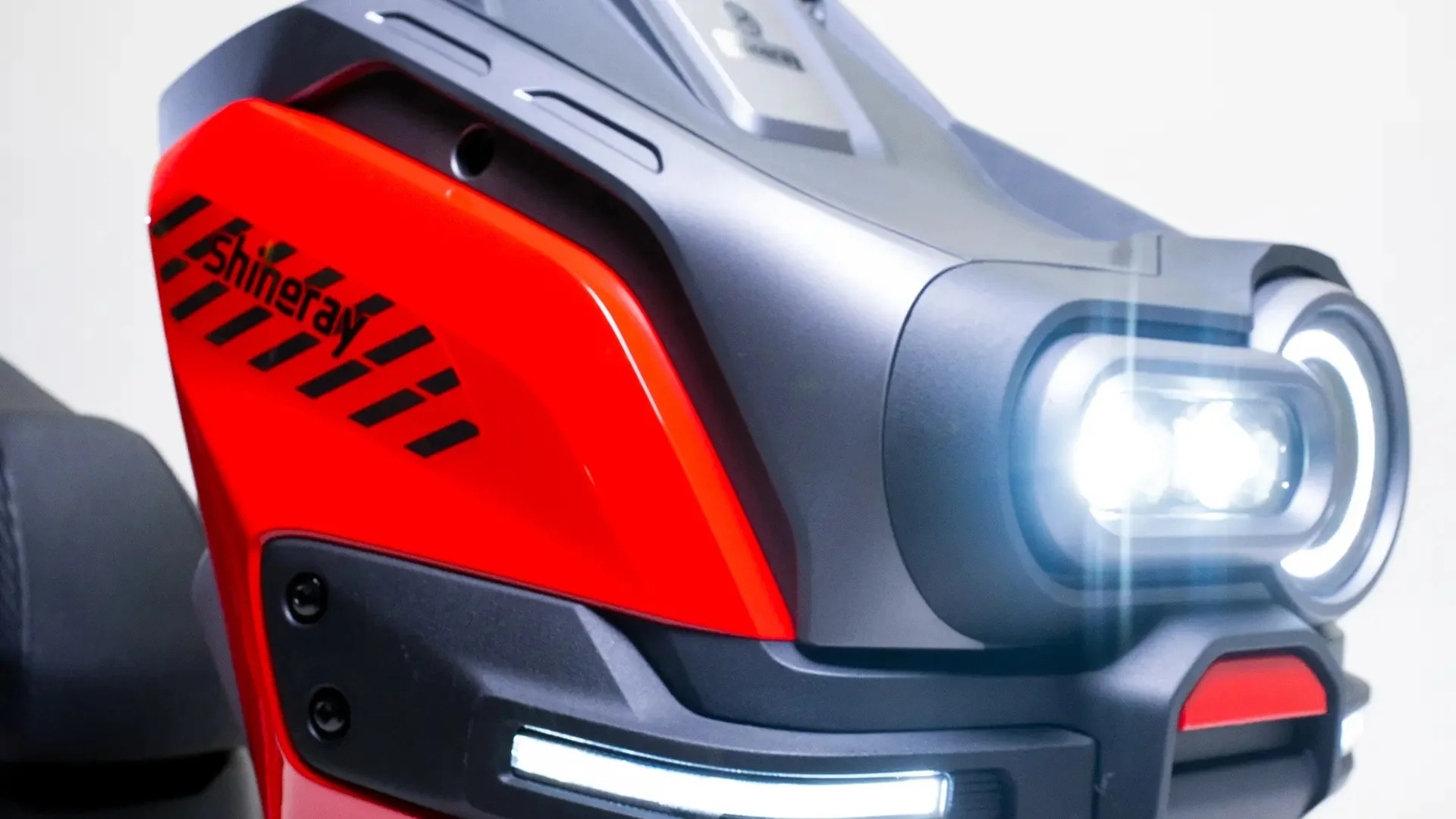
Costing R$ 12,490, the new Shineray Urban Lite 150 “cheap one” arrives in Brazil with a CVT transmission, digital dashboard, and LED lights, making it more affordable than the Biz and targeting those who want to abandon the bus.
-
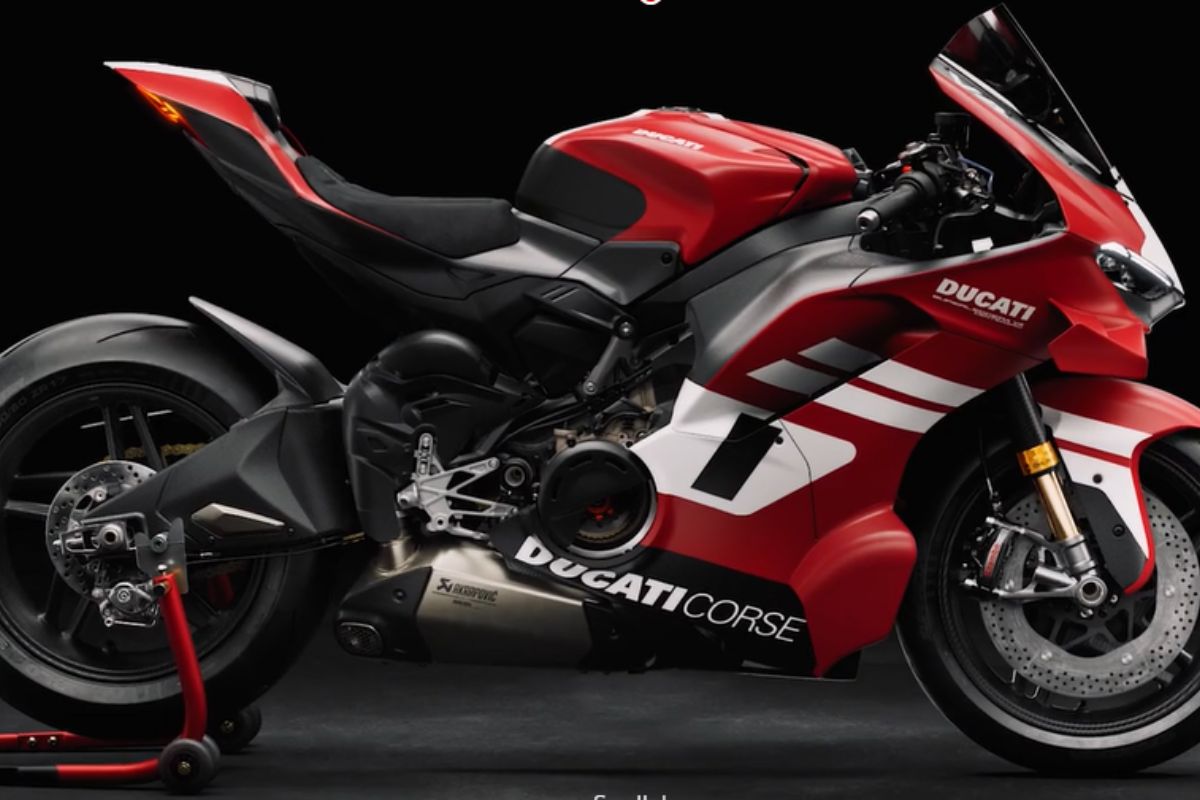
Ducati brings to Brazil the Superleggera V4 Centenario: 228 hp that become 247 with a track kit, carbon fiber and carbon-ceramic brakes, estimated price between R$ 1.5 and 2 million, deliveries only in 2027.

Although the conception of a fully autonomous car has been postponed, Apple has decided to modify some points of the pilot project and launch a semi-autonomous electric vehicle. In this version, the vehicle would have a steering wheel and pedals, but the passenger could watch videos or play games during the trip, able to take over the steering when requested. It became clear that in adverse conditions, the car would not have sufficient technology to handle those types of situations.
As a slightly more realistic idea, the competitive field is increasing, and another tech giant is one of the main rivals to Apple’s electric car. In other words, the race is now to see who launches a safe electric vehicle first.
It’s worth noting that there are also other automobile companies in the race, such as the traditional Ford, Volkswagen, Rivian, and Hyundai, which Apple even courted for help, though it seems that was denied.
Amid technical problems and fierce competition, the Titan project had its internal setbacks, as the project’s executives could not reach a consensus. It seems the confusion was so great that executive Doug Field left the iPhone maker to join rival Ford, and Kevin Lynch was appointed in his place.
Lynch joined Apple in 2013, being responsible for other sectors of the company; however, internal sources suggest that this appointment to lead the entire unit may be directly related to improving the underlying software that an electric car needs. In other words, the company still has solid plans to launch an electric vehicle; it may not be within the timeline they aspire to, but it is guaranteed that we will not only have cell phones and other technologies but also an electric car from Apple.










Seja o primeiro a reagir!