





 Portuguese
  English
  Spanish
  5 min of reading
  0 comments


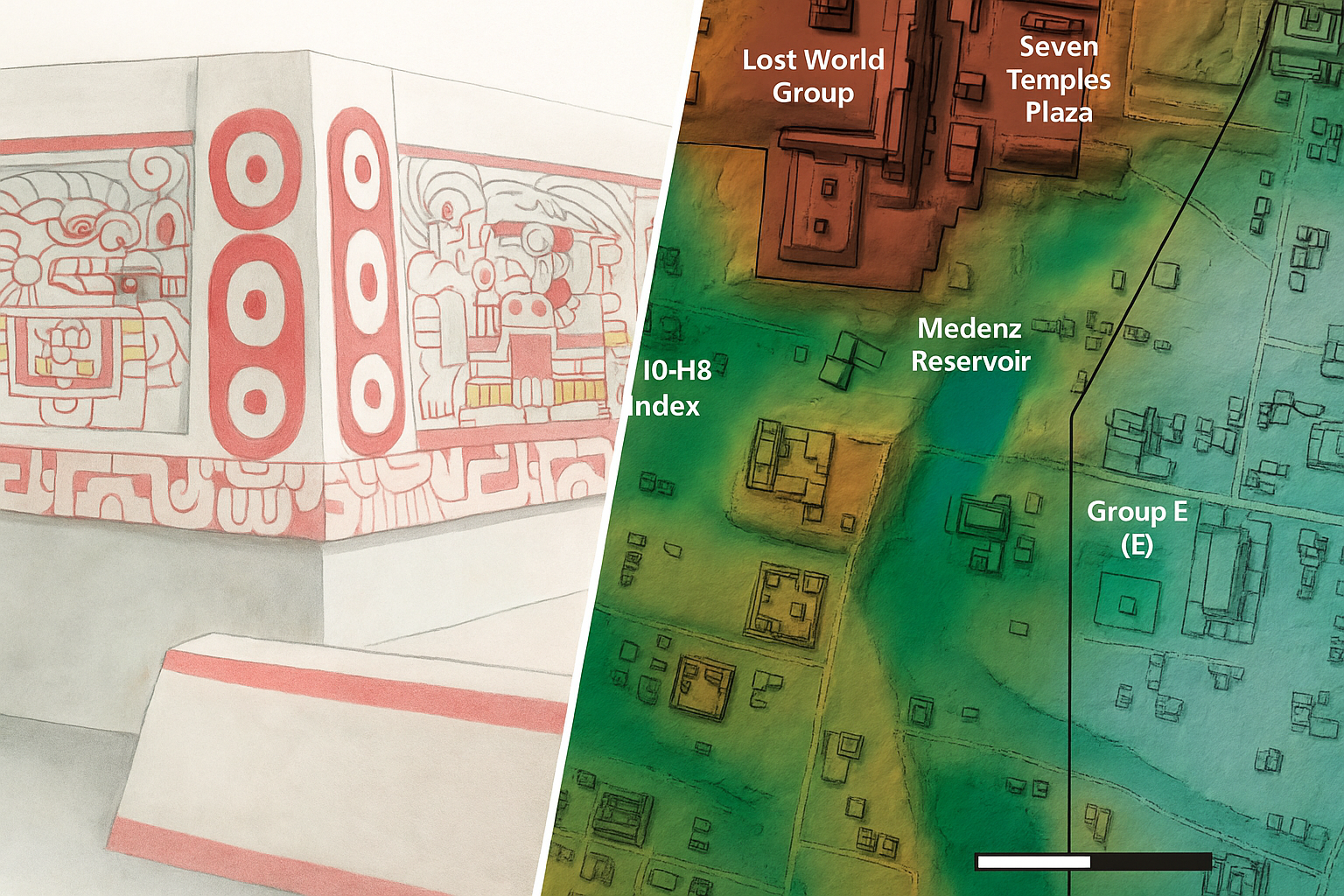
Archeologists Find Treasure With 1,700 Years About The Presence Of Teotihuacan In Another Region. Know How The Archaeological Discovery Of The Maya Treasure Changes Researchers Understanding Of The Past.
In one of the most intriguing archaeological discoveries in recent years, archeologists located a treasure with 1,700 years in the ancient city of Tikal, located in present-day Guatemala. However, what stands out is not only the historical value of the artifact but its origin and location. The object has evident traits of Teotihuacan culture — one of the most influential pre-Columbian civilizations in central Mexico — and was found over 1,000 kilometers from where such an item would be expected.
This event raises new questions about the intercultural relations in ancient Mesoamerica and is forcing specialists to reconsider old narratives about the autonomy and geographical limits of the great pre-Hispanic civilizations.
Tikal And Teotihuacan: Two Powers Separated By Great Distances
The Maya civilization, with urban centers like Tikal, Copán, and Palenque, dominated the southern Mesoamerica region around the 4th century A.D. Teotihuacan, with its famous Pyramid of the Sun, was located to the north, in present-day Mexico, and represented a cultural, economic, and military power of equal importance.
-
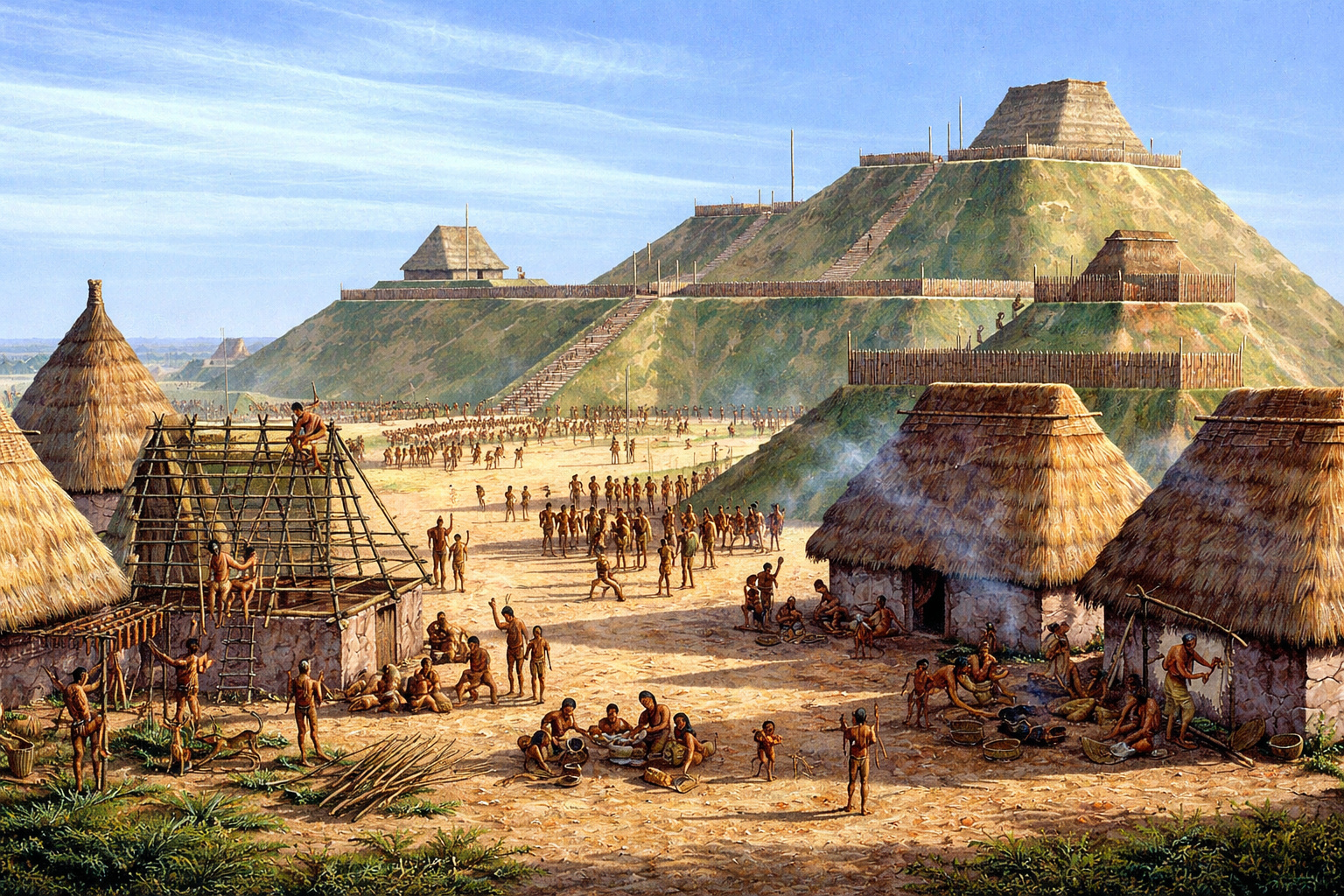
With over 14 million baskets of earth moved, an ancient North American metropolis built a monumental pyramid of 30 meters and established a city with 20,000 inhabitants nearly a thousand years ago.
-
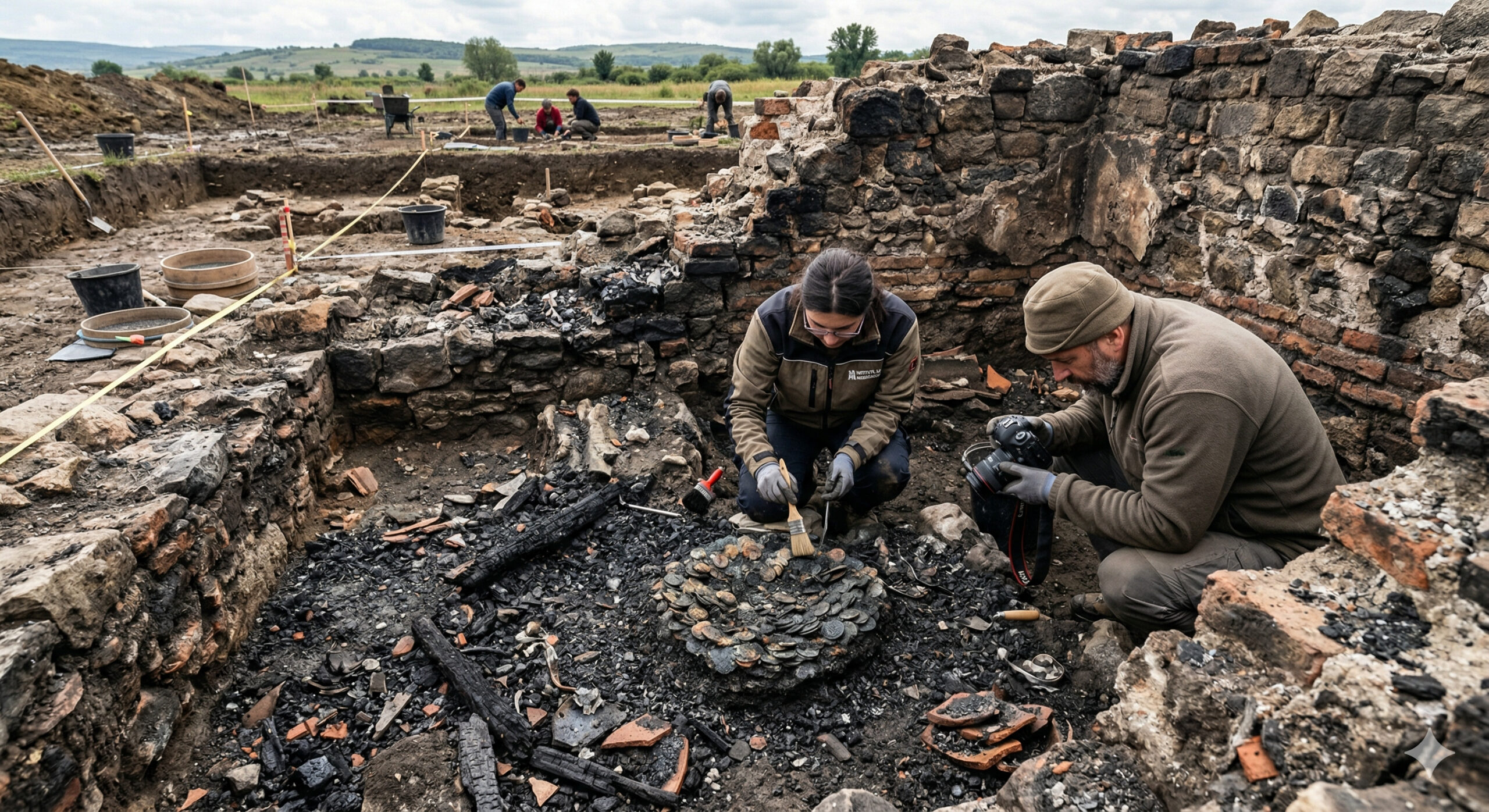
A 1,900-year-old treasure emerges from a Roman house destroyed by fire and sealed since antiquity in Romania, with coins and metals fused among the ashes.
-
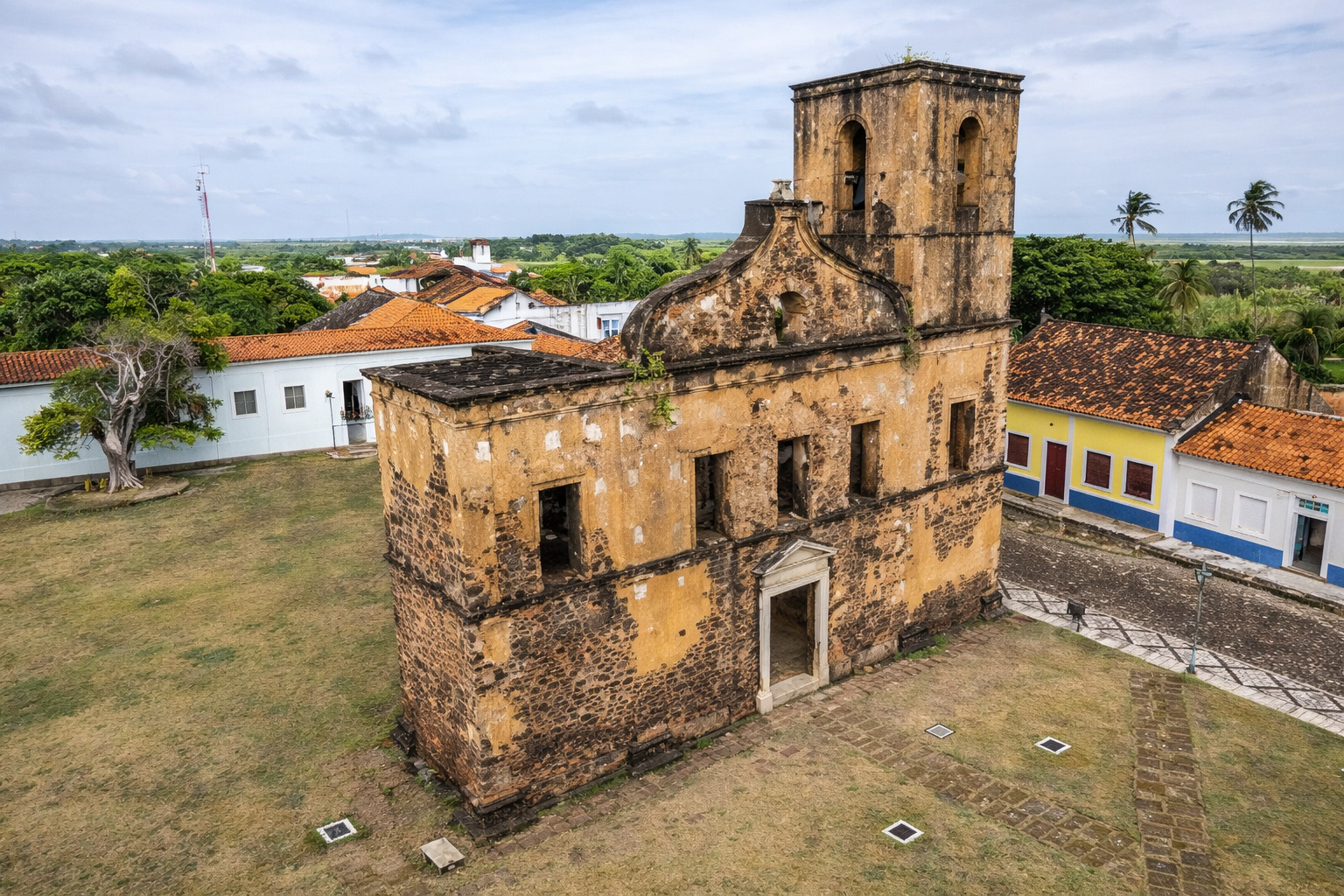
The Brazilian colonial city that stopped in time and shares territory with a rocket launch base.
-
79-year-old woman challenges limits, visits 193 countries in the world after 56 years of planning and reveals the behind-the-scenes of a global journey that few have managed to accomplish.


Although there are records of contact between these civilizations, it was always believed that they were limited to sporadic trade of goods such as obsidian, cacao, and jade. The presence of an altar with Teotihuacan characteristics in the center of Tikal, however, suggests a much deeper level of interaction — perhaps even the physical presence of Teotihuacan inhabitants in the Maya region.
The Discovery: An Altar That Tells A New Story
The artifact in question is a finely carved limestone altar, found in an ancient residence in the center of Tikal during excavations conducted by an international team of archeologists. The altar features religious symbols characteristic of Teotihuacan iconography, such as the figure of the “God of Storms,” as well as traces of red, yellow, and black paint — colors typical of the palette used by Teotihuacan artists.
According to the archeologists involved in the excavation, the style of the artifact is so distinctly linked to Teotihuacan art that it would hardly have been produced without the direct presence of artists from the Mexican city. Radiocarbon dating suggests that the altar was constructed around the 4th century A.D., which coincides with the height of Teotihuacan’s influence in central Mexico.
Archeologists In Search Of Answers: What Is The Origin Of The Maya Treasure?
What intrigues archeologists is the nature of the context in which the altar was found. Unlike commercial items or tributes that could have been transported by exchange routes, the altar was located in a domestic environment — indicating that it was an integral part of local daily life.
The main hypothesis of scholars is that Tikal housed, at that time, a Teotihuacan elite colony or, at least, a strong influence of its culture over the Maya nobility. There is previous evidence that Teotihuacan intervened militarily in Tikal during the 4th century, even installing rulers loyal to the Mexican metropolis.
This archaeological discovery reinforces the theory that there was an occupation or, at the very least, a political-cultural alliance between the two cities. In other words, the altar may be a key piece.
The Relevance Of The Archaeological Discovery For Mesoamerican History
This treasure with 1,700 years is a window into a complex and still poorly understood past. More than just a curious artifact, it may be a clear indication that ancient Mesoamerica was much more interconnected than previously thought. This challenges the traditional narrative that civilizations like the Maya and that of Teotihuacan developed in isolation, without significant political or cultural exchanges.
The National Institute Of Anthropology And History (INAH) of Mexico and other institutions involved in the study state that the discovery radically changes the way we interpret the relations between Mesoamerican peoples. According to researchers, artifacts like this indicate that Maya elites not only knew Teotihuacan culture but adopted it in their daily lives — perhaps for prestige, political influence, or religious reasons.
The Technology Behind The Archaeological Discovery
The excavation was aided by LiDAR (Light Detection And Ranging) technology, which allowed for millimeter-precise mapping of the Guatemalan jungle surface. This technique, widely used in recent years in archaeology, revealed buried structures that could not be seen with the naked eye, paving the way for new excavations in Tikal.
It was thanks to this innovation that the residence containing the altar was identified and carefully excavated. Without LiDAR, the artifact could have remained hidden for centuries.
The find opens new possibilities for research on the presence of Teotihuacan in regions further south of Mesoamerica. Archeologists are now seeking to find similar evidence in other Maya centers like Uaxactun, Quiriguá, and Copán, hoping to discover whether the Tikal phenomenon was isolated or part of a broader pattern of cultural and political occupation.
Additionally, specialists in epigraphy and iconography are analyzing the symbols of the altar in search of encoded messages or connections to other known structures from the period. This investigation may reveal new dynastic connections between Mesoamerican city-states or even rewrite the genealogy of Tikal rulers.
A Discovery That Changes The Way We Understand The Past
The discovery of this Maya treasure with 1,700 years in Tikal, with clear influences from Teotihuacan, represents more than just an archaeological curiosity. It is a key piece in understanding the political, cultural, and even migratory networks that shaped ancient Mesoamerica.
By challenging the idea of isolated civilizations, the find stimulates a reevaluation of traditional academic models and invites the construction of new narratives about the past. More than ever, archaeology proves essential not only to understand how our ancestors lived but also to comprehend the complexity of human interactions throughout history.
For archaeologists and the general public, the message is clear: the past still has many surprising stories to tell — one just needs to excavate them with attention and respect for the evidence.





Seja o primeiro a reagir!