





 Portuguese
  English
  Spanish
  5 min of reading
  0 comments


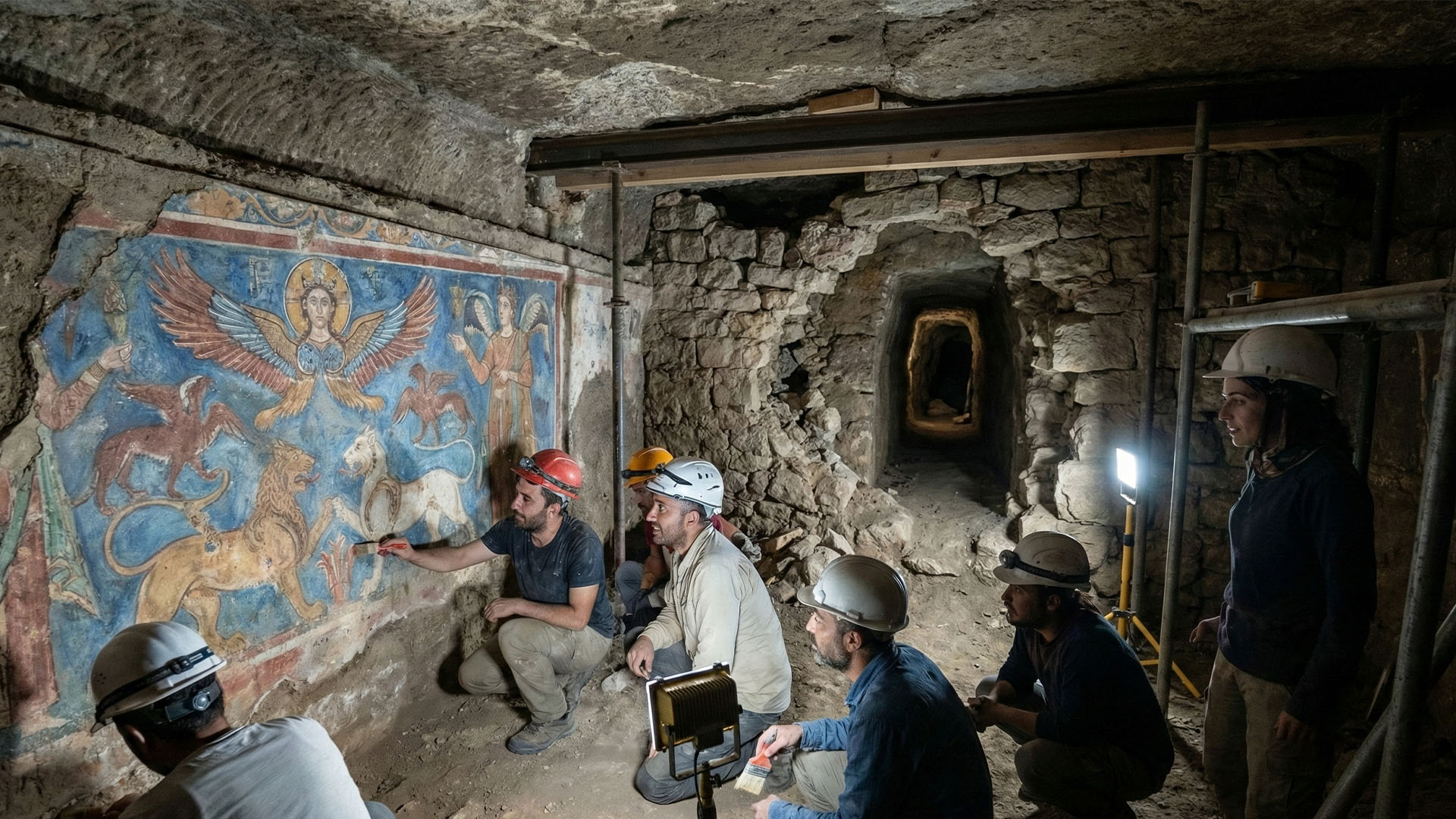
Excavations at Garibin Tepe Reveal Unprecedented Murals That Connect the Site to the Ayanis Fortress, Shedding Light on the Art and Religious Rituals of the Mysterious Iron Age Kingdom.
An unprecedented archaeological discovery has shaken the scientific and tourism community in the eastern region of Turkey. Near the famous Lake Van, a specialized team revealed a true historical gem hidden underground. It is a monumental set of frescoes nearly three thousand years old.
These murals, found in a surprisingly good state of preservation, are attributed to the ancient Kingdom of Urartu. This civilization, often overlooked in school textbooks, flourished and dominated the region during the first millennium BC. The discovery sheds new light on the power of this culture in the Iron Age.
The excavation was conducted at the archaeological site of Garibin Tepe, located about thirty kilometers from the city of Van. The area had been poorly explored until now, but there had always been suspicions about its historical potential. The monumental nature of the structures found has surprised even the most experienced researchers.
-
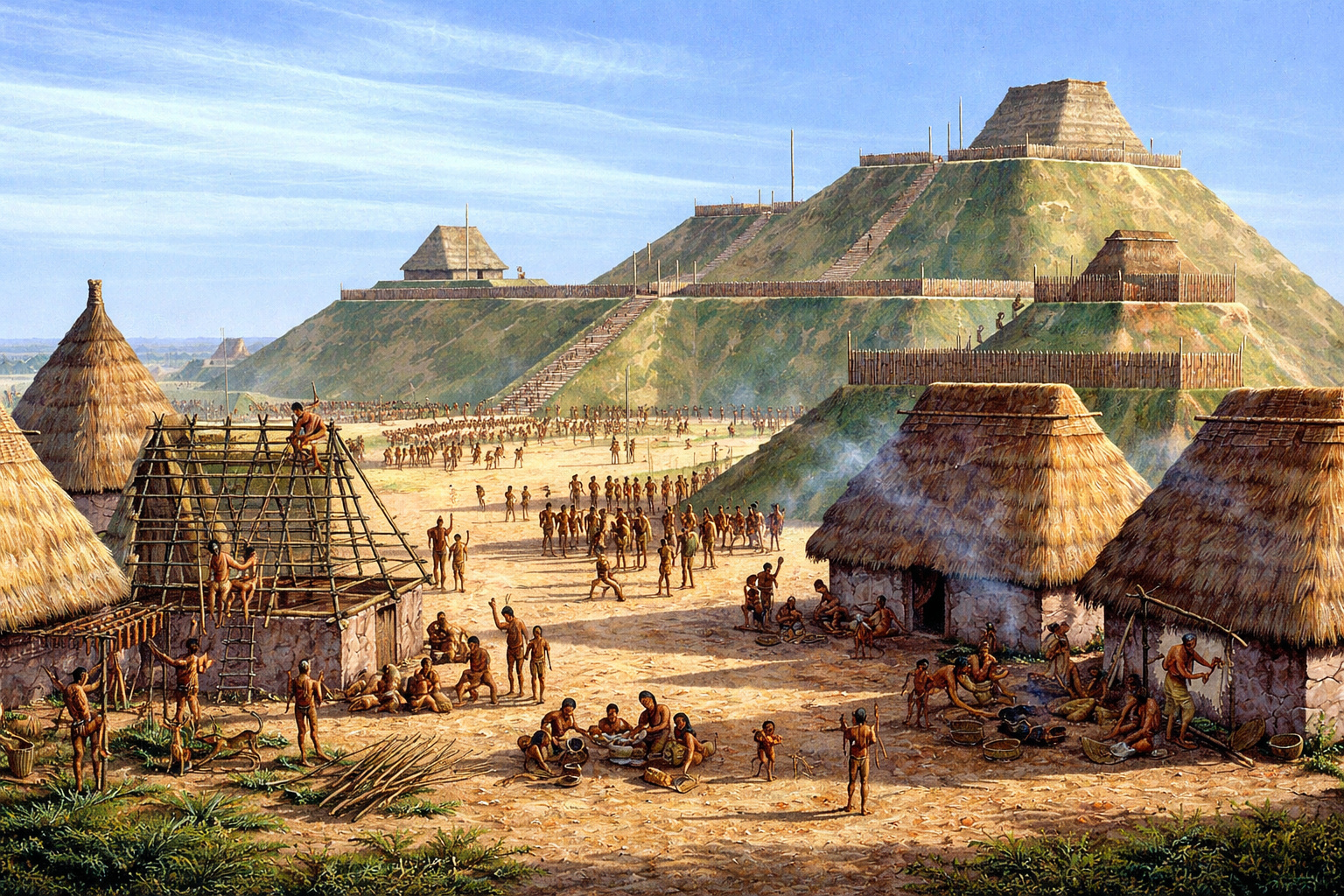
With over 14 million baskets of earth moved, an ancient North American metropolis built a monumental pyramid of 30 meters and established a city with 20,000 inhabitants nearly a thousand years ago.
-
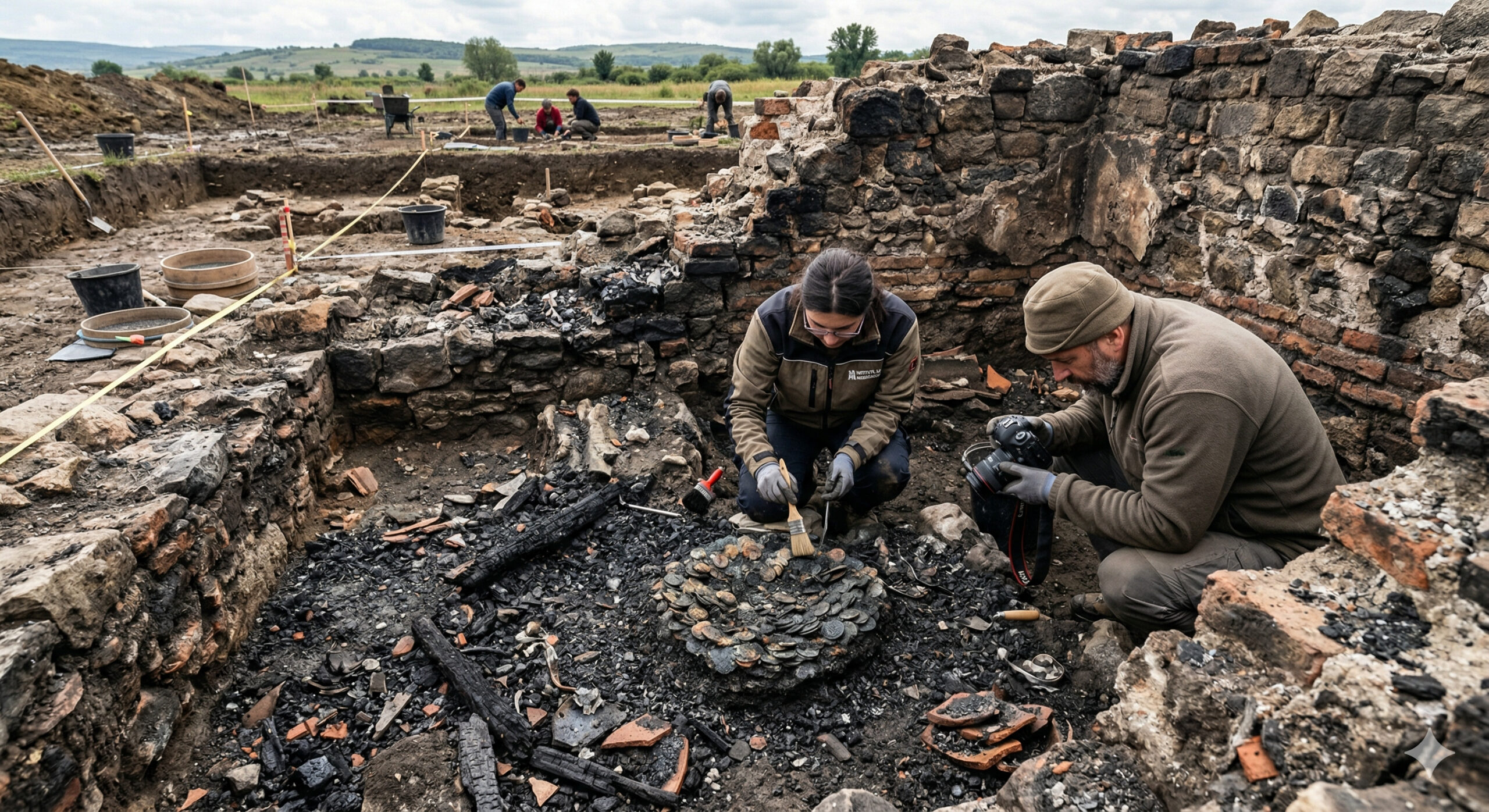
A 1,900-year-old treasure emerges from a Roman house destroyed by fire and sealed since antiquity in Romania, with coins and metals fused among the ashes.
-
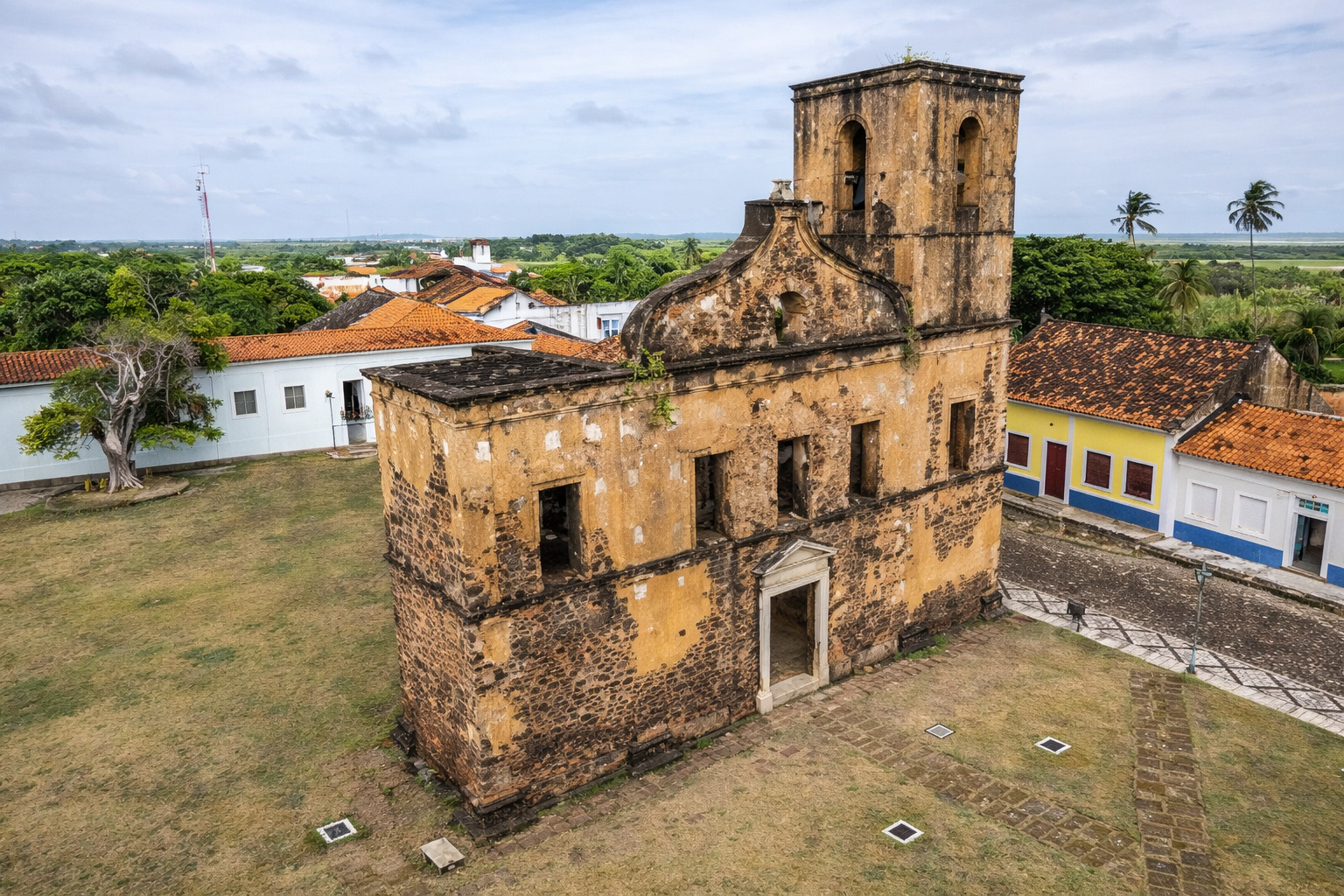
The Brazilian colonial city that stopped in time and shares territory with a rocket launch base.
-
79-year-old woman challenges limits, visits 193 countries in the world after 56 years of planning and reveals the behind-the-scenes of a global journey that few have managed to accomplish.


According to specialists involved in the project, these underground murals were not merely decorative. They may have played a crucial role in Urartian royal ceremonies and rituals. The arrangement of the paintings suggests a sacred use, restricted to a few initiates of the elite of the time.

The paintings were covered by centuries of earth and debris, accidentally protected from erosion. Now, they reveal a world of colors and shapes that was thought to be lost forever. The recovery work is meticulous and promises to rewrite chapters of local history.
The Strategic Connection Between Garibin Tepe and the Ayanis Fortress
The geographical and structural relationship between Garibin Tepe and the Ayanis Fortress has sparked great interest among archaeologists. Ayanis, located just three kilometers away, is one of the best-preserved citadels of Urartu. The proximity suggests that they were not isolated settlements.
The architectural grandeur of both sites indicates that they were part of an integrated political-religious system. Ayanis likely served as the administrative and military core, while Garibin Tepe could function as a residential or ceremonial extension for the nobility.
The Ayanis fortress is known to have been built by King Rusa II. This monarch was one of the greatest builders of the Urartian period. The discovery of similar structures at Garibin Tepe reinforces the thesis of a large planned complex by the king.
Recent discoveries also point to the possibility of connecting routes between the sites. Tunnels or processional paths could link the two locations, expanding interpretations of their interaction. This infrastructure demonstrates the level of sophistication of Urartian engineering.
The Technical Challenge of Preserving the Adobe Murals
The murals at Garibin Tepe have survived for millennia, but now they face their biggest challenge: exposure to the outdoors. The paintings were made on mud bricks (adobe), an extremely fragile material. Once exposed, the risk of degradation is immediate.
Facilities with metal reinforcements and strict environmental controls have been implemented at the site. The goal is to preserve both the vibrancy of the colors and the integrity of the plaster. Without this quick intervention, the paintings could crumble within days.
According to the excavation team, led by scholars from Atatürk University, the effort is a race against time. Preventive conservation is essential, given the sensitivity of the original pigments to light and moisture. The climate in the Lake Van region, with harsh winters, adds an extra layer of difficulty.
Collaborative projects with international universities have brought innovative technologies to the site. The use of laser scanners and chemical analyses of the pigments allows for understanding how the paints were made. This helps to determine the best strategy to keep the legacy alive.
A New Perspective on Urartian Art and Symbolism
The discovery of these underground murals opens an unprecedented window in the field of Middle Eastern archaeology. Until now, knowledge about Urartian art was limited to movable objects and stone architecture. Wall murals in adobe are extremely rare.
The frescoes reveal ritual and symbolic aspects that enrich the understanding of the visual culture of the kingdom. The images are not random; they follow a narrative pattern. The pigments used, such as Egyptian blue and red ochre, indicate active trade routes and access to luxury materials.
Recent research highlights the influence of neighboring cultures on the works, especially Assyria. The Assyrians were constant rivals of Urartu, but cultural exchange was inevitable. The themes represented show a fusion of styles, creating a unique artistic identity in the region.
However, Urartian art retains its distinct peculiarities. The emphasis on local deities and fantastic animals specific to the Urartian pantheon is clear. This demonstrates a strong national and religious identity used to legitimize the king’s power in front of his subjects and enemies.
What the Frescoes Reveal About Power Ideology
These frescoes are not merely artistic expressions of aesthetic beauty. They contain communication codes used to convey complex religious and political ideas. In antiquity, art was a tool of power and social control.
Through the use of colors and the hierarchical arrangement of figures, a connection to the cosmos is inferred. The king and the gods are often depicted in larger scales or central positions. This reinforces the idea that the monarch was the divine representative on earth.
The subterranean location of the murals is another point that intrigues researchers. It may indicate a connection to chthonic (underworld) ceremonies or rites of passage. It could also be a space reserved for ancestor worship or royal legitimization processes away from the eyes of the people.
Current iconographic studies seek to decipher the role of each figure in the compositions. There are suggestions of interpretations linked to astronomy and local Anatolian mythology. Each recovered detail helps to piece together the puzzle of this civilization that rivaled the greatest empires of the time.
The discovery of Garibin Tepe is, therefore, much more than a simple fortuitous archaeological finding. It is an opportunity to hear the voice of a silenced civilization. By studying these frescoes, the modern world reestablishes contact with the beliefs and sophistication of the ancient Near East.
What do you think these tunnels and underground rooms really hid? Were they just places of worship or refuges for the elite in times of war? Leave your comment.







Seja o primeiro a reagir!