





 Portuguese
  English
  Spanish
  5 min of reading
  6 comments


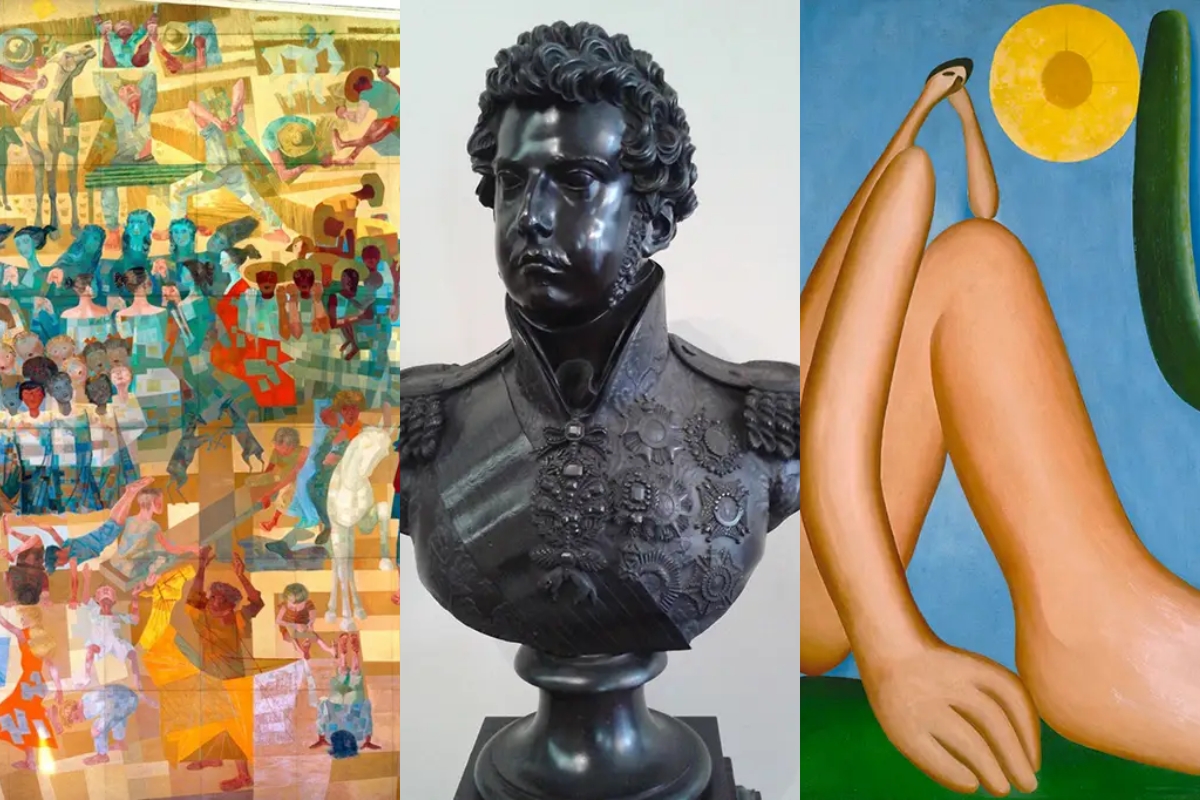


A Large Part Of Brazilian Art Is Outside The Country. Works That Were Born Here Now Belong To Foreign Museums And Collections, Symbolizing Both Global Recognition And The Loss Of A National Heritage
Brazilian art is celebrated for its originality and cultural richness, but a large part of its legacy remains outside the country. Whether due to international commissions, auction sales, or diplomatic donations, various works that represent Brazil in its essence are now in foreign museums and collections.
From Tarsila do Amaral to Candido Portinari, the national artistic heritage has crossed borders and gained space in prestigious global institutions.
The Bust Of Dom Pedro I And The Largest Brazilian Collection Outside The Country
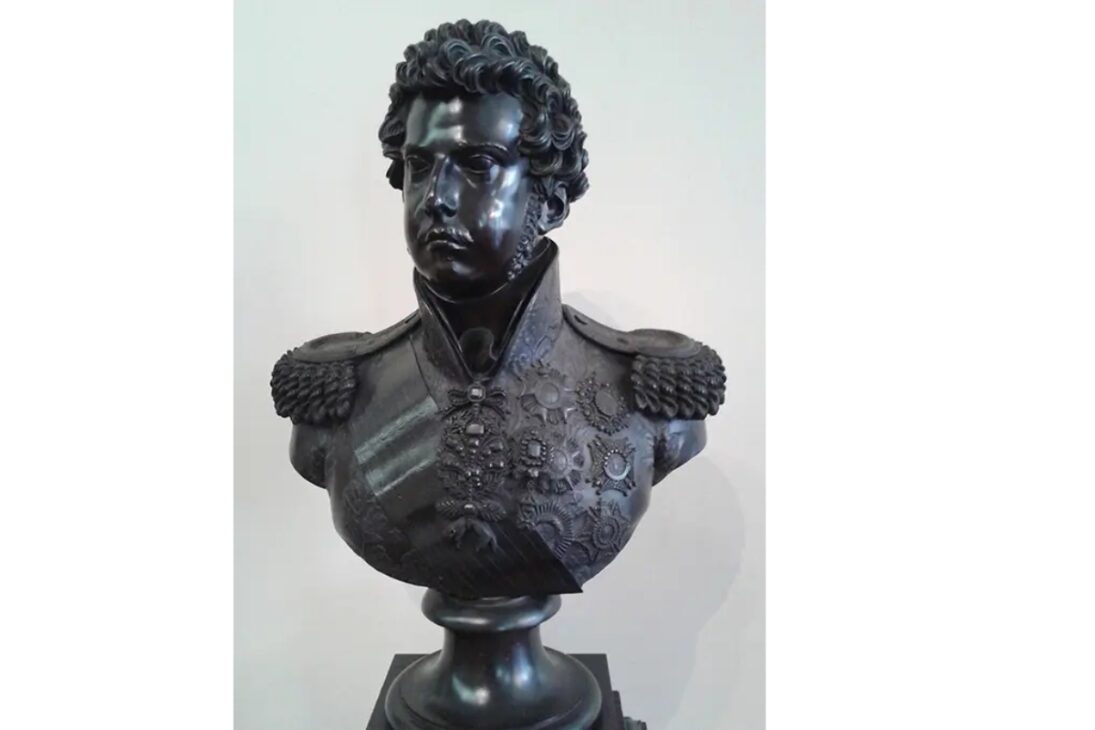
Among the most notable examples is the bust of Dom Pedro I, sculpted in 1826 by the Frenchman Marc Ferrez, who lived in Brazil. Created when the emperor was only 27 years old, the bust was initially molded in plaster and then cast in bronze in Paris. Today, it is part of the collection of the Oliveira Lima Library at The Catholic University of America in Washington.
-
He started running at 66 years old, broke records at 82, and is now a subject of study for having a metabolic age comparable to that of a 20-year-old, in a case that is intriguing scientists and inspiring the world.

-
Oldest tree on the planet reappears after 130 years of searches: Wattieza, 385 million years old, was 10 meters tall and had no leaves or seeds; Gilboa fossils in New York solved the mystery in 2007.

-
A 48-square-meter house assembled in hours with 4,000 bricks made of recycled plastic that does not absorb moisture, has natural thermal insulation, and costs less than 90,000 reais in a complete kit.

-
Luciano Hang revealed that Havan’s air fleet has already accumulated more than 20,000 landings, 10,000 flight hours, and 6 million kilometers traveled, and he says that without the planes, the company would never have grown so quickly.


The collection, donated by the Pernambuco diplomat Manuel de Oliveira Lima, is considered the largest assembly of Brazilian works and documents abroad. It includes about 40,000 volumes, more than 200,000 pages of correspondence, and 600 works of art, including paintings, engravings, and historical maps. There are manuscripts and letters from figures like Machado de Assis, Lima Barreto, Gilberto Freyre, and Joaquim Nabuco, which help tell the history of Brazil through its intellectual protagonists.
Abaporu: The Icon Of Brazilian Modernism Living In Buenos Aires
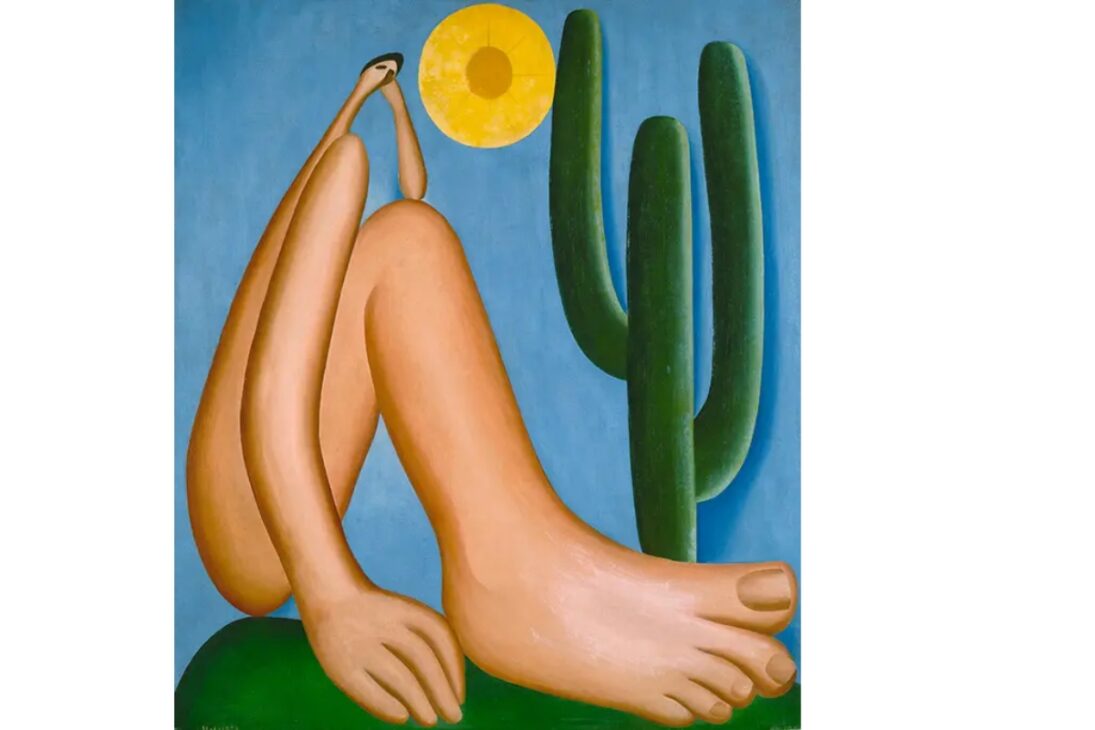
Few works encapsulate national modernism as much as “Abaporu” by Tarsila do Amaral. Painted in 1928 as a gift for Oswald de Andrade, the painting underwent a long journey before reaching Argentina. After being sold to Pietro Maria Bardi and later to other collectors, the painting was auctioned in 1995 in New York.
The buyer was Argentinian businessman Eduardo Costantini, who paid around US$ 1.4 million — a modest amount compared to the current estimate of over US$ 18 million. The acquisition generated controversy, as the São Paulo government tried to prevent the painting from leaving Brazil, considering it a historical treasure. Costantini declared at the time that he was not a scholar of modernism, but desired to gather the most important works of Latin American art.
In 2001, he founded the Museum of Latin American Art of Buenos Aires (MALBA) and donated more than 200 works from his collection, including Abaporu, which is now one of the most visited pieces in the museum, alongside works by Frida Kahlo, Diego Rivera, and Candido Portinari.
The Brazilian Eye In Paris: Di Cavalcanti And “Danse Populaire Brésilienne”
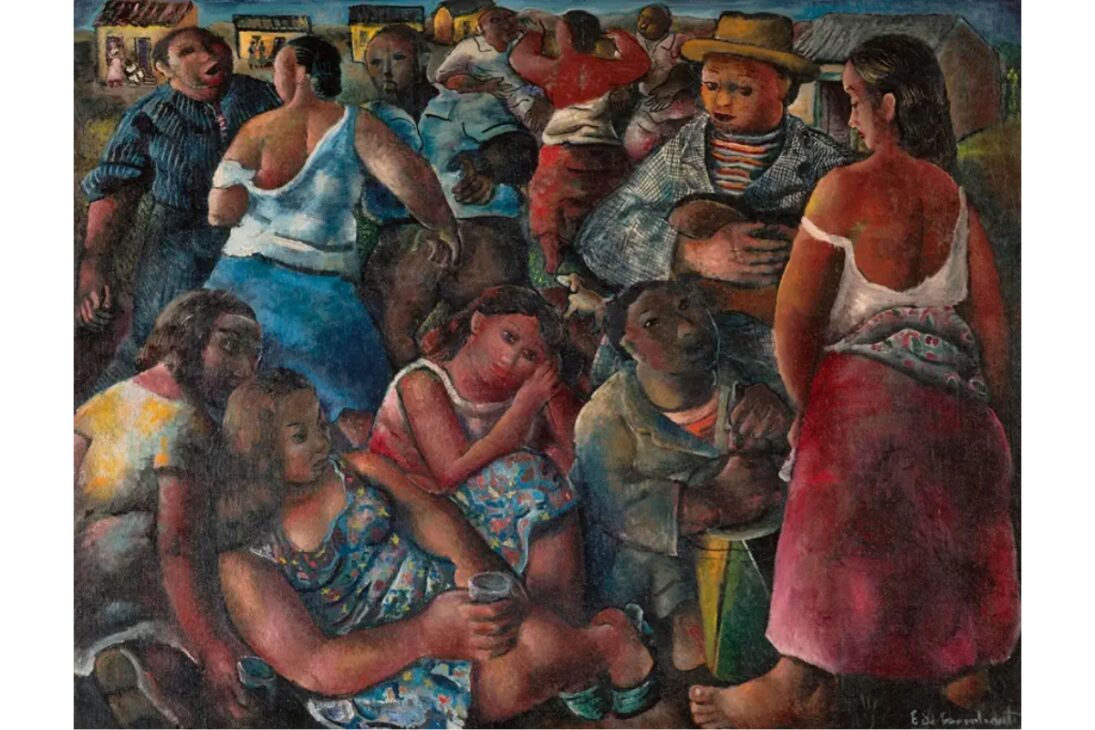
In 1937, Di Cavalcanti moved to Paris and created one of his most emblematic paintings: “Danse Populaire Brésilienne”. The work was acquired by the French government after an exhibition and is now part of the collection of the Museum of Modern Art in Paris.
The painting reflects Cavalcanti’s vibrant style, which portrayed the everyday life of Brazilian women, drawing inspiration from the popular colors and forms of the country. The influence of French artist Fernand Léger, with whom Cavalcanti was friends, is visible in the geometric lines and chromatic harmony of the composition. His vision of a sensual and popular Brazil crossed borders and solidified his name among the greats of Latin American art.
The Bólides Of Hélio Oiticica: When The Audience Becomes Part Of The Art
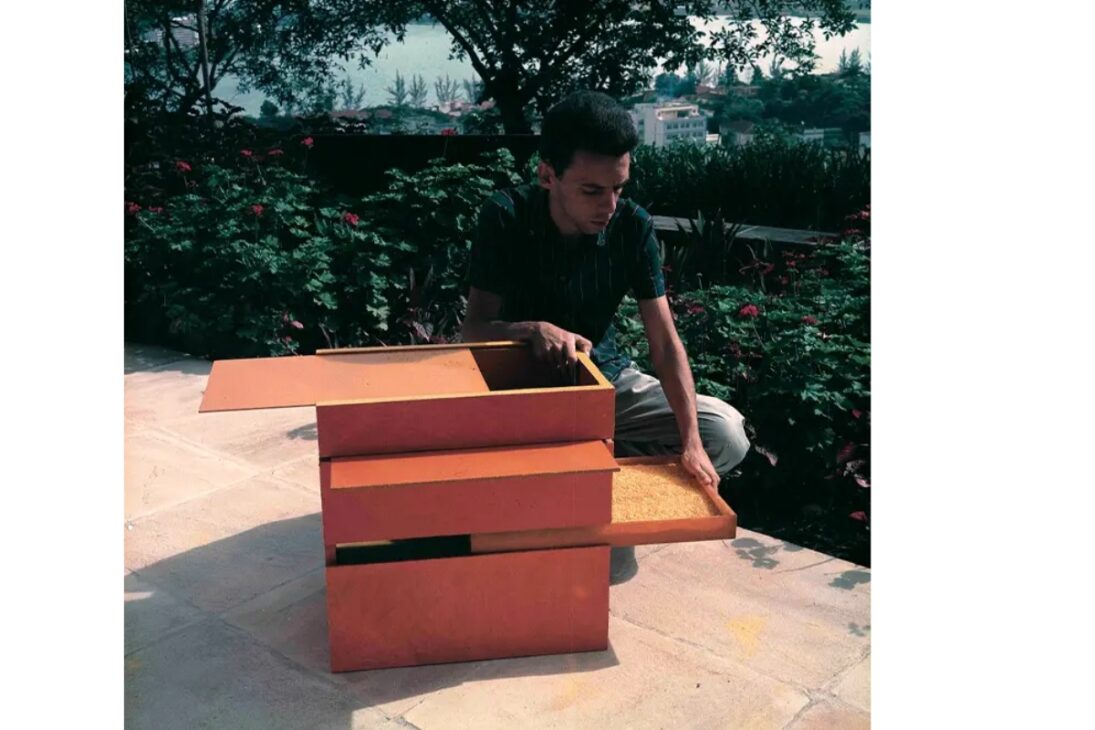
In the 1960s, Hélio Oiticica reinvented Brazilian art with his series “Bólides”, a set of boxes made of wood, glass, and plastic that invited the public to interact. Inside, there were natural and symbolic elements such as earth, water, mirrors, and poems.
The proposal was to break the barrier between artwork and viewer, transforming art into experience. Today, the Bólides are spread across museums worldwide. The MoMA and the Metropolitan Museum in New York have examples; Tate Modern in London and Reina Sofía in Madrid also house different versions of this series that redefined the limits of contemporary art.
“The Moon” By Tarsila Do Amaral: The Definitive Consummation At MoMA
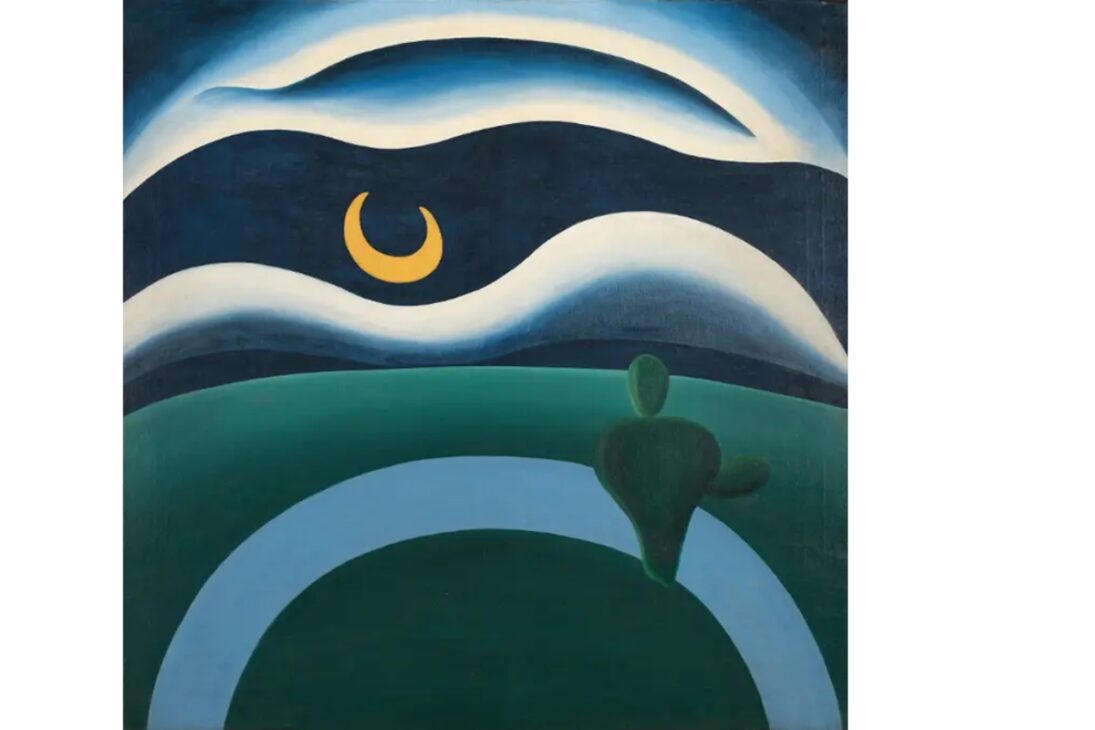
Another jewel of Brazilian art that crossed the ocean is “The Moon,” also by Tarsila do Amaral. Painted in 1928, the painting was acquired in 2019 by the Museum of Modern Art in New York (MoMA) for around US$ 20 million, according to unconfirmed estimates.
The canvas belonged for decades to the Feffer family, founders of Suzano, and its sale consolidated Tarsila as the most valued Brazilian artist in history. For the painter’s great-niece, also named Tarsila do Amaral, the purchase symbolized the international recognition of the artist and of modern national art, placing it on the same level as names like Picasso and Matisse.
Babel: The Sound Of Diversity According To Cildo Meireles
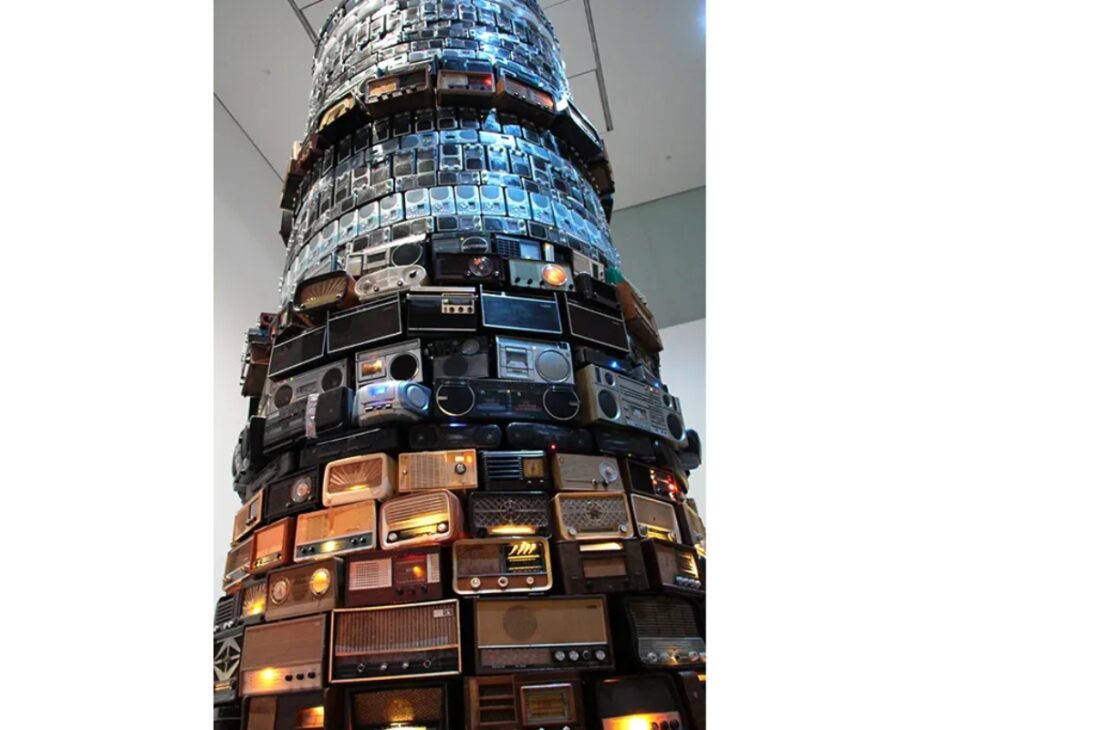
The sculpture “Babel”, created by Cildo Meireles, is one of the most emblematic Brazilian works of the 21st century. It is a five-meter-tall tower built entirely with stacked radios, all tuned to different stations at a low volume.
The piece represents a modern metaphor for the biblical Tower of Babel, evoking the idea of communication and chaos. Initiated in 1990 and completed only in 2001, “Babel” was permanently acquired by Tate Modern in London in 2013 and became a symbol of cultural multiplicity and the poetic strength of contemporary Brazilian art.
War And Peace: The Universal Legacy Of Candido Portinari
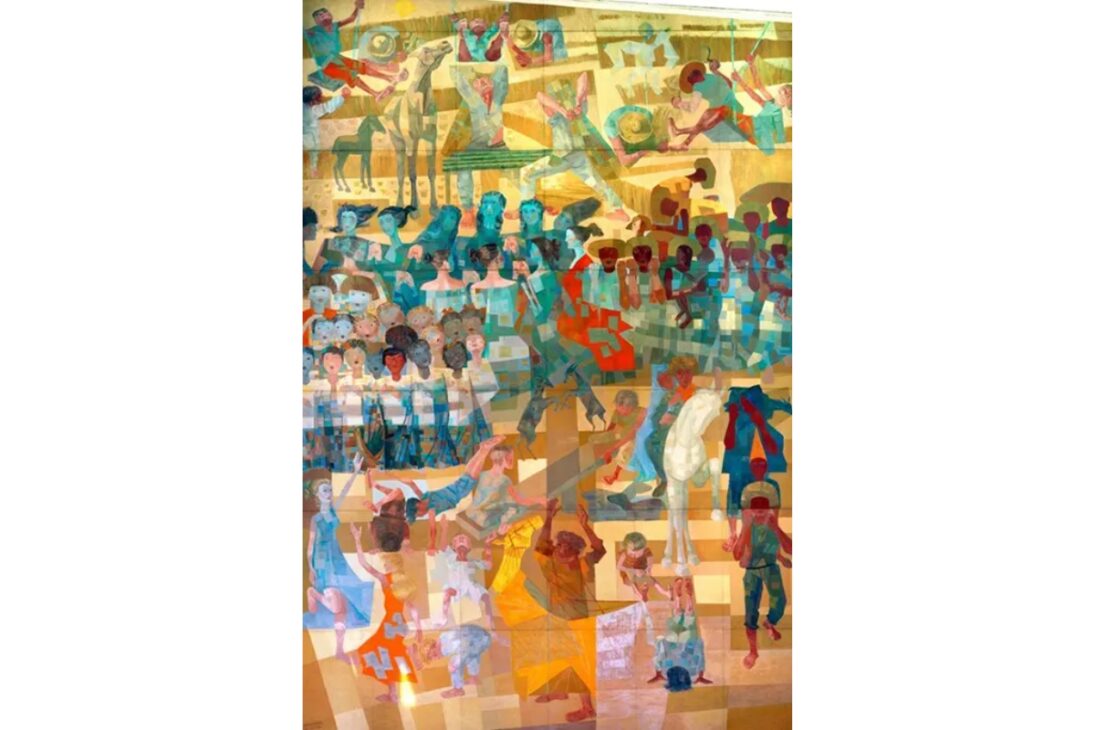
Among the greatest legacies of Brazilian art abroad are the murals “War and Peace” by Candido Portinari, installed at the headquarters of the United Nations (UN) in New York. Commissioned in the 1950s, the panels represent Brazil’s contribution to universal culture and were donated to the UN in 1957.
In 2015, the murals underwent a major restoration. At the re-inauguration ceremony, then-Secretary-General Ban Ki-moon emphasized that Portinari’s works were not only art but a call to reflection on the price of war and the value of peace. “All leaders who enter the United Nations see in them the universal dream for peace,” he stated.
A Brazilian Heritage Spread Around The World
These works, created by artists who defined Brazil’s aesthetic identity, now belong to the global collection of humanity. Although outside the national territory, they continue to represent the creative spirit and cultural depth of the country, reminding us that Brazilian art, even from afar, remains alive and inspires the world.









Quantas obras de arte de artistas estrangeiros têm no Brasil? A arte é universal, ela fala ao ser humano, sem nação e barreiras. Ela encanta, desperta curiosidades e divulga o país que o artista nasceu. É animador que o país tenha artistas que causem interesse de espaços culturais pelo mundo, em suas artes. Nos dá orgulho que pesquisadores estrangeiros escrevam sobre os grandes artistas de outros países, porque foram atraídos pela arte. E isso acontece com os nossos artistas.
Eu Maria Lúcia afirmo que;
Brasil é pobre de cultura desse porte há pessoas no Brasil que não sabem o que é e nunca foi a uma galeria de Artes ou algum museu , única cultura que brasileiro realmente conhece é o carnaval
Galerias de Artes é aberto ao certo público da elite de classe riquíssima , digo isso porque eu sou da classe que nunca teria tinha grana pra comprar uma obra de arte também nunca tinha entrando em uma até que tive a oportunidade trabalhar como copeira e conhecer os bastidores desse universo galerista saber como se faz os detalhes cada montagem de abertura para cada artista. Realmente fiquei abismada com funciona a classe social
O Brasil dilapida o seu patrimônio. Lembrem-se dos incêndios em Museus, roubos de livros raros na Biblioteca Nacional.. Se essa Biblioteca brasileira de Oliveira Lima, por exemplo, nao tivesse sido doada aos Estados Unidos, poucas obras restariam. O Brasil nao liga com a cultura, é um pais novo de gente ignorante até o talo.