





 Portuguese
  English
  Spanish
  5 min of reading
  0 comments


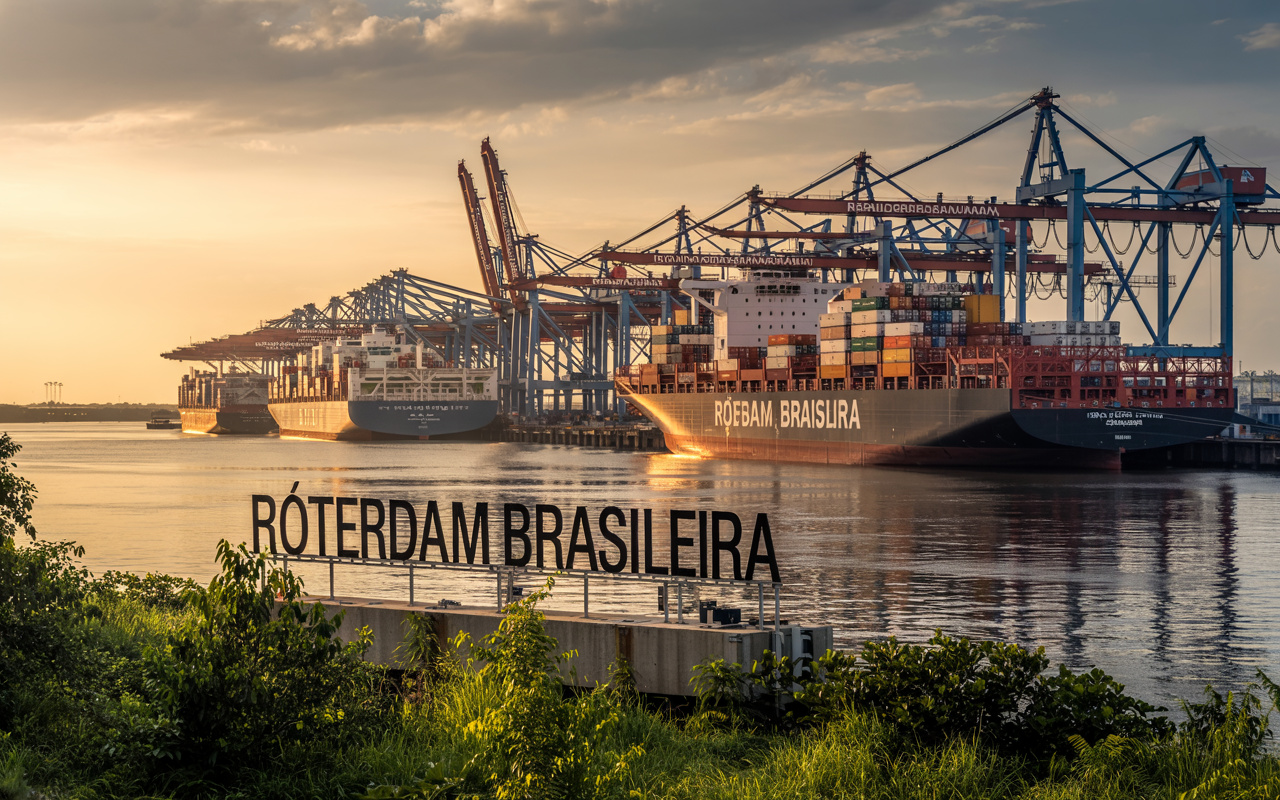
Barcarena-PA Stands Out as the Largest Logistics Hub in the North, Connecting the Port of Vila do Conde, the Carajás Railway, and Vale do Rio Doce Operations to Drive Mineral Exports and Connect Brazil to the Global Market
The municipality of Barcarena-PA has been gaining prominence as the true Brazilian Rotterdam, a key logistics hub for the flow of mineral production from the North of Brazil. With integrated infrastructure that involves the Port of Vila do Conde, the Carajás Railway, and investments from Vale do Rio Doce, Barcarena has become a key point for export flows, especially in the mineral sector.
Today you will learn about the reasons that transformed Barcarena into the largest logistics hub in the region, its economic importance, and how this multimodal structure strengthens Brazil in the international trade of mineral commodities.
Barcarena-PA and the Port of Vila do Conde: Heart of the Logistics Hub of the North
Located in the state of Pará, Barcarena stands out for its privileged geographical position that favors transportation and exportation. The Port of Vila do Conde, located in this municipality, is the largest river port in the North region and one of the most important in Brazil for the handling of minerals and other commodities.
-
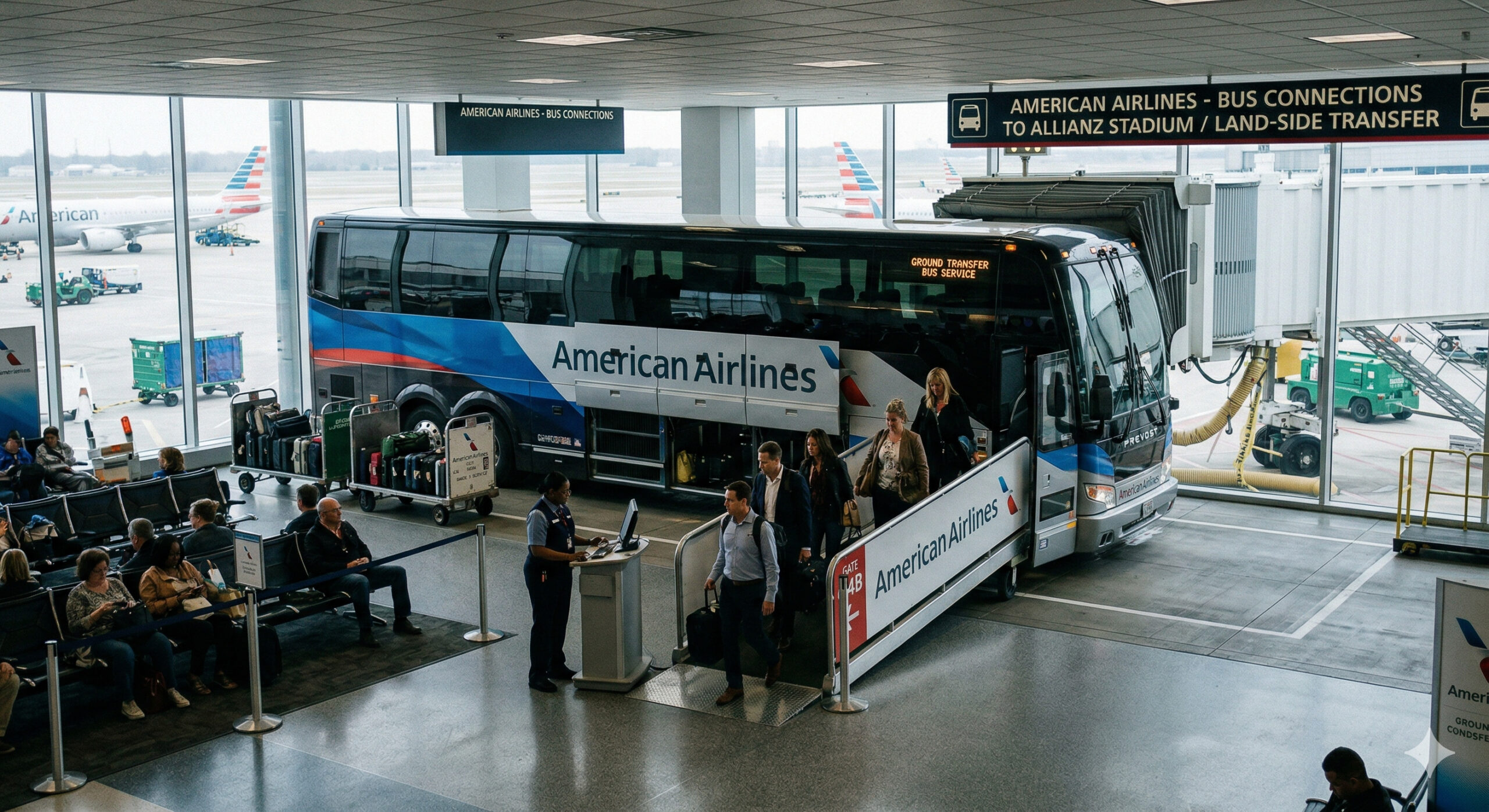
American Airlines starts selling trips as if they were flights, with check-in and baggage check at the airport, but on short routes, passengers board luxury buses connecting cities to major hubs in the U.S.
-
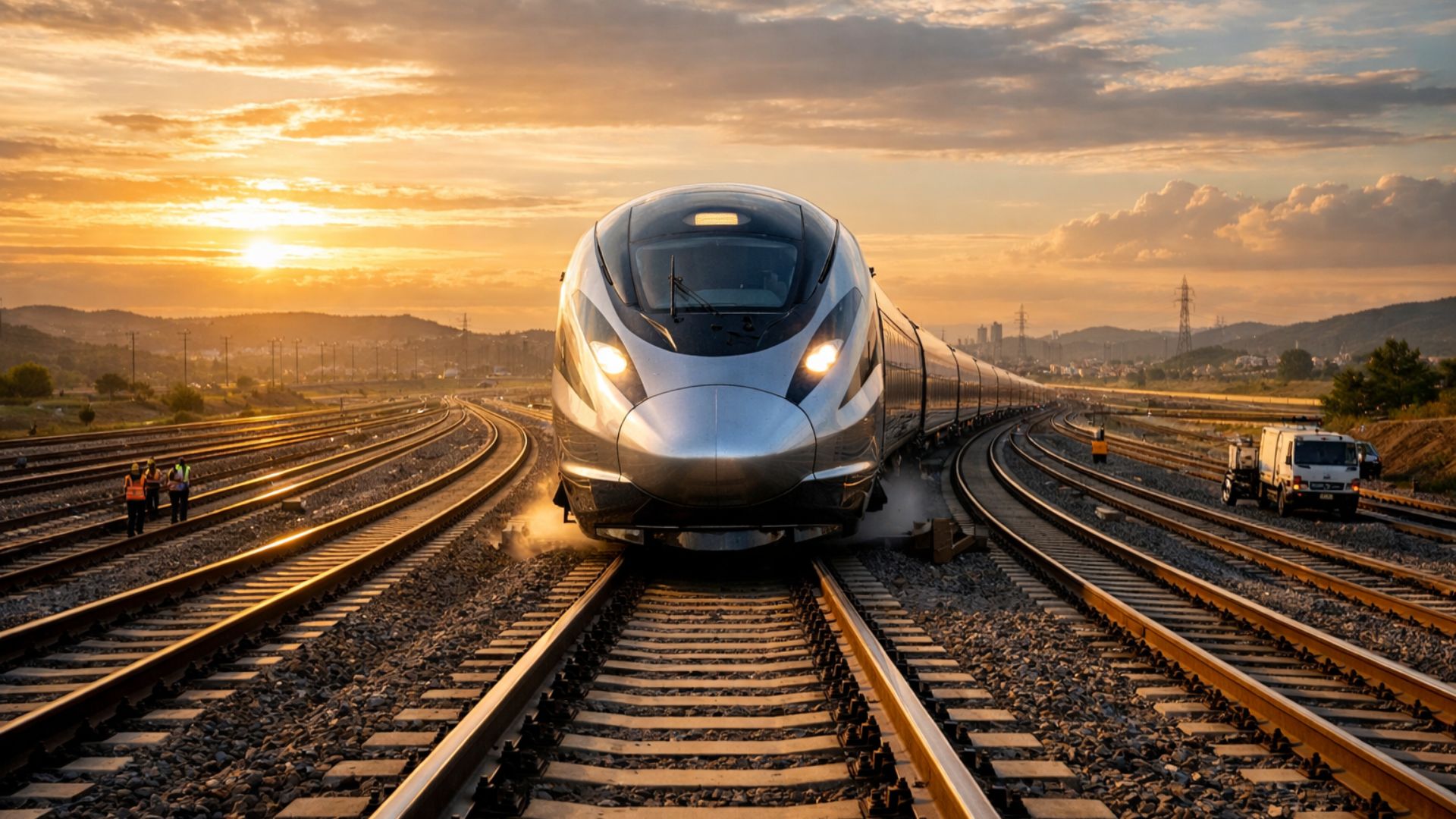
São Paulo surprises the world with a colossal railway network project that promises over 1,000 km of tracks, R$ 194 billion in investments, and 40 projects connecting the capital to the interior with fast and sustainable trains.
-
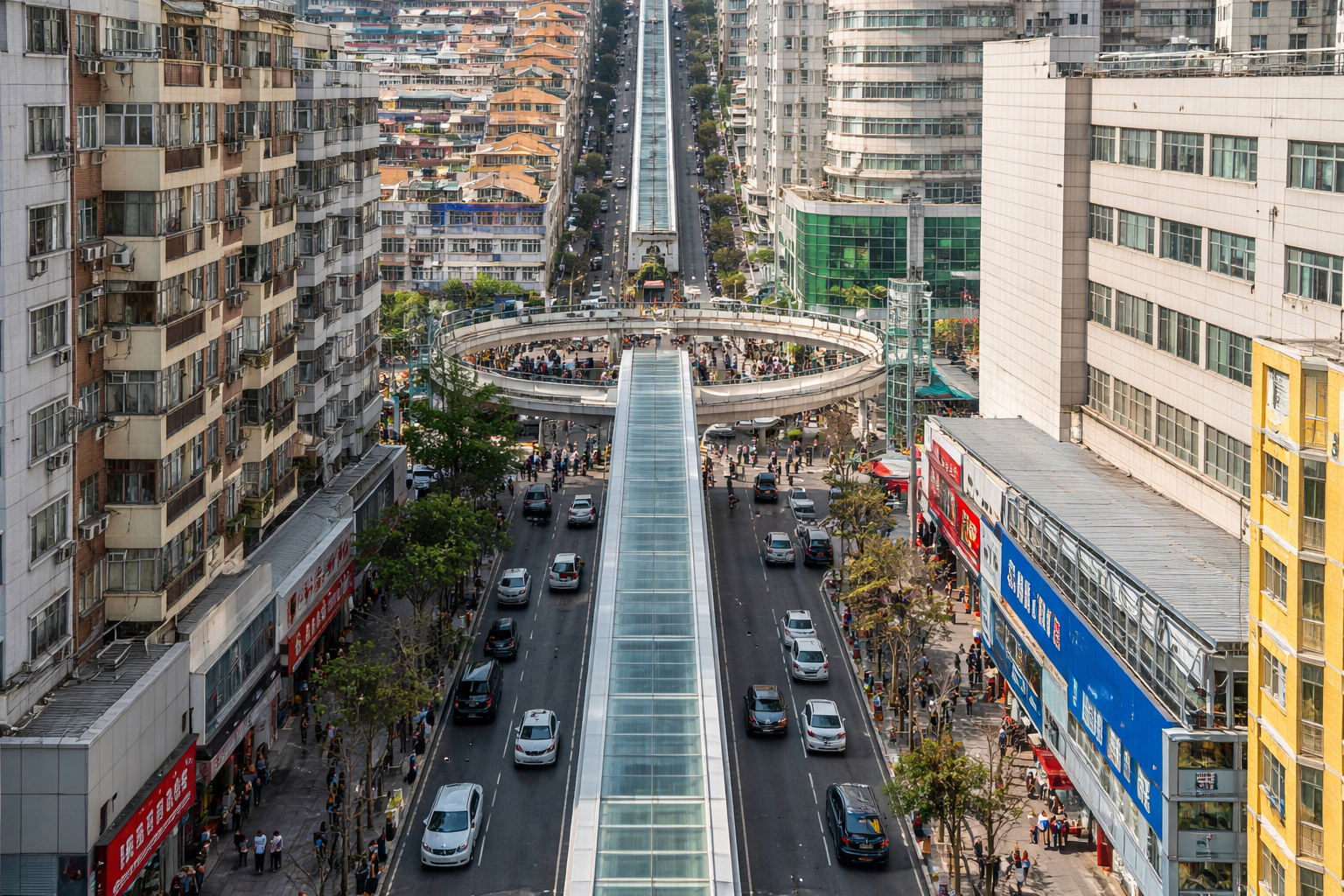
The world’s largest escalator, measuring 905 meters in China, reduces urban travel time from 1 hour to about 20 minutes and transforms mobility in mountainous regions with an engineering solution adapted to the terrain.
-
A R$ 300 million logistics giant is taking shape in Serra with over 100,000 m² and raises a question: how can this transform e-commerce and distribution in the state?
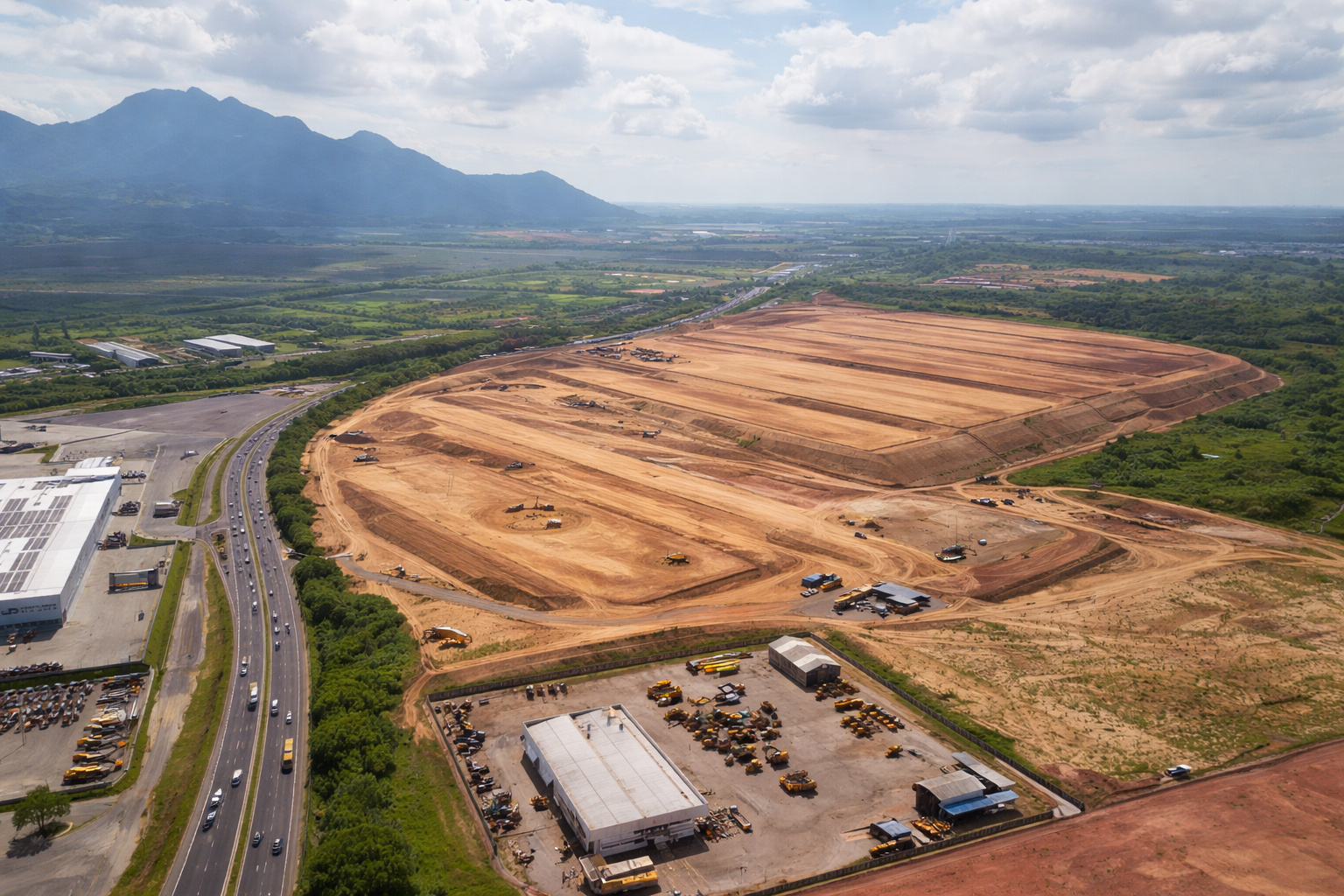

This port has a modern and specialized structure, prepared for large-scale operations, with terminals that handle general cargo, solid bulk, and liquids.
According to data from the National Agency of Waterway Transportation (ANTAQ), the port handled over 50 million tons in 2024, with a significant growth forecast for the coming years.


The port is a pillar of the North logistics hub, offering a direct connection for foreign trade, mainly to countries such as China, Japan, and European nations, which are major consumers of Brazilian ore.
The Carajás Railway and Vale do Rio Doce: Connecting Mines to the Port of Vila do Conde
The efficiency of Barcarena as a logistics hub is directly linked to its integration with the Carajás Railway, which connects the rich iron mines of Pará to the Port of Vila do Conde.
Managed by Vale do Rio Doce, this railway is approximately 892 kilometers long and is responsible for transporting a large portion of the exported minerals.

In 2024, the Carajás Railway transported around 120 million tons, over 70% of which was iron ore. This multimodal rail-port integration reduces costs and delivery times, strengthening the competitiveness of Brazilian ore in the international market.
Vale, the main operator of the railway and investor in the port infrastructure, has made constant investments to expand capacity and modernize the logistics system, ensuring operational and environmental sustainability of the complex.
Mineral Exports: The Economic Engine of the North Logistics Hub
Mineral exports are the main economic driver of Barcarena and the entire North region. Brazil is one of the world’s largest exporters of iron ore, and a significant portion of this production passes through the Port of Vila do Conde.
According to data from the Ministry of Economy and the Secretariat of Foreign Trade, mineral exports from the North of Brazil reached over US$ 20 billion in 2024, with Barcarena accounting for around 70% of this movement. The presence of Vale and the logistical efficiency of the region reinforce this leadership.
In addition to iron ore, Barcarena also handles other mineral products and general cargo, enhancing its relevance and diversifying its operations.
Why Is Barcarena Called the “Brazilian Rotterdam”?
The comparison between Barcarena and the port of Rotterdam in the Netherlands lies in its ability to function as a global hub, connecting different modes of transport and serving as a high-value economic drainage platform.

Like Rotterdam, which is the largest port in Europe and one of the busiest in the world, Barcarena combines river port, railway, and maritime route, forming an integrated and efficient logistics network. This characteristic positions it as the main Brazilian Rotterdam, a critical link between Brazil’s mineral interior and the international market.
This integration facilitates the export flow of minerals, reduces logistics costs, and contributes to Brazil’s global competitiveness. The accelerated growth of the port and the railway reflects this strategic importance.
Investments and Modernization at the Port of Vila do Conde and the Carajás Railway
In recent years, Barcarena has received billion-dollar investments to expand and modernize the Port of Vila do Conde, increasing its capacity and operational efficiency. In 2023, the port underwent renovations that raised its capacity to 70 million tons annually, with goals to reach 100 million in the next five years.
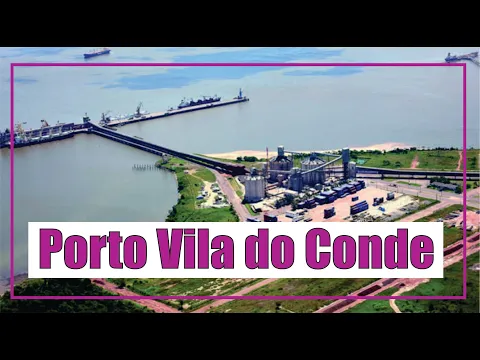
At the same time, Vale has been investing in modernizing the Carajás Railway, with improvements in infrastructure, technology, and sustainability. The implementation of digital systems for cargo monitoring and the adoption of responsible environmental practices reinforce the competitiveness and image of the logistics complex.
These investments ensure that Barcarena continues to grow and establish itself as the largest logistics hub in the North, attracting new businesses and strengthening regional economic development.
Environmental and Social Challenges in Barcarena-PA
Despite its logistical and economic success, Barcarena faces challenges related to environmental sustainability and the social impact of mining and port activities.
The Amazon region requires special care in preserving forests and water resources, demanding that Vale’s and the ports’ operations be accompanied by strict environmental controls. In recent years, programs have been implemented to minimize impacts, such as emission controls, recovery of degraded areas, and continuous monitoring of water quality.
Furthermore, economic development must align with improving the quality of life for the local population, generating jobs, investing in social infrastructure, and professional training.
Barcarena and the Future of the Logistics Hub in Northern Brazil
The growth of Barcarena as the Brazilian Rotterdam signals a promising future for the logistics sector in the North of the country. With international demand for ore increasing and Brazil consolidating itself as a strategic supplier, the infrastructure of the Port of Vila do Conde and the Carajás Railway will become increasingly essential.
Expansion projects and continuous improvements, coupled with a commitment to sustainability, will ensure that Barcarena maintains its leadership and contributes to regional and national development.
The modernization of the logistics hub, diversification of cargo, and multimodal integration are fundamental paths for Barcarena to continue growing in a solid and sustainable manner.
Barcarena: A Logistics Hub of Strategic Value for Brazil
Barcarena, with its integrated port and railway, is today one of the largest examples of efficient multimodal logistics in the country. The combination of the Port of Vila do Conde, the Carajás Railway, and Vale do Rio Doce’s investments positions the city as an indispensable hub for the flow of mineral production from the North.
This logistics complex not only reinforces Brazil’s trade balance but also boosts the local and regional economy, generating thousands of jobs and attracting investments.
The importance of Barcarena as the Brazilian Rotterdam is a symbol of the development potential of the Northern region, showing that, with proper infrastructure and efficient management, it is possible to transform natural wealth into economic and social prosperity.










-

Uma pessoa reagiu a isso.