





 Portuguese
  English
  Spanish
 4 min of reading
  0 comments


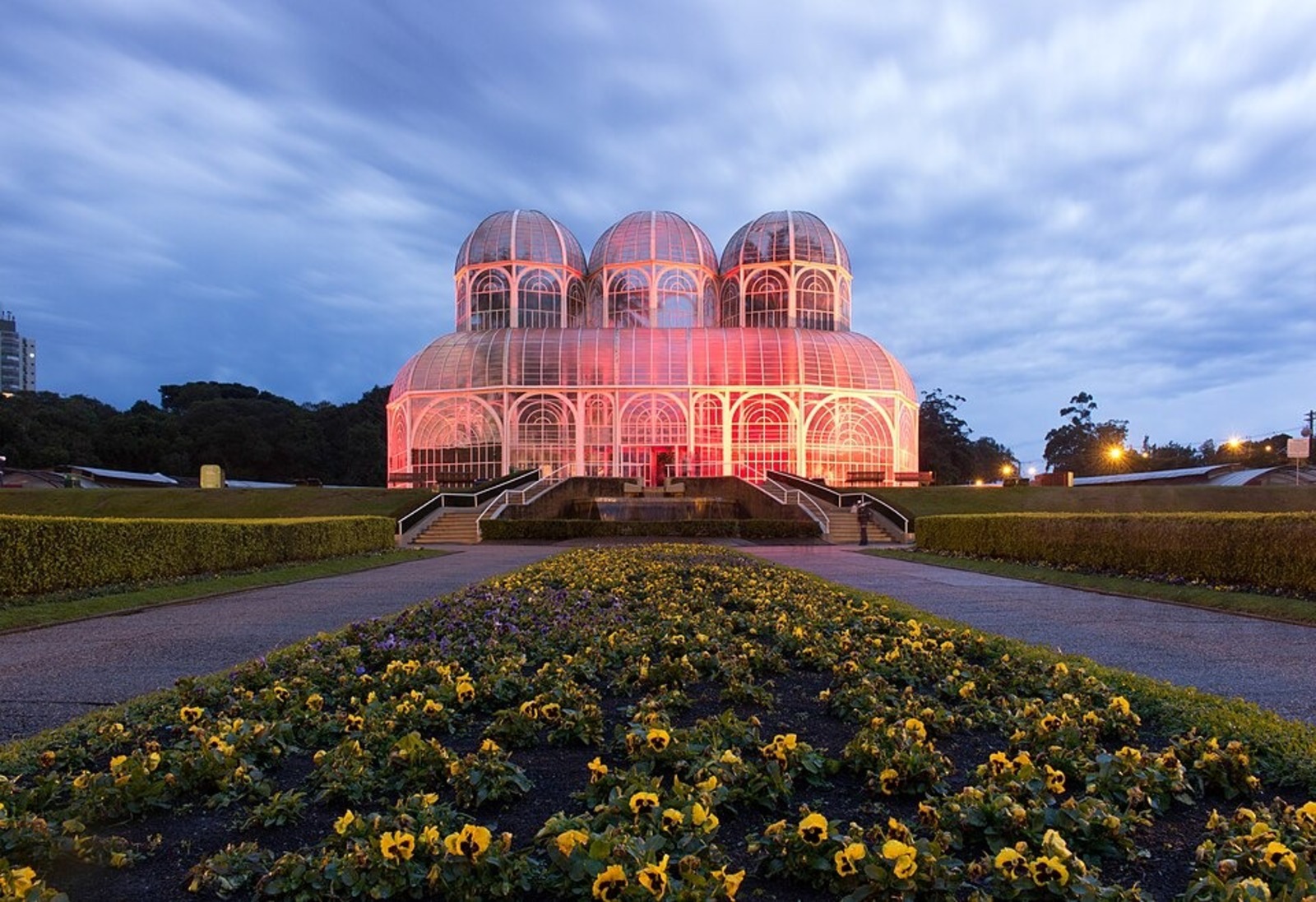
Curitiba Has 64.5 M² of Green Area Per Inhabitant, More Than 30 Parks, a World-Renowned BRT System, and Neighborhoods Adapted to Different Profiles, Creating a Daily Life Characterized by Urban Organization and Stable Services
Considering living in Curitiba means observing a capital recognized for urban organization and a focus on sustainability. The city brings together preserved parks, structured mobility, and elevated social indicators that directly influence the well-being of those who choose this daily life.
Quality of Life Driven by Continuous Planning
The combination of well-executed urban planning and permanent public policies has shaped the local routine over the decades.
The capital stands out with an HDI of 0.823, the highest among Brazilian capitals, in addition to offering a wide range of services and more than 30 parks distributed throughout the territory.
-
End of the 6×1 schedule: how the reduction of hours can affect service companies, industry, and agribusiness.

-
Brazil Ignores Trump’s threats to BRICS, Buys 42 tons of gold and reduces the Dollar’s share by 6.45% in international reserves.

-
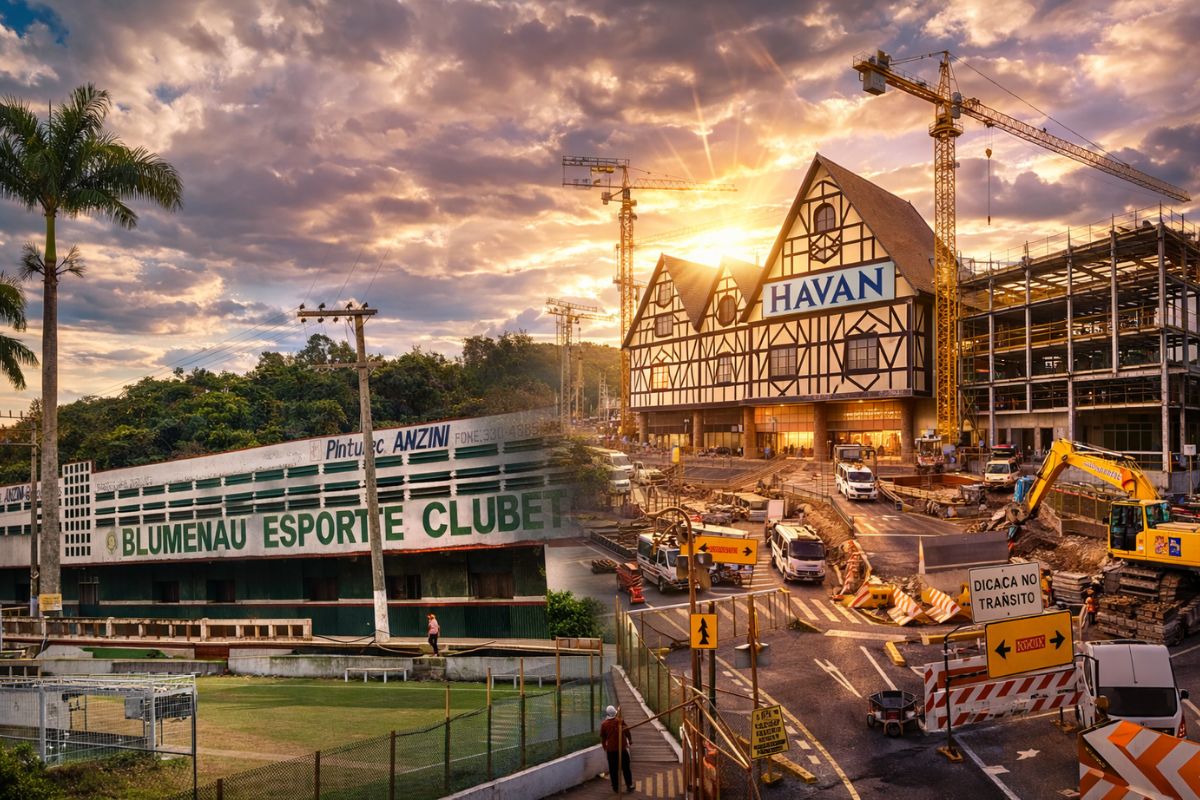
Havan buys historic football land in Blumenau for a million-dollar amount protected by a confidentiality clause and is already planning to change even the layout of streets to build a megastore in half-timbered style costing 80 million reais.
-
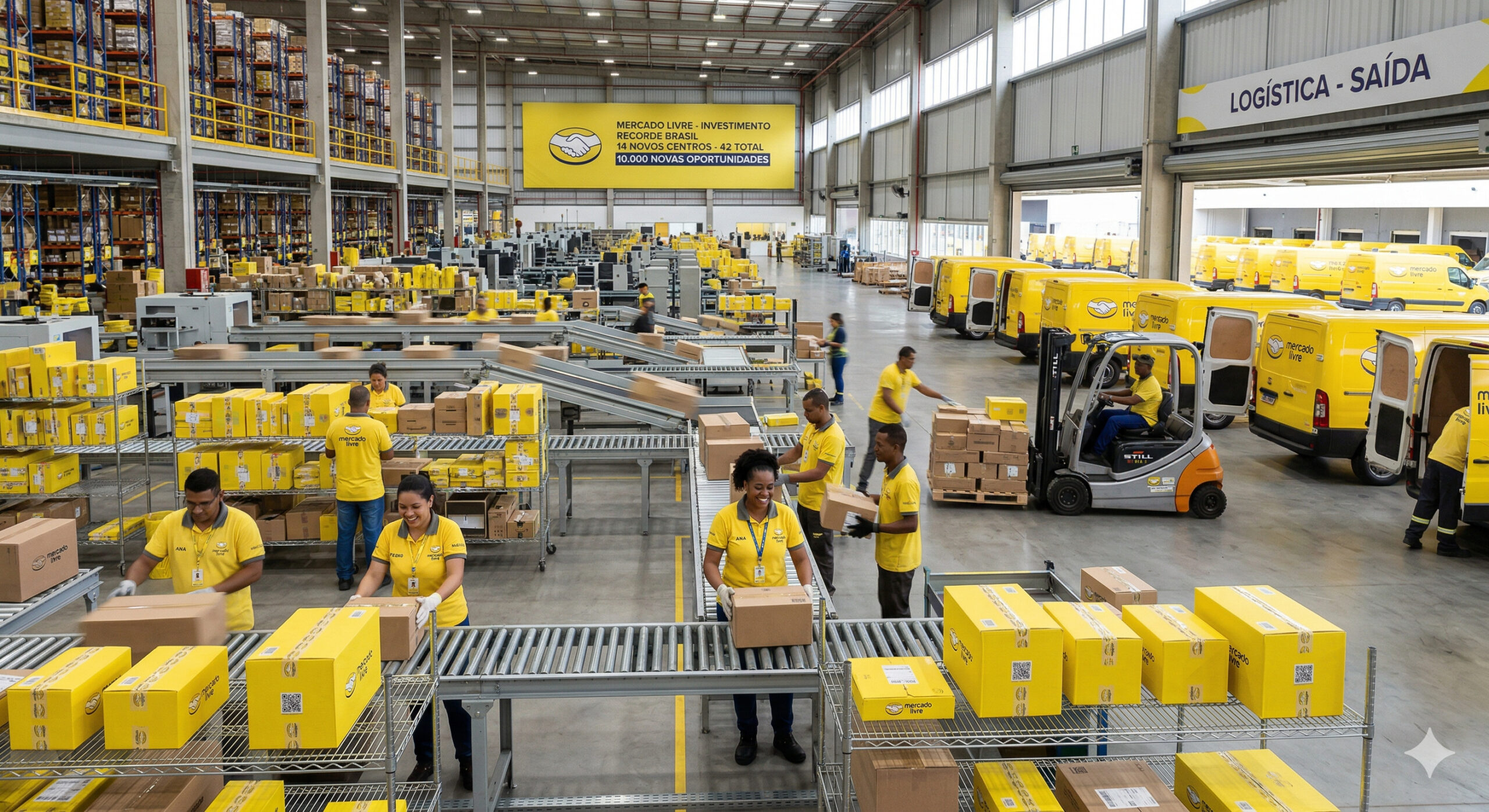
Mercado Livre “opens the vault” and announces a record investment of R$ 57 billion in Brazil in 2026, a value 50% higher than the previous year, with an expansion plan that includes 14 new logistics centers, totaling 42 units in the country and hiring an additional 10,000 employees.

This set of factors is reflected in security, urban cleanliness, and health and education services, which maintain standards higher than the national average. Therefore, many residents cite the feeling of order as a key element of daily life.
The diversified economy reinforces this environment. Curitiba hosts sectors such as technology, automotive industry, and business tourism, creating job opportunities and attracting professionals seeking stability.
Moreover, the mobility system reduces long commutes and improves daily routines.

Neighborhoods That Adapt to Different Profiles
The choice of neighborhood varies according to the needs of each resident. Batel is traditionally associated with high-end condominiums, an active nightlife, and a variety of commerce.
It is a highly sought-after area for those looking for convenience and nearby services.
Ecoville presents another profile. With modern skyscrapers and streets surrounded by greenery, it attracts residents interested in status and proximity to Barigui Park. The area has continuous growth and hosts recent developments.
Families that value traditional environments typically choose Água Verde or Bigorrilho. Both combine tree-lined streets with strong local commerce, creating a calm and accessible atmosphere for daily activities.
Another option is Centro Cívico, ideal for public servants and executives because it concentrates public agencies and facilitates access to different regions of the city.
The neighborhood’s dynamic favors those who depend on quick commutes.
Supplementary Content About the Capital
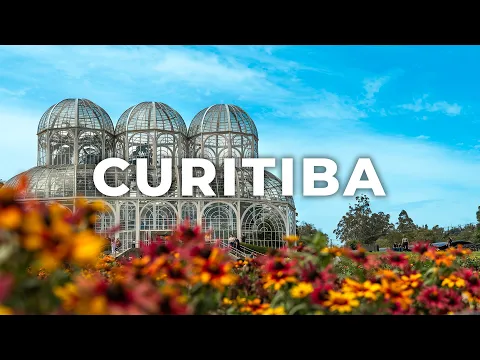
The video selected by the channel Tesouros do Brasil presents an overview of the city. The presenter João Vitor tours Curitiba and highlights organization, culture, and attractions, such as the Botanical Garden and the historic center. The production helps to visualize characteristics mentioned by residents.
Mobility Transformed by Urban Innovation
The work of urban planner Jaime Lerner left a significant legacy. The creation of tube stations and the BRT express bus system has inspired more than 180 municipalities worldwide.
These structures allow for rapid boarding and continuous passenger flow.
The Linha Verde reinforces this logic. The corridor connects neighborhoods, integrates bike paths and leisure areas, and reduces dependence on cars.
This proposal shows how transportation and the environment can walk hand in hand without compromising urban growth.
Additionally, Curitiba maintains 64.5 m² of green area per inhabitant. This index exceeds UN recommendations and reinforces the perception that the capital has transformed natural spaces into an active part of daily life.
The tube stations, known for their functional design, contribute to travel speed. The linear parks also help control flooding and create communal areas, as seen in Barigui Park, one of the most frequented by the population.
Active Culture and Diverse Gastronomy
The city’s cultural scene relies on icons such as the Oscar Niemeyer Museum, known as the Eye Museum.
The space hosts exhibitions and events that attract visitors from various parts of the country. The Ópera de Arame also hosts performances and is an important postcard.
On Sundays, the Feira do Largo da Ordem fills the historic center with crafts, music, and gastronomy.
This activity has become a meeting point and showcases local artistic diversity. Sometimes there are small repeats in the programming, but that is natural for the place.
In gastronomy, Santa Felicidade preserves Italian traditions in restaurants serving pasta and chicken.
In the center, cafes and craft breweries gain space, expanding leisure options. The mix of Polish, German, and Ukrainian influences is reflected in typical dishes and seasonal festivals.
Best Time to Experience the Capital
Curitiba has a subtropical highland climate, with well-defined seasons. The city records the lowest temperatures among Brazilian capitals during the winter.
According to Climatempo, periods between March and June and from September to November offer mild weather.
These months favor outdoor activities, with blooming parks and less occurrence of harsh cold. The data helps residents and tourists plan outings.
The following is a summary of climatic conditions and activity suggestions:
From December to March, hot and rainy days encourage visits to parks and nightlife. From April to June, cool weather pairs well with fairs and cultural events.
Between July and September, cold weather favors festivals and gastronomic tours. From October to November, pleasant temperatures encourage the use of bike paths and visits to the German Woods.
Consolidated Model Capital
Curitiba confirms its reputation as a reference city by combining planning, efficient services, and environmental preservation. Continuous policies allow for stable quality of life and attract new residents every year.
With preserved parks, structured mobility, and constant innovation, the capital demonstrates that development and social responsibility can coexist. This combination reinforces Curitiba’s role as a national and international example.
With information from Tupi.FM.






-

-

7 pessoas reagiram a isso.