





 Portuguese
  English
  Spanish
  4 min of reading
  0 comments


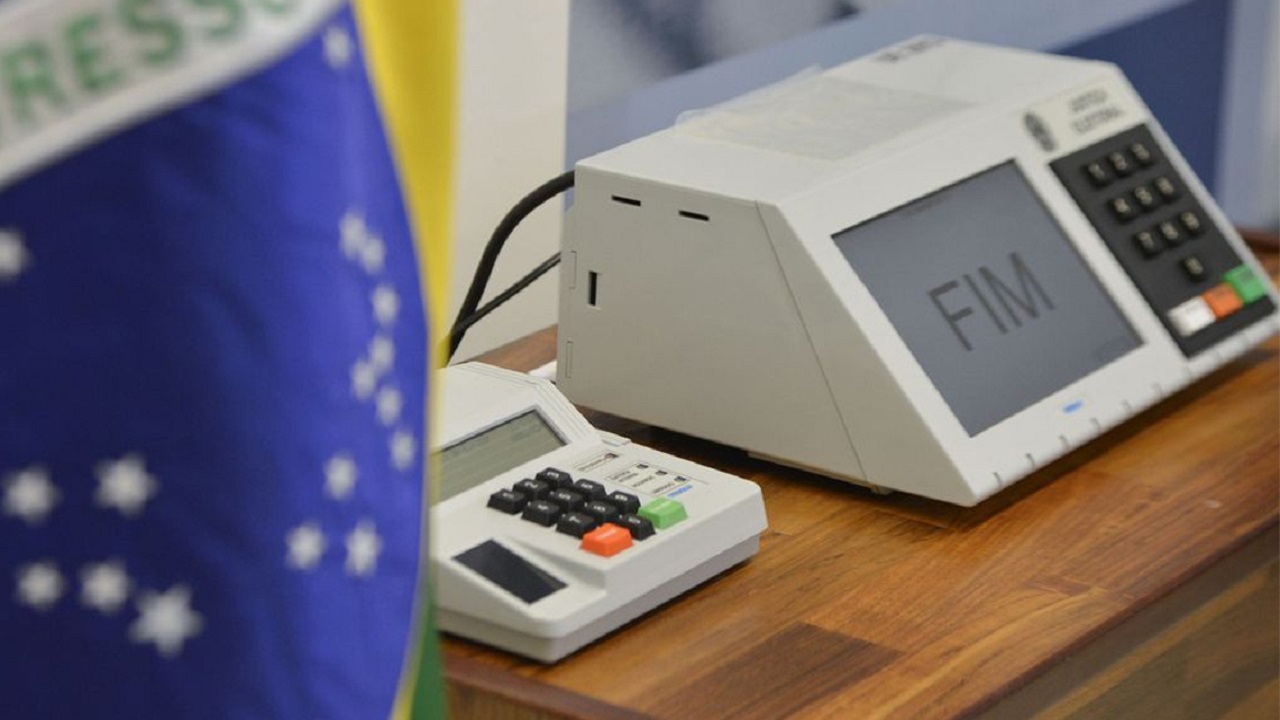
Created in Brazil 29 Years Ago, The Electronic Voting Machine Revolutionized The Electoral System With Secure Technology, Instant Counting, And Global Pioneering — But Still Faces Resistance And Disinformation.
In a country often stigmatized by corruption and bureaucracy, it was precisely Brazil that created one of the most advanced and daring technologies in the history of modern democracy: the electronic voting machine. Since 1996, millions of Brazilians have voted using a 100% computerized system, without the need for paper, with real-time counting and results in a matter of hours — a feat that very few nations have managed to replicate on such a scale.
Yet, 28 years after its adoption, this national invention continues to generate heated debates, conspiracy theories, and mistrust, even within the territory where it was born.
A Brazilian Innovation That Anticipated The Future Of Democracy
The Brazilian electronic voting machine was introduced on an experimental basis in the 1996 elections in some cities, and quickly gained traction until it covered the entire national territory by 2000.
-
With a cost per shot close to zero, the DragonFire laser could change naval warfare in 2027 and provide British ships with nearly unlimited defense against drones.

-
A British startup creates tires that generate electricity in electric vehicles when passing over potholes, speed bumps, and cracks.

-
Scientists have created robots made with living cells that have their own nervous system, swim on their own, explore the environment, and self-organize without any genetic engineering, and now they want to do the same with human cells.

-
Students create a solar-powered ambulance that operates without a plug, without fuel, and still keeps medical equipment running in remote areas.


In a country with over 5,500 municipalities, rural and urban areas, regions without stable electricity, and a functionally illiterate population, the challenge was immense. Yet, Brazil built a fully computerized electoral system before powers like Germany, France, Japan, or the United States.


The equipment was designed to operate offline, without any internet connection, which eliminates the risk of external breaches — one of the pillars of its security.
How Does The Electronic Voting Machine Work?
The operation of the Brazilian electoral technology is simple on the surface but complex and robust behind the scenes:
- The voter enters the numbers of their candidates.
- The voting machine registers the votes encrypted on a physical media (flash card).
- At the end of voting, a Voting Machine Report (VMR) is printed with all counted votes.
- These data are physically taken to a secure transmission location.
- Counting is done centrally by the TSE, which uses algorithms to cross-reference and validate the information with the printed reports.

The entire process is monitored by audits, seals, public security tests, and oversight by political parties, the OAB, the Public Ministry, and international observers.
One Of The Safest — And Least Understood — Technologies
Despite operating for almost three decades without proven fraud, the electronic voting machine is still the target of disinformation. Part of this is due to its invisible nature — as there are no visible paper ballots, many people still believe that there is no way to audit the votes.
What few know is that:
- All voting machines print reports identical to the digital records.
- These reports are posted at polling places and can be manually verified by anyone.
- The TSE conducts public security tests, inviting hackers, experts, and universities to try to breach the system — with almost always nil results.
Furthermore, the source code of the electronic voting machine is open for prior inspection months before the election, and the main parties have access for independent auditing.
Why Has The World Not Adopted The Brazilian Electronic Voting Machine?
This is one of the greatest paradoxes of Brazilian innovation. The Brazilian electronic voting machine is more modern and secure than those used in the United States, where punched ballots, scanners, and manual counts are still utilized.
And yet, only a few countries have adopted similar models, such as Paraguay, Bhutan, and India — none of which have reached the same level of computerization as Brazil.
The reason goes beyond technicalities. The Brazilian model requires infrastructure, institutional trust, and a legal and logistical ecosystem that ensures the integrity of the system. In polarized countries or those with weak judicial systems, the adoption of a paperless voting machine often generates more noise than benefits.
Even here, where the technology was created, trust in the system faces cyclical attacks, especially during intense electoral periods.
A Symbol Of Advancement — And Division
The electronic voting machine represents more than just technology. It is, at the same time, a symbol of democratic advancement and an object of political attacks.
Brazil dared to create a system that prevents endless recounts, fraud with ballots, stolen voting machines, or “disappeared” votes. But it still has not fully convinced its own population of the brilliance of the project.
In a world where disinformation, deep fakes, and artificial intelligence fuel increasingly dangerous doubts, the Brazilian electoral technology remains an international benchmark — but with a warning: no innovation survives if collective trust is eroded.










-

Uma pessoa reagiu a isso.