





 Portuguese
  English
  Spanish
  5 min of reading
  0 comments


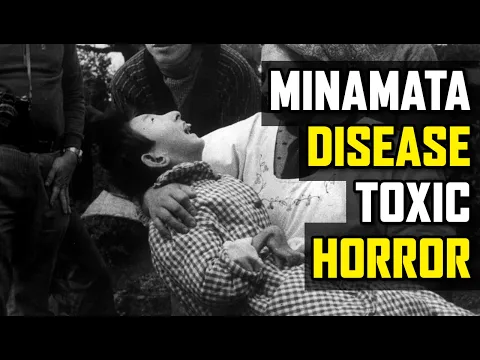
During Decades, Industrial Mercury Discharges in a Japanese River Caused Mass Contamination, Thousands of Victims, and Permanently Changed Global Environmental Legislation.
This is not an isolated accident, nor a one-time leak. What happened in the Minamata Bay region of Japan was a continuous process of environmental contamination that spanned over three decades and transformed an entire ecosystem into a tragic laboratory of large-scale human poisoning. The episode became so emblematic that it named a globally recognized medical condition: Minamata Disease.
Located on the island of Kyushu, Minamata Bay was, until the mid-20th century, a region heavily dependent on artisanal fishing. Fish were a staple food, economic, and cultural resource for the local population. It was precisely this dependency that transformed the invisible discharge of industrial waste into one of the largest public health crises ever recorded.
How Mercury Entered the Water System and Why No One Noticed
The origin of the contamination is linked to the activities of Chisso Corporation, which operated a chemical factory in the region since the 1930s. During the process of producing acetaldehyde and other chemical compounds, waste containing methylmercury was discharged directly into the waterways that flowed into the bay.
-
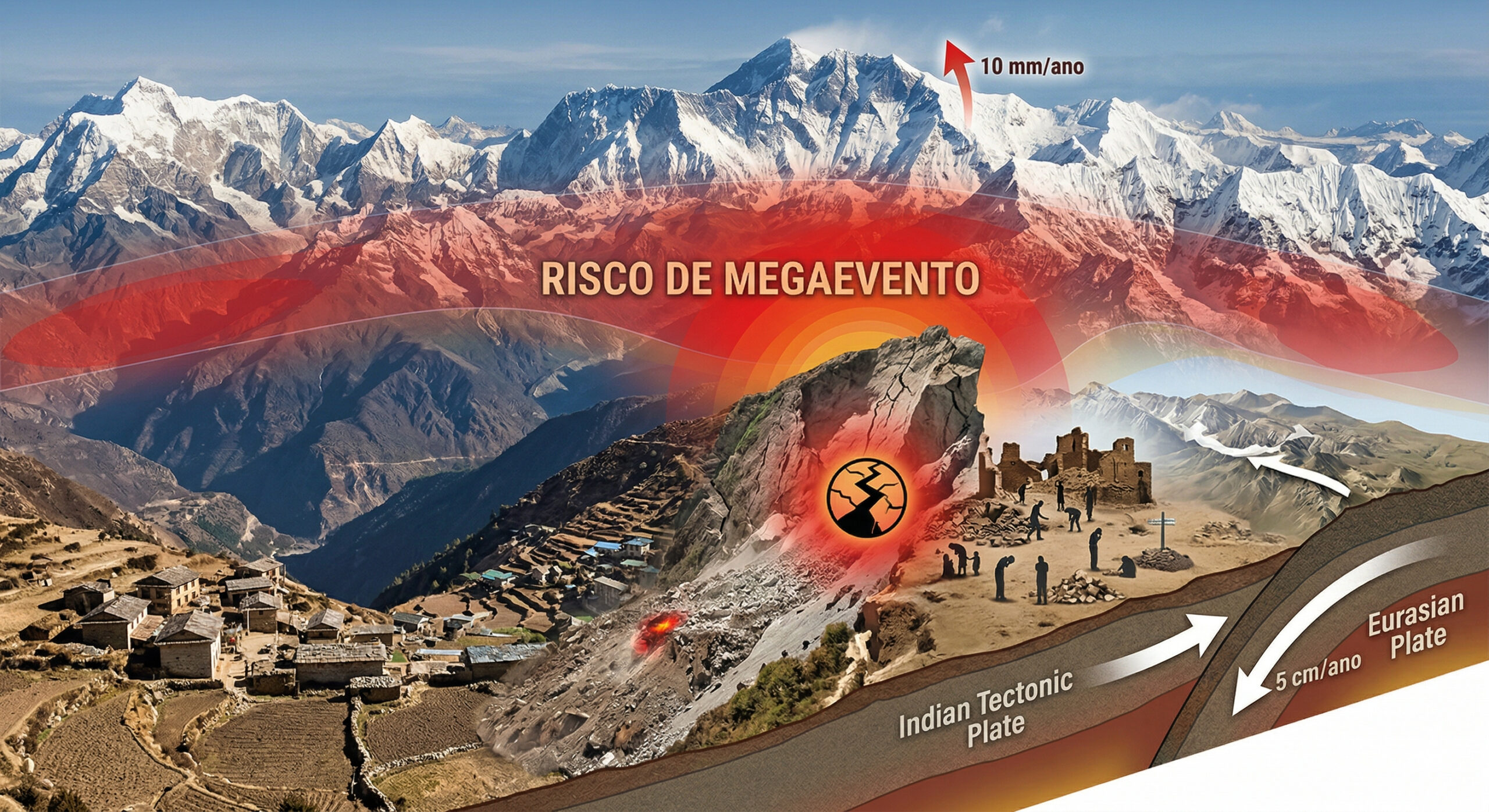
The Himalayas continue to grow to this day, with tectonic plates advancing 5 cm per year, mountains rising up to 10 mm annually, and the 2015 earthquake that killed 9,000 people may have increased the risk of an even larger seismic mega-event.
-
At an altitude of 400 km by astronauts from the International Space Station, Paris transforms at night into a golden mesh so precise that it reveals the outline of the Seine River, avenues, and entire neighborhoods like a luminous map drawn over the Earth.

-
iPhone 17 reaches historic low price with 256 GB, 120 Hz display, and drops to R$ 5,703 on Shopee, featuring A19 chip, dual 48 MP cameras, battery life of up to 30 hours, and advanced AI features.

-
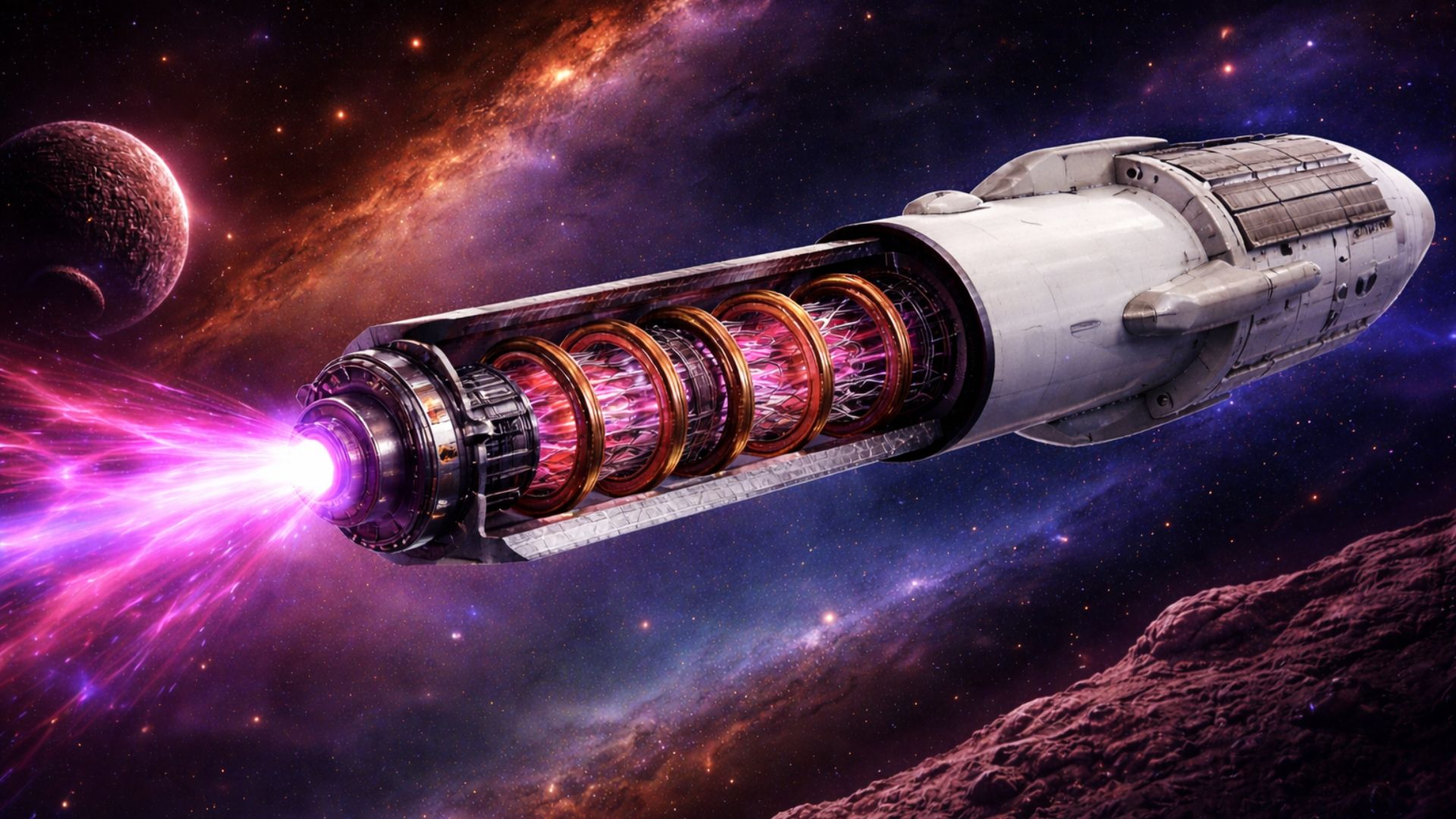
Trip to Mars getting closer: Pulsar Fusion, from the UK, advances with plasma ignition in fusion engine and could drastically reduce space travel time, making crewed missions faster, safer, and economically viable.


The critical point is that methylmercury does not behave like a common pollutant. It does not dilute quickly nor settle in an inert manner. It is a highly bioaccumulative compound. This means that it progressively concentrates in the tissues of living organisms, increasing in level as it moves up the food chain.
Small aquatic organisms absorbed the mercury. Smaller fish fed on them. Larger fish accumulated even higher concentrations. When the residents consumed these fish daily, the poison was already present in extremely high doses, even without altering the smell, taste, or appearance of the food.
The First Signs: Animals Going Mad Before Humans
Before the effects were fully recognized in people, signs appeared in the local fauna. Cats began to exhibit erratic behaviors, seizures, and loss of coordination, a phenomenon that became known as “the dance of the cats.” Birds dropped dead from the sky. Fish floated in large quantities.
At the time, these events were treated as isolated curiosities or natural problems. The link to the chemical industry took years to be accepted, even with growing evidence.
Minamata Disease and Mass Neurological Collapse
In humans, the effects were devastating. Methylmercury poisoning directly attacks the central nervous system. The first symptoms included numbness in the hands and feet, motor difficulties, tunnel vision, and loss of coordination. In more severe cases, seizures, paralysis, loss of speech, and death occurred.
According to data compiled by Japanese health authorities and studies published in medical journals such as The Lancet, thousands of people were officially recognized as direct victims of Minamata Disease. Independent estimates indicate that the actual number of affected individuals may be much higher, considering undiagnosed cases, underreporting, and transgenerational impacts.
One of the most shocking aspects was the occurrence of congenital malformations in babies whose mothers consumed contaminated fish during pregnancy. Children were born with severe neurological damage, even when their mothers showed few or no apparent symptoms.
Decades of Denial, Litigation Conflicts, and Delayed Response
Despite the scientific evidence accumulated throughout the 1950s, the official recognition of industrial responsibility was slow. The company involved denied for years the connection between its effluents and the disease, while local and national authorities hesitated to confront one of the economic pillars of the region.

Only by the end of the 1960s did the Japanese government officially recognize industrial mercury as the cause of Minamata Disease. This delay had profound consequences: the longer the discharge continued, the larger the contaminated area and the number of victims.
Litigations dragged on for decades. Compensation, settlements, and compensation programs were created, but even today the episode is cited as an example of systemic failure in environmental protection and public health advocacy.
Persistent Environmental Impact and Sediment Contamination
Even after the discharges ended, mercury remained in the sediments at the bottom of the bay. Environmental studies demonstrated that tons of contaminated sludge needed to be dredged and isolated to prevent the metal from continuing to enter the food chain.
The cleanup of the area took years and involved containment works, controlled landfills, and continuous monitoring of water, fish, and soil. The economic cost was enormous, but the human cost was irreversible.
Why Minamata Became a Global Benchmark
The Japanese case transcended borders and began to be studied internationally by organizations such as the World Health Organization. It directly influenced the creation of environmental treaties, culminating decades later in the Minamata Convention on Mercury, signed by more than 140 countries to restrict the use and disposal of this heavy metal worldwide.
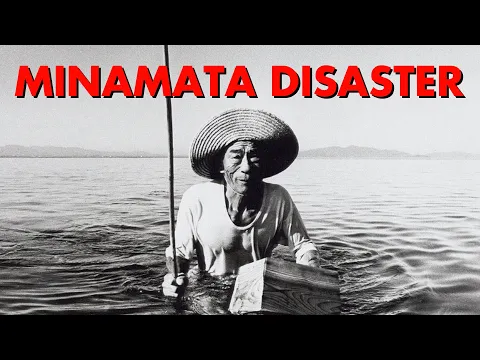
The tragedy also redefined how industrial risks are assessed. Before Minamata, many contaminants were analyzed only for their immediate effects. The episode showed that substances can cause profound, silent, and cumulative damage over time.
A River That Changed the Relationship Between Industry, Science, and Society
What happened in Minamata Bay was not just an environmental disaster, but a watershed moment in the history of public health and industrial regulation. It exposed how the combination of continuous chemical discharge, local economic dependency, and political delay can result in human catastrophes of historical scale.
Today, the name Minamata represents not only a geographical location in Japan but a permanent warning about the limits of uncontrolled industrialization, the importance of independent science, and the price entire communities can pay when contamination becomes invisible yet lethal.
And the question that remains, decades later, is inevitable: how many other rivers around the world have carried – or still carry – silent poisons before anyone notices?








-

-

-

5 pessoas reagiram a isso.