





 Portuguese
  English
  Spanish
  5 min of reading
  0 comments


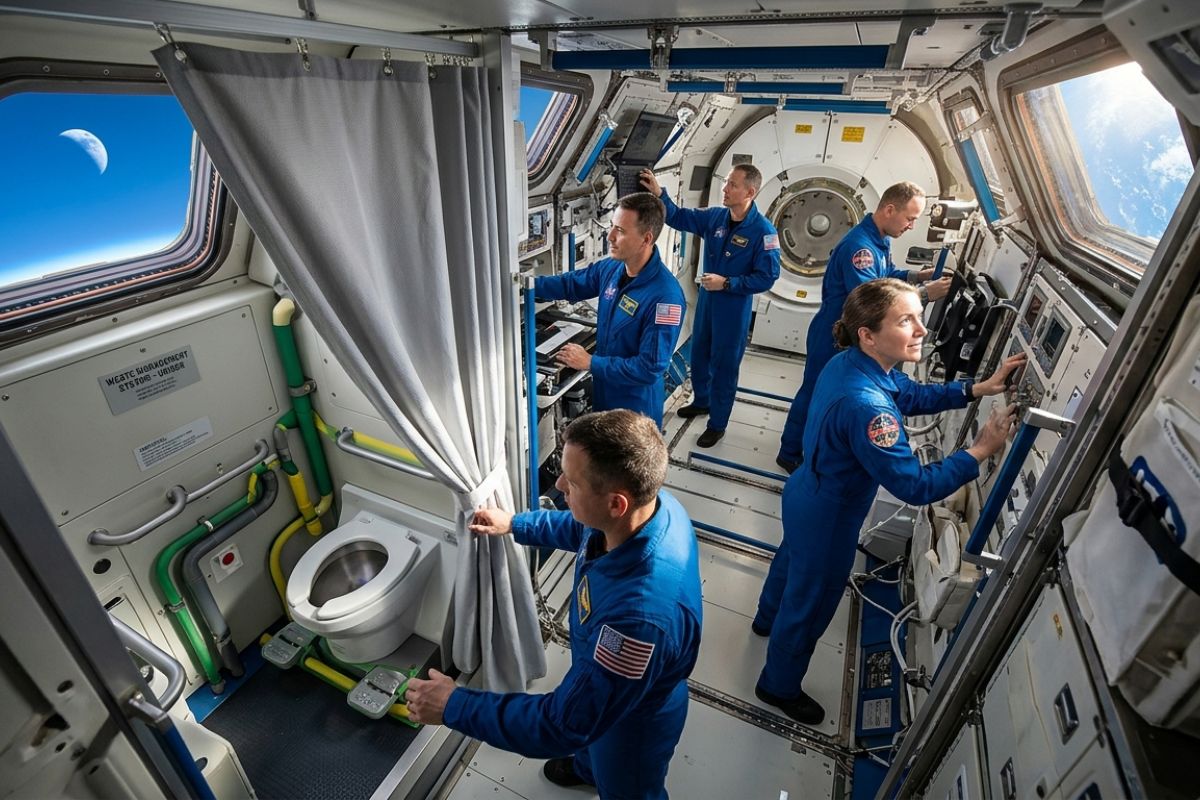
Artemis II will fly over the moon with four astronauts on a 10-day journey and will have a private bathroom with a curtain, an adapted system for men and women, and a level of comfort nonexistent in Apollo missions
Artemis II is set to take the Orion capsule around the Moon on a crewed mission that marks humanity’s return to our natural satellite after more than 50 years. If all goes well, the launch could occur on April 1st, with four astronauts on board and a journey of about 10 days, the highlight of which will be the lunar flyby.
During this week and a half, the crew will need to deal with the basics of the human body in microgravity. This is where Artemis II draws attention for a detail that seems simple but reveals much about technological evolution: for the first time, a lunar flight will have a bathroom with privacy and a system designed to accommodate both men and women, something that never existed during the Apollo era.
A mission around the Moon that changes the daily routine on board
Artemis II will not land on the Moon, but it is expected to perform a flyby that reinstates crewed exploration at a level that Apollo opened and that remained unreplicated for decades.
-
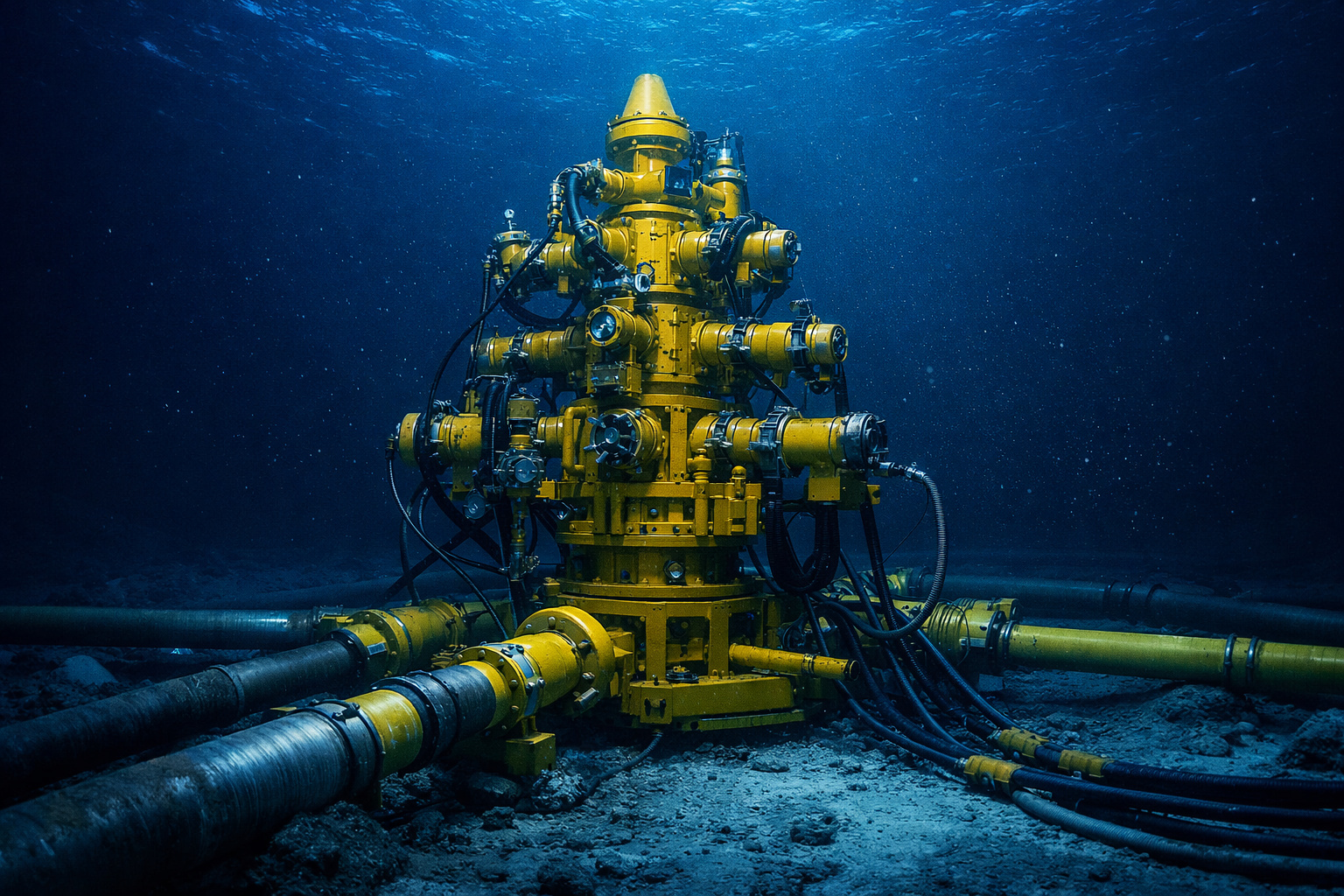
Giant structures on the seabed precisely control oil and reveal how high-tech underwater valves work.
-
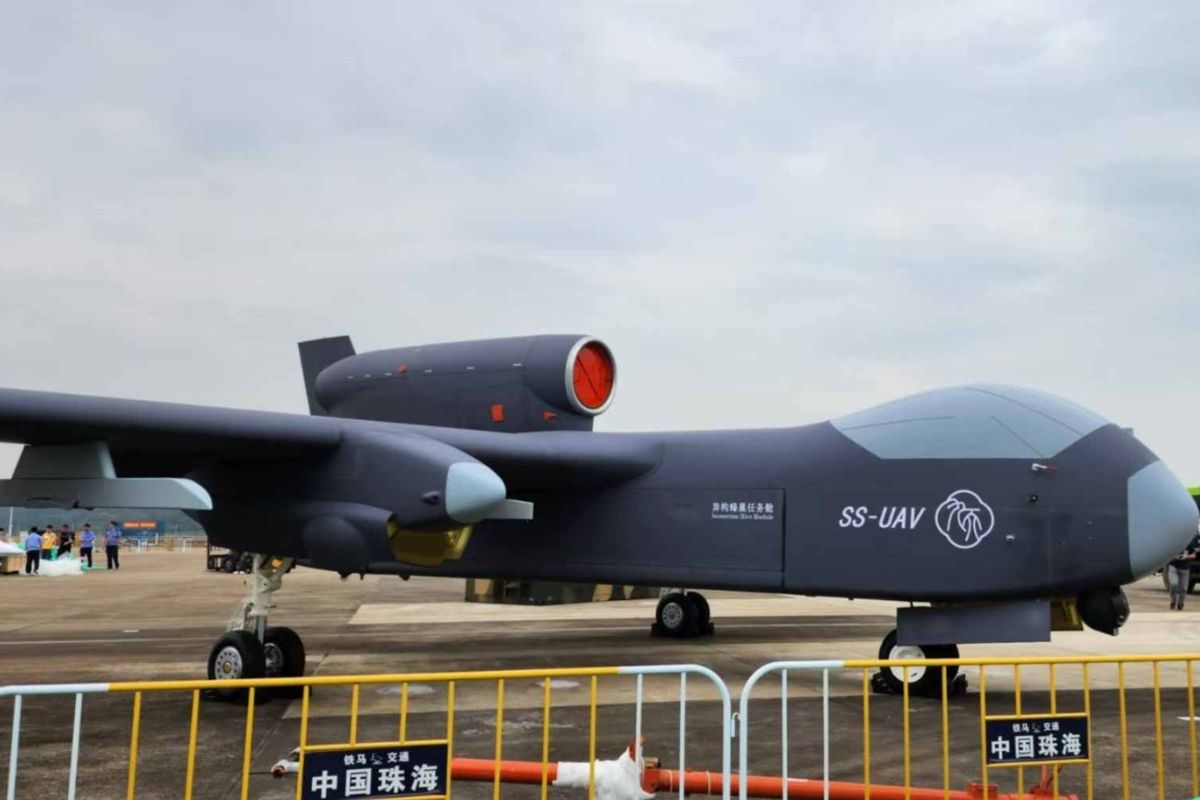
China has just tested a giant drone the size of a fighter jet with a wingspan of 25 meters that carries 6 tons, flies for 12 hours, and the most frightening part: it can launch entire swarms of smaller drones directly from the air.
-
In the center of the Milky Way, there is a sleeping monster with a mass of 4 million suns, and NASA has already set the date for its awakening: in 2 billion years, a neighboring galaxy will collide with ours and feed it with fresh gas.

-
The Earth has just broken a record that almost no one noticed: the planet is retaining more heat than ever, and the UN warns that this invisible “thermal debt” could trigger heatwaves, storms, and coastal flooding for centuries.


The Orion capsule is small, the internal space is limited, and every movement is calculated, but the design considers that comfort is also part of safety.
In this context, the daily routine becomes engineering. Food, hygiene, and physiological needs cease to be details and become systems, procedures, and design decisions that affect performance, health, and even the viability of longer missions in the future.
How it was to use the bathroom in the Apollo era and why it became a real problem
Between Apollo 10 in 1969 and Apollo 17 in 1972, 12 astronauts traveled to the Moon with extremely rudimentary hygiene resources. Personal supplies consisted of wet wipes, and using the bathroom was a task that consumed time, concentration, and tolerance.

To urinate, astronauts used condom-like devices, changed daily. For defecation, they had to connect to a bag with a kind of hose, a method that was not efficient and had frequent leaks. Additionally, there was no adaptation for female anatomy, as all crews were male.
The feces system included a bag that attached to the buttocks, resembling a diaper, with a compartment for hands and toilet paper. Even so, leaks were possible. There is even a record of an Apollo 10 astronaut asking for a napkin to collect a piece of feces that was floating inside the cabin, a direct illustration of how microgravity made everything more difficult.
Why microgravity and water make hygiene a technical challenge
Using the bathroom in space has two basic difficulties. The first is microgravity, which prevents what should fall by weight from simply falling. What is released can float, and this completely changes the logic of collection and containment.
The second is water. Carrying too much water creates excess weight, and in microgravity, water can move freely, wetting surfaces and damaging equipment inside a small capsule like Orion.
Therefore, water consumption needs to be minimal, and systems must circumvent microgravity with mechanical solutions and airflow.
The bathroom of the Artemis II inside the Orion capsule
In Artemis II, the bathroom system of the Orion is described as similar to that used on the International Space Station, focusing on control and isolation. Urine is collected in a container through a hose connected to a funnel, and the flow is managed with an air suction system.
Each astronaut will have their own hose, and since the crew includes three men and one woman, the system has been designed to accommodate both male and female anatomy as needed. This adaptation represents a historic change, as there was no solution aimed at women during the Apollo missions.
The most symbolic point is privacy. The Orion will have a curtain that can be removed if more space is needed and a door in the floor of the capsule that helps ensure isolation during bathroom use. Compared to Apollo, where there was no privacy at all, the difference is direct and profound.
Where do urine and feces go on a mission like Artemis II
Artemis II also highlights how the destination of waste is part of the design. After being collected, urine is released into space. Feces are collected by suction and stored in sealed bags, which return to Earth on the way back.
This reduces the risk of internal contamination, improves the on-board experience, and prevents odors and particles from circulating in the cabin. Isolation is not superficial comfort; it is environmental control, something crucial in a compact capsule.
Hygiene with minimal water and routines designed for a small capsule
In addition to the bathroom, Artemis II provides practical solutions for personal hygiene. Astronauts are expected to use liquid soap and no-rinse shampoo, with minimal amounts of water that can be dried immediately with towels.
This type of routine reduces the risk of loose water in the cabin and keeps the environment functional without compromising equipment. It is a refined survival strategy, built on the experience accumulated since the Apollo era.
What the comfort of Artemis II reveals about the future of exploration
The comparison with Apollo does not diminish the historic achievement of the old missions but makes the context clear. Apollo operated with extreme limitations, improvisation at some points, and a high human cost for basic tasks.
Artemis II exposes how, decades later, the priority has shifted from merely getting close to the Moon to including sustainability, mission repetition, and living conditions on board.
In other words, comfort here is technological maturity. When the mission is 10 days long and paves the way for longer flights, the basics need to function with predictability, privacy, and safety.
And what do you think, is this leap in comfort in Artemis II just a curious detail or a sign that lunar exploration has entered a new, more sustainable phase?



Seja o primeiro a reagir!