





 Portuguese
  English
  Spanish
  2 min of reading
  0 comments


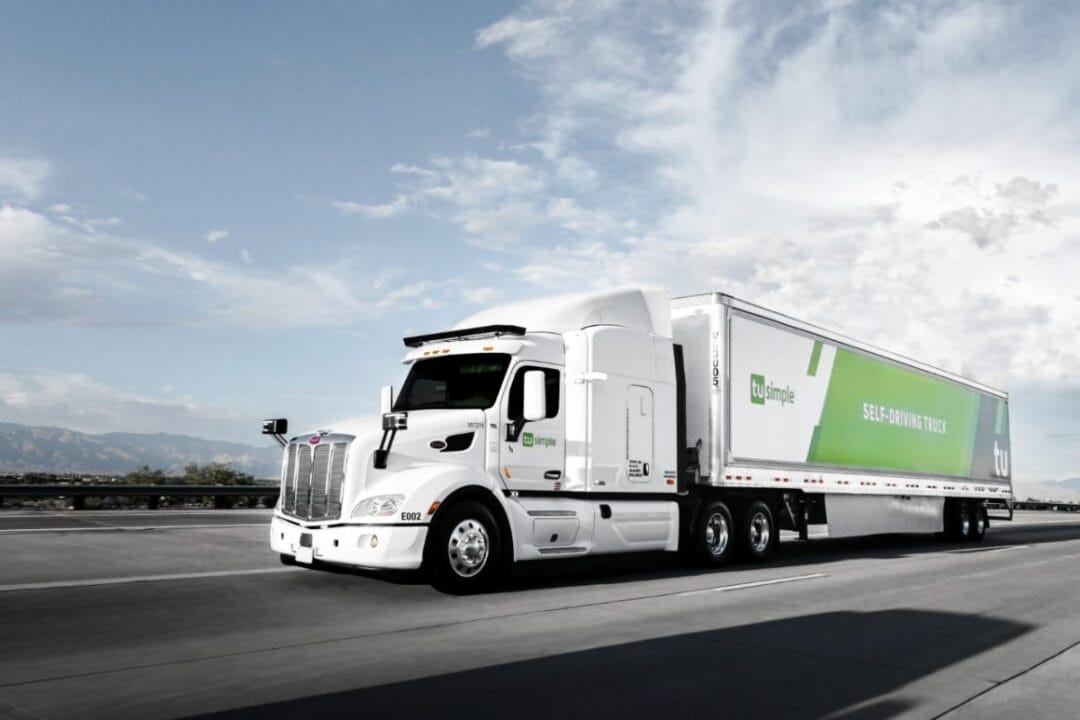
The rise of autonomous trucks has been a significant revolution in the road transport sector, promising to redefine logistics and the efficiency of supply chains. These vehicles, equipped with advanced automation technologies, represent a substantial shift in how goods are moved from one point to another.
The autonomous trucks, powered by artificial intelligence systems and advanced sensors, have the potential to significantly improve safety on the roads and reduce operational costs. The ability to operate without the need for a human driver not only eliminates fatigue-related factors but also enables continuous operations, increasing transportation efficiency.
The technology behind autonomous trucks includes computer vision systems, radar, lidar, and advanced machine learning algorithms. These components work together to allow the vehicle to navigate accurately, avoid obstacles, and maintain a safe distance from other vehicles on the road.
-
Honda performs miracles in fuel consumption with a hatch that marks 13.2 km/l in the city and 15 km/l on the highway, leaving Polo, HB20, 208, and Onix behind and becoming a reference among compact cars without resorting to turbo or hybrid systems.

-
Six diseases that seem common but can prevent the renewal of the driver’s license for the elderly throughout Brazil and surprise experienced drivers — could any of them affect you without showing clear signs?

-
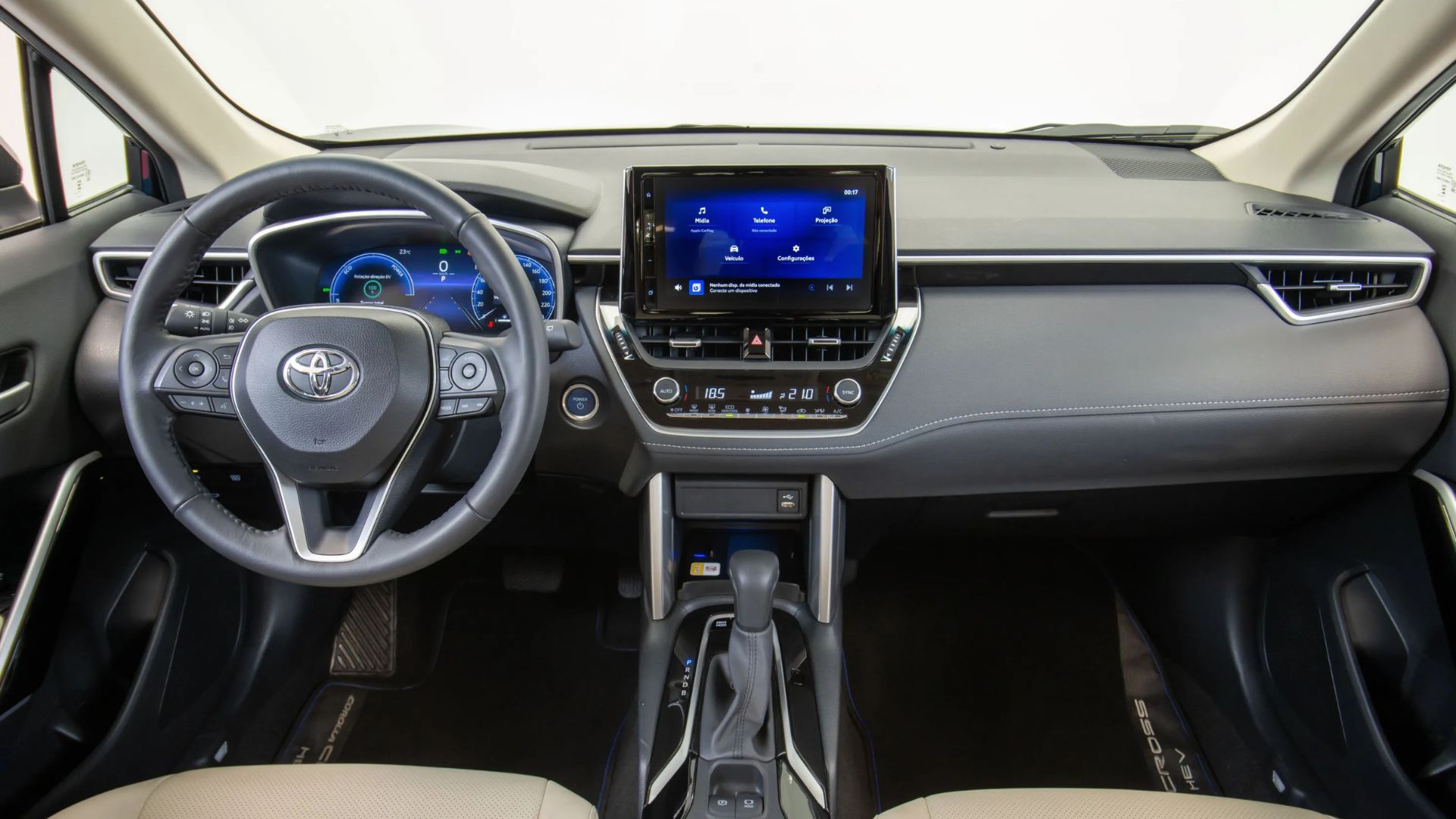
With 122 hp, fuel consumption of up to 17.7 km/l, and a trunk capacity of 440 liters, this hybrid SUV impresses even though it costs up to R$ 47,000 more than the Yaris — meet the Toyota Corolla Cross.
-
600 km with three Chinese plug-in SUVs, same mode and air conditioning on: Jaecoo 7, BYD Song Plus, and Haval H6 hit the road, and the pump reveals who was truly the most economical.


Challenges of Autonomous Trucks
In addition to the safety and efficiency benefits, autonomous trucks have the potential to positively impact environmental sustainability. Route optimization, efficient driving, and reduced fuel consumption can contribute to lowering the carbon emissions associated with freight transport.
However, the large-scale adoption of these vehicles faces challenges, including regulatory issues, public acceptance, and the need for adapted infrastructure. As the technology continues to evolve, it is essential for regulators, companies, and society at large to collaborate in developing standards and guidelines that ensure the safety and effectiveness of autonomous trucks.
In summary, autonomous trucks are indeed shaping the future of road transport, promising a revolution in efficiency, safety, and sustainability. As this technology advances, it is likely that we will witness a radical transformation in the landscape of freight transport.








Seja o primeiro a reagir!