





 Portuguese
  English
  Spanish
  4 min of reading
  1 comment


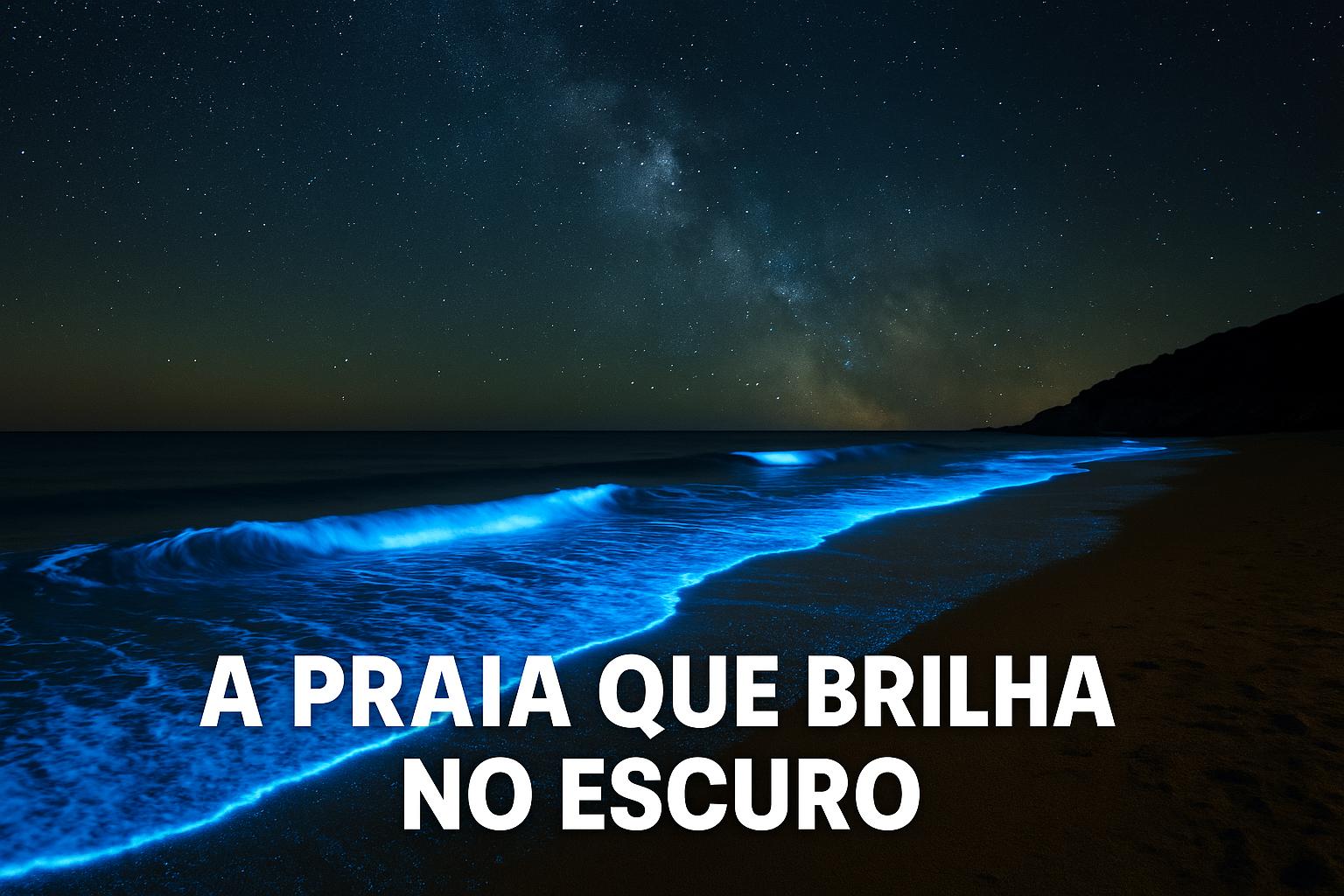


At Night, The Sea of This Beach Sparkles Like A Starry Sky. A Real Phenomenon Caused By Bioluminescent Dinoflagellates Transforms The Ocean of Vaadhoo Beach in The Maldives Into A Living Light Show.
At first glance, it looks like a scene from a science fiction movie: a sea glowing in deep blue tones, as if each wave carried tiny moving stars. But the spectacle is real and occurs in one of the most fascinating places on the planet — Vaadhoo Beach in the Maldives, where the ocean literally lights up at night, creating a setting so magical that it has been dubbed “sea of stars”.
This natural phenomenon is caused by bioluminescent microorganisms called dinoflagellates, especially the species Noctiluca scintillans. Invisible during the day, they emit light when disturbed by waves or human touch in the water. The result is a neon-blue light explosion that transforms the sea into a spectacle of living energy.
The Chemistry of The Natural Light of The Beach That Glows in The Dark
Bioluminescence is the same chemical process that makes fireflies glow. Inside dinoflagellates, an enzyme called luciferase reacts with a molecule called luciferin and with the oxygen in the water, producing cold light without heat and without flame. With each movement, millions of these microscopic beings release luminescent energy simultaneously, creating the effect of a sparkling ocean.
-
The largest fortress on the planet is located in a city with 10 km star-shaped walls, 300 hectares protected, an aqueduct with 843 arches and 7 km long, strategic forts, and a UNESCO title that intrigues specialists.

-
USS Gerald R. Ford: the floating city of $13 billion where 5,000 sailors serve 17,000 meals a day, sleep in stacked bunks, take 10-liter showers, and keep 75 fighter jets ready.

-
Spain surprises the world by erecting 62 artificial dunes, mixing sand with natural remains of posidonia, and causing the structure to lose only 1.4% of its volume in 1 year.
-
Meta and YouTube condemned for addiction to social media: ruling links the operation of the platforms to the worsening of anxiety and depression.

The glow is not constant; it appears when there is mechanical disturbance, such as the impact of waves on the sand, the swimming of a fish, or the touch of a human hand. From afar, the spectacle looks like an inverted reflection of the sky, where the stars seem to have fallen into the sea.
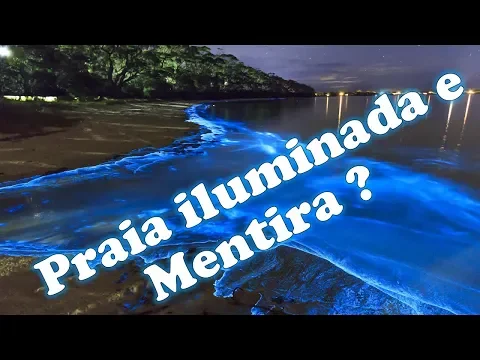

According to marine biologist Dr. Richard Thompson from the University of Plymouth, “the phenomenon is a form of defense. Dinoflagellates glow to scare off predators and confuse them, creating the most beautiful and surreal visual effect in nature.”
Where The Sea Turns Into The Sky: Vaadhoo Beach
Although bioluminescence occurs in various parts of the world — such as the Philippines, Vietnam, and Puerto Rico — the most famous case is that of Vaadhoo Beach in the Maldives. The location gained worldwide fame after photos taken by tourists went viral on social media and appeared in magazines like National Geographic and BBC Travel.
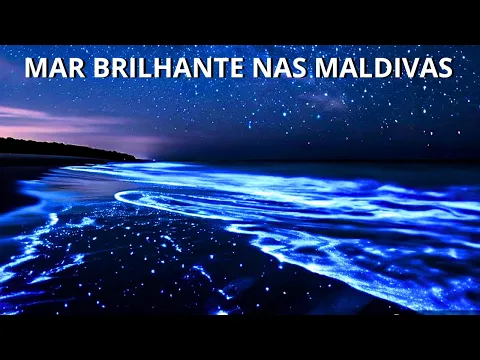
During the darkest nights and calm seas, the waves of the beach shine so brightly that they reflect on the wet sand, leaving glowing trails with each step. It is possible to see the glow spreading along the coast as the wind moves, creating what many describe as “a blue carpet of living energy.”
The locals call the phenomenon “Sea of Stars”, and the ideal time to observe it is between May and December, when the water temperature and nutrient concentration favor the multiplication of microorganisms.
A Spectacle That Challenges The Human Gaze
Seeing the sea glow under the night sky is a transformative experience. Many visitors report feeling that they are witnessing something almost spiritual. Australian tourist Megan O’Donnell, in an interview with the BBC, described the moment as “the most beautiful sight of my life — it felt like walking on a liquid universe.”
Professional photographers travel from all over the world to capture the phenomenon, but capturing it is a challenge. The glow is faint and intermittent, requiring long photographic exposures and absolute silence for the natural light of the dinoflagellates to stand out.
Besides Vaadhoo, other beaches also display this spectacle, such as Mosquito Bay in Puerto Rico and Halong Bay in Vietnam. But none offer the same contrast between the translucent sea and the unpolluted night sky of the Maldives.
Beauty That Depends on Environmental Balance
Despite its magical appearance, the phenomenon is extremely sensitive. Increased pollution and global warming have altered the distribution of dinoflagellates.
According to studies published by NASA Earth Observatory, bioluminescence depends on stable environmental conditions — water temperature, salinity, and presence of natural nutrients.
In some regions, the excess nutrients discharged by human activities create “red tides”, where the same microorganisms proliferate excessively and become toxic, affecting marine fauna. What is light and beauty in a balanced environment can turn destructive when nature is pushed to the limit.
For this reason, local authorities and environmental organizations in the Maldives constantly monitor the waters of Vaadhoo. Tourism is controlled, with guided night visits and restrictions to prevent contamination of the beach by artificial light or chemicals.
A Reminder of The Power of Nature
The “sea of stars” is more than a visual spectacle; it is a living proof of how nature combines science, art, and mystery into one phenomenon.
Each glowing wave is the result of millions of chemical reactions, invisible to the human eye, but capable of transforming darkness into beauty.
While many associate the glow of the ocean with magic, scientists see it as a powerful reminder that microscopic life sustains the balance of the planet. And, paradoxically, it is in this fleeting glow that lasts seconds before disappearing — that nature reveals its most enduring strength: the ability to surprise.








Aqui no Brasil na cidade de Ubatuba – SP também acontece esse fenômeno, tem a época certa !