





 Portuguese
  English
  Spanish
  6 min of reading
  0 comments


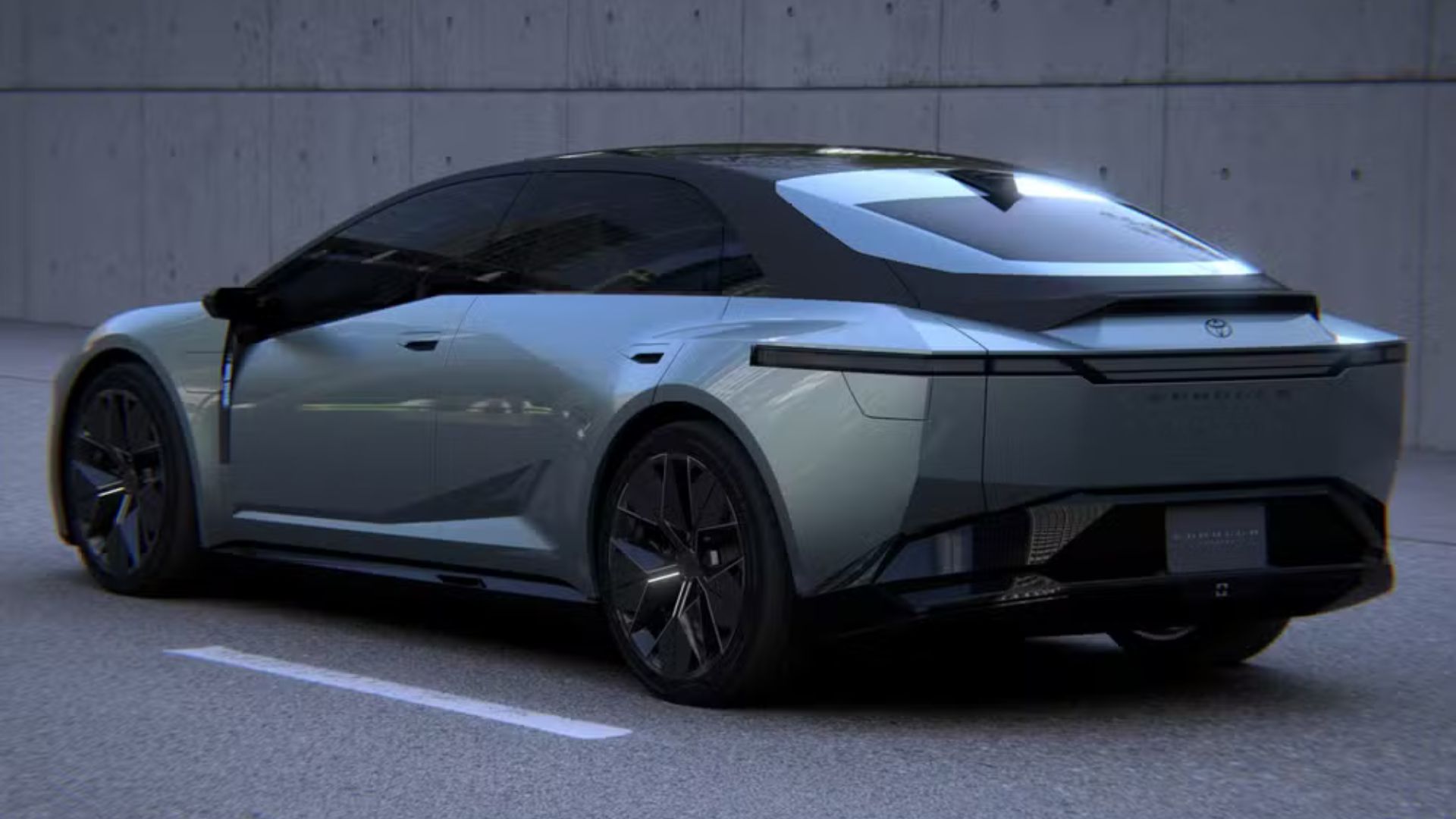
Global flexible strategy, new engines in development, and deep visual changes place the next generation of the Toyota Corolla at the center of the brand’s energy transition, promising greater efficiency and adaptation to different markets around the world.
The next generation of the Toyota Corolla advances surrounded by a change of course that the automaker has been publicly advocating: instead of betting on a single solution, the brand is preparing different propulsion combinations to meet markets with very distinct infrastructure, environmental regulations, and consumption habits.
In the case of the manufacturer’s most emblematic sedan, this means that the expected renewal for the coming years tends to preserve combustion engines in part of the world, while other regions should receive broader electrified versions, with room even for a plug-in hybrid.
This strategy appears recurrently in Toyota’s official discourse on carbon neutrality.
-
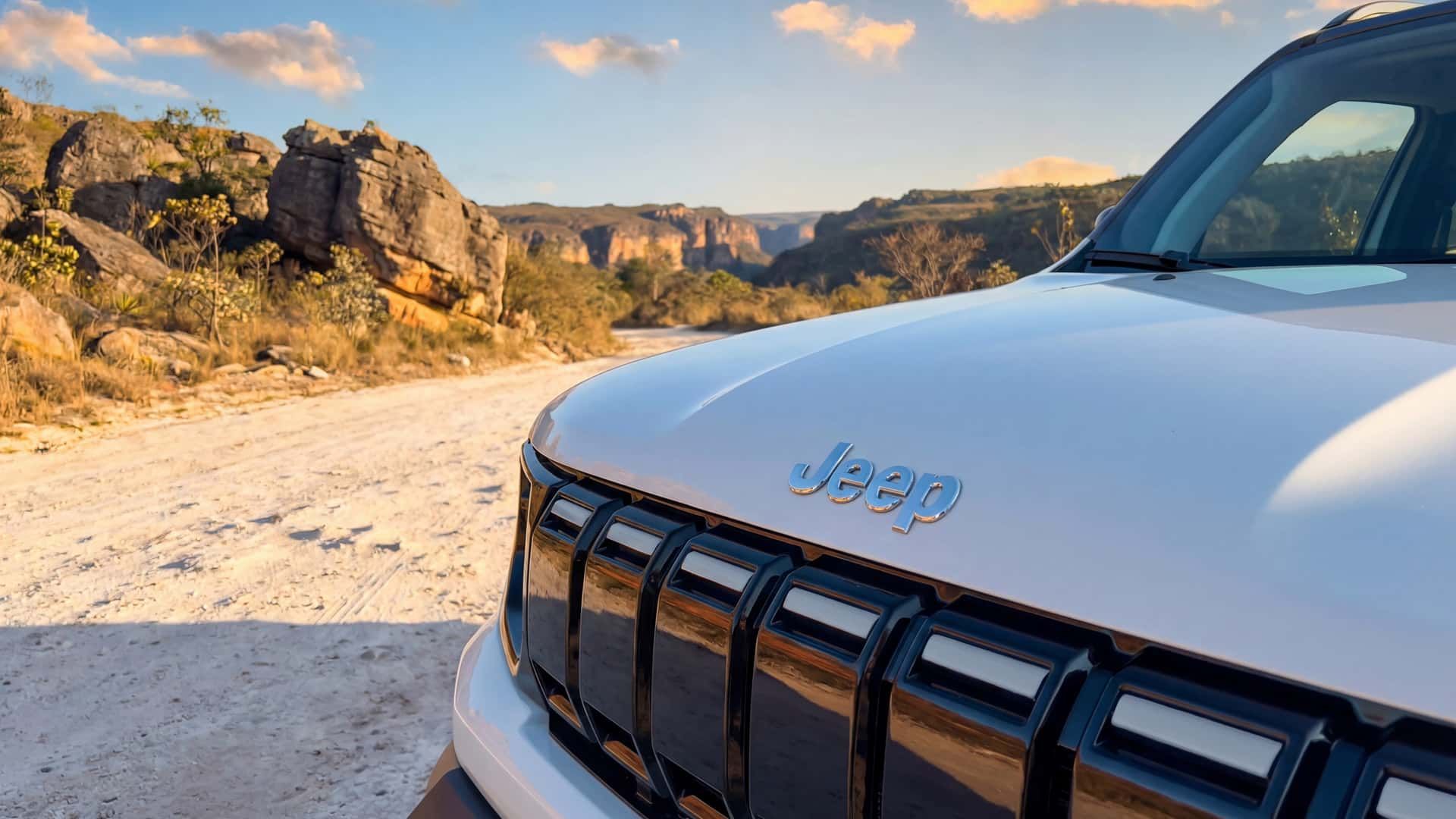
Jeep launches the 2027 Renegade with a 1.3 turboflex engine producing 176 hp, a 48V mild hybrid system, a new 10.1” multimedia system, a digital dashboard, and a starting price of R$ 129,000.
-
In four years, all taxis in New York will be required to have zero emissions, and Kia has just shown how the future will work with an electric vehicle featuring an automatic ramp, 30-minute charging, and a design that prioritizes accessibility.

-
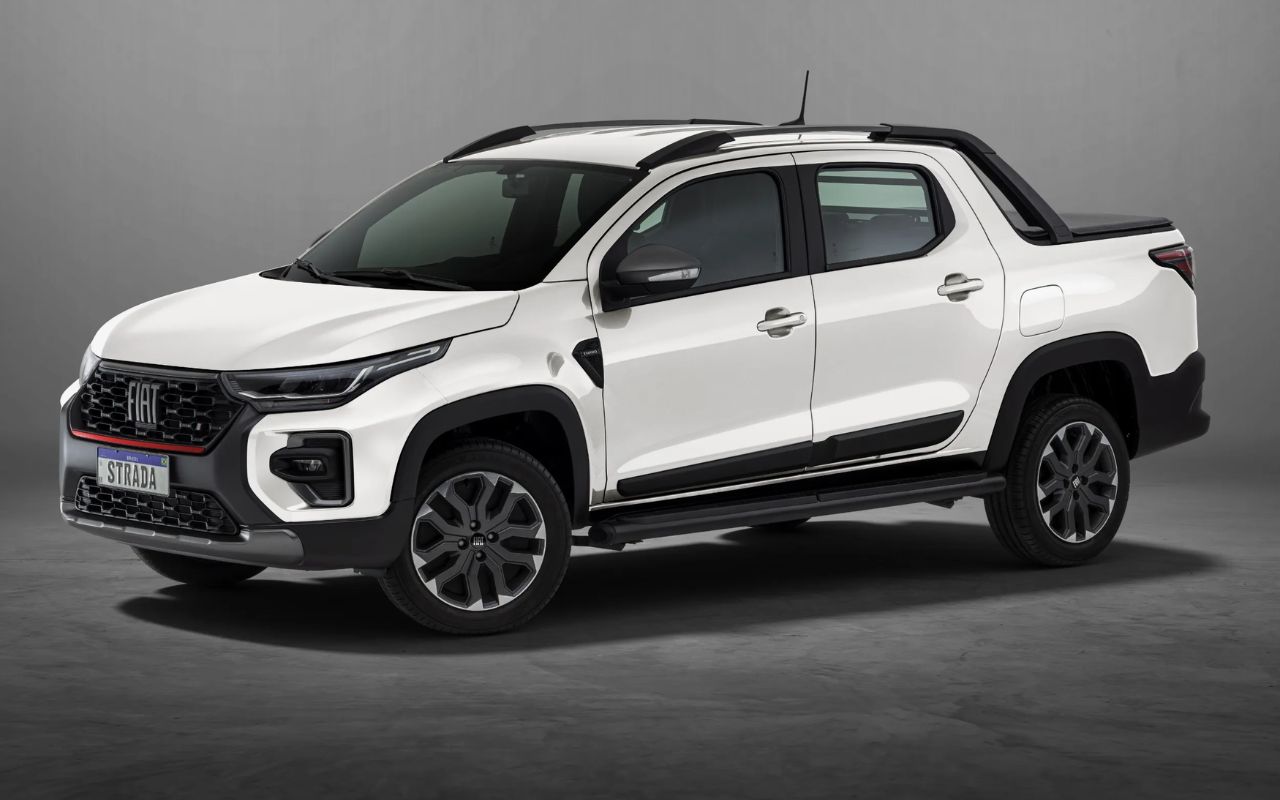
It surpassed the Polo, the Toro, the Hilux, and the Saveiro: with almost 17 thousand units sold, the Fiat Strada was the best-selling car in March 2026.
-
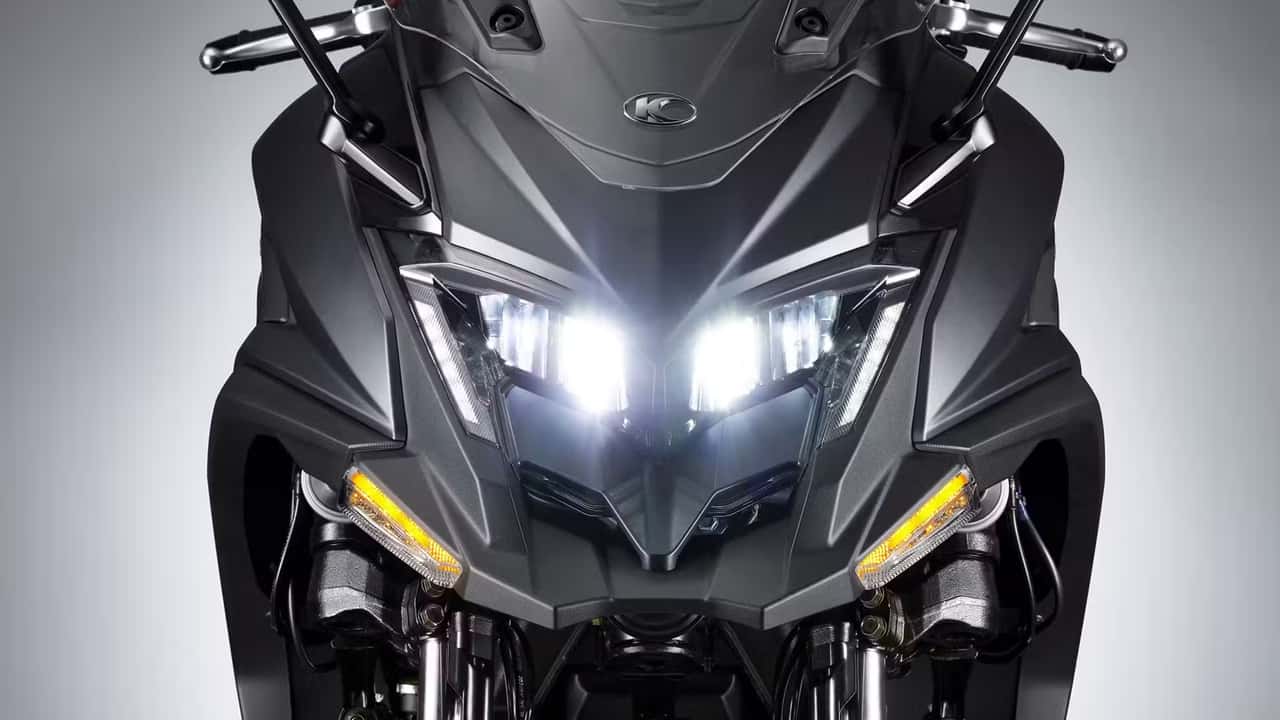
Kymco launches a 3-wheeled scooter with a 52 hp engine, a tilting front, and an audacious proposal to address one of the biggest fears of those who want to ride a motorcycle but still do not trust two wheels.
In recent material from Toyota Times, the group reiterated that energy conditions vary from region to region and stated that there are still areas where people “simply cannot live without gasoline-powered cars,” an argument used to justify the continued development of thermal engines alongside hybrids, battery electric vehicles, fuel cells, and alternative fuels.
Global strategy of the Toyota Corolla for different markets

For the Corolla, this helps explain why the next generation should not repeat the same recipe in all countries.
The exact configuration has not yet been confirmed, but the logic advocated by the company indicates that the portfolio may vary according to local emission requirements, charging availability, energy costs, and the supply of lower-impact fuels, preserving the global character of the model without fully standardizing the mechanics.
In practice, Toyota has been insisting on a “multiple pathways” approach, a term used by the company to assert that decarbonization will not be identical in all markets.
This positioning is also reflected in the brand’s recent history with hybrids and lower-emission fuels, as well as the investment in alternatives related to hydrogen, synthetic fuels, and biofuels, a category in which ethanol fits.
New generation of turbo engines and energy efficiency
The most concrete point of this plan is the new generation of engines presented by Toyota in partnership with Subaru and Mazda, a project made public in May 2024.

In an official statement, the three manufacturers stated that the new engines will be more compact, more powerful, and ready for integration with electrified systems, in addition to being compatible with lower-carbon fuels, such as e-fuels, biofuels, and liquid hydrogen.
Among the solutions shown by Toyota are a new 1.5, expected in aspirated and turbo configurations, and a 2.0 turbo aimed at higher performance applications.
The company’s technical presentation indicates that the 1.5 turbo was designed to cover the range currently served by 2.5 aspirated engines in some vehicles, while the 2.0 turbo emerges as a technological successor to the current 2.4 turbo unit, with smaller dimensions and superior performance.
However, there is an important difference between what Toyota has effectively disclosed and what has begun to circulate in part of the coverage about the future Corolla.
The manufacturer has not officially confirmed that the sedan will receive these engines nor has it stated a gain of “up to 30% more efficiency” for the new generation; in the technical material presented to the market, the specific data reported for the new 1.5 was a 12% improvement in efficiency in use in sedans, combining mechanical evolution and aerodynamic gains allowed by the more compact set.
In the case of the 2.0 turbo, the company’s communication emphasized a significant increase in performance, a reduction of about 10% in volume and height compared to the current 2.4 turbo, and the ability to meet future emission standards without the loss of power that would be required of conventional engines.
Still, Toyota has not publicly associated this set, so far, with a confirmed version of the next Corolla.
Plug-in hybrid and electrification of the Corolla

The possibility of a plug-in hybrid Corolla gained strength in the specialized press throughout 2025, especially in projections about the succession of the current model.
This movement makes sense within Toyota’s industrial strategy, which has increasingly emphasized the role of hybrids and plug-in hybrids as part of the energy transition, but the company has not yet disclosed technical specifications, electric range, or an official launch schedule for this configuration for the sedan.
For markets like Brazil, the discussion about fuels also weighs in.
Toyota has already linked biofuels to the future of combustion engines and has maintained a favorable discourse for years regarding solutions adapted to local realities, a scenario that supports the reading that the electrification of the Corolla will follow different paths according to the available infrastructure and the weight of renewable fuels in each country.
However, this does not equate to a confirmation of specific engine options for Brazil.
New design of the Toyota Corolla inspired by concept
Visually, the shift is more plausible than the confirmation of any engine.
Toyota showcased a Corolla Concept at the Japan Mobility Show 2025 in Tokyo, and the official documentation of the event lists the prototype among the brand’s highlights.
The presence of the concept reinforces the expectation that the next generation will abandon some of the traditional conservatism and bring the sedan closer to a lower, wider, and more technological language.
The images and reports published after the showcase indicate a front end with a thinner light signature, more sculpted surfaces, and a rear marked by horizontal elements, a solution that aligns the car with other recent studies from the manufacturer.

Even so, there is still no guarantee that all the features displayed in the concept will make it to the production vehicle, as this type of prototype often exaggerates proportions, lighting, and details to anticipate design language, not necessarily the final product.
Launch and global impact of the Corolla
Another piece of information that requires caution is the timeline.
So far, Toyota has not officially announced the commercial debut of the new generation of the Corolla in 2026, although automotive press vehicles have pointed to this possibility throughout 2025.
What is documented is the exhibition of the concept at the Japanese show in October 2025 and the continuation of the development of new engines compatible with electrification and lower-carbon fuels.
The historical weight of the Corolla helps explain the attention surrounding this renewal.
Toyota itself reports that the family surpassed 50 million units sold worldwide in 2021, consolidating the model as the best-selling car in the history of the industry.
Therefore, any significant change in the sedan tends to function not only as a product update but also as a signal of the direction the manufacturer intends to take in mass markets.
If the new generation indeed combines bolder design, expanded electrification, and smaller engines adapted to different fuels, the Corolla should continue to serve as Toyota’s technological showcase without completely breaking away from the global formula that has made the model one of the industry’s greatest symbols.
What is still lacking, however, is precisely the essential to separate expectation from reality: the official confirmation of versions, timeline, and markets served.








Seja o primeiro a reagir!