





 Portuguese
  English
  Spanish
  4 min of reading
  0 comments


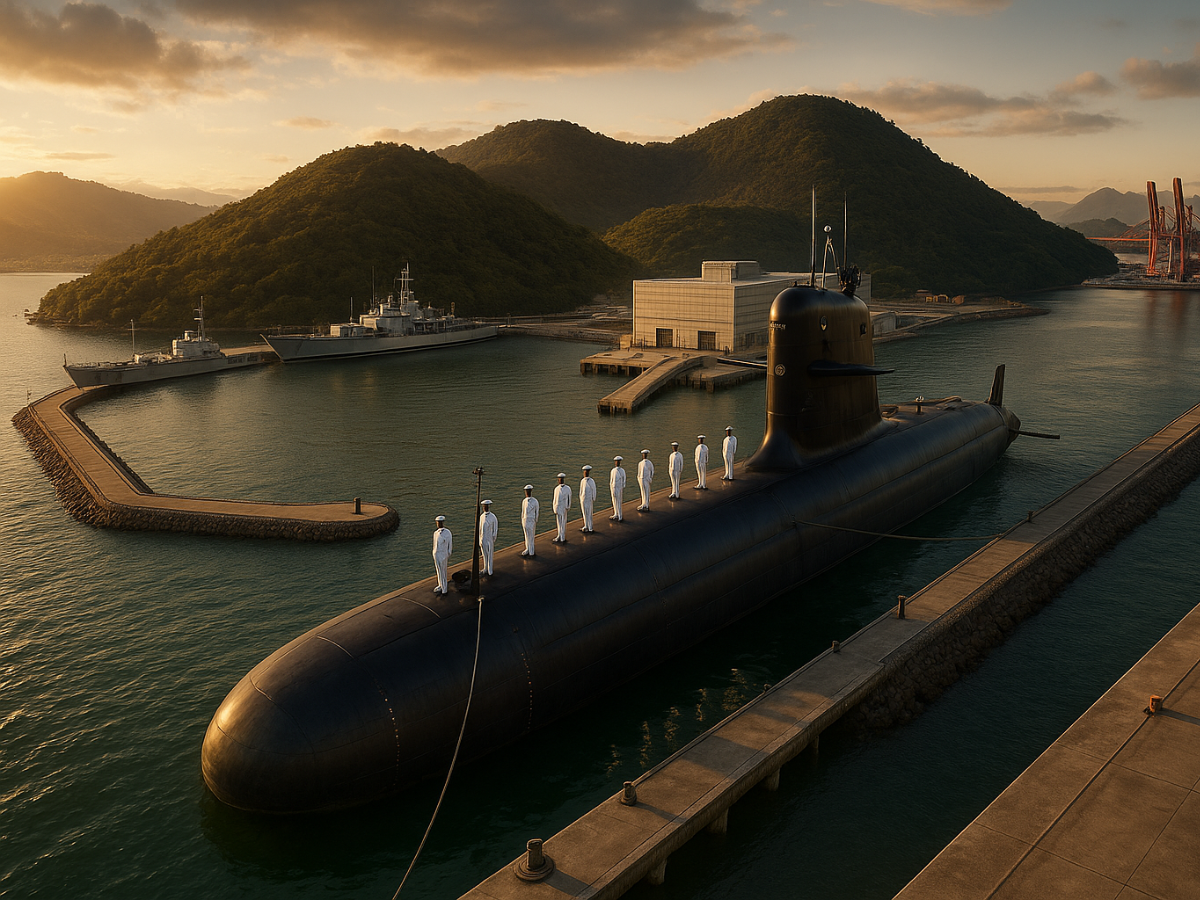
Part of the Strategic PROSUB, the Submarine Base of Itaguaí (RJ) is one of the largest engineering projects in the country, designed to build and house the new generation of Brazilian submarines, including the future nuclear submarine
The Naval Complex of Itaguaí, in Rio de Janeiro, is the centerpiece of the Brazilian Navy’s Submarine Development Program (PROSUB). This engineering undertaking, worth billions of reais, was conceived to be the most modern submarine base in Latin America, empowering Brazil to design, build, and operate its future fleet, including the highly anticipated first nuclear-powered submarine.
Understand the magnitude of this project, the new generation of submarines it will house, the challenges of the program and the strategic importance of Itaguaí for the future of Brazilian naval power.
Why Is Brazil Building a New and Modern Submarine Base?
The creation of the submarine base of Itaguaí is a pillar of PROSUB, a program conceived in the National Defense Strategy of 2008. The objectives are clear: modernize the naval force, strengthen national defense, and crucially, protect the “Blue Amazon”, the vast Brazilian maritime zone rich in natural resources and trade routes.
-
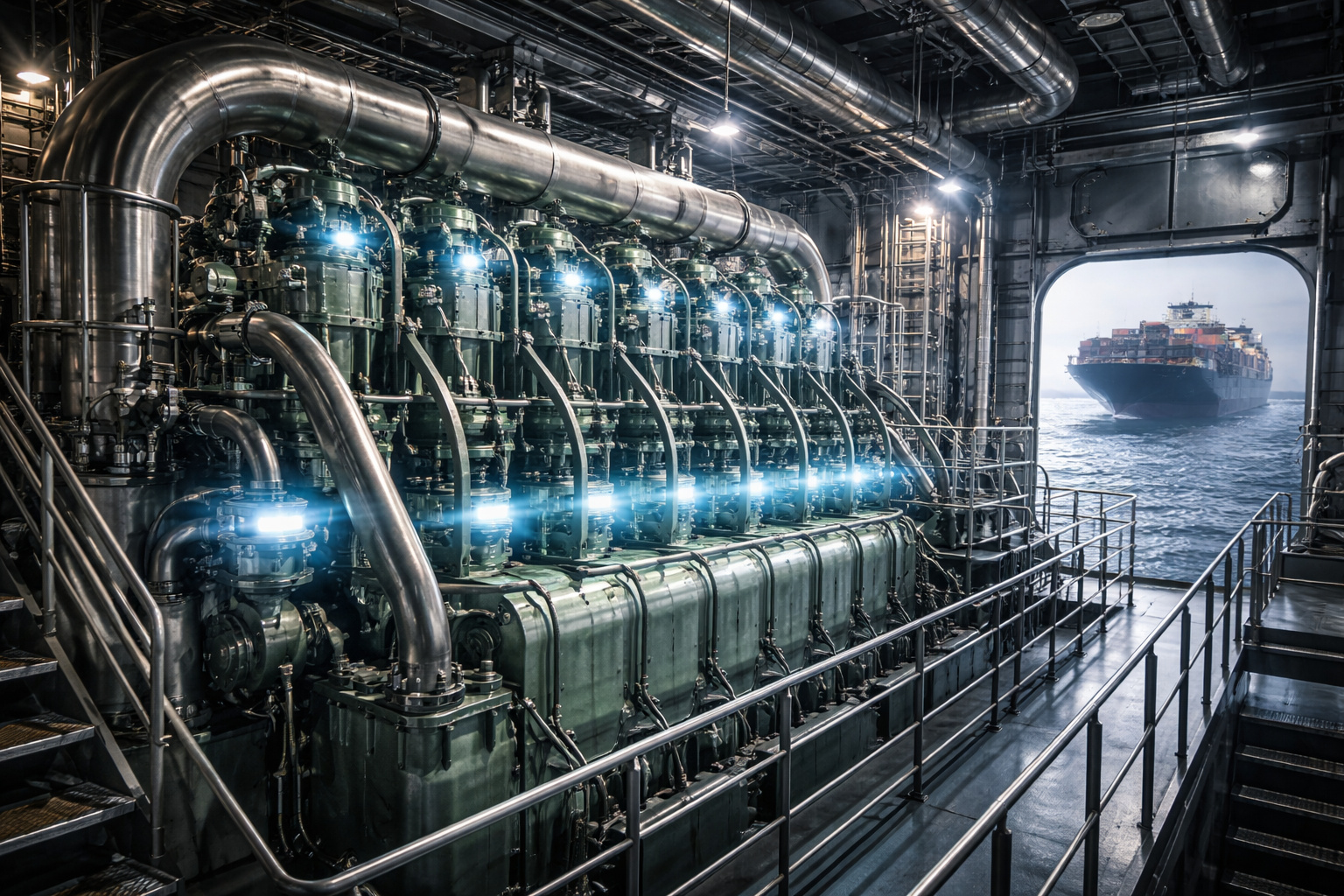
Europe is trying to create an ammonia-powered marine engine without auxiliary fuel, which could unlock the race for giant emission-free ships. The technology aims to eliminate one of the biggest obstacles to clean maritime propulsion.
-
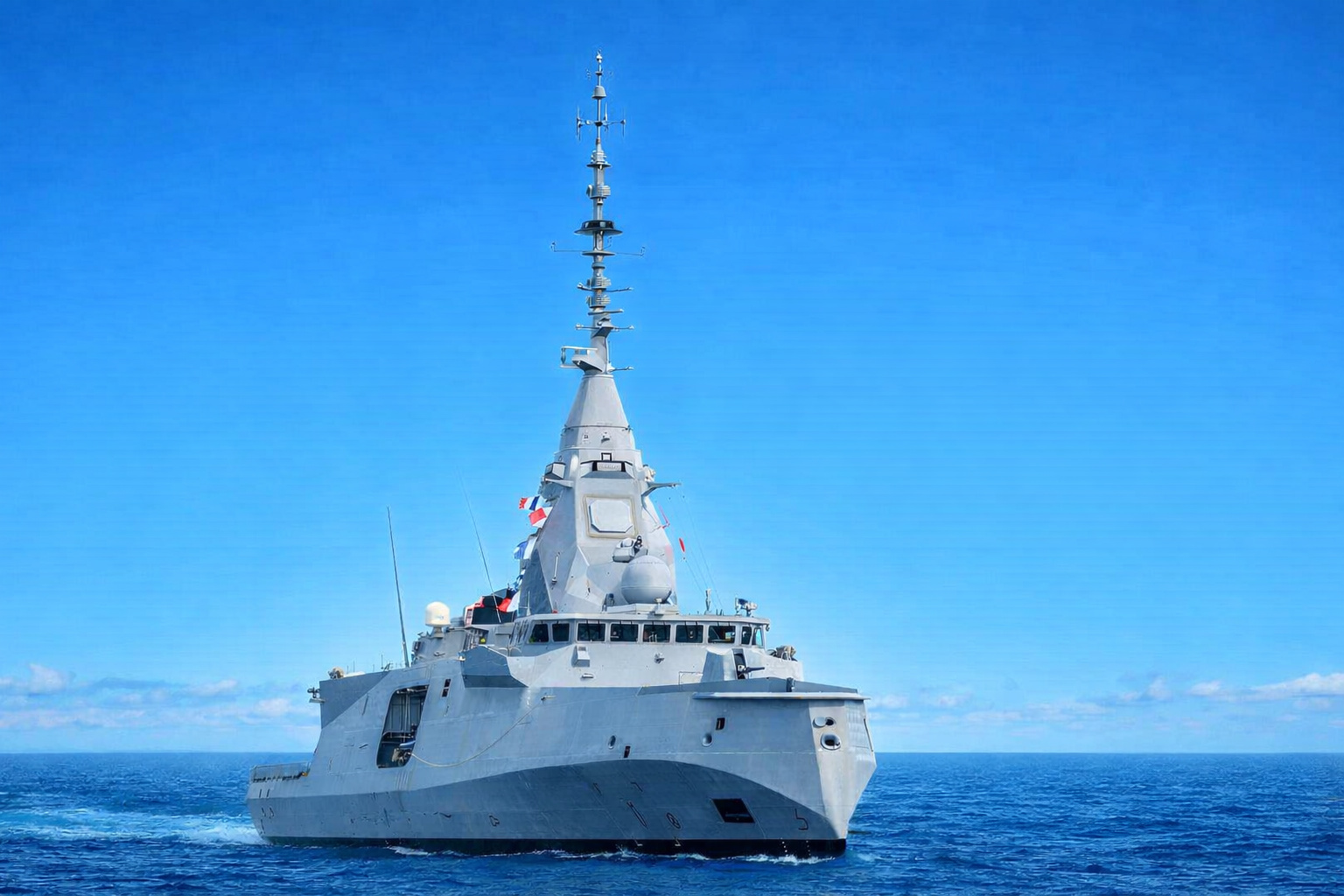
A 4,500-ton frigate with just over 100 crew members, state-of-the-art radar, and cruise missiles is being touted as the new standard of naval warfare in the 21st century.
-
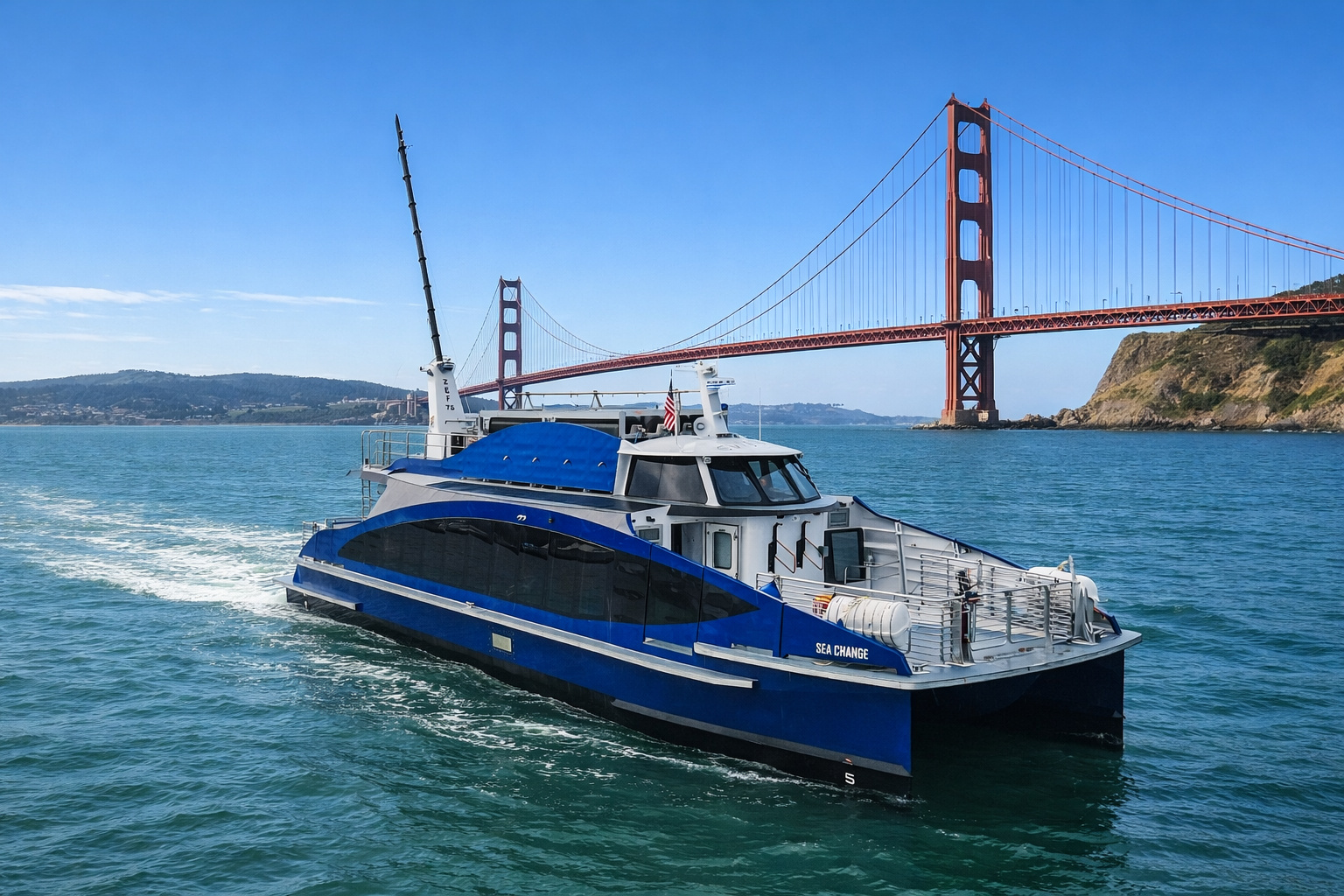
The first commercial hydrogen-powered ferry enters operation in the U.S., eliminates the use of diesel, uses fuel cells to generate clean energy on board, and transforms San Francisco Bay into a landmark of the new era of emission-free navigation.
-
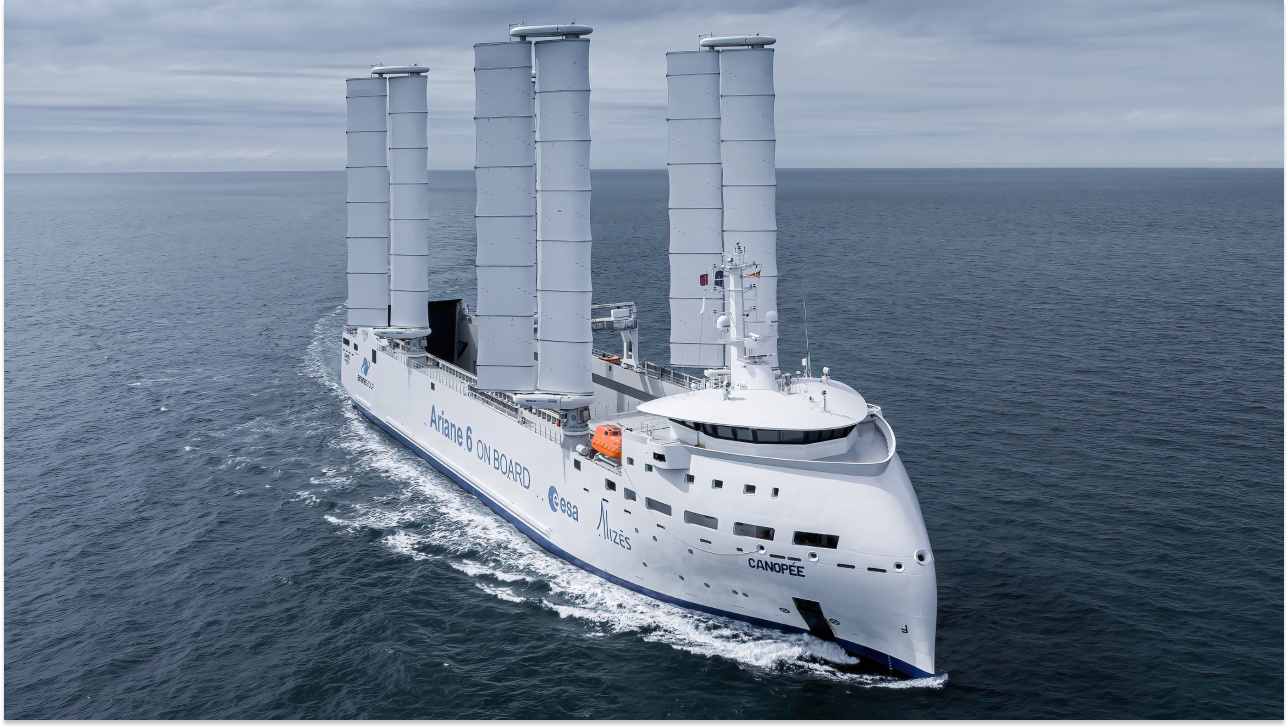
With a length of 121 meters and four rigid sails of 36 meters that automatically rotate to capture the wind, Canopée is the world’s first hybrid industrial cargo ship powered by wind, used to transport rockets and reduce fuel consumption by up to 30% on transoceanic routes.

To enable the project, Brazil established a strategic partnership with France, which involved technology transfer from the Naval Group for the construction of conventional submarines and the naval complex. However, the nuclear propulsion technology is an entirely national development, reflecting Brazil’s pursuit of sovereignty and technological autonomy.
Inside the Naval Complex of Itaguaí (CNI)
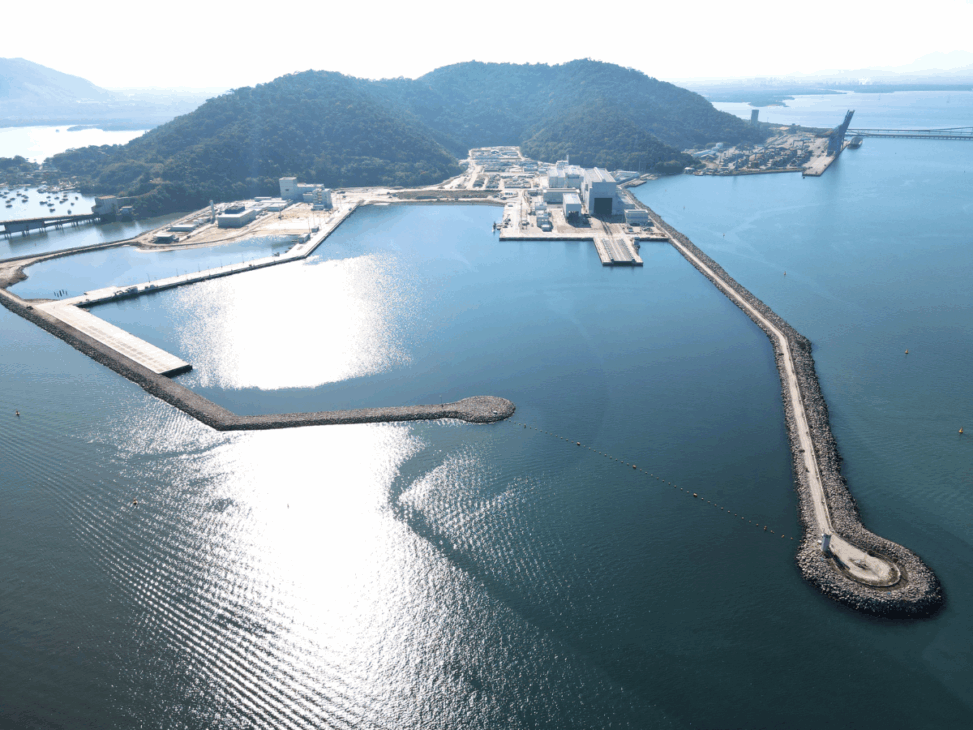
The Naval Complex of Itaguaí (CNI) is a large-scale engineering project, divided into functional areas to optimize workflow and security. The main productive area, with 487 thousand m², houses construction and maintenance shipyards and the naval base.
The facilities feature notable characteristics:
Shiplift: A 110-meter-long platform with the capacity to lift up to 8 thousand tons, used to launch and recover submarines.
Interconnection Tunnel: With a length of 703 meters, it connects the northern and southern areas of the base, allowing for the safe transport of submarine sections.
Nuclear Facilities: The CNI includes a Specialized Maintenance Complex for the exchange of nuclear fuel and a Radiological Complex isolated, essential infrastructures for the operation of the nuclear submarine.
The New Guardians of the Seas, the PROSUB Fleet
The new submarine base will house two classes of vessels:
Riachuelo Class (S-BR): There are four diesel-electric powered submarines based on the French Scorpène design, but adapted to Brazilian needs, being larger and with greater autonomy. The Riachuelo (S-40) and Humaitá (S-41) have already been commissioned. The Tonelero (S-42) was launched in 2025 and is undergoing tests, and the Almirante Karam (S-43) is scheduled for launch in 2025.
SN Álvaro Alberto (SN-10): It is the most ambitious project: the first nuclear-powered submarine of Brazil. With a length of about 100 meters and 6,000 tons, it will have virtually unlimited autonomy and greater firepower. Its construction was officially initiated in October 2023, but the delivery schedule, projected for 2033, faces uncertainties due to budgetary constraints.
The Financial Outlook of PROSUB
PROSUB is one of the largest defense investments in Brazil’s history, with costs reaching tens of billions of reais. The nuclear submarine phase (SNCA), for example, has an estimated cost of US$7.4 billion.
The program faces significant budgetary constraints. The current annual funding, of about R$2 billion, is considered insufficient by the Navy to maintain the original schedule of the SNCA. Without an additional contribution of at least R$1 billion per year, the delivery of the nuclear submarine may be delayed until around 2040. Despite this, PROSUB generates a positive economic impact, creating about 22 thousand direct jobs and 40 thousand indirect jobs, and fostering the country’s Defense Industrial Base.
The Role of the Submarine Base of Itaguaí for Brazil’s Naval Power


The future of PROSUB and the submarine base of Itaguaí depends on overcoming financial challenges and navigating complex nuclear licensing issues and international safeguard agreements with the IAEA.
The realization of the program, with the operationalization of SN Álvaro Alberto, will have a transformative impact on Brazil’s ability to ensure its maritime security and project influence in the South Atlantic. The submarine base of Itaguaí is not just an engineering project, but a pillar of national sovereignty, a hub for technological development, and the heart of Brazil’s future naval force.







-

4 pessoas reagiram a isso.