





 Portuguese
  English
  Spanish
  5 min of reading
  0 comments


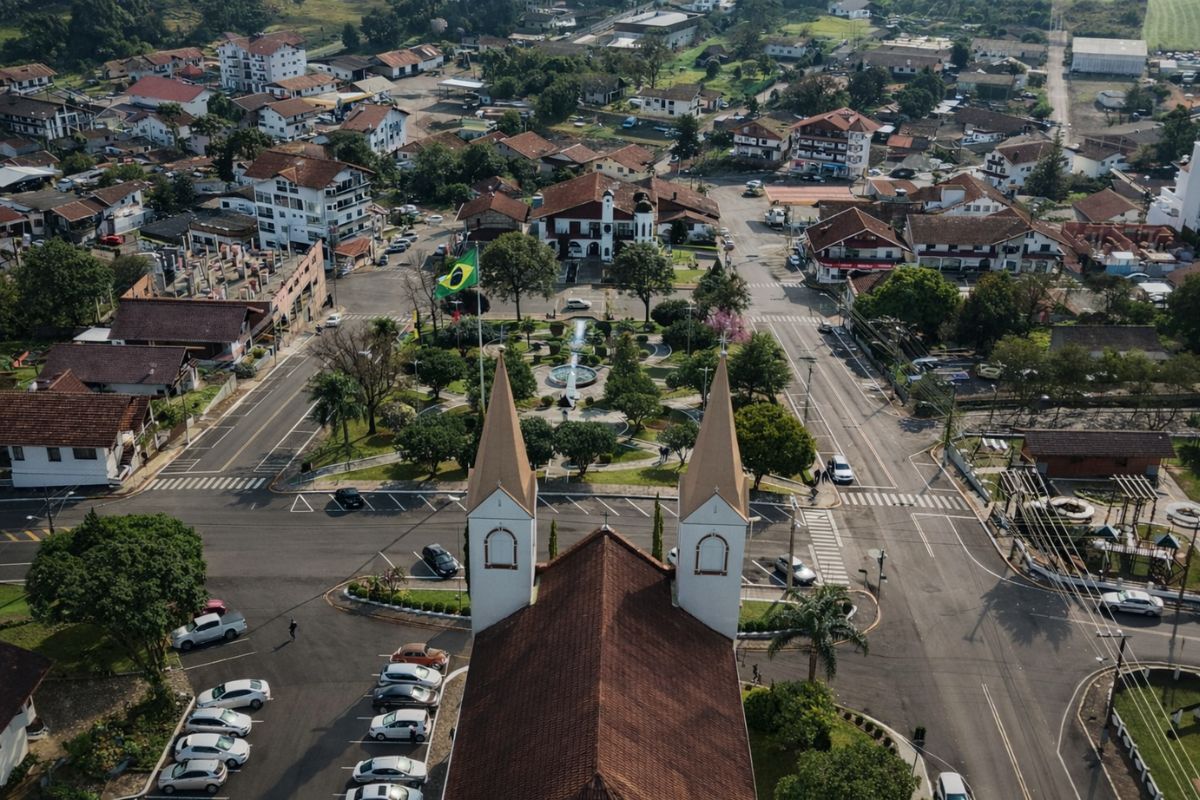
The Brazilian city of Treze Tílias, in the western region of Santa Catarina, has less than 10 thousand inhabitants, alpine-style houses, wood sculptures, and the Tirolerfest, as well as above-average quality of life indicators.
The Brazilian city of Treze Tílias looks like a slice of the Alps planted in the interior of Santa Catarina. With less than 10 thousand inhabitants, the municipality preserves alpine architecture, Tyrolean traditions, and even a dialect that still echoes among older residents, in a setting that mixes European heritage and small-town routine.
What makes the story even rarer is its origin: Treze Tílias was born as a colony organized by Andreas Thaler, former Minister of Agriculture of Austria, who led the crossing of Tyrolean immigrants in 1933. Since then, the Brazilian city has transformed the identity of its founders into a cultural, tourist, and economic brand.
Where is Treze Tílias and why does it attract so much attention
Treze Tílias is located in the western region of Santa Catarina, about 425 km from Florianópolis, at an approximate altitude of 796 meters. The municipality is close to Joaçaba, 35 km away, and the nearest commercial airport is in Chapecó, 175 km away.
-
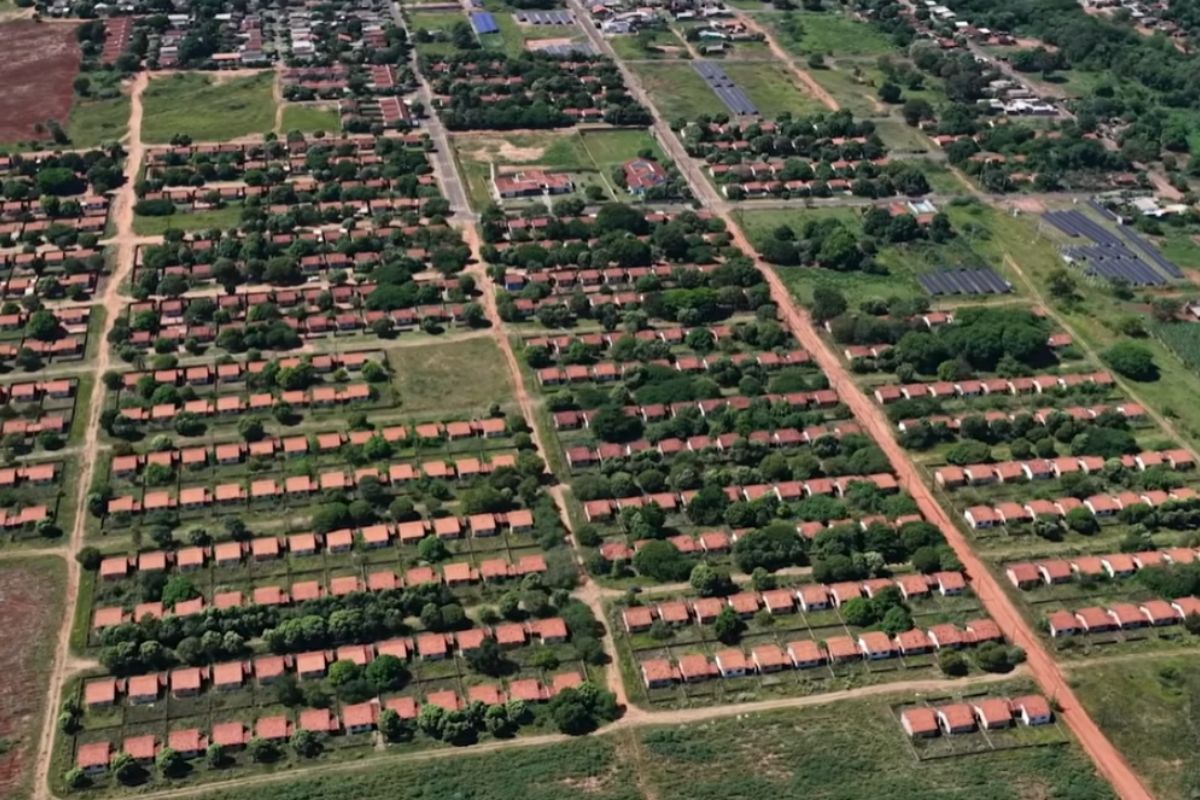
It looks like a movie scene: a traveler enters Paraná City, in the northwest of Paraná, and finds 900 new houses all abandoned; the village of the Santa Terezinha plant became empty after machines replaced manual sugarcane cutters.
-
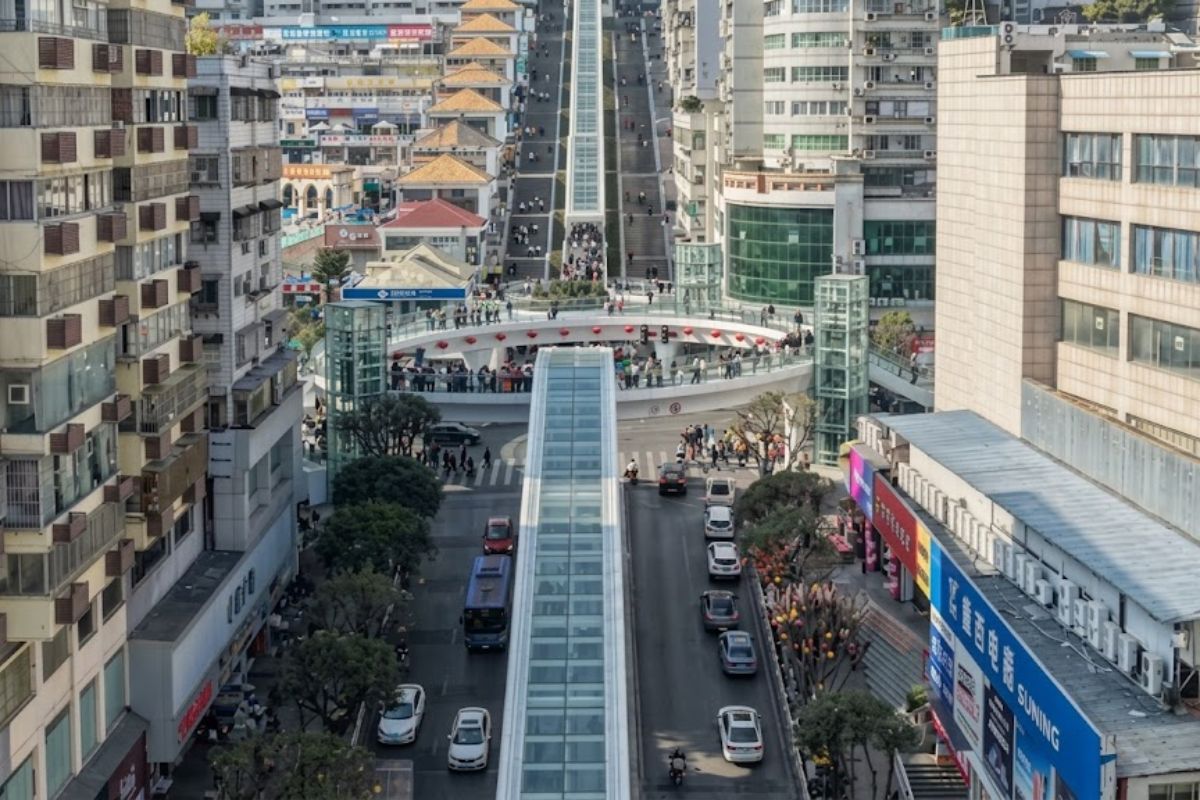
China has just inaugurated the world’s largest outdoor escalator, measuring 914 meters in length, with 21 connected escalators and a journey time of 20 minutes, transporting 9,000 people per day up the mountain in Wushan County.
-
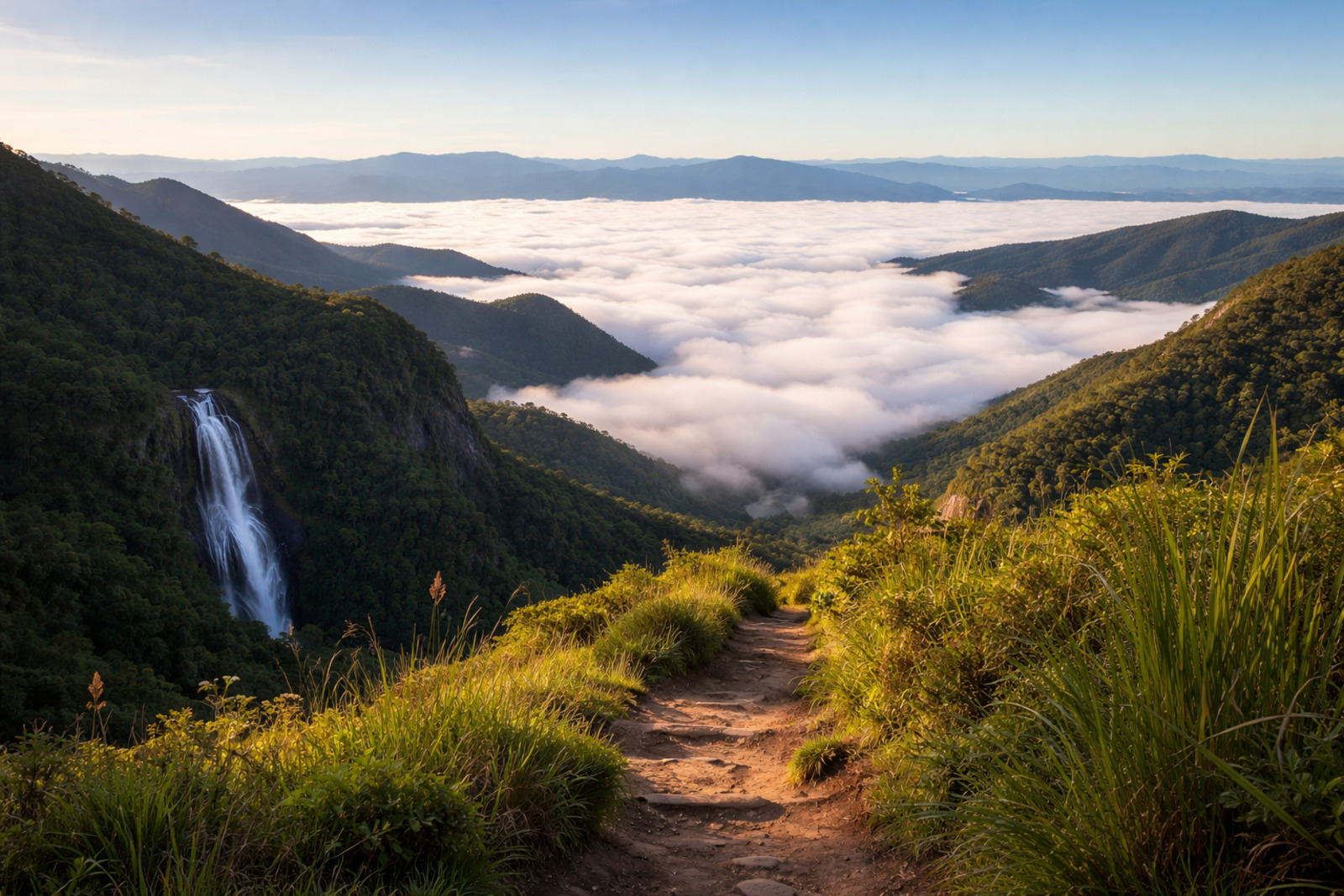
You don’t need to go far: just 3 hours from São Paulo, a city draws attention with waterfalls up to 60 meters, a historic trail, a peak over 2,000 meters, and even clouds below the trails.
-
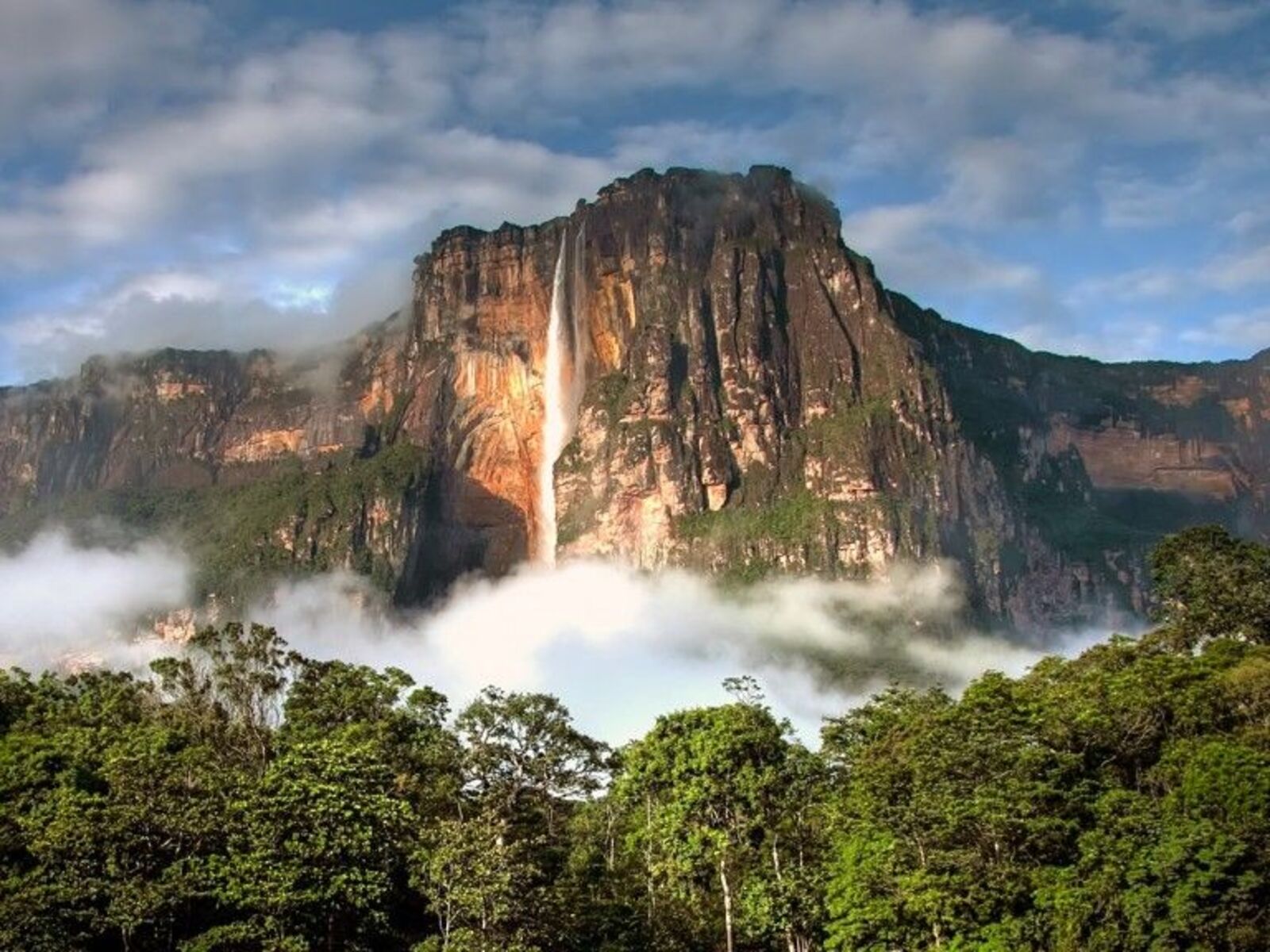
Brazil’s neighbor hides a giant of 979 meters: the world’s tallest waterfall is in Venezuela and is nearly 3 times taller than the Empire State Building.
This combination of interior, altitude, and planned colonization helps explain why the Brazilian city has gained fame: a cooler climate than the state average, an urban landscape with alpine features, and a community life that maintains traditions instead of just displaying “thematic” elements for tourists.
How a former Minister of Austria founded a Brazilian city in the south of the country

The story begins on September 8, 1933, when 85 Tyrolean immigrants boarded the ship Principessa Maria bound for the port of Santos.
Andreas Thaler, former Minister of Agriculture of Austria, led the journey in response to the economic crisis that preceded World War II. The group disembarked in the interior of Santa Catarina on October 13.
Thaler named the colony Dreizehnlinden, inspired by an epic poem by Friedrich Wilhelm Weber that exalted the linden tree, a typical tree of the northern hemisphere. The loose translation eventually became the definitive name of the municipality.
A symbolic detail reinforces the sense of community: a music band is said to have been formed aboard the ship and disembarked with the colonists, according to the official city hall portal.
Quality of life: what the numbers indicate about the Brazilian city

In addition to its cultural side, the Brazilian city is associated with quality of life. According to cited data from IBGE, the municipality records a schooling rate of 99.42% among children aged 6 to 14 and an infant mortality rate of 6.71 per thousand live births in 2023. In the same year, the per capita GDP reached R$ 135,979.77.
These indicators help explain why Treze Tílias is cited as a regional reference. They also reinforce an important point: it is not just aesthetics or folklore, but a set of urban organization, education, and social structure that sustain local routine.
Economy: cultural tourism and dairy industry side by side
The municipality’s economy combines cultural tourism with the dairy industry, being pointed out as the birthplace of the Tirol brand. The city has an area of 176 km² and about 9,500 inhabitants, according to estimates for 2025.
Tourism appears as a natural consequence of the preserved identity. In October 2024, Treze Tílias was selected among 14 awarded Brazilian destinations in the Top 100 Stories of Green Destinations, a Dutch organization that recognizes good practices in responsible tourism.
This projects the Brazilian city beyond the local circuit, attracting visitors interested in cultural experiences and not just in photos.
Alpine architecture and wood sculpture: how the Tyrolean identity appears on the streets

The Tyrolean identity is visible in the urban landscape. Houses with steep roofs, geranium flower boxes, and facades with worked wood create an image reminiscent of alpine villages.
The Tyrolean dialect is still spoken by older residents, and the municipality carries the official title of Capital of Santa Catarina for Sculptors and Wood Sculpture.
This title is not just on paper. Wood sculpture appears as a tradition and economic activity, with workshops and studios that maintain techniques and styles linked to Austrian heritage, ranging from sacred art to profane works.
What to do in Treze Tílias: essential points to see the Brazilian city from within
Among the points cited as essential to get to know the city are:
Castelinho Andreas Thaler, a municipal museum built in 1936 and listed by the Santa Catarina Cultural Foundation;
Praça Ministro Andreas Thaler, a central garden with a cascading fountain and a monument to the founders;
Parque Lindendorf, a thematic complex with alpine cuisine and ambiance;
Wood sculpture workshops, open studios for visitation in the center;
Local craft breweries, with production inspired by traditional Austrian recipes.
This set creates a visiting experience that mixes architecture, history, gastronomy, and craftsmanship, which sustains tourism without relying solely on an annual event.
When to visit: climate, frost, and the Tirolerfest in October
The altitude of 796 meters ensures harsher winters by Brazilian standards, with lows close to zero and the possibility of frost. The Tirolerfest is the most well-known event and takes place in October. The text mentions that the 92nd edition was held from October 10 to 13, 2025, with free entry.
The calendar helps visitors choose the type of experience. Those seeking cold and a more alpine atmosphere usually prefer the winter months. Those wanting a festival, music, dance, and community in the spotlight tend to aim for October, when the Tirolerfest energizes the Brazilian city.
How to get there and why access influences the experience
For those coming from the coast, access is via BR-470 through Campos Novos and Tangará. From the capital of Santa Catarina, the most direct route is estimated to take about five hours via SC-355.
This journey is part of the destination’s “climate.” Treze Tílias is not an easy day trip for most, which often encourages a more planned visit and, in many cases, a longer stay, allowing time to explore the city at leisure.
What Treze Tílias symbolizes today
Treze Tílias preserves in less than 10 thousand inhabitants a living cultural heritage: alpine architecture, Austrian dialect, wood sculpture, and a festival that celebrates immigration for nearly a century. The combination of cooler climate, quality of life, and European identity makes the municipality unique in the country.
In the end, what makes this Brazilian city different is the coherence between history and routine: it is not just a “thematic” setting, but a community that has maintained cultural elements as part of daily life.
If you could visit a Brazilian city that looks like Europe, would you go for the alpine architecture or for the Tirolerfest and the festive atmosphere in October?








Seja o primeiro a reagir!