





 Portuguese
  English
  Spanish
  3 min of reading
  0 comments


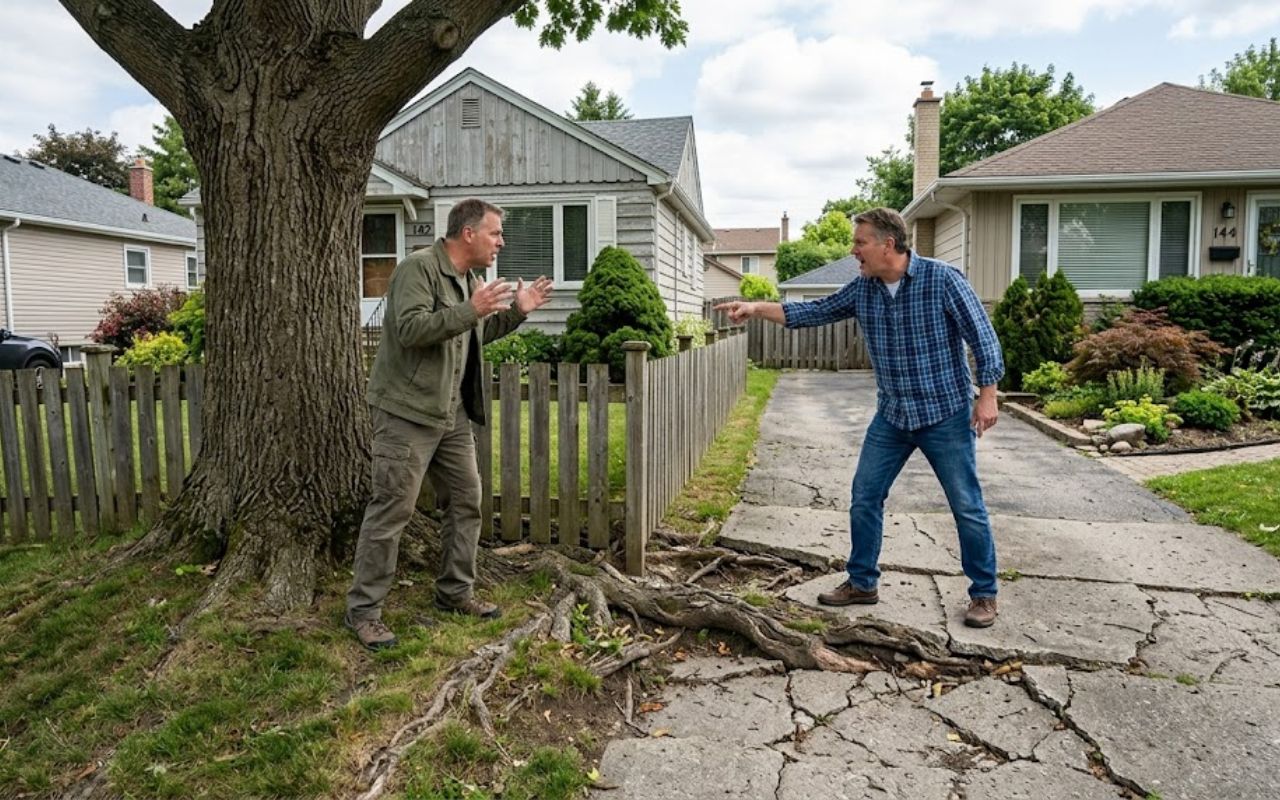
Know what the law says about neighbors’ tree roots on the property and see mistakes that can generate conflicts and legal problems.
Acting impulsively when dealing with tree roots that invade the property can create more problems than solutions. Although Brazilian law allows for some interventions, many property owners end up crossing boundaries and entering into conflict with their neighbors, sometimes even facing legal disputes.
The situation often starts simply, but can escalate quickly when there are material damages or a lack of dialogue. Therefore, understanding what can go wrong is the first step before any decision.
Cutting tree roots carelessly can bring harm to the property
One of the most common mistakes is cutting the roots improperly. When the intervention is done without criteria, it can compromise the structure of the tree and even pose a risk of falling.
-
Engineer is sentenced to repay R$ 148 thousand after holding public positions in three municipalities in Rondônia with incompatible schedules, and the decision is upheld by the Court of Justice.

-
Chamber approves project that creates mandatory Life Insurance for police officers, firefighters, guards, and traffic agents.

-
Can you be punished just for carrying alcohol in the car? The little-known detail of the CTB that changes everything in traffic stops.

-
Countries may be required to pay up to R$150,000 for emotional abandonment: new law changes rules and expands parental responsibility in Brazil.

Moreover, if the cut exceeds the property limits, the owner may be held responsible for damages to the neighbor’s property. Thus, what seemed like a right guaranteed by law can end up becoming a problem.
Another important point is that damages do not always appear immediately. The roots grow underground, and when the effects emerge, the damage can already be significant.
Among the most common signs are lifted floors, cracks in walls, and difficulties in construction on the property. In more severe cases, plumbing may be compromised.
These problems often give rise to conflicts between neighbors, especially when costs are involved.
Law comes in as a solution when tree roots invade property
Only after the problem becomes evident does the law usually come into play. The Brazilian Civil Code, in Article 1,283, allows the owner to cut the roots of the tree that invade their property.
This action can be taken without judicial authorization, as long as it respects the boundary between properties. In other words, the cut should be limited only to the invading part. Thus, the legislation offers a practical solution to the problem.

When can the neighbor be held responsible for the tree?
In some situations, the impact goes beyond mere inconvenience. If the roots cause proven damage to the property, the neighbor who owns the tree may be held responsible.
The law provides for the possibility of compensation, as long as there is evidence that the plant was the direct cause of the damage. This includes structural damages and repair costs.
Despite the legal guarantees, the most recommended path is still conversation. Talking to the neighbor can prevent conflicts and facilitate joint solutions.
Often, a preventive pruning resolves the problem without the need for more drastic measures. Additionally, amicable agreements tend to preserve coexistence.
Essential care when dealing with tree roots on the property
Before taking action, it is important to confirm that the roots have indeed invaded the property. Documenting the damages with photos can also help in any discussions.
Another care is to avoid excessive cuts that compromise the tree, which can generate risks and new responsibilities. This way, the action remains within the limits of the law and avoids problems with the neighbor.
Law seeks to avoid conflicts between neighbors and protect the property
Ultimately, the law regarding tree roots on the neighboring property has a clear objective: to avoid conflicts and ensure balance between rights. It allows the owner to protect themselves but also imposes limits to prevent abuses.
Therefore, acting with information, caution, and common sense is essential to resolve the problem without turning the situation into a larger conflict with the neighbor.
Source: O Antagonista










Seja o primeiro a reagir!