





 Portuguese
  English
  Spanish
  2 min of reading
  0 comments


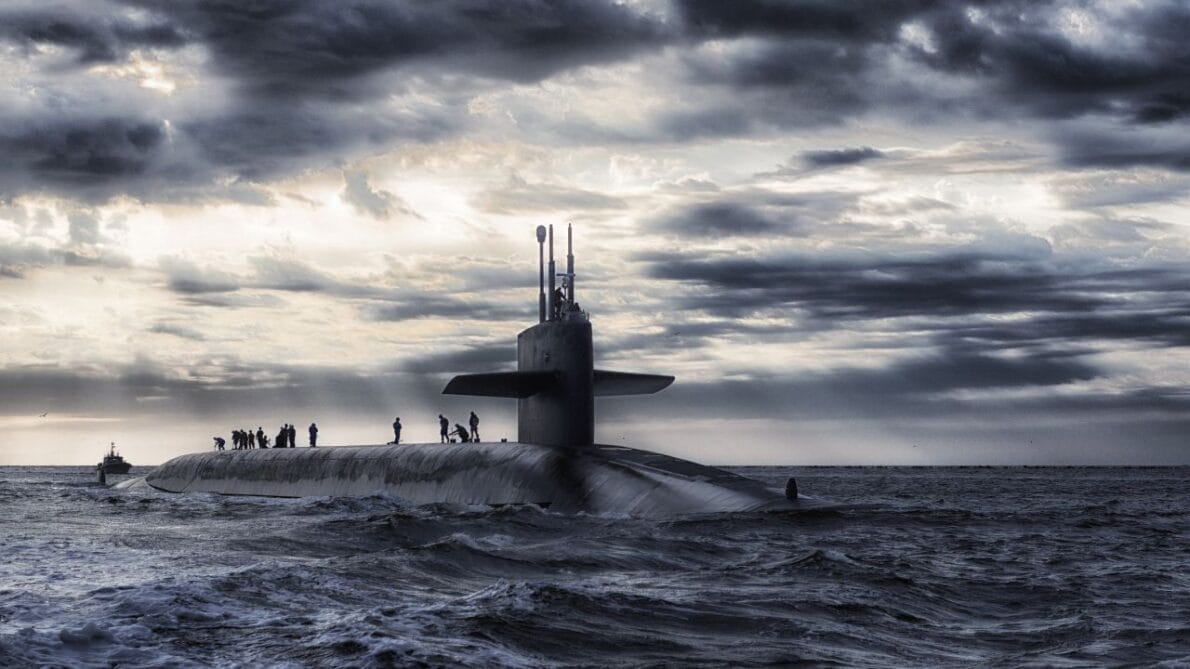
The Brazilian Navy Has a Challenging Mission: To Protect a Coastline That Extends Over 7,000 Kilometers. But How Many Submarines Are Really Needed to Fulfill This Task? Let Us Explore the Needs and Plans of the Navy to Defend Our Waters.
The Brazilian Navy’s submarine fleet has seen its ups and downs. In the 1970s and 1980s, the navy peaked with 10 submarines, including three advanced Oberon-class models. Currently, the navy operates four submarines: S30 Tupi, S34 Tikuna, S40 Riachuelo, and S41 Humaitá. In the coming years, the addition of three more is expected: S42 Tonelero (which is already ready), S43 Angostura, and SN10 Álvaro Alberto, the first nuclear submarine in Latin America.
Even with these additions, some older submarines, like the S30 Tupi, may be decommissioned, leaving the fleet with four conventional submarines and one nuclear. But is that sufficient?
To Effectively Defend the Brazilian Coast, the Brazilian Navy Would Ideally Need Two Submarine Squadrons


Each with two conventional submarines and one nuclear. This would total six operational submarines: four conventional and two nuclear. Additionally, it is important to have a reserve of submarines for maintenance and modernization, equivalent to about 50% of the operational fleet. This means three more submarines in reserve, resulting in a total of nine submarines: six conventional and three nuclear.
-
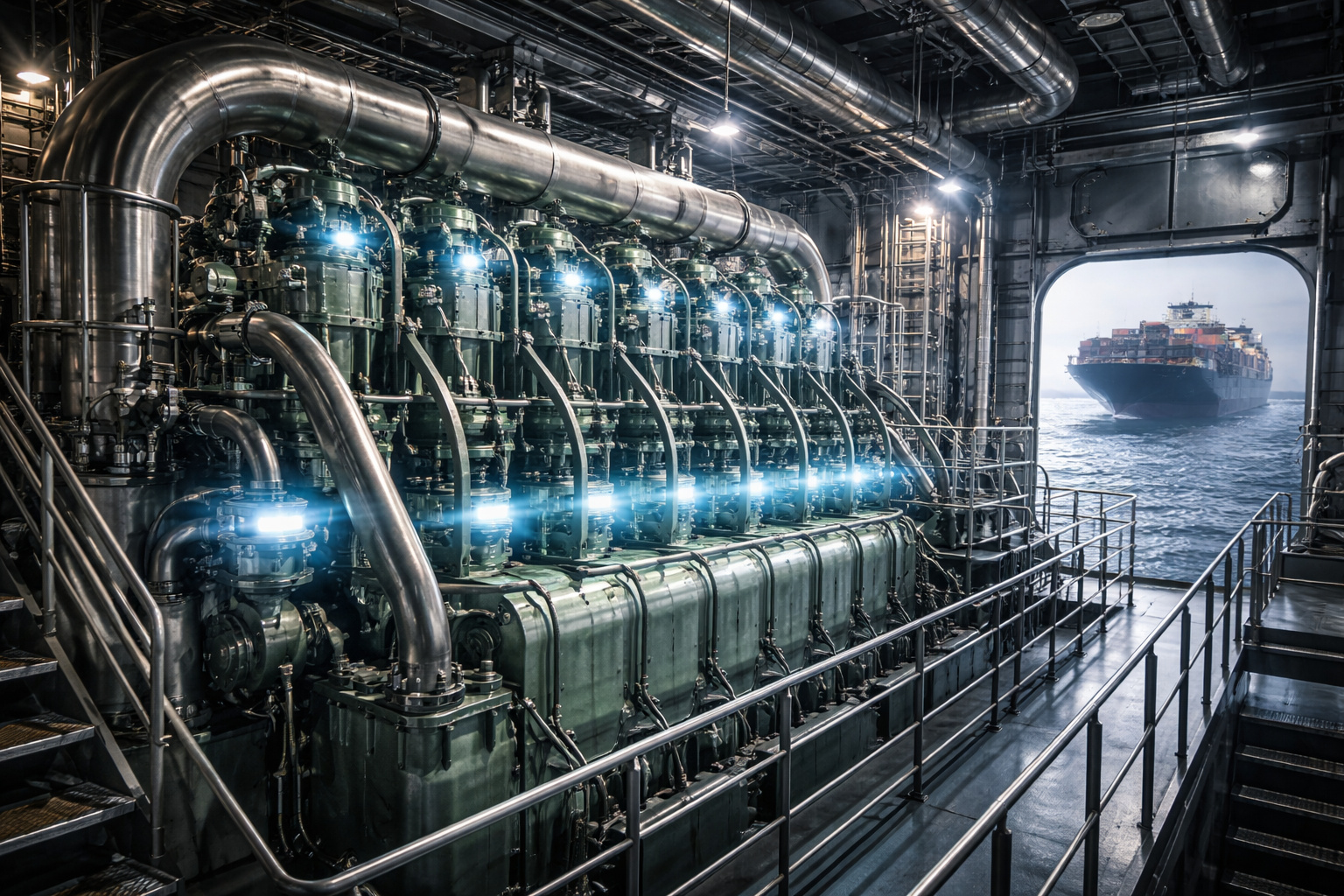
Europe is trying to create an ammonia-powered marine engine without auxiliary fuel, which could unlock the race for giant emission-free ships. The technology aims to eliminate one of the biggest obstacles to clean maritime propulsion.
-
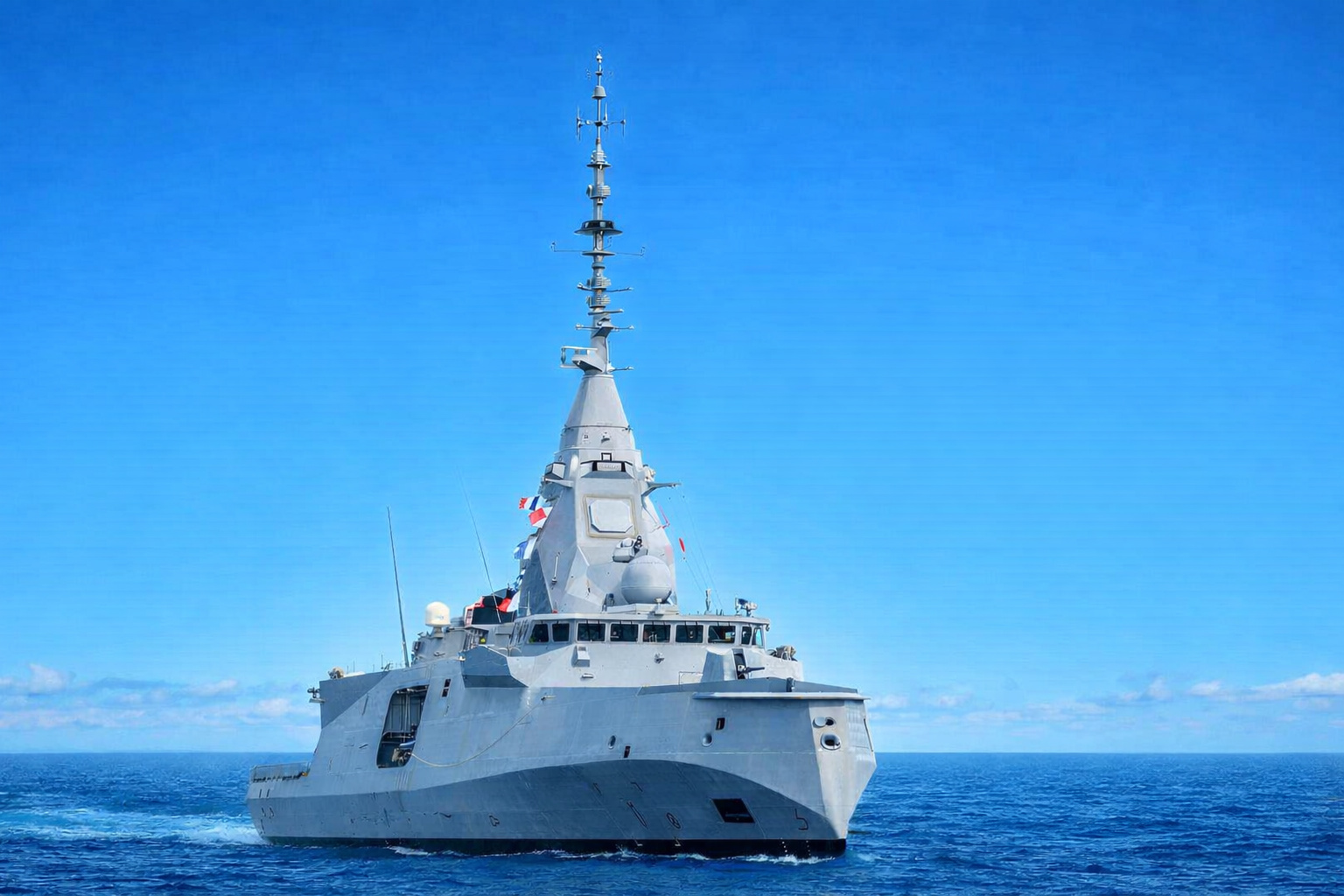
A 4,500-ton frigate with just over 100 crew members, state-of-the-art radar, and cruise missiles is being touted as the new standard of naval warfare in the 21st century.
-
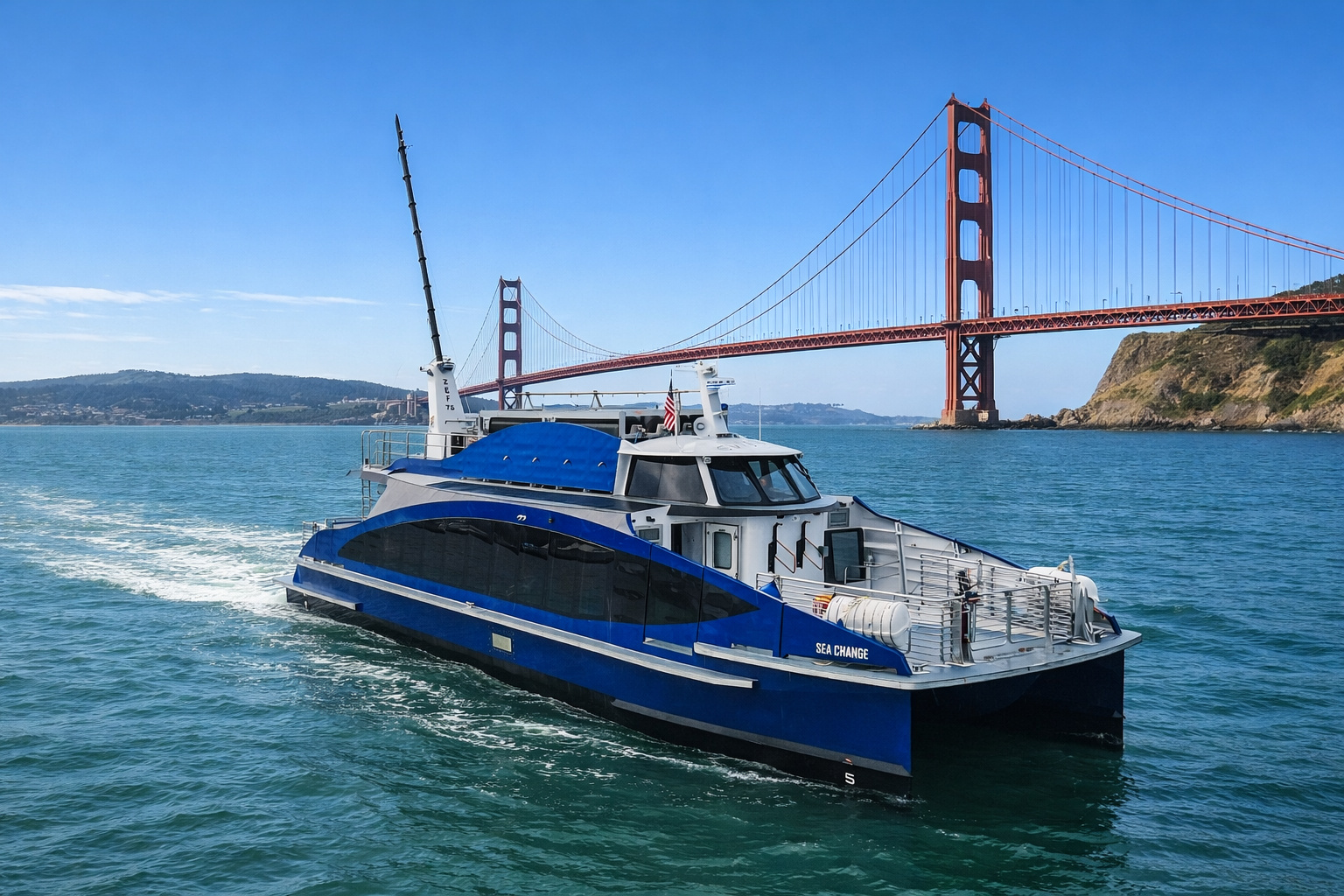
The first commercial hydrogen-powered ferry enters operation in the U.S., eliminates the use of diesel, uses fuel cells to generate clean energy on board, and transforms San Francisco Bay into a landmark of the new era of emission-free navigation.
-
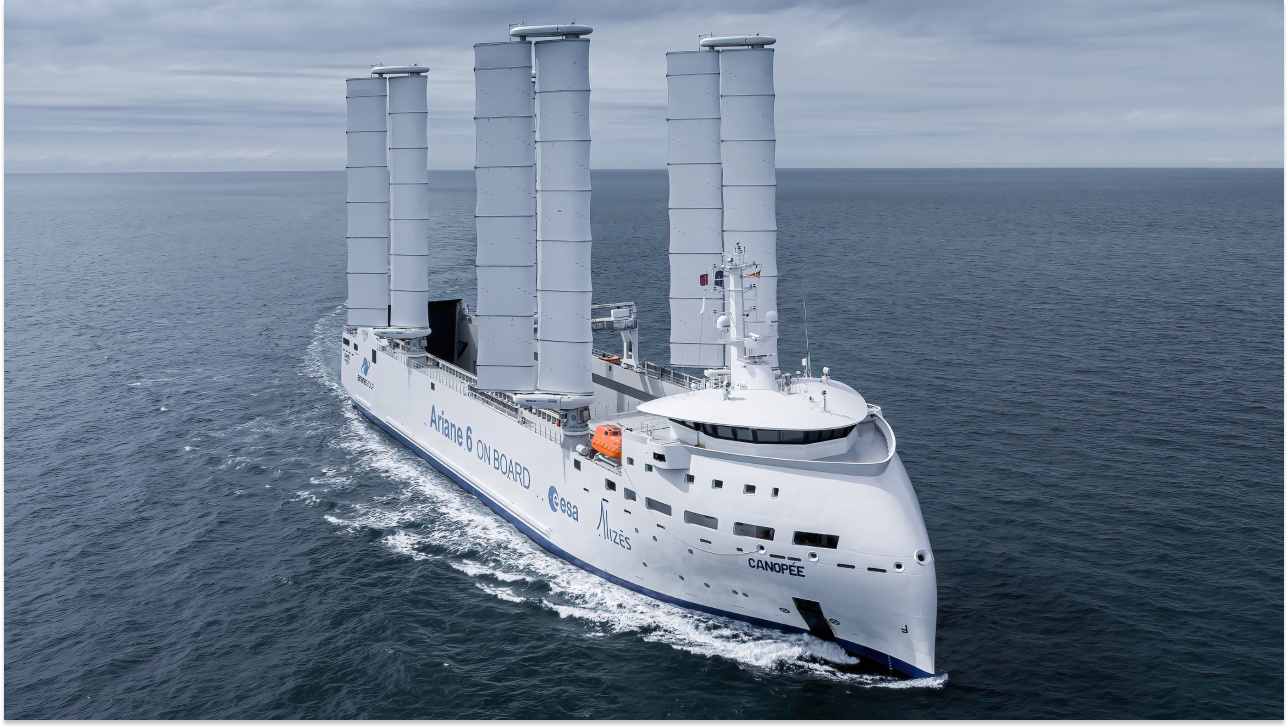
With a length of 121 meters and four rigid sails of 36 meters that automatically rotate to capture the wind, Canopée is the world’s first hybrid industrial cargo ship powered by wind, used to transport rockets and reduce fuel consumption by up to 30% on transoceanic routes.

Maintaining a fleet of nine submarines in operation is a logistical and financial challenge. Submarines require regular maintenance, and this reserve is essential to ensure that there are always submarines ready to defend the coast. In the long term, it would be beneficial for the Brazilian Navy’s fleet to evolve to include more nuclear submarines, which have greater autonomy and operational capability in open sea.
However, the Transition to a Fleet Composed Entirely of Nuclear Submarines Is Extremely Expensive and Complex, Something That Is Not Feasible at the Moment
But with continuous investment and technological development, the Brazilian Navy can continue to modernize and perhaps one day achieve this goal. To fulfill its functions of defending the Brazilian coast, the Brazilian Navy needs at least nine submarines: six conventional and three nuclear. This structure would allow for a robust and flexible defense, capable of responding to various threats. Over time and with the right investments, the Brazilian Navy can continue to strengthen its fleet and ensure the security of Brazilian waters.







Seja o primeiro a reagir!