





 Portuguese
  English
  Spanish
  7 min of reading
  0 comments



The state of Goiás consolidates its position as a protagonist in the low-carbon economy by integrating rare earth and lithium exploration with energy transition incentive policies in Goiás, attracting billions in foreign investments to the mineral sector.
The state of Goiás takes national leadership in the race for decarbonization by structuring an industrial ecosystem focused on energy transition in Goiás and the supply of critical minerals for the global market.
Recent data from the mining and industry sector indicate that the Goiás territory holds valuable reserves of strategic minerals, such as neodymium and lithium, essential components for the manufacture of electric vehicle batteries and wind turbines.
The state government actively promotes the modernization of industrial plants, connecting mineral extraction with the development of clean technologies on regional soil. This strategic movement strengthens the competitiveness of companies established in the state, which are now seeking environmental certifications to export products with a sustainability seal.
-
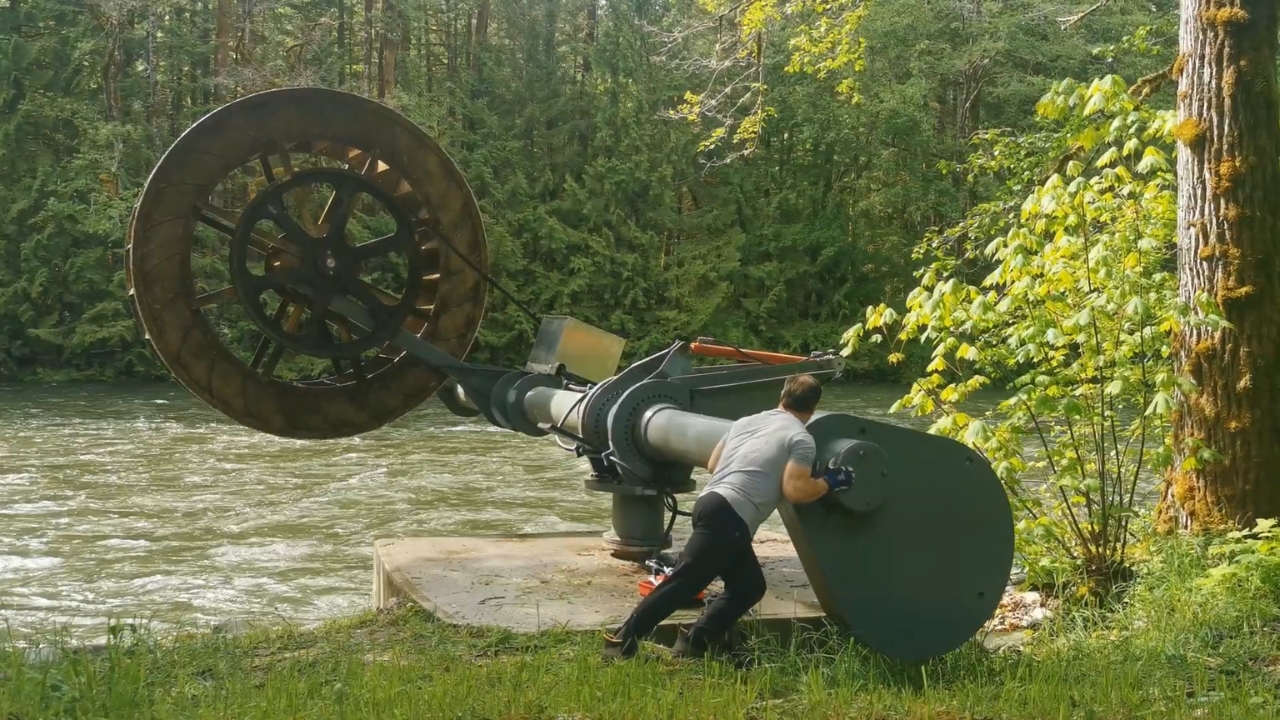
A Canadian retiree creates a hydroelectric system on a real river, generating energy continuously throughout the day and demonstrating how the power of water can supply a house with stability even in a simple structure.
-
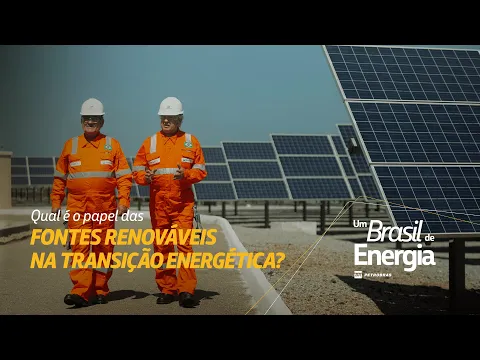
Petrobras reaffirms its commitment to the market and ensures that it will carry out the energy transition safely to maintain national sovereignty.

-
Researchers discover a possible hydrogen deposit of up to 46 million tons beneath an ancient coal basin, and the volume could exceed half of the entire global production.

-
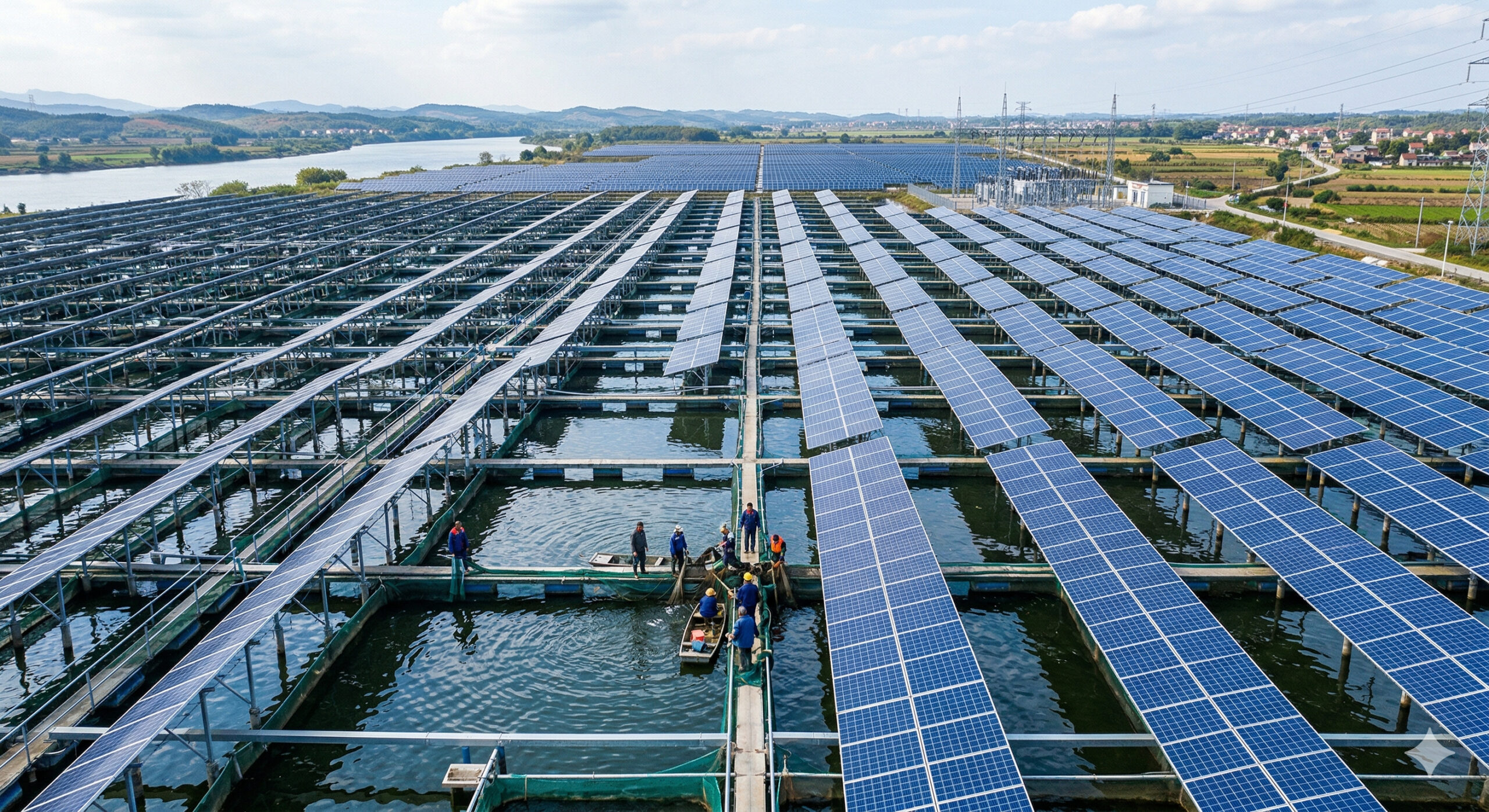
China bets on the Fishery-PV model and transforms fish farms into giant solar plants, covering ponds with panels that generate energy while utilizing the same space for large-scale aquaculture production.

The advancement of energy transition in Goiás is not limited to changing the electricity matrix but encompasses a profound transformation in the supply chain, generating thousands of skilled jobs and placing Goiás municipalities at the center of the geopolitical map of renewable energies in 2026.
The geological potential and the role of critical minerals in Goiás
Goiás has one of the richest and most diverse geologies in Brazil. The Goiás subsoil holds what experts call “the new diamonds”: strategic minerals.
For the energy transition in Goiás and the world to occur, the industry requires a massive amount of chemical elements that allow for the efficient storage and conduction of energy.
The exploration of rare earths in cities like Minaçu and the potential for lithium in other regions transform the economic profile of the state. Unlike traditional iron or gold mining, the extraction of these new minerals requires advanced chemical processing technologies.
Goiás invests in research centers to process these elements locally, avoiding the state from merely exporting raw materials. By verticalizing production, the state retains more added value, creates a cutting-edge chemical industry, and ensures that technological progress accompanies the preservation of local biomes.
Industrial competitiveness and the Goian carbon footprint
The Goian industry understands that sustainability is the new standard of competitiveness. Large companies, especially in the food, pharmaceuticals, and logistics sectors, therefore adopt rigorous emission reduction targets.
The energy transition in Goiás offers these companies the necessary infrastructure to replace fossil sources with solar energy, biomass, and green hydrogen.

The state already holds prominent positions in biofuel production, such as ethanol and biodiesel. Now, the integration of these biofuels with vehicle electrification creates an efficient hybrid model.
Factories located in the industrial districts of Aparecida de Goiânia and Anápolis, for example, install their own solar parks to reduce operational costs and improve the carbon balance. This energy autonomy protects companies against price fluctuations in the international oil market, ensuring more stable and cheaper production in the long term.
Green logistics and the flow of mineral production
For the energy transition in Goiás to reach its full potential, transportation logistics needs to evolve. The state government and the private sector invest in modernizing railways and highways to efficiently transport strategic minerals.
The use of trucks powered by natural gas and biomethane on mineral flow routes reduces the environmental impact of the logistics sector.
The North-South Railway plays a fundamental role in this scenario. It connects the heart of Goiás to the main ports of the country, allowing essential minerals for global batteries to reach Europe and Asia at a lower freight cost.
“Green Logistics” becomes a competitive differential; the international market prefers to buy minerals from regions that use low-carbon transportation. Goiás, strategically positioned in the center of the country, leverages its location to serve as the distribution hub of the new sustainable economy.
Why is Goian Neodymium so important?
Many people are unaware of the practical use of minerals extracted from Goiás soil. Neodymium, for example, allows for the manufacture of super-powerful magnets. These magnets are the “heart” of electric car motors and wind turbine generators. Without these elements, the motors would be heavy and inefficient.
Goiás hosts one of the few rare earth deposits outside China that have immediate commercial viability. This geological curiosity places the state in a position of national security for countries seeking to diversify their technology suppliers.

The responsible exploration of these resources finances spring recovery programs and technical education projects in the interior of the state, thus proving that high-tech mining can coexist harmoniously with the environment.
The agriculture sector and bioenergy in Goiás
The energy transition in Goiás finds one of its greatest allies in agriculture. The state is a powerhouse in the production of sugarcane, corn, and soybeans.
What was once considered agricultural waste, such as sugarcane bagasse and corn stalks, now turns into electricity and biogas through cogeneration and biodigestion processes.
Bioenergy plants in Goiás function as mini power plants that stabilize the regional grid. During the harvest, these plants inject a significant surplus of clean energy into the system, reducing dependence on distant hydroelectric plants.
Moreover, the biomethane produced from organic waste replaces diesel in agricultural machinery, creating a closed production cycle where the farm generates its own fuel. This circular economy model strengthens Goiás’ leadership in sustainability in the countryside.
Professional qualification and the new jobs of clean energy
The advancement of energy transition in Goiás demands an increasingly specialized workforce. The strategic mining sector and renewable energy industries hire materials engineers, photovoltaic system technicians, mineral chemistry specialists, and smart grid operators. Technical education institutions in Goiás are reformulating their curricula to meet this frantic demand.
Thus, the emergence of these “green jobs” attracts young professionals to the interior of the state, combating urban exodus. Municipalities that once relied solely on basic agriculture now celebrate the arrival of technological centers and mineral analysis laboratories.
The qualification of the Goian worker raises the average income of families and ensures that the state participates not only in extraction but also in innovation and maintenance of clean energy technologies.
Environmental challenges and low-impact mining for the energy transition in Goiás
The government of Goiás applies strict laws to ensure that the energy transition in Goiás occurs ethically and safely. Mining critical minerals requires constant monitoring of water resources and waste management.
The state encourages the use of dry mining technologies, which eliminate the need for conventional tailings dams, minimizing environmental accident risks.
The Goian environmental licensing uses digital systems and satellite images to monitor extraction areas in real time. Companies that adopt the best practices for recovering degraded areas receive tax incentives and greater credit facilities from development banks.

This balance between economic exploration and environmental rigor defines the success of the Goian model, serving as an example for other mining states seeking sustainability.
Innovation: Goiás as a battery and storage hub
The next step in the energy transition in Goiás strategy involves the local manufacturing of battery cells. The state seeks partnerships with global automakers to install battery assembly units near mineral extraction areas.
Producing the battery where the mineral is extracted drastically reduces the logistical cost and carbon footprint of the final product.
Researchers at Goiás universities study new metal alloys that use local minerals to increase the autonomy of electric vehicles.
If the state consolidates this industrial hub, Goiás will cease to be merely a supplier of inputs to become a manufacturer of technological solutions. This future vision will soon transform the regional economy, protecting the state against crises in traditional sectors and ensuring prosperity for the coming decades.
The prominence of Goiás in the new energy order
The journey towards the energy transition in Goiás demonstrates that the state has understood the demands of the 21st century. By uniting its geological wealth with a competitive industry and a modern agriculture sector, Goiás creates a unique development model.
The sun, wind, and minerals from the Goiás subsoil form the tripod that sustains a thriving and sustainable economy.
The success of this plan depends on the continuity of investments in infrastructure and in the training of people. The state proves that the interior of Brazil has the technical and natural capital to lead the clean energy revolution.
With planning and innovation, Goiás ensures that economic progress walks hand in hand with environmental protection, guaranteeing a record growth 2026 and a positive impact for all Brazilian society.







Seja o primeiro a reagir!