





 Portuguese
  English
  Spanish
  7 min of reading
  0 comments



Chamber discusses driver’s license at 16 within a comprehensive reform of the Traffic Code with about 270 proposals under review.
On March 11, 2026, the Chamber of Deputies confirmed that the special committee responsible for analyzing changes to the Brazilian Traffic Code approved a work plan that includes, among the central themes, the debate on the reduction of the minimum age for the first driver’s license from 18 to 16 years. According to the Chamber Agency, the discussion was officially scheduled for April 1, 2026 and is part of a much larger legislative review package.
The most striking fact is that the proposal for a driver’s license at 16 is not being discussed in isolation, but within a reform that gathers about 270 projects attached to PL 8085/2014, all aimed at altering important points of Brazilian traffic. This means that the debate involves not only the age to drive but a possible broad restructuring of driver training rules, exams, inspections, speed limits, tolls, and road safety criteria.
This combination of a highly appealing topic and a large legislative package helps explain why the agenda has gained so much traction. The discussion about allowing 16-year-olds to obtain their first driver’s license affects families, schools, driving schools, insurance companies, mobility companies, and, most importantly, public perception of maturity, responsibility, and risk in traffic. At the same time, the proposal comes coupled with a larger reform, which increases its potential impact on millions of drivers.
-
The new Civil Code could revolutionize marriages in Brazil with “express divorce” and changes that could exclude spouses from inheritance.

-
Banco do Brasil sues famous influencer for million-dollar debt and intensifies debate on delinquency, risks of seizure, and direct impact on Gkay’s credibility.

-
The Senate approves a bill that criminalizes misogyny, hatred, or aversion towards women, and includes the crime in the Racism Law with a penalty of up to 5 years.

-
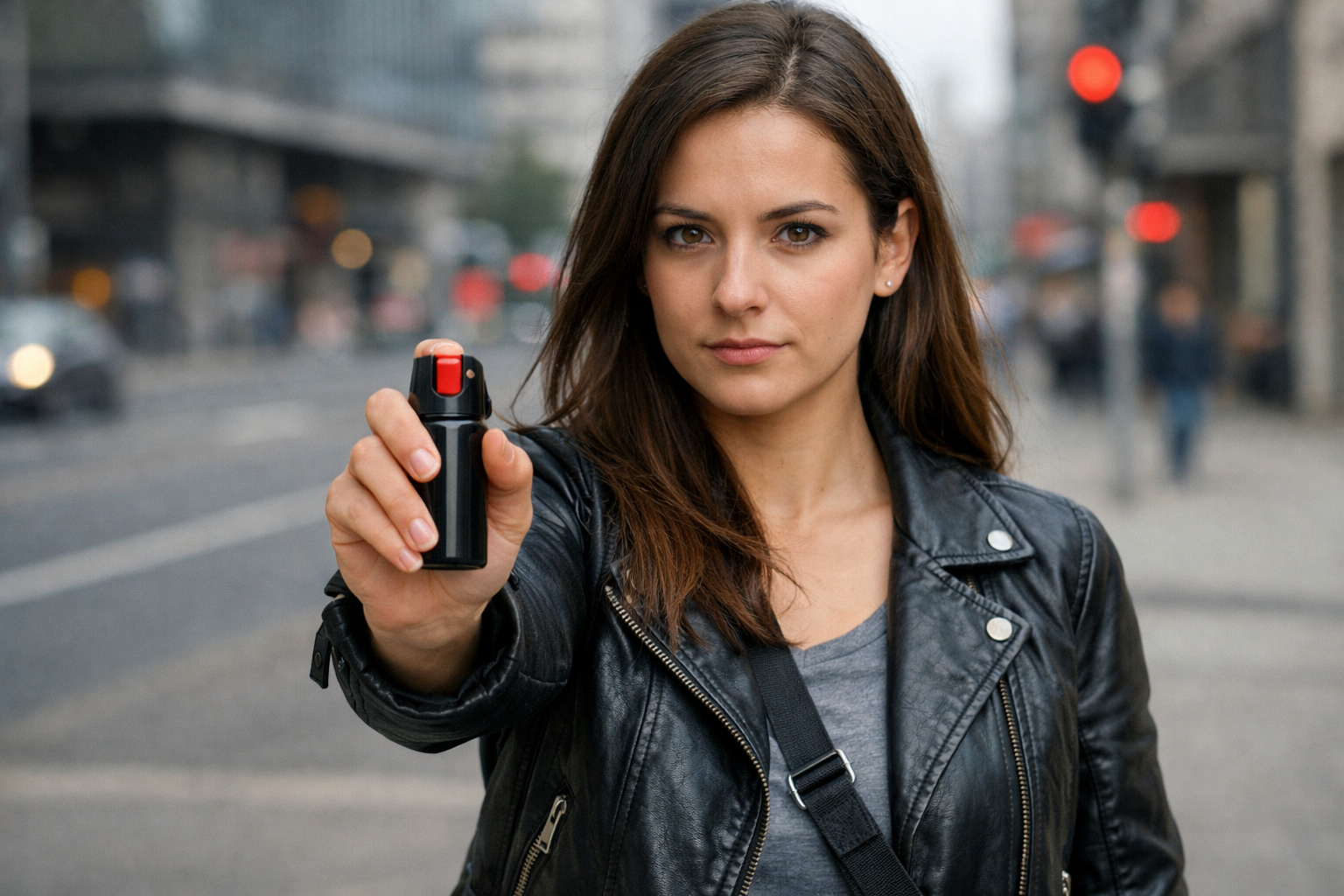
Chamber Approves Bill That Allows Pepper Spray for Women Over 16 and Imposes Strict Rules for Purchase, Possession, and Use as Self-Defense

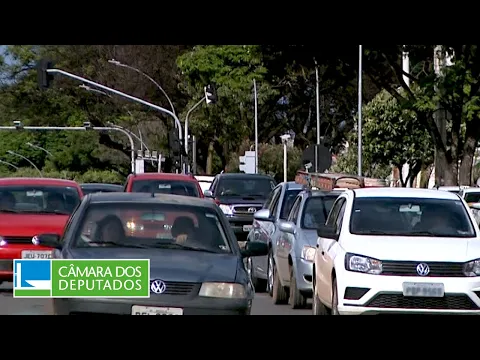
Special committee of the Chamber analyzes deep changes in the Brazilian Traffic Code
The special committee leading the debate was created at the end of February 2026 and has as its formal axis of analysis the Bill 8085/2014, to which 270 other proposals related to the Brazilian Traffic Code have been attached.
The rapporteur himself, deputy Aureo Ribeiro, stated that the current legislation remains essential for organizing mobility and preserving lives but needs to be updated in light of social, technological, and urban transformations.
This point is crucial to understanding the scope of the debate. The Traffic Code is not being revised merely because there is a controversial proposal about earlier licensing. The committee’s reading is that the current system no longer fully responds to the contemporary dynamics of mobility.
This includes the growth of technology use in traffic, the expansion of automatic tolls, the advancement of new inspection models, and drivers’ dissatisfaction with rules considered confusing or excessively fragmented.
In practice, what is at stake is an attempt to reorganize the functioning of Brazilian traffic through a broad legislative review. When a special committee gathers hundreds of proposals around the same theme, the political signal is clear: Congress is opening space for structural changes, not just isolated ones.
Driver’s license at 16 enters the agenda with civic responsibility argument
In the specific case of licensing at 16, the most direct public defense came from the committee’s rapporteur. According to the Chamber Agency, Aureo Ribeiro stated that if a 16-year-old can vote, they can also drive.
This comparison between electoral capacity and the ability to operate a vehicle has become one of the central arguments in favor of expanding the discussion.

The vote occurs in a specific circumstance, with mediated and collective political consequences. Driving, on the other hand, involves continuous decision-making, reaction under pressure, technical mastery of the vehicle, and constant exposure to risks that can cause immediate physical harm to others. It is precisely at this point that the debate tends to intensify.
Discussion about minimum age does not occur in isolation and is surrounded by other sensitive changes
The official schedule approved by the committee shows that the discussion of the driver’s license at 16 is part of a broader cycle of public hearings.
The agenda also includes debates on driver training, new rules for medical, psychological, and toxicological exams, as well as speed limits, mobile radars, and free-flow toll systems.
This makes the debate more complex and politically dangerous. An isolated change in the minimum age would already be enough to mobilize strong opinions. When it comes accompanied by discussions about facilitating or altering exams, driver education, and electronic inspections, the effect tends to be even greater, as different groups perceive a simultaneous risk of loosening in various points of the system.
Driver training becomes central theme amid criticism from driving schools and experts
During the same meeting in which the work plan was approved, representatives from driving schools and experts criticized what they classify as the precariousness of traffic education. According to the Chamber Agency, they expressed concern about the reduction of practical lesson hours and proposals that would facilitate theoretical and practical exams, including discussions about removing the parallel parking requirement.
This point is one of the most sensitive of the entire reform. For critics, discussing licensing at 16 without first strengthening the training and evaluation process would be to invert priorities.
The central criticism is that Brazil already faces serious problems with unequal training, unsafe driving, and a culture of disrespect for rules. In this scenario, expanding the pool of candidates without reinforcing the qualification filter could increase risk, not reduce it.
Medical, psychological, and toxicological exams also enter the reform radar
Another relevant axis of the approved schedule is the debate on rules for medical, psychological, and toxicological exams.
The Chamber Agency reported that the National Mobilization of Doctors and Psychologists defended the maintenance of these filters as a “collective safety lock” and criticized the gradual removal of requirements due to recent policies.
The presence of this topic at the center of the agenda reveals that the reform of the Traffic Code is being built on a conflict of regulatory philosophy.
On one side, there are sectors arguing for simplification of steps, cost reduction, and updating of procedures. On the other, there are groups that see the requirements for physical and mental health as an indispensable minimum protection to prevent unfit drivers from gaining easier access to driving.
Fines, tolls, and speed limits expand the political reach of the reform
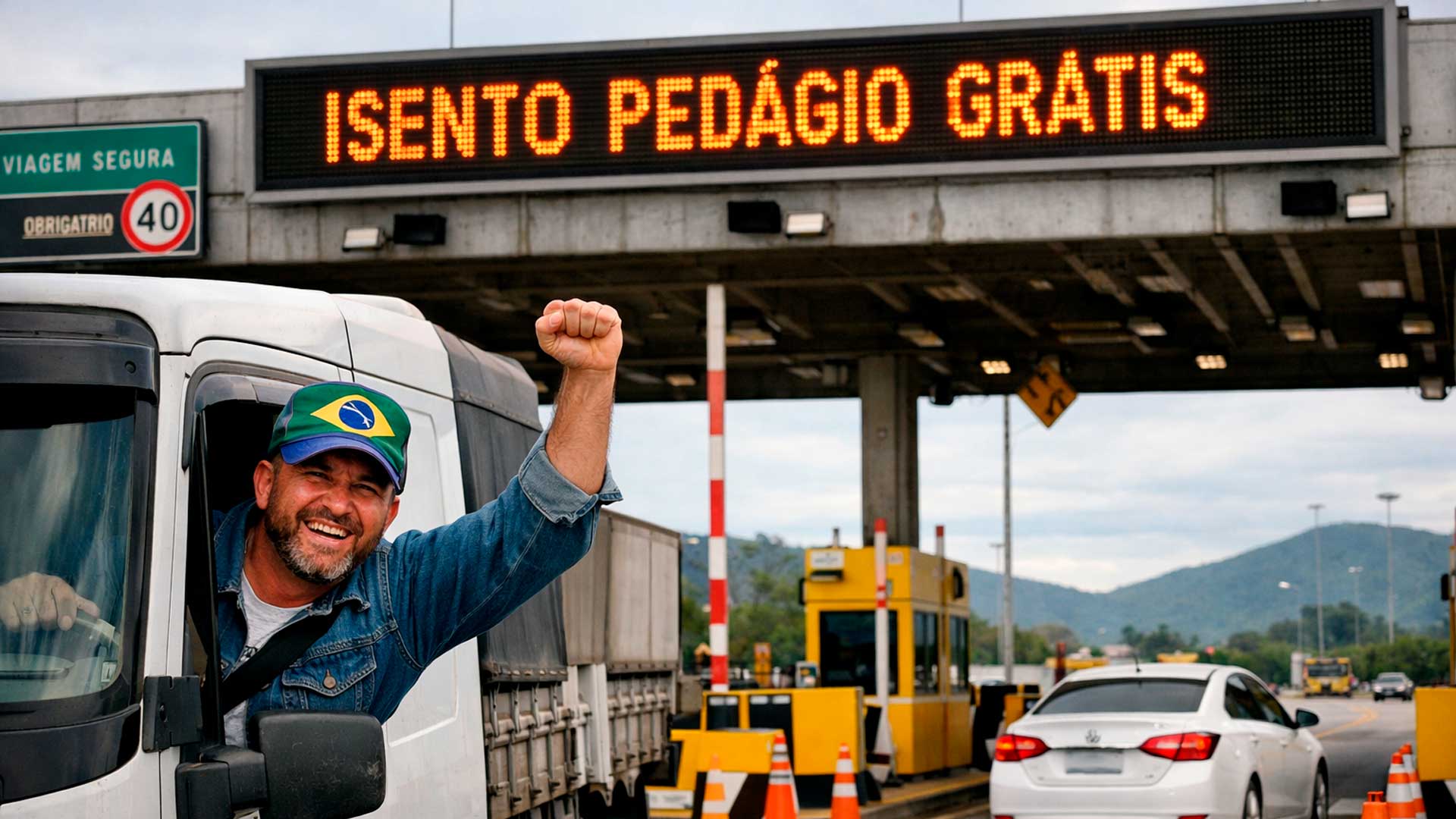
The rapporteur also indicated as key themes of the debate issues that directly affect the wallet and daily life of Brazilian drivers. According to the official report from the Chamber, he cited fines, tolls, and the variation of speed limits on short stretches of highways as central issues of the review.
This aspect helps to understand why the reform has the potential for much greater repercussions than a technical debate among parliamentarians and experts. When topics such as free flow at tolls, mobile radars, mandatory exams, and minimum age to drive enter the same package, the political reach expands. The average driver begins to perceive that the reform can directly affect how they pay tolls, receive fines, renew documents, and fulfill bureaucratic requirements.
Reform of the Traffic Code may redraw the logic of mobility in Brazil
When the Chamber discusses hundreds of proposals regarding the Traffic Code, what is being reviewed is not just a set of bureaucratic rules but the very logic of coexistence among pedestrians, drivers, motorcyclists, transport companies, and public authorities.
Contemporary mobility has become denser, more technological, and more pressured by urban space disputes. At the same time, Brazil continues to face high accident rates, signaling failures, training problems, and strong judicialization of issues related to inspections and penalties.
The reform attempts to respond to this scenario, but it is still unclear whether it will move towards a stricter, more flexible, or merely more confusing model.
In the case of licensing at 16, the topic gains proportion precisely because it serves as a symbol of all this. It concentrates discussions about youth, responsibility, risk, individual freedom, training costs, and the role of the state in controlling circulation.
Debate is still in its initial phase and does not mean automatic approval
It is important to highlight that the existence of the committee and public hearings does not mean automatic approval of any changes. What exists so far is a formal legislative discussion process already opened, with a defined schedule and officially selected topics for debate.
The hearing on the minimum age scheduled for April 1, 2026, is, in this sense, an important political milestone, but still initial.
This means that the agenda for the driver’s license at 16 has already moved from the realm of speculation and entered the real legislative circuit, but it still depends on consensus building, technical formulation, political articulation, and eventual approval in later stages.
In reforms of this type, public debate often weighs as much as formal processing, because pressures from entities, experts, and public opinion can profoundly alter the final text.








Seja o primeiro a reagir!