





 Portuguese
  English
  Spanish
  6 min of reading
  0 comments


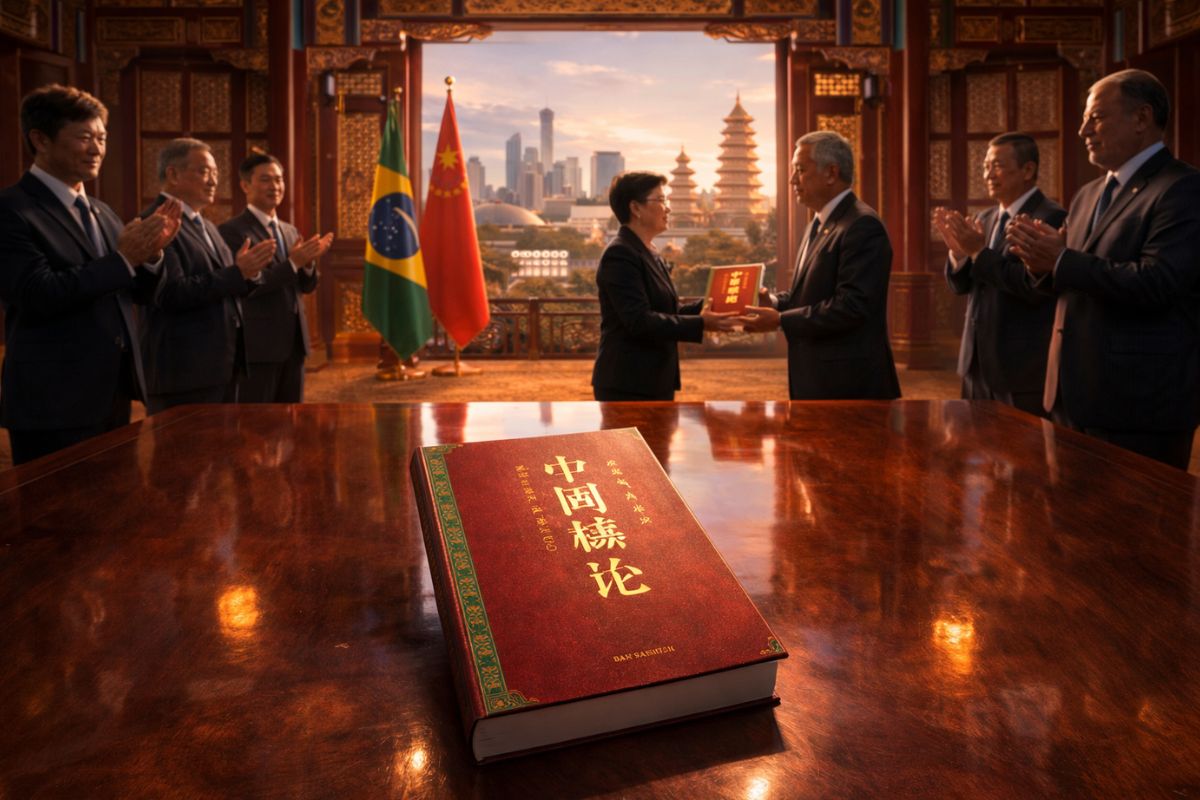
The Brazilian People by Darcy Ribeiro was launched for the first time in Mandarin during the China-Brazil Cultural Year, with a ceremony in Beijing and delivery to six Chinese academic institutions. The translator Yan Qiaorong claims that China needs to know Brazil in depth, not just at the commercial level.
The China has just received, in Mandarin, one of the most important works of Brazilian social thought. The Brazilian People: The Formation and Meaning of Brazil, by Darcy Ribeiro, was launched this Thursday (April 9) in Beijing, with a ceremony that included the delivery of the volume to six major Chinese academic institutions. The translator responsible for the Mandarin version, Yan Qiaorong, a professor at the Communication University of China, was direct in explaining why this publication matters now: “The time has come for China to understand Brazil deeply, not just at the commercial level.”
The launch takes place as part of the celebrations of the China-Brazil Cultural Year and opens a circuit of presentations that will pass through Shanghai, Hanoi, Suzhou, and Macau in the coming weeks. For the president of the Darcy Ribeiro Foundation, José Ronaldo Alves da Cunha, who traveled to Beijing for the event, this moment fulfills one of the dreams of the Brazilian intellectual. “I am sure that Darcy would be exultant,” he stated. “I feel like I am fulfilling one of his goals, realizing this dream of bringing The Brazilian People to China.”
Why is China only now receiving Darcy Ribeiro in Mandarin
Professor Yan Qiaorong explains that Brazil has always been well represented in China by its literature, with authors like Machado de Assis already translated into Mandarin. But in the academic and social thought area, works that represent deep reflection on what Brazil is are very rare in the Chinese language. It was this gap that motivated the translator to undertake the work of translating into Mandarin a work written over 30 years and completed by Darcy Ribeiro in 1995, shortly before his death.
-
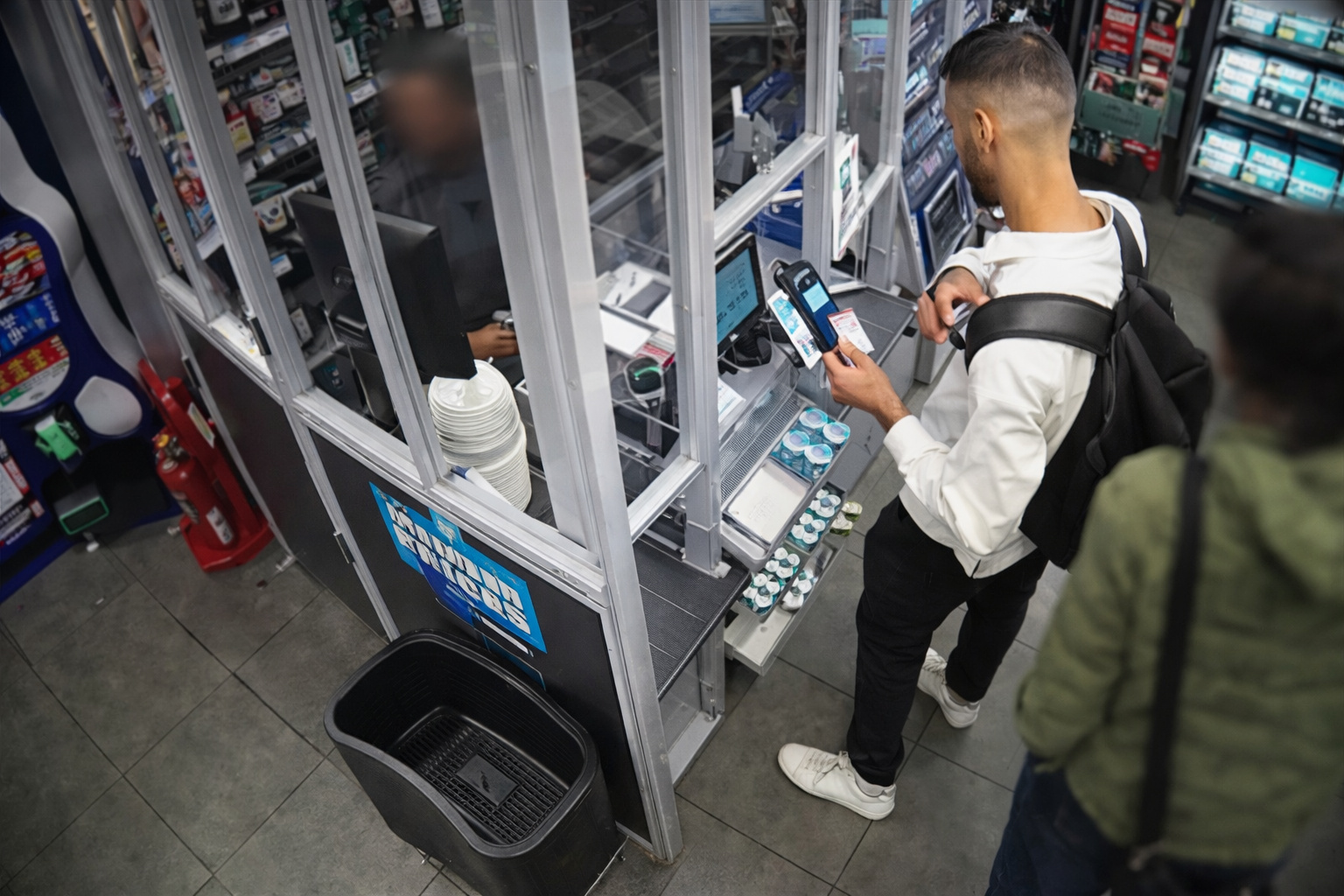
Backpack theft in pub ends with Fabergé egg, watch, cigars, rare jewelry, and other luxury accessories worth R$ 15 million missing.
-
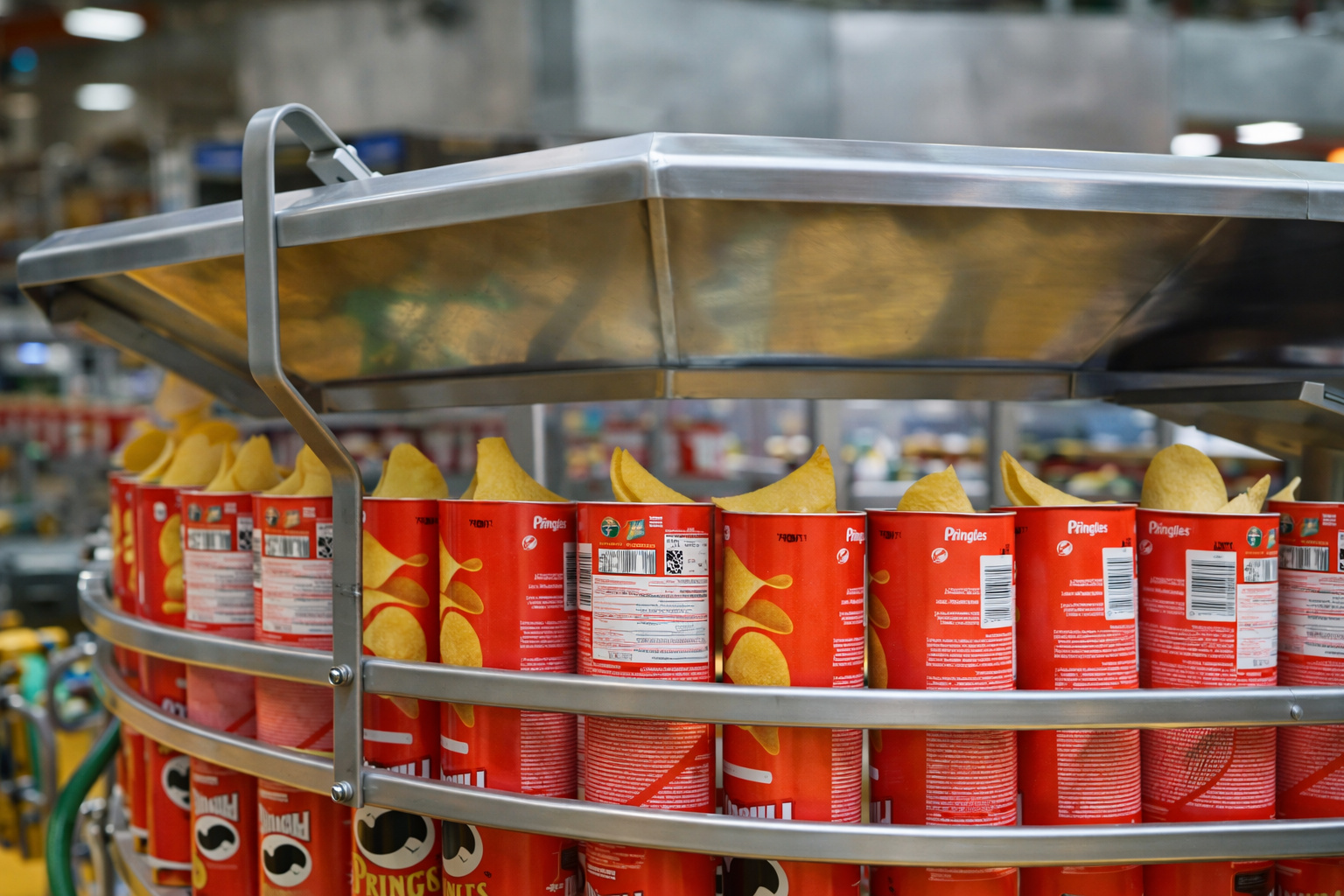
With tons of daily production, a potato famous for its curved shape surprises with a standardized industrial process, a dough that includes dehydrated potato flakes and a crunch that impresses the entire world.
-
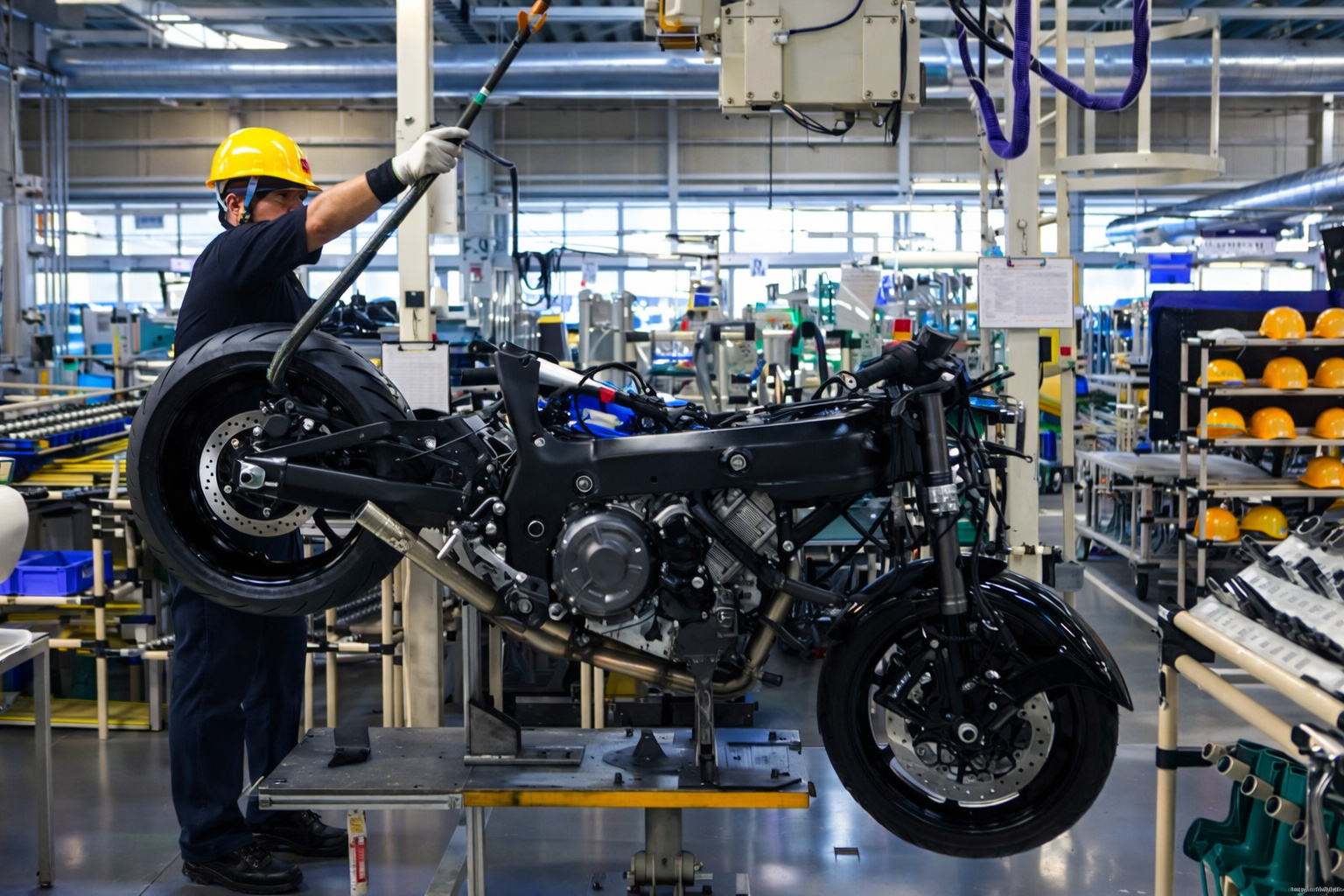
In Japan, the fastest motorcycle in the country is manufactured with advanced technology, extreme precision in its parts, and a focus on performance and stability at high speeds.
-
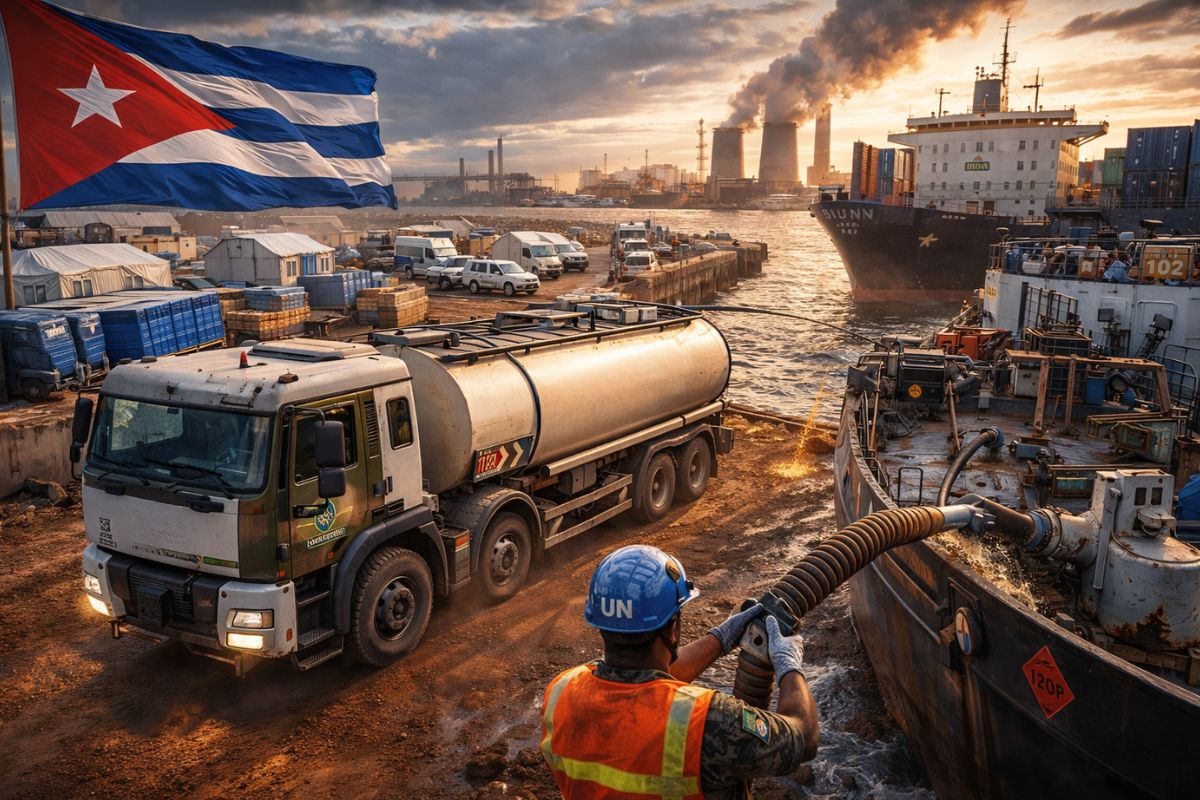
Cuba has been without enough fuel for more than three months, and the situation is so extreme that the UN has never had to do what it is about to do now: import diesel with a budget of 7.5 million dollars just to move its own humanitarian aid.
The decision to translate The Brazilian People was not just academic. For Yan Qiaorong, the relationship between China and Brazil needs to go beyond commercial figures and commodity negotiations. “Chinese and Brazilians share many similar things. We have our history also full of suffering”, said the translator. In her view, friendship between peoples is not established at the state level, among great authorities, but between ordinary people who know and understand each other. Darcy Ribeiro’s book is, in this sense, a bridge between two peoples who know little beyond the numbers of bilateral trade.
Who was Darcy Ribeiro and why does The Brazilian People matter

Darcy Ribeiro was an anthropologist, educator, novelist, and politician. He helped to found the University of Brasília and was Minister of Education in João Goulart’s government, who was overthrown by the military coup of 1964. In exile, he began the studies that culminated in The Brazilian People, a work that took three decades to complete and aims to explain the formation of the Brazilian people, their origins, their mixtures, their inequalities, and their meaning as a nation.
The story of the completion of the book is, in itself, extraordinary. Darcy Ribeiro suffered a serious lung problem and, hospitalized, realized that he could die before completing the work he had started decades earlier. He literally escaped from the hospital, according to the president of the Foundation, and isolated himself in a house designed by Oscar Niemeyer in Maricá, on the coast of Rio de Janeiro, where he worked frantically to finalize the text. The anthropologist Gisele Jacon de Araújo Moreira was fundamental in this stage, to the point that Darcy recognized her in the book itself with the words: “This book is our work.”
Darcy Ribeiro’s view of China and the Chinese revolution
The connection between Darcy Ribeiro’s thought and China is not new, and the publication in Mandarin gains an extra layer of meaning when one knows the admiration that the Brazilian intellectual had for the Chinese revolution. Gisele Jacon explained that Darcy considered the Chinese revolution the greatest global event in terms of historical acceleration, a transformation that promoted the Chinese people from a situation of extreme poverty to what he described as an impressive condition of social equality, considering the size of the population.
For Darcy, China could serve as a mirror for Brazil in the future. He maintained this conviction until completing The Brazilian People, seeing in the Chinese trajectory proof that immense and historically marginalized peoples could reinvent themselves. This admiration makes the launch of the book in Beijing particularly symbolic: the work of a Brazilian who saw in China an example now reaches Chinese readers so that they, in turn, understand Brazil and its contradictions.
What The Brazilian People can say to today’s China
The president of the Darcy Ribeiro Foundation states that the work is not just a portrait of the past, but a platform to think about the future. “What kind of country do we want for ourselves? What kind of country will Brazilian youth fight to have?”, questioned José Ronaldo Alves da Cunha. In his view, all these questions are posed in the book as challenges that remain current: quality free education for all, land reform, public health, work, and food.
For China, which is undergoing its own process of social and economic transformation, the reading of Darcy Ribeiro offers an inverted mirror, in which it is possible to recognize similar challenges seen from another perspective. The book describes how Brazil was formed from the mixture of indigenous, African, and European peoples, the violences of this process, and the inequalities that persist. For Chinese readers, who know Brazil mainly as a supplier of soy and iron ore, The Brazilian People opens a window to understand a complex, contradictory, and deeply creative country.
The launch circuit and cultural impact in China
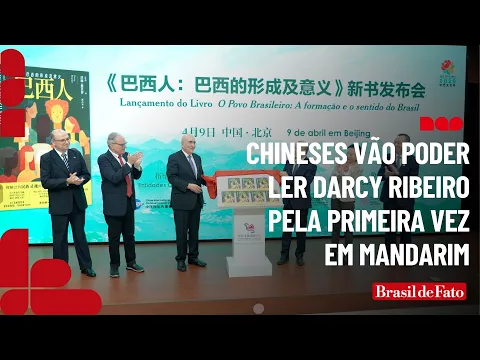

According to the channel Brasil de Fato, the launch in Beijing is just the beginning. In the coming weeks, the book will be presented in Shanghai, Hanoi, Suzhou, and Macau, expanding the reach of the work among Chinese academics and readers. The delivery of the volume to six important academic institutions in China during the Beijing ceremony ensures that The Brazilian People will have a permanent presence in libraries and research centers that form the next generations of Latin America specialists.
The political and cultural moment favors the reception. The China-Brazil Cultural Year created an institutional context for exchanges that normally face linguistic and distance barriers. José Ronaldo Alves da Cunha summarized the significance of the launch with a phrase that condenses the ambition of the project: “The best gift that Brazil could give to China would be The Brazilian People. For the Chinese people to know both the delights and the great problems that Brazil has.” Cultural rapprochement, according to him, is the most intense, most guaranteed, and most lasting that can exist between different peoples.
Darcy Ribeiro dreamed of bringing The Brazilian People to China, and now that dream has come true in Mandarin. Do you know this work? Do you think culture is the best way to bring Brazil and China closer beyond commerce? Leave your opinion in the comments.






Seja o primeiro a reagir!