





 Portuguese
  English
  Spanish
  4 min of reading
  0 comments


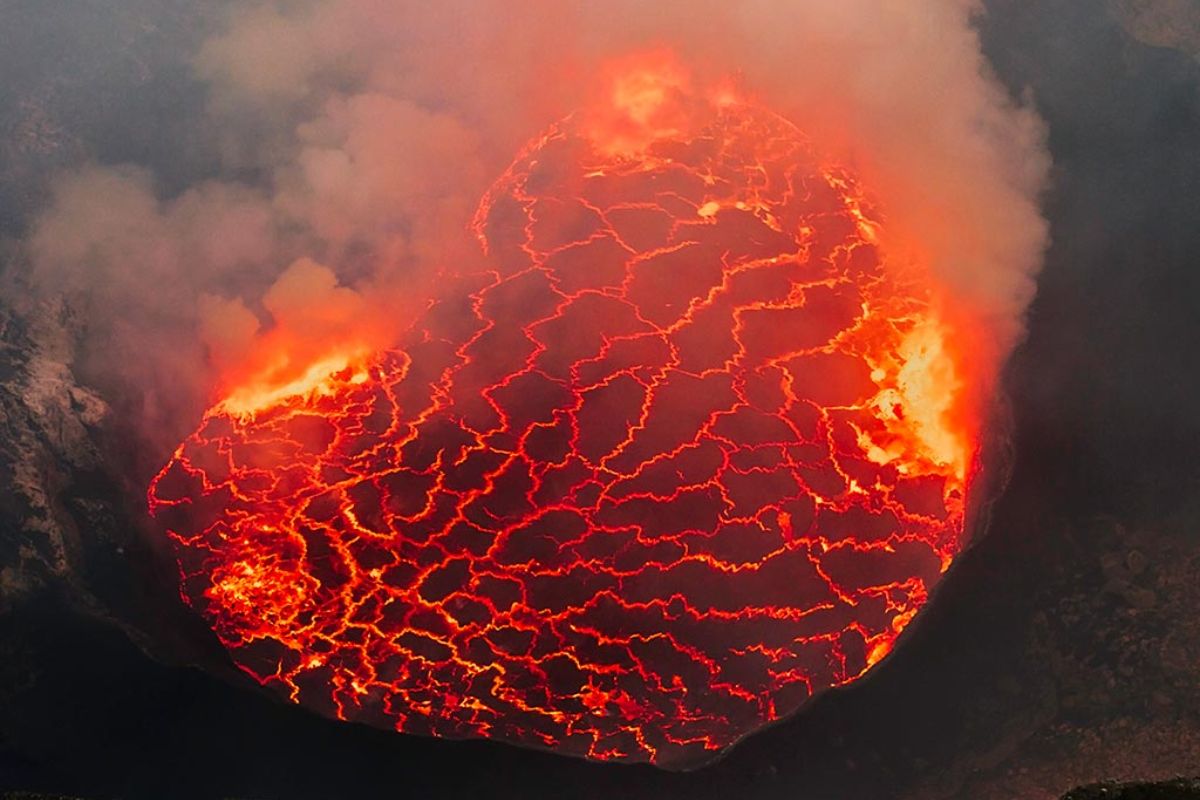
Located in the Democratic Republic of the Congo, Mount Nyiragongo Is One of the Most Dangerous Volcanoes in the World, With Ultra-Fast Lava and a Secondary Threat That Can Put Millions of Lives at Risk
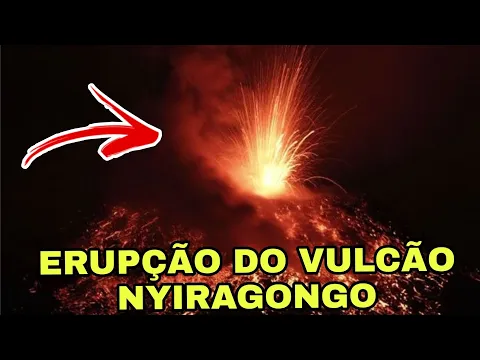
In the heart of Africa, a spectacle of nature hypnotizes and terrifies in equal measure. The imposing Mount Nyiragongo, in the Democratic Republic of the Congo, boasts the largest lava lake in the world in its crater, a sight of incandescent beauty. But beneath this facade pulses one of the deadliest geological machines on the planet, threatening the lives of millions in the city of Goma, which is dangerously built on its slopes.
The incessant activity of the Mount Nyiragongo, its catastrophic eruptions, and primarily, the unique composition of its lava make it one of the most complex and deadly geological threats on the planet. To this direct threat, a silent danger and even more devastating risk is added: the risk of a toxic gas eruption from neighboring Lake Kivu, which could be triggered by the volcano itself.
Why Is the Lava of Mount Nyiragongo One of the Fastest in the World?
What makes Mount Nyiragongo so dangerous is the chemistry of its lava. It is classified as melilitic nephelinite, an extremely rare and silica-poor volcanic rock. In magma, silica acts as a thickener. With low silica, the lava of Nyiragongo becomes exceptionally fluid, almost like a fine syrup.
-
How an innovative city combines high technology, well-being, and sustainability to become the largest reference in clean energy on the planet.
-
Couple buys 1846 church in ruins for R$ 660,000, invests R$ 3.2 million in renovations, transforms it into a millionaire mansion, and even preserved a historic cemetery with over 300 graves.
-
He started running at 66 years old, broke records at 82, and is now a subject of study for having a metabolic age comparable to that of a 20-year-old, in a case that is intriguing scientists and inspiring the world.

-
Oldest tree on the planet reappears after 130 years of searches: Wattieza, 385 million years old, was 10 meters tall and had no leaves or seeds; Gilboa fossils in New York solved the mystery in 2007.


This fluidity, combined with the steep slopes of the volcano, results in lava flows that move at alarming speeds. While the lava from volcanoes such as those in Hawaii advances slowly, allowing for evacuation, that of Nyiragongo can reach estimated speeds between 60 and 100 km/h — at some points, faster than a car in city traffic. This characteristic turns its eruptions into high-risk events, with very little time for warning and escape.
A History of Destruction, the Eruptions of 1977, 2002, and 2021 in Goma
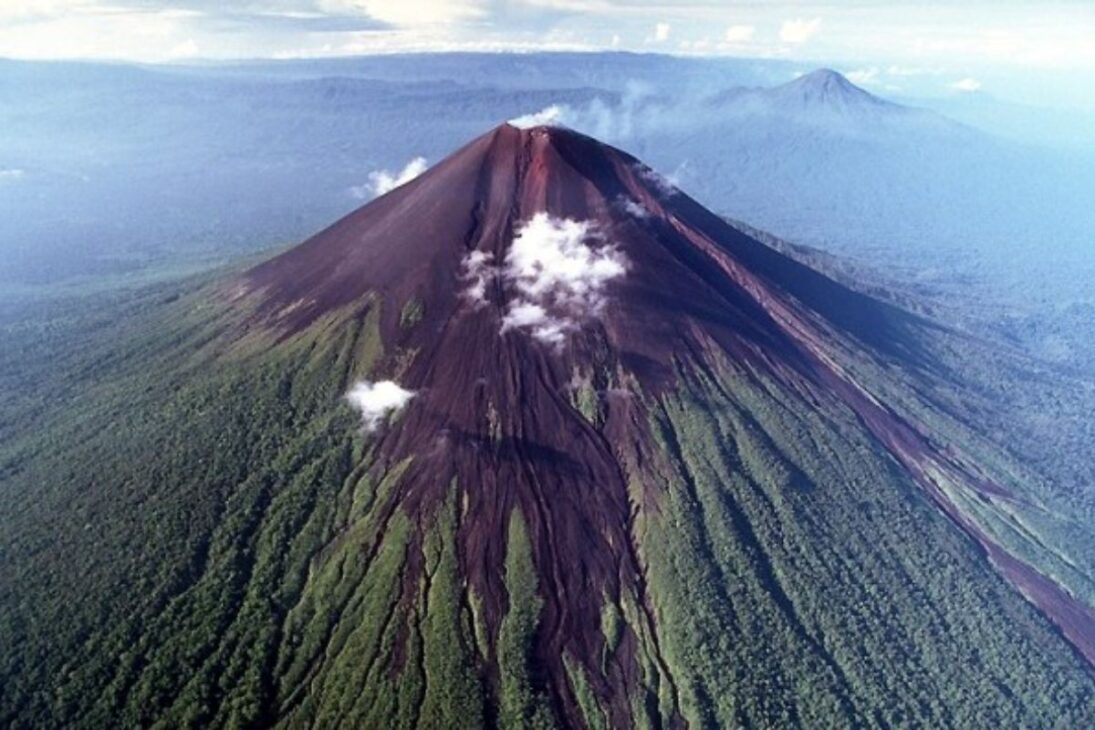
The recent history of Mount Nyiragongo is marked by three major disasters that revealed its capacity for destruction.
The Eruption of January 10, 1977: This was an event that shocked the world. The lava lake in the crater was catastrophically drained in less than an hour. The lava, traveling at up to 100 km/h, engulfed entire villages. The death toll is uncertain, with estimates ranging from 70 to over 2,000 people.
The Eruption of January 17, 2002: This time, the catastrophe was urban. A 13 km fissure opened on the southern flank of the volcano, and the lava advanced directly over the city of Goma. About 13% of the city was destroyed, including over 14,000 houses and the airport runway. The official death toll was 147, many of whom were victims of an explosion at a gas station surrounded by lava.
The Eruption of May 22, 2021: This event exposed the fragility of warning systems. The eruption began suddenly, with the first clear signs appearing only 40 minutes beforehand. The result was a chaotic evacuation of 400,000 people and 32 confirmed deaths.
The Risk of a Toxic Gas Eruption at Lake Kivu
As if the threat of lava were not enough, the region of Goma lives under an even more lethal and invisible danger. Neighboring Lake Kivu is one of only three lakes in the world that contain massive concentrations of dissolved gases, mainly carbon dioxide (CO₂) and methane. It is estimated that the lake stores 300 cubic kilometers of CO₂, a volume 1,000 times greater than that of Lake Nyos in Cameroon, which released a gas cloud in 1986 that killed over 1,700 people through asphyxiation.
The activity of Mount Nyiragongo is the most likely trigger for a catastrophe at Kivu. The entry of hot lava into the lake or a strong earthquake associated with the eruption could destabilize the water layers, causing a sudden and violent release of gas. An invisible cloud of CO₂ could spread along the shores of the lake, suffocating the more than 2 million inhabitants of Goma and the neighboring city of Gisenyi in Rwanda.
Monitoring the Danger, the Challenges of the Goma Volcanological Observatory (OVG)
At the front lines against this force of nature, a small group of Congolese scientists fights a daily battle. The Goma Volcanological Observatory (OVG) is the only institution responsible for monitoring the volcano. However, the OVG operates in a state of chronic precariousness.
The lack of constant funding, security issues for teams needing to install and maintain equipment in the dangerous Virunga National Park, and outdated technology are constant challenges. In the 2021 crisis, it was revealed that the observatory had been without internet access in the months leading up to the eruption due to non-payment, which compromised the transmission of real-time data.
Living in the Shadow of the Volcano, the Nexus of Risk, Conflict, and Poverty in Goma

The threat of Mount Nyiragongo cannot be analyzed in isolation. It exists within a context of extreme vulnerability. Goma is a city of nearly 2 million people, many living in extreme poverty and amid an armed conflict that has lasted for decades in North Kivu province.
This combination of geological risk, conflict, and poverty creates a “perfect storm.” Instability hinders development and the creation of adequate infrastructure, while poverty limits the population’s ability to evacuate or recover after a disaster. In this scenario, a volcanic eruption is not just a natural event; it is the trigger that transforms chronic vulnerability into an acute catastrophe, a crisis multiplier that tests the limits of human resilience.







-

3 pessoas reagiram a isso.