





 Portuguese
  English
  Spanish
  4 min of reading
  0 comments


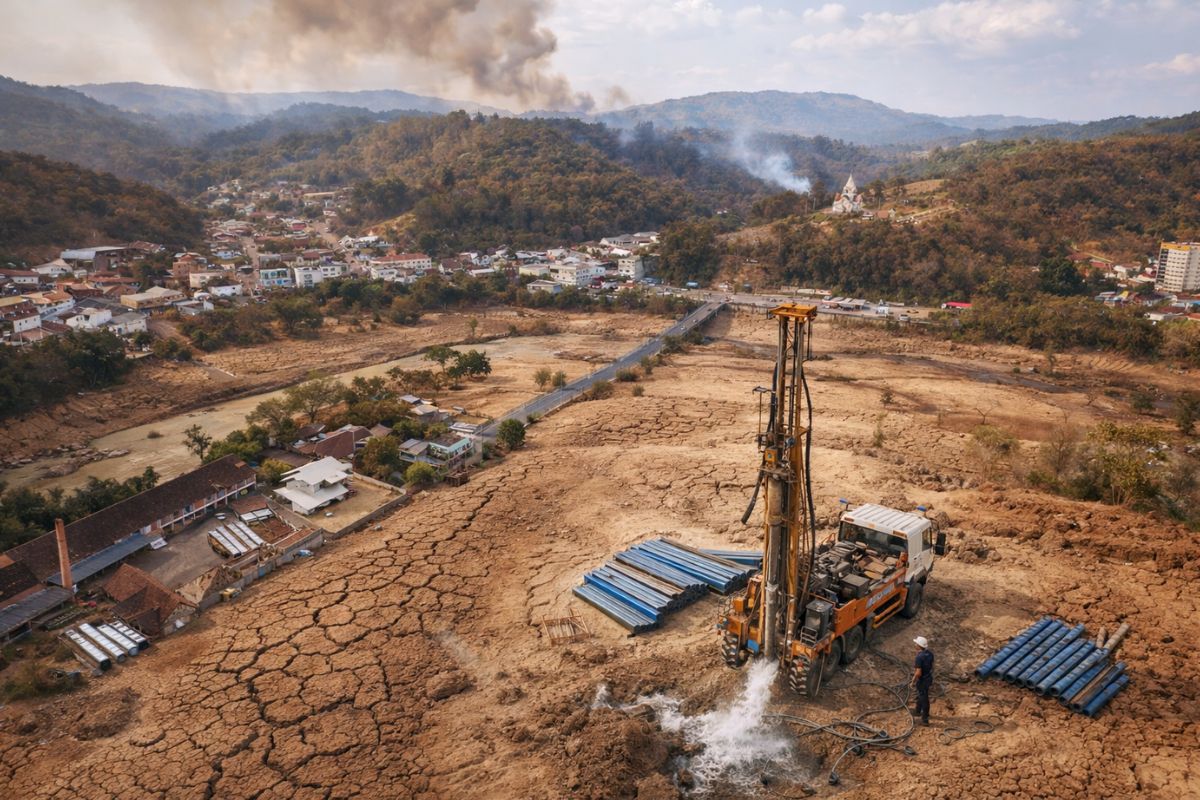
The drought in Ibirama in the Alto Vale do Itajaí began in the first half of January, was exacerbated by high temperatures, and has already compromised access to drinking water in urban and rural areas, forcing the city hall to declare a state of emergency valid for 180 days and authorize measures such as water distribution and well drilling.
Ibirama, in the Alto Vale do Itajaí, has been without significant rainfall for about four months, and the effects of this historic drought have spread throughout the city. According to the ndmais portal, the lack of water compromises the supply for families in urban and rural areas, undermines efforts, harms livestock farming, and forced the city hall to declare a state of emergency on Thursday (2). The drought has persisted since the first half of January and has been intensified by the high temperatures of recent weeks.
The situation in Ibirama exposes a reality that Santa Catarina does not usually associate with its image as a state with an abundance of water. Four months without significant rainfall in a region of the Vale do Itajaí known precisely for its rivers and springs is something out of the ordinary and has caught residents and rural producers by surprise. The drought shows no signs of warning, and the city now relies on emergency measures to ensure the basics: drinking water.
How the drought reached this point in Ibirama

The drought began discreetly. In the first half of January, the rain stopped falling regularly over Ibirama.
-
What the Public House of Julius Caesar was like inside in the Roman Forum: layout, atrium with compluvium and impluvium, tablinium and peristyle, and the scandal of the Bona Dea, revealed in an AI recreation.

-
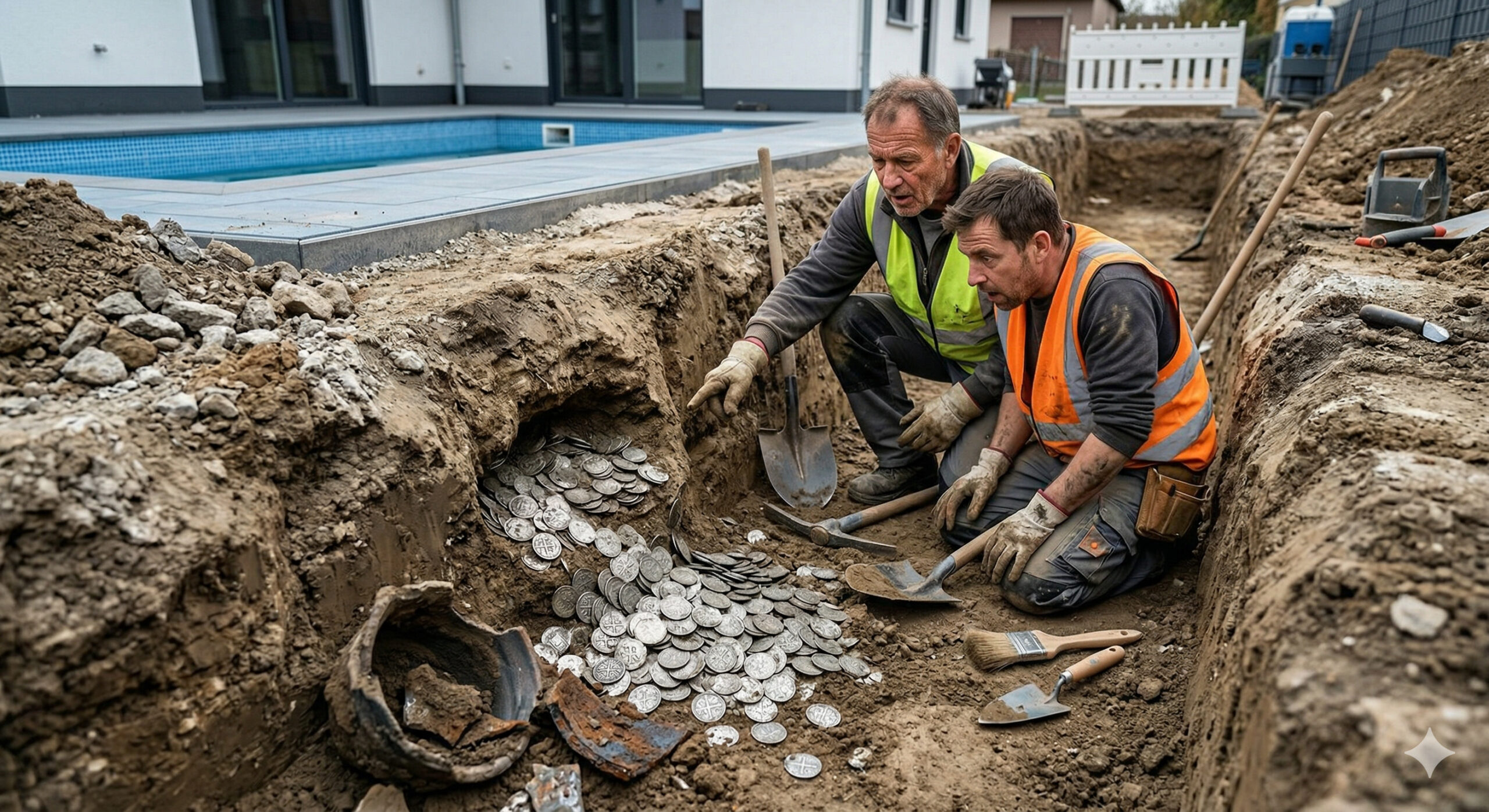
While digging a trench next to a pool in Germany, workers found more than 1,500 silver coins from 1320 in the rubble, revealing a treasure buried for over 700 years.
-
Flight Helios 522, the “ghost” flight with 121 people: the commercial aircraft flew for more than 2 hours on autopilot after a pressurization failure left pilots and passengers unconscious and only stopped when it ran out of fuel.

-
Researchers have located a nearly intact vessel that disappeared 125 years ago on the bottom of icy waters, with masts still preserved and rare details that impress archaeologists.


In the following weeks, what could have been just a normal dry period turned into something different: it simply did not rain significantly anymore, and the high temperatures that followed accelerated the evaporation of the remaining water in rivers, springs, and reservoirs.
The result was a dominated effect. Water sources that supplied rural communities dried up. Shallow wells ceased to produce. The drought advanced silently until both urban and rural residents faced real difficulties accessing drinking water.
In four months without rain, the municipality exhausted its capacity to deal with the problem using normal resources and was forced to take emergency measures.
The losses of the drought in the field and in the economy of Ibirama
In addition to the direct impact on human consumption, the drought is destroying the rural economy of Ibirama. Farmers are accumulating losses due to lack of security, and livestock farmers are facing increasing difficulties in ensuring water for the hydration of animals.
In a city where agricultural production is a fundamental part of many families’ income, the prolonged drought means financial losses that will take time to recover.
The problem is that the drought does not only affect those who plant or raise animals. When rural production declines, the entire local economic chain feels it. Commerce, transport, services—all that revolves around agricultural activity slows down when the field stops.
And in Ibirama, with four months of drought, the field has not only slowed down; it is operating at the limit of what is possible without water.
What the emergency decree allows the city hall to do against the drought
With the declaration of a state of emergency, the city hall of Ibirama gained legal instruments to act more quickly.
Among the authorized measures are the distribution of drinking water by tank trucks, the drilling of artesian wells, the installation of emergency reservoirs, and the construction of cisterns – all coordinated by the municipal Civil Defense.
The decree also has important bureaucratic effects. The drought allowed the city hall to waive bidding to contract services and acquire essential items to face the crisis, which speeds up the response in situations where each day without action means more families without water. Additionally, the municipality can call for volunteers and conduct fundraising campaigns.
The state of emergency is valid for 180 days—almost six months—during which Ibirama can request support from state and federal governments to minimize the impacts of the drought.
What to expect in the coming days and how the city is trying to survive the drought
The Civil Defense continues to monitor weather conditions, but there is no concrete forecast of heavy rains that will resolve the situation in Ibirama in the short term.
The strategy now is to ensure survival: drill artesian wells that reach underground water, distribute drinking water to the most affected communities, and guide the population on the rational use of each available liter.
The drought in Ibirama is a warning for the entire Alto Vale do Itajaí and for Santa Catarina as a whole. Four months without rain in a region known for its historical rainfall shows that extreme weather events are not exclusive to the Northeast or the Midwest; they can happen anywhere, at any time.
While the rain does not return, Ibirama drills the ground in search of water and tries to keep its population supplied with the minimum necessary to get through this crisis.
Do you live in Ibirama or the Vale do Itajaí? How is the drought affecting your region? Share in the comments and help raise awareness of this situation.






Seja o primeiro a reagir!