





 Portuguese
  English
  Spanish
  6 min of reading
  0 comments


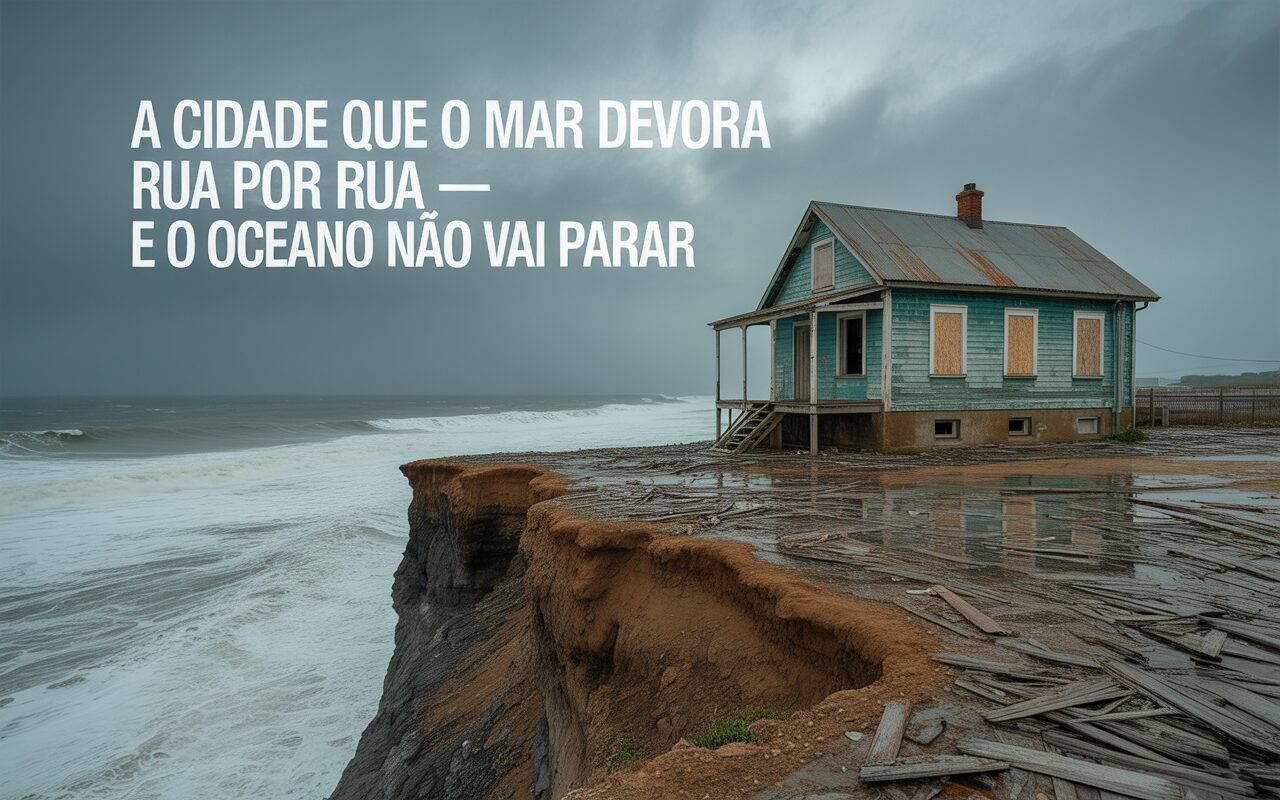
Atafona, On The North Coast Of Rio de Janeiro, Has Already Seen More Than 500 Houses Disappear Into The Ocean. Coastal Erosion Advances And Threatens To Turn The Neighborhood Into A Ghost Town.
The Sea Swallowing The City Of Atafona: The Scene Is One Of War — But Not Between Armies, And Instead Between The Sea And The Land. In Atafona, A District Of São João Da Barra (RJ), The Battle Is Daily. Coastal Erosion Has Already Destroyed Over 60 Streets, 500 Houses, And Transformed One Of The Most Visited Resorts Of The 70s Into A Critical Zone Of Geological Risk. The Images Are Shocking: Collapsed Houses, Fallen Electric Poles, Sidewalks That End In Cliffs, And The Constant Sound Of Waves Knocking Down Walls. And, According To Experts, The Worst May Still Be Yet To Come.
Atafona: A Resort Being Slowly Swallowed
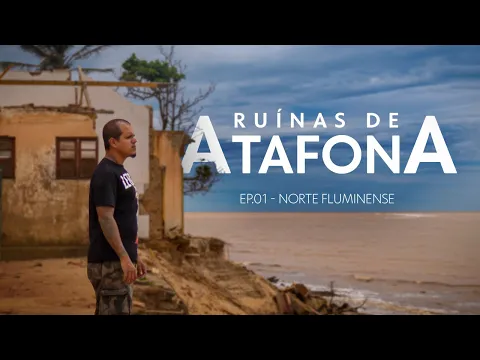

Located At The Mouth Of The Paraíba Do Sul River, Atafona Was Once A Major Tourist Spot On The Fluminense Coast. In The 1970s And 1980s, The City Welcomed Thousands Of Tourists Each Season. Today, The Scene Is Different: The Ocean Advances About 3 Meters A Year, According To Studies By The Federal Fluminense University (UFF).
With Each Storm, New Parts Of The Neighborhood Disappear. Whole Streets Have Been Swallowed. Houses Have Lost Their Foundations And Collapsed. Churches, Hotels, And Even Schools Have Become Part Of The Past — Literally, Under The Sea.
-
With 1,066 acrylic panels, the building known as the friendly alien is supported by a steel skeleton, has a façade that functions as a giant screen, and impresses the world without any internal columns.
-
Scientists warn that a comet about 1 km in size that has started to release gases may actually change direction in space. It was spotted by NASA and surprises with potential impacts near Earth.
-
These living root bridges and ladders are over 700 years old and help indigenous people survive in one of the rainiest regions in the world.

-
From sertanejo star to international investor: Ana Castela invests millions in a mansion in the USA, creates a themed accommodation in Orlando, and shows that the “boiadeira” also wants to grow away from the stage.

“The Sea Has Already Taken What Was My Backyard, The Garage, And Now It Threatens My Living Room,” Says Antônio Ribeiro, A Resident For Over 40 Years.
Why Is The Sea Swallowing The City Of Atafona?
Coastal Erosion In Atafona Is The Result Of Natural And Anthropogenic (Man-Made) Factors. According To The Coastal Monitoring Laboratory Of UFF, The Main Factors Are:
- Siltation Of The Paraíba Do Sul River: The Reduction Of Sediment Flow Decreases The Natural Protection Of The Coast.
- Construction Of Dams Upstream: Dams Like Santa Cecília Prevent The Transport Of Sand And Silt To The Mouth.
- Irregular Urbanization: The Occupation Of Dunes And Fragile Areas Compromises The Natural Balance Of The Coast.
- Sea Level Rise: A Global Phenomenon That Directly Affects Coastal Areas.
These Combined Elements Create A Destructive Cycle. Without The Natural Replenishment Of Sediments, The Sea Swallowing The City Advances. And With Each Advance, It Encounters Less Resistance.
Studies Indicate Continuous Collapse Until 2100
According To A Report By The UN Environment And The Intergovernmental Panel On Climate Change (IPCC), Atafona Is Among The Most Vulnerable Places In Brazil To Rising Sea Levels.
Simulations Conducted By UFF Show That, If The Current Rate Continues, More Than 1,000 Buildings Could Be Lost By 2100, And Much Of The Urban Area May Become Submerged Or Unfit For Human Occupation.
“It Is A Situation Of Climate Emergency. The Retreat Of The Coast Here Is The Largest Ever Recorded On The Brazilian Coast,” Warns Professor Carlos Eduardo Da Silva, Coordinator Of Coastal Studies At UFF.
The Streets That Disappeared
According To A Survey By The City Hall Of São João Da Barra, At Least 62 Streets Have Already Been Completely Eliminated By Erosion. Among The Best Known, The Following Have Disappeared:
- Rua Marechal Deodoro
- Rua das Rosas
- Rua São João
- Rua Projetada B
- Avenida Atlântica (Partially)
- Sections Of Rua do Sapo And Rua do Canal
In Addition, The Old Central Square Of The Resort, The Church Of São Pedro, And Dozens Of Traditional Businesses Have Also Been Destroyed.
“My House Sank In 3 Hours”
Residents Describe Dramatic Scenes. The Retired Businesswoman Dona Marlene Freitas, 74, Watched The House Where She Raised Her Children Collapse During A Storm In 2018:
“I Heard A Crack. It Was As If The House Was Being Pushed From Behind. In Three Hours, There Was No Wall Left. It All Went To The Sea.”
She Now Lives With A Sister In The Center Of São João Da Barra. “The City Hall Has Never Given Us A Permanent Solution. They Talk About Containment, But The Sea Respects No One,” She States.
What Has Been Done So Far?
Several Containment Attempts Have Already Been Made:
- Stone Groins (Revetments) Have Been Installed Along The Shore;
- Containment Barriers With Sand And Geotextiles Have Been Applied;
- Studies For The Relocation Of At-Risk Residents Have Been Initiated.
However, None Of The Solutions Have Shown Permanent Effectiveness, And The Sea Continues To Advance.
In 2023, The City Hall Announced A New Containment Project, In Partnership With The State Government, With An Estimated R$ 10 Million Investment. The Aim Is To Create A Mixed System Of Barriers And Dune Recovery.
Does A Definitive Solution Exist?
For Experts From The Brazilian Association Of Oceanography, Viable Alternatives Include:
- Artificial Beach Nourishment: A Technique Used In Cities Like Miami (USA), Which Involves Pumping Sand From The Seafloor To The Beach.
- Construction Of Submarine Artificial Reefs: Help To Dissipate Wave Energy.
- Planned Removal (Controlled Relocation): Remove The Entire Population From The Critical Area And Prohibit New Occupations.
None Of These Solutions Are Cheap — And All Require Political Will, Technical Planning, And Community Engagement.
Can Atafona Become A Submerged Museum?
There Are Even Those Who Advocate Turning The Affected Area Into A “Submerged Museum Of Coastal Erosion.” The Idea Would Be To Keep Part Of The Debris Visible As A Warning To Future Generations About The Effects Of Climate Change And Poor Coastal Management.
The Proposal Is Controversial But Has Already Been Discussed In Public Hearings With Representatives From The State Environmental Institute (INEA) And The RJ State Secretary Of Environment.
Despite The Disaster, Atafona Attracts Visitors Drawn By The Surreal Scene Of The Ruins By The Sea. Photographers, Influencers, And Onlookers Record The Impact Of Erosion In Videos And Social Media.
The Problem Is That Many Ignore The Danger Warnings. There Is A Risk Of Slab Collapses, Falling Debris, And Sudden Sea Advances, Especially During Storms.
“There Are People Who Enter The Debris To Take Selfies. At Any Moment, Everything Can Collapse. We Have Already Had Accidents,” Warns The Captain Of The Local Firefighters, Captain Victor Louzada.
The Social Impact Of The Silent Tragedy
In Addition To The Physical Loss Of The Territory, There Are Deep Impacts On The Local Economy And Affective Memory:
- The Value Of Properties Has Plummeted;
- Tourism Has Dwindled;
- Many Fishermen Have Lost Their Support Points;
- Families Have Been Forced To Leave Their Homes Without Compensation.
According To A Survey By The Federal Public Ministry, About 1,200 People Have Been Directly Or Indirectly Affected, In Just The Last 10 Years.
What Is Happening In Atafona Is Not An Isolated Case. Other Brazilian Cities, Such As Icapuí (CE), Marataízes (ES), And Salinópolis (PA), Face Similar Processes — But None Record Territorial Losses As Aggressive As Atafona.
The City, Which Has Already Lost 60 Streets To The Sea, Is Currently A Real Laboratory Of The Consequences Of Climate Inaction And Disordered Urban Occupation.
If Nothing Urgent Is Done, The Prediction Is That The Atafona We Know Today Will Disappear From The Map Before 2100.






-

-

2 pessoas reagiram a isso.