





 English
  Francês
  Alemão
  Italiano
  Japonês
  Norueguês
  Portuguese
  Spanish
  6 min of reading
  0 comments


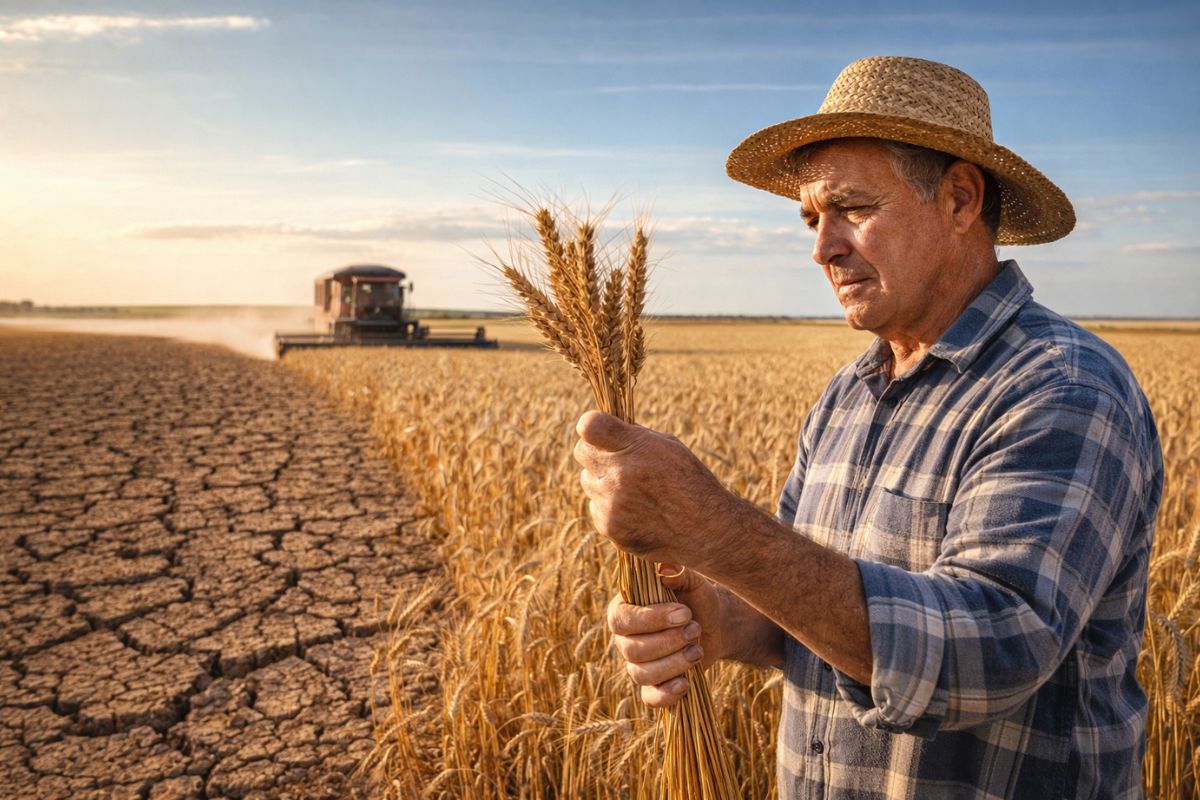
The Brazilian cerrado produces irrigated tropical wheat with high protein content and low incidence of fungi thanks to the absence of rain during grain filling, an advantage that has put Brazil on the path to self-sufficiency and attracted the attention of international mills seeking to diversify their supply sources
For decades, any agronomist in the world would say that planting wheat in the cerrado was impossible. The biome has temperatures that reach 38°C in the shade, months without a drop of rain, and conditions that would destroy any conventional European or North American lineage. But Brazilian science has rewritten that book. Tropicalized cultivars developed by Embrapa and biotechnology companies have transformed the cerrado into the most promising frontier of global wheat cultivation, with a grain that is already attracting the attention of international mills due to the quality of the flour.
The numbers confirm the revolution. In 2018, Brazil produced about 5 million tons of wheat per year and covered less than 40% of domestic consumption. In 2023, production crossed the mark of 10 million tons. Projections for 2026 indicate that the country could reach between 12 and 14 million tons, coming closer for the first time to self-sufficiency in a grain that has always been considered structurally imported. The cerrado, especially in the states of Mato Grosso, Goiás, Minas Gerais, and Bahia, accounts for the most significant share of this growth.
How science created a wheat that survives the heat of the cerrado
The story begins with a question that motivated decades of research: if Brazil managed to develop tropical soybeans, cotton for the cerrado, and corn for equatorial climates, why would wheat be different?
-
THE OWNER of Brazil: a farmer who came from laundries, created an ’empire’ and today runs a company valued at R$ 42 billion after tripling its value in less than a year and receiving a billion-dollar investment from the USA.

-
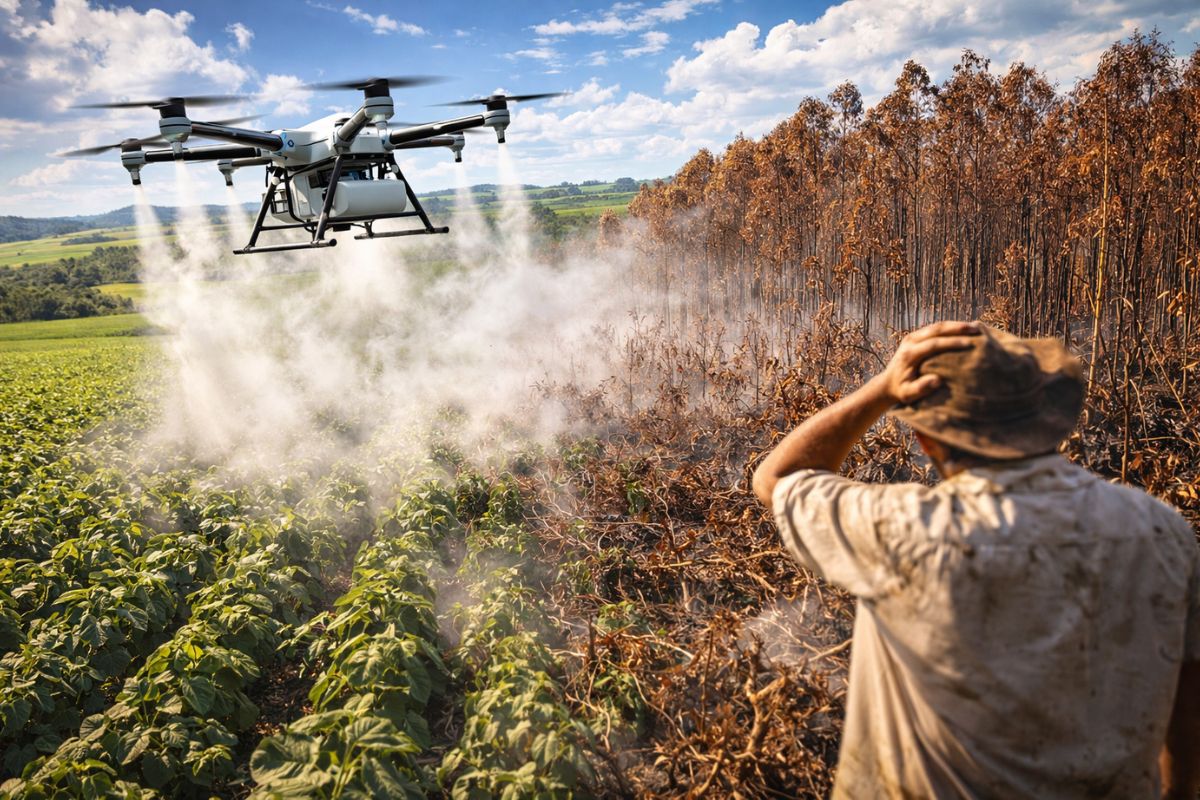
Drone with herbicide applied in pasture spreads mist, hits neighboring crop, destroys 40 thousand eucalyptus trees, devastates chayote plantation, and leaves a rural producer in Goiás facing million-dollar losses.
-
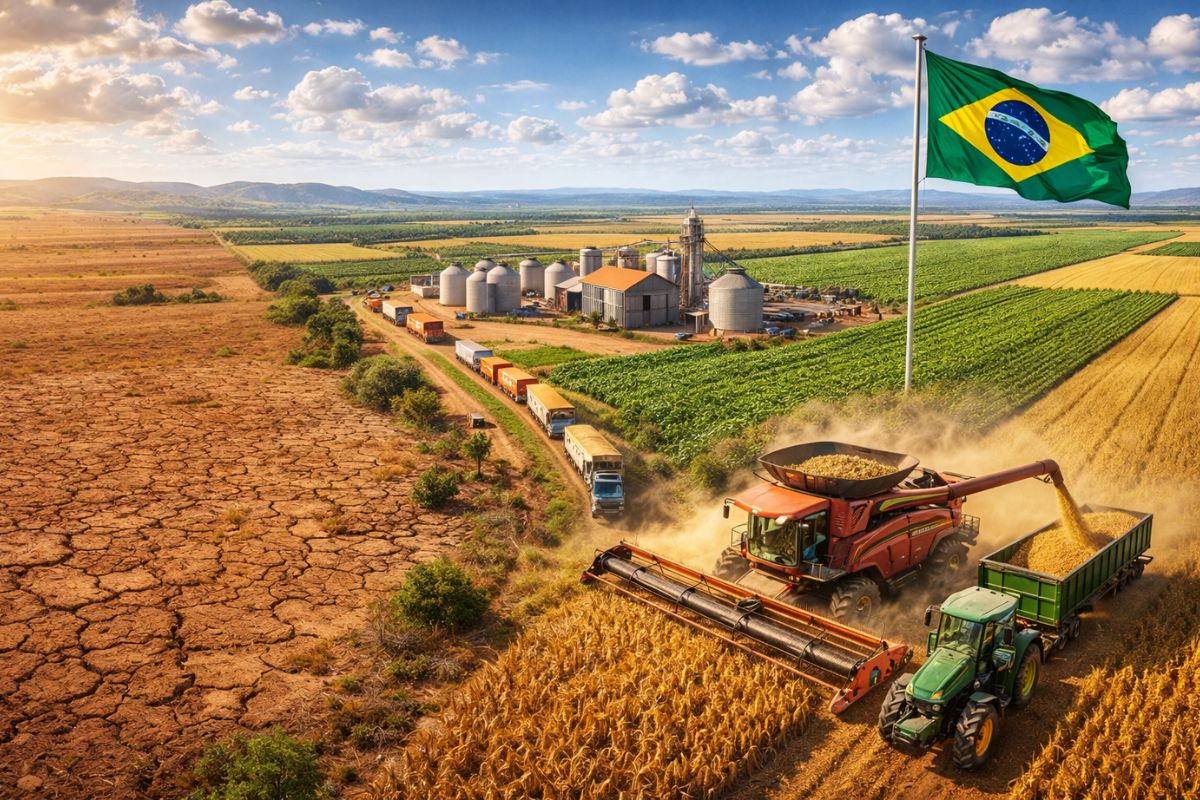
Forgotten region becomes a powerhouse in the heart of Brazil, transforming unproductive lands into fortune and making MATOPIBA the new billion-dollar agricultural empire that almost no one saw being born.
-
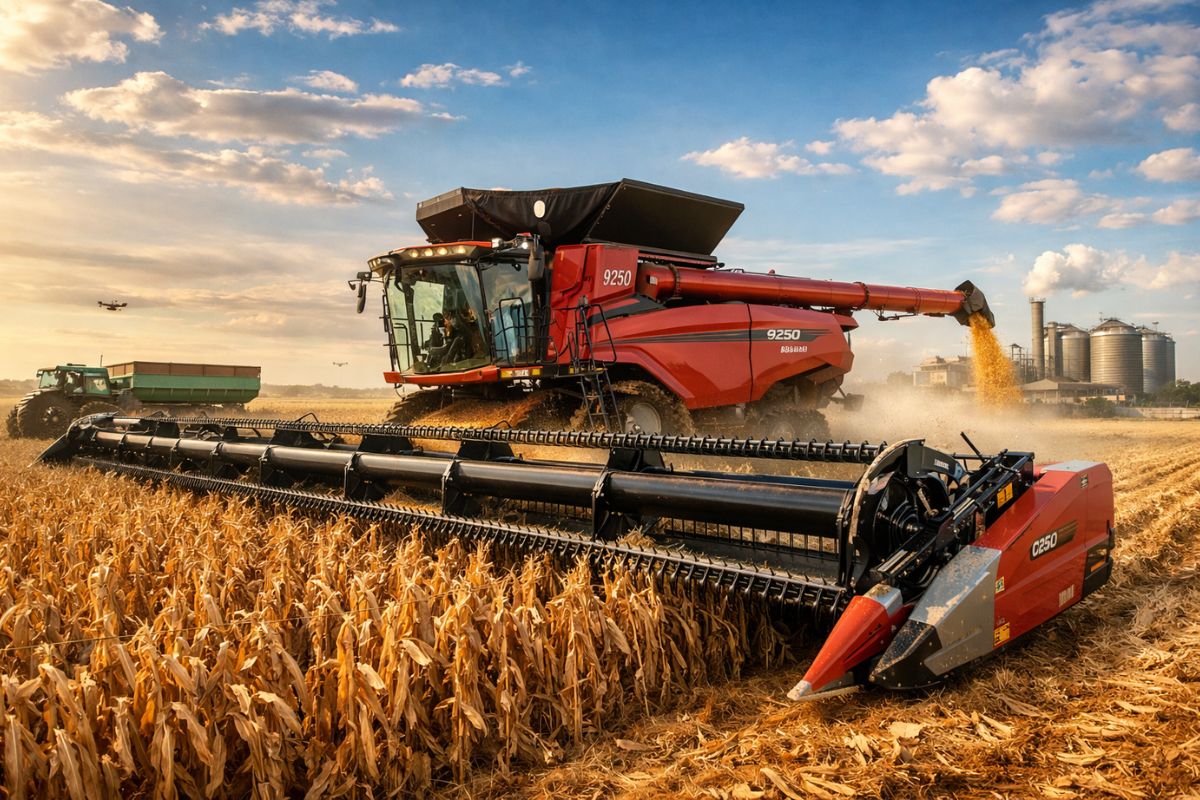
With a 775 hp engine, the world’s largest axial combine harvester arrives in Brazil, promising to harvest more in less time with advanced automation and the capacity for platforms up to 61 feet.

Researchers from Embrapa identified genes for heat stress resistance in wild varieties and relatives of wheat found in arid regions of Central Asia and the Middle East.
These characteristics were introduced into productive lineages through breeding programs that combined classical crossings with modern genomic editing tools, including the use of CRISPR.
The result was the so-called tropicalized cultivars, genetically adapted varieties to withstand the extreme heat of the cerrado without losing productivity.
The vegetative cycle of these cultivars was shortened to fit within the dry window of the biome, usually between May and September, avoiding excessive moisture that favors fungal diseases and late frosts that damage crops in the southern part of the country.
It was no coincidence: it was decades of coordinated research that finally put the cerrado on the map of global wheat production.
The precision irrigation that simulates a European spring in the dry cerrado
Genetics solves half the problem. The other half has a name: water. The cerrado during the dry season is, by definition, a region of severe water deficit. Without irrigation, no wheat crop survives there.
Center pivot irrigation systems have become the backbone of tropical wheat cultivation. Those circular structures visible even from space in satellite images are what keeps the wheat alive in July, when not a drop of rain falls in the cerrado.
Cerrado producers who bet on wheat use precision irrigation systems connected to real-time soil sensors, monitored by artificial intelligence platforms.
This technology determines exactly the amount of water needed in each plot of each farm, simulating the conditions of a temperate European spring in the midst of Brazil’s dry winter, when not a drop of rain falls for months.
Agronomists call this phenomenon artificial spring: a window of ideal conditions created by the combination of adapted genetics and intelligent irrigation management.
Why drought became an ally and not an enemy of wheat in the cerrado
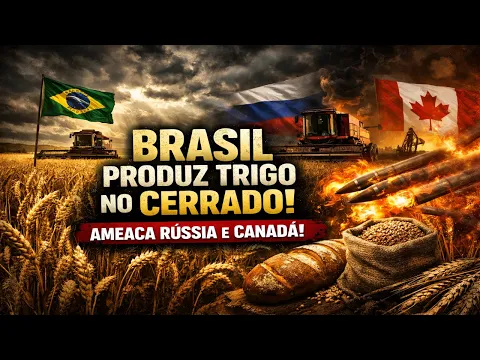

This is the point that surprised even the researchers themselves. The absence of natural rain during grain filling, which should be a problem, has become a competitive advantage of the tropical wheat from the cerrado.
Without rain, the environment becomes unfavorable for fungal diseases that devastate crops in southern Brazil and Argentina. The result is a grain with a firm husk, low incidence of fungi, and high protein content.
The quality of the flour produced with wheat from the cerrado has begun to attract the attention of international mills seeking to diversify their supply sources.
Importers who relied exclusively on Russia, Ukraine, and the United States learned between 2021 and 2023 the risk of concentrating the supply of a staple food in geopolitically unstable suppliers.
Brazil, stable, tropical, and capable of producing wheat in the off-season of the northern hemisphere, offers grain available in July and August, exactly when global stocks are at their lowest level.
The numbers that show the cerrado reshaping the global wheat market
The economic impact of wheat cultivation in the cerrado is already being felt in international prices. Grain traders in Chicago, Paris, and Moscow are increasingly paying attention to Brazilian numbers.
A country that historically represented demand in the global market is beginning to emerge as a supplier, which changes pricing models, alters logistical routes, and pressures traditional exporters.
Russia, dominant in recent years with low prices and high volume, now faces a competitor operating in another hemisphere with a different harvest window, and international mills are observing this change with strategic interest.
Logistics is still a real bottleneck. The cost of transporting from the cerrado to the ports of Santos, Paranaguá, or Ilhéus is significantly higher than the shipping cost from Russian Black Sea ports or Canadian terminals.
But Brazilian producers respond with scale, efficiency, and an argument that the market cannot ignore: diversification of origin. In a world where climate crises and geopolitical conflicts turn food supply into a strategic risk, having wheat available in the Brazilian cerrado during the global off-season is a trump card worth more than the difference in freight costs.
Wheat as a third annual crop in the cerrado without cutting down a single more tree
Tropical wheat cultivation in the cerrado is not just a story of technology and export. Municipalities that lived exclusively from the soybean and corn cycle are now incorporating wheat as a third annual crop, increasing income per hectare without expanding deforested area.
Mills are being installed in cities in the interior of Goiás and Mato Grosso, bringing industrialization to regions that until recently only exported raw commodities. This means jobs, added value, and income stabilization in the territory.
From an environmental perspective, the argument for sustainable intensification gains strength. The cerrado already has more than 70 million hectares converted for agricultural use.
Adding wheat as a winter crop in these already opened areas does not require cutting down a single tree. The expansion happens in time, not in space: more production per already consolidated hectare, with efficient use of water and inputs.
For a biome that still holds one of the greatest biodiversities on the planet in preserved areas, this model is exactly what researchers and environmentalists have been asking for decades.
What is happening in the cerrado with tropical wheat is proof that the limits of agriculture are not set by nature, but by the current level of human knowledge. Brazil proved it with soybeans in the 1970s, proved it with cotton in the 1990s, and is proving it now with wheat in the cerrado.
A biome that was considered hostile to the grain has transformed into the most promising agricultural frontier on the planet for this crop, with quality that attracts international mills and a harvest window that no other country can offer.
Do you believe that Brazil will achieve self-sufficiency in wheat in the coming years? Do you think that cerrado wheat has the potential to compete with Russia and Canada, or is logistics still too big of an obstacle? Leave your comments and share this article with those who follow the Brazilian agribusiness.







Seja o primeiro a reagir!