





 Portuguese
  English
  Spanish
  3 min of reading
  0 comments


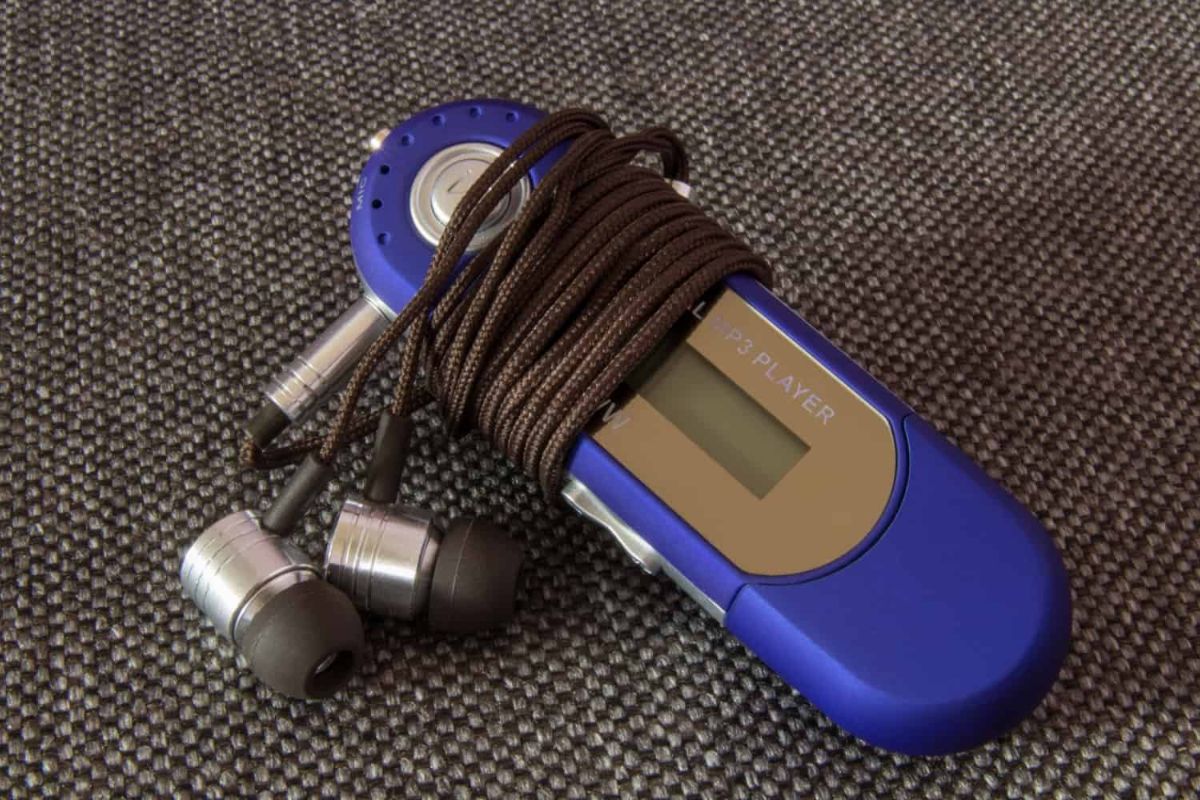
Understand The Movement That Values Offline Music And Personal Curation, And Is Transforming ‘Obsolete’ Devices Into Objects Of Desire.
In a world where any music is just a voice command away, a surprising movement is gaining momentum. Generation Z, the first to grow up with streaming as the norm, is leading a nostalgic resurrection: the return of MP3 players. Devices like the iconic iPod Classic, the colorful iPod Nano, and other gadgets from the 2000s are being pulled out of drawers and becoming objects of desire, going viral in TikTok videos.
But why would a generation that has infinity in the palm of their hand choose the ‘limitation’ of a device that only does one thing? The answer is a fascinating mix of digital detox, rebellion against algorithms, and rediscovering the pleasure of being the curator of your own soundtrack.
The ‘Digital Detox’ Factor: Fewer Notifications, More Music
The main driver behind this trend is digital fatigue. Listening to music on a smartphone means being constantly bombarded with notifications from social media, work emails, and group messages. The musical experience is fragmented, interrupted.
-
These living root bridges and ladders are over 700 years old and help indigenous people survive in one of the rainiest regions in the world.

-
From sertanejo star to international investor: Ana Castela invests millions in a mansion in the USA, creates a themed accommodation in Orlando, and shows that the “boiadeira” also wants to grow away from the stage.

-
The 10 most stunning motorhomes in the world: a $3 million trailer with a rooftop nightclub and garage for a Ferrari, “palaces on wheels” with Italian marble, private cinema, and five-star hotel luxury for billionaires.

-
Trump wanted to spend $400 million on the White House, but the courts prohibited the million-dollar construction.


The MP3 player, in turn, is a single-purpose device. It offers a sanctuary. By using it, a person makes a conscious choice to disconnect from digital chaos and connect only with music. It’s an act of technological ‘mindfulness’, where the focus is entirely on listening, without distractions.
The Rebellion Against The Algorithm: The Pleasure Of Personal Curation
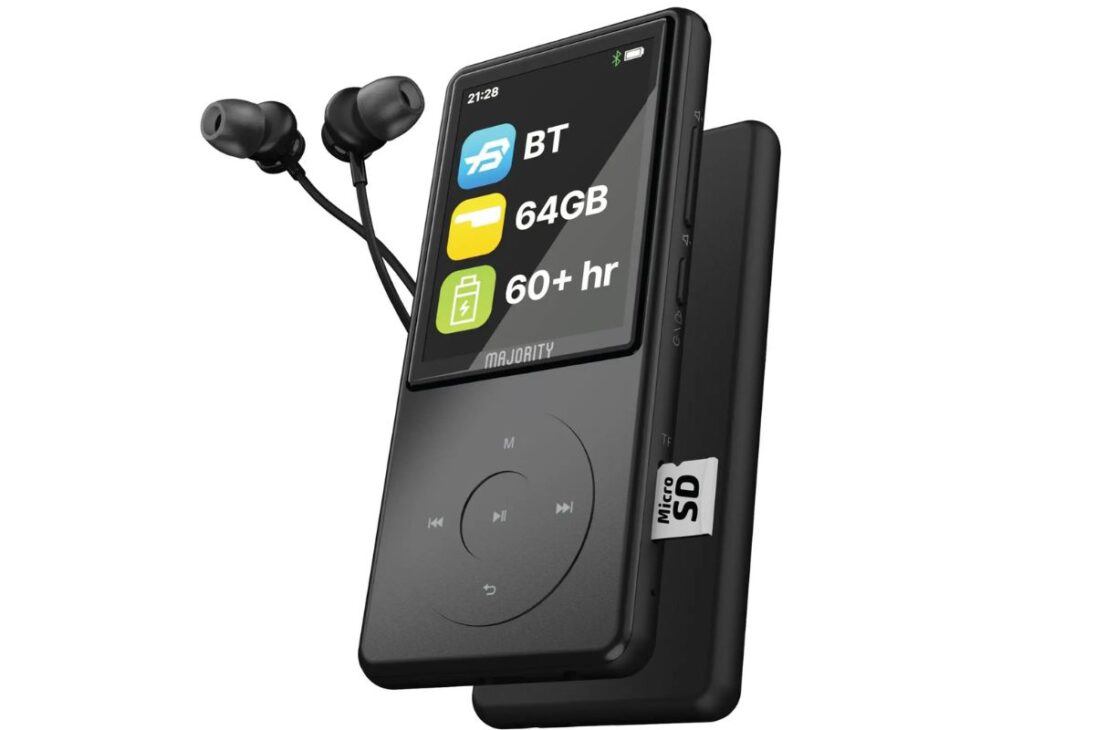
Streaming services like Spotify and Deezer are convenient, but they rely on algorithms that suggest what you should listen to. Over time, the experience can become passive, with the listener held hostage by AI-generated playlists.
The MP3 player represents the opposite: active and personal curation. The process of choosing which albums and songs deserve to occupy the limited space of the device, of manually creating playlists, and of ‘owning’ a finite digital library makes the relationship with music more intimate and intentional. You are not renting music from an algorithm; you own your collection.
The ‘Y2K’ Aesthetic And The Charm Of The Physical Object
You cannot ignore the visual appeal. The aesthetic of the 2000s (Y2K) is trending in fashion, and gadgets from that era are part of it. The design of an iPod Classic, with its tactile ‘click wheel’, or an iPod Shuffle, which was a simple clip, has a charm and personality that a generic glass rectangle of a smartphone does not possess. Having a dedicated physical object for music is, in itself, a style statement.
The Practical Guide for 2025: How To Revive An MP3 Player Today?
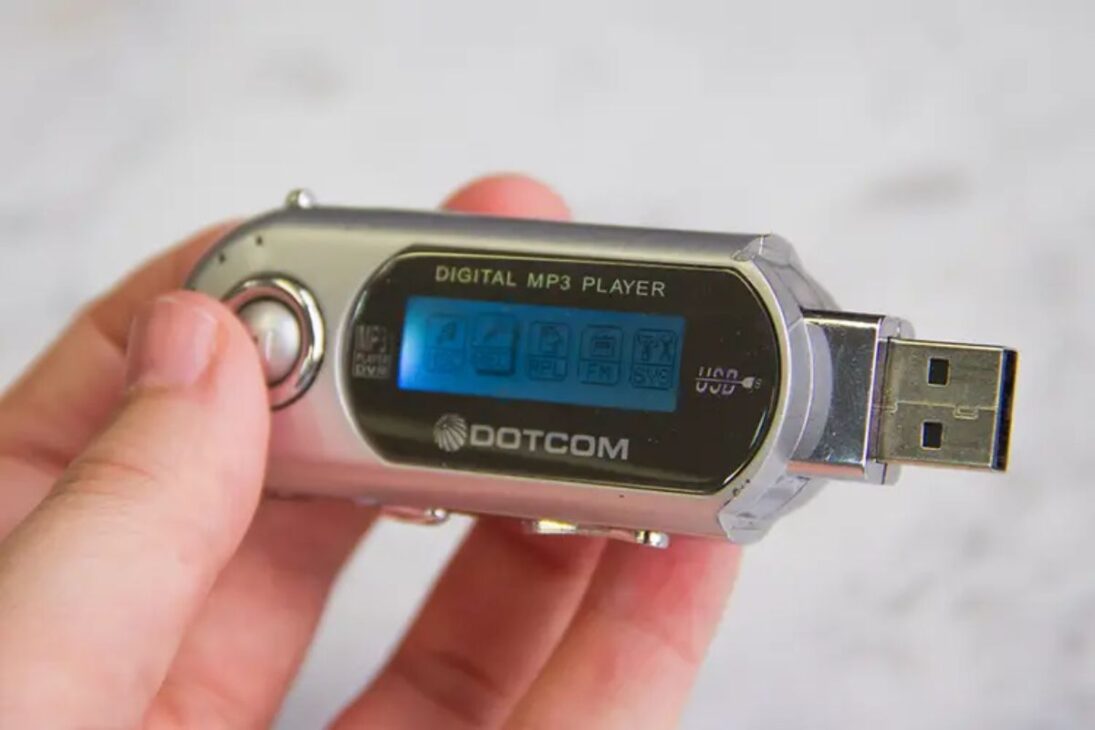
For those excited by the idea, several questions arise.
Where To Buy An iPod In 2025? The hunt occurs on e-commerce sites like Mercado Livre and OLX, where you can find used and refurbished devices in good condition. Specialized stores for Apple product repairs also often have models for sale.
How To Put Music On An MP3 Player Today? The process varies. For iPods, although iTunes as it was once known has changed, the Music (Apple Music) app on Mac computers and the original iTunes for Windows can still sync MP3 files with older devices. For other brands, the process is usually simpler, just requiring you to ‘drag and drop’ music files from the computer to the device, like you would with a USB drive.
Is This The End Of Streaming?
Far from it. The return of MP3 players is not a mass movement that threatens Spotify’s business model but rather a counterpoint, a significant niche trend. It reveals a growing desire for more focused, intentional, and less invasive technological experiences. It shows that, for a portion of the audience, the convenience of ‘everything at once now’ is no longer the only factor in the equation. Sometimes, less is more.
What was your first MP3 player? Do you still keep yours? Share your story and your favorite model in the comments!








Seja o primeiro a reagir!