





 Portuguese
  English
  Spanish
  3 min of reading
  0 comments


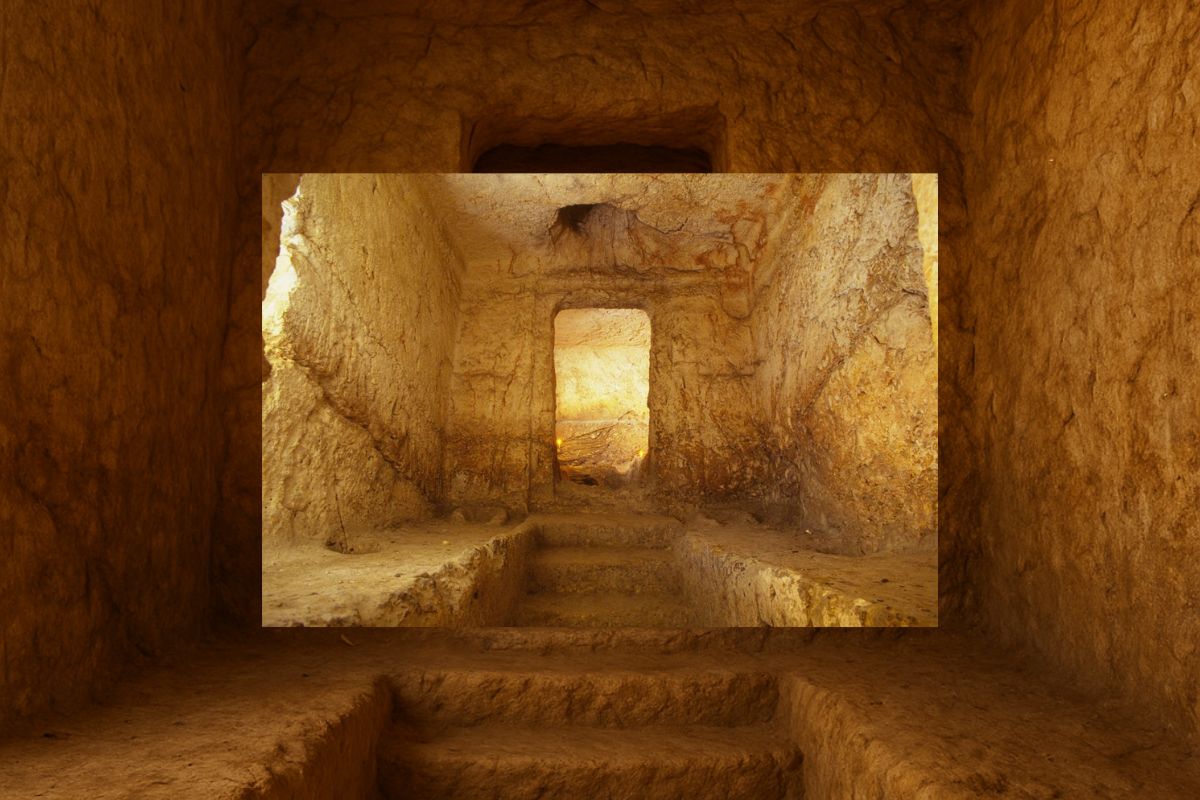
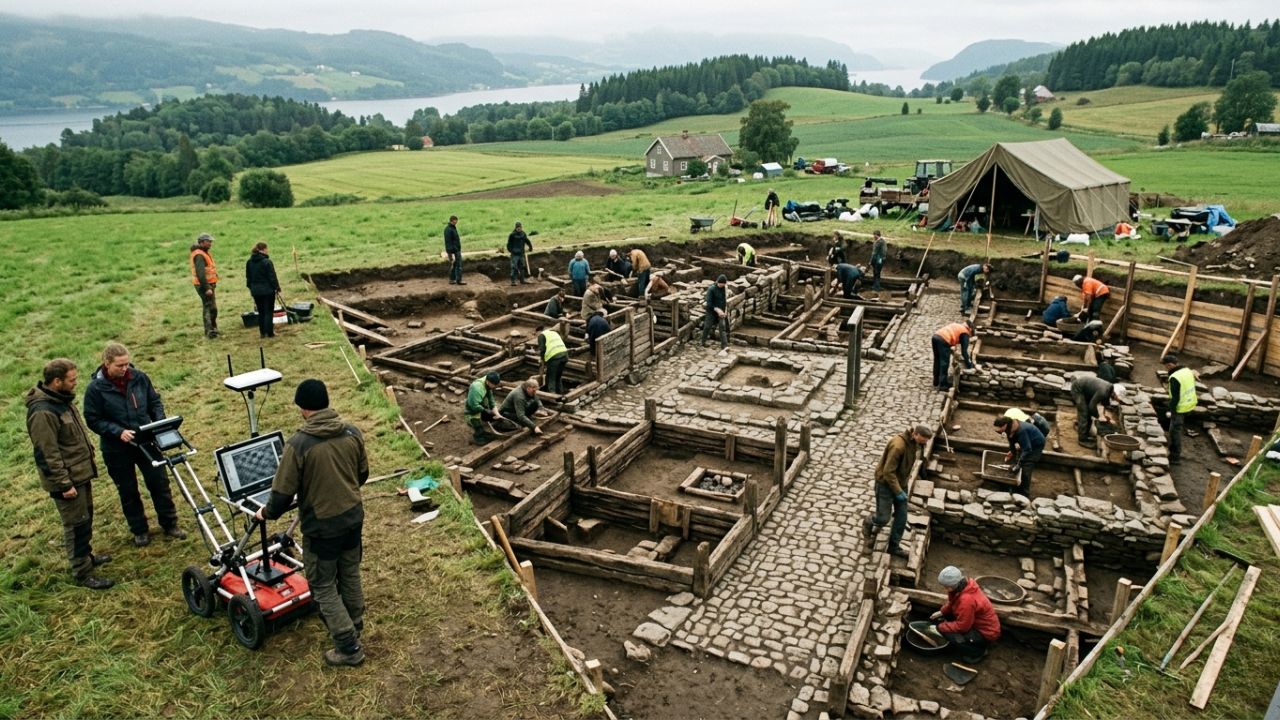
Discovered at the Wangzhuang Site, in the interior of Henan province, the 5000-year-old tomb impresses with its size, the 350 luxury artifacts, and the mysterious pig jaws that indicate wealth, suggesting that one of the first monarchs of East Asia rested (or should have rested) there.
The tomb measures about 4.5 m in length and 3.6 m in width, exceptional dimensions for the Chinese Neolithic period and the first clues that the occupant was a leader of high prestige.
Inside, archaeologists cataloged a double wooden coffin whose internal space reaches an impressive 17 m², a rare solution to protect the remains of elite figures.
The team recovered approximately 350 funeral objects: nearly 200 jade ornaments, bone tools, pig jaws, ceramic vessels, and polished stone pieces.
The pig jaws are the most common animal bone; for specialists, large batches of jaws were markers of economic power in Dawenkou.
-
The most overlooked waste in the electricity bill doesn’t come from the refrigerator or the air conditioner; it escapes through almost invisible cracks in doors and windows, operating all day long and can steal up to 20% of the energy used for climate control, while a low-cost seal takes just a few hours to eliminate this loss.

-
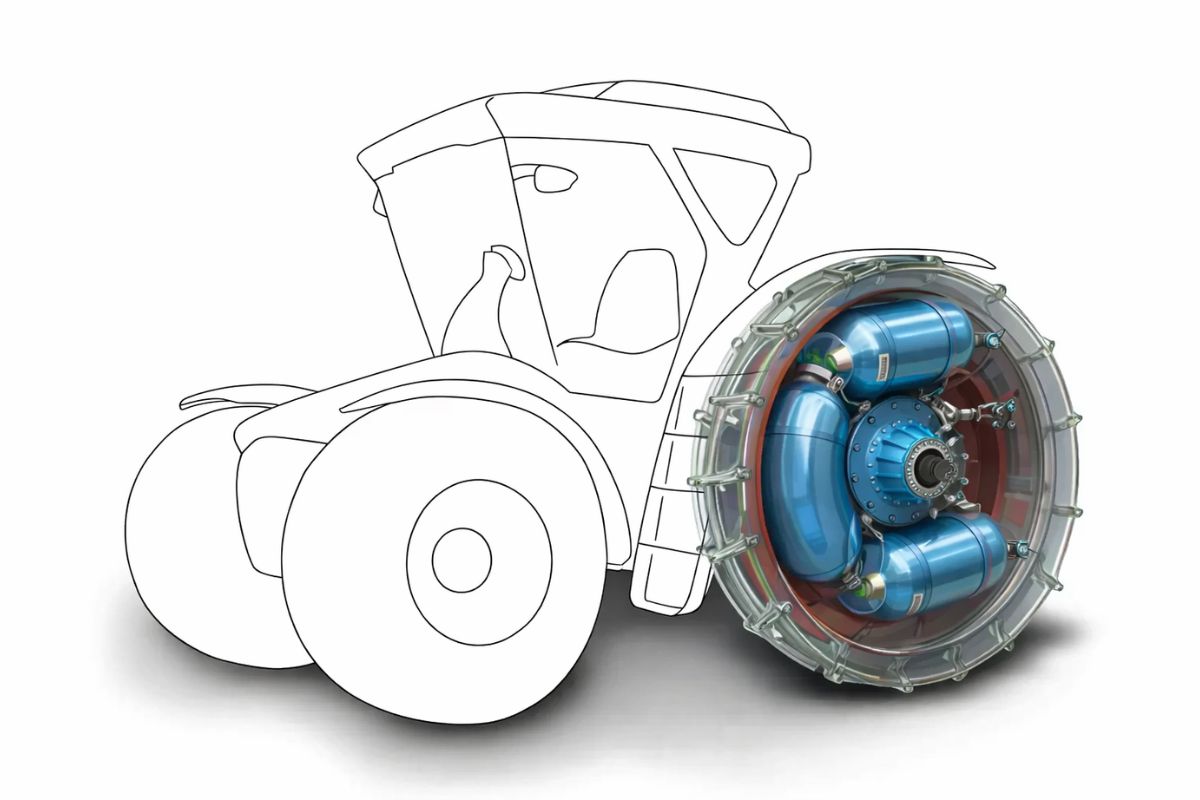
German engineers had an idea that no one had tried before: to hide the hydrogen tank inside the tractor’s wheels so that the machine can operate all day in the field without needing diesel.
-
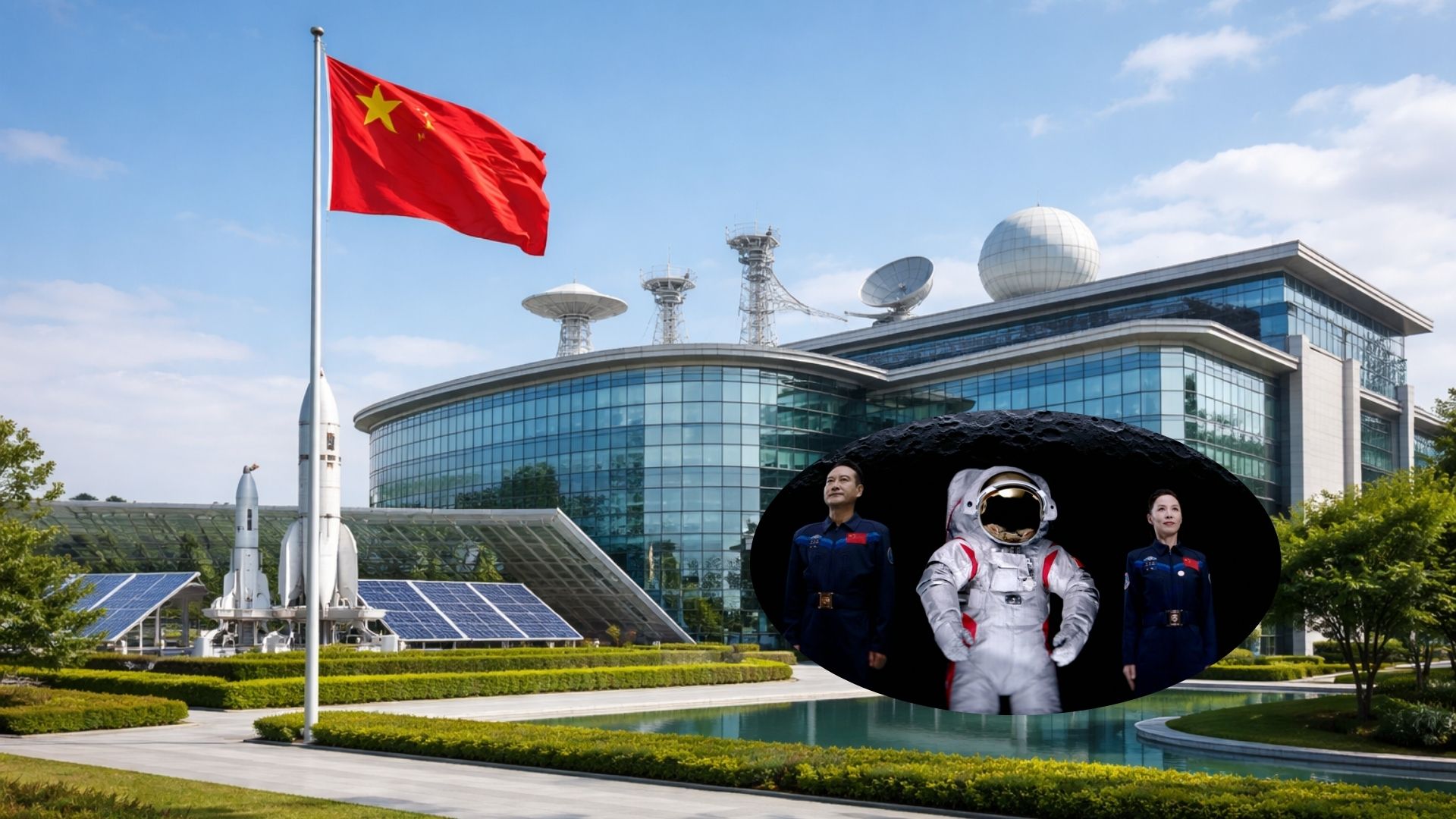
China has created its first space exploration school, an academic structure with 14 areas, 22 new subjects, and a focus on interstellar propulsion to prepare for missions beyond the Moon and Mars.
-
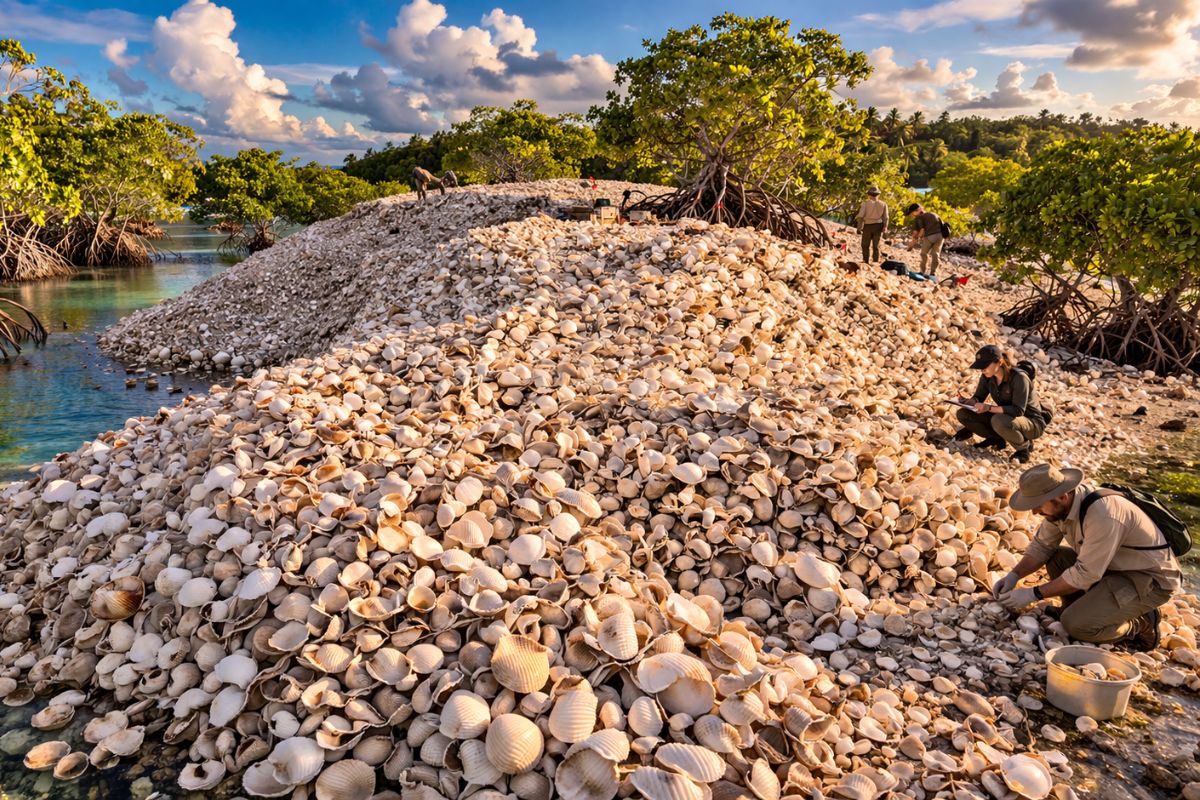
Scientists discover in Fiji that a piece of land surrounded by mangroves is actually a giant mound of shells discarded by ancient inhabitants over 1,200 years ago.

Among the jade finds are finely carved beads that, in such quantities, reinforce the notion of royal opulence and already established long-distance trade.
Narrow-necked jars and deer teeth point to local fertility rites and banquets, suggesting that ceremonial practices reinforced the monarch’s status.
Wangzhuang: Remnants of a Lost Capital on the Yellow River Plain
The 45 discovered tombs form a dense burial complex that, according to Professor Zhu Guanghua, recharacterizes Wangzhuang from a simple village to the probable capital of a prehistoric kingdom.
The Dawenkou Culture, active between 4000 BC and 2600 BC, was already famous for advanced pottery; it now gains a robust political center in the heart of Henan.
Structures and objects from the east, the center, and even from the Yangtze basin show exchange networks that linked various Chinese regions five millennia ago.
For Li Zinwei of the Institute of Ancient History, this diversity confirms the “plural character” of the emerging Chinese civilization and documents the first cultural fusions in the country.
Typical Dawenkou pottery coexists with ornaments that refer to distant peoples, demonstrating that jade, bone, and food routes crossed mountains and rivers long before the classic dynasties.
The wealth of Wangzhuang is also reflected in a clear hierarchy: the larger the burial chamber, the more abundant and valuable the artifacts, direct evidence of well-defined social strata.
Rituals, Vandalism, and Power: What the Artifacts Reveal About Dawenkou Society
Only bones from the apparent king’s toes remain; looters or rivals would have removed the body shortly after the burial in a gesture of political defiance.
Many ceremonial pieces were deliberately broken inside the tomb, a sign of symbolic violence capable of undermining the legitimacy of the deceased ruler.
The accumulation of pig jaws indicates banquets as luxurious as those of the imperial eras, confirming that ostentatious dining practices have deep roots in ancient China.
Bone tools and stone blades reveal advanced division of labor, with specialized artisans responsible for large-scale production of prestige goods.
Small jars with narrow openings, a Dawenkou trademark, suggest storage of fermented beverages used in rites of passage and regional political alliances.
Alongside local relics are ornaments from the Yangtze and coastal plains, proving that Wangzhuang’s authority depended on both military power and commercial networks and inter-regional alliances.




Seja o primeiro a reagir!