





 Portuguese
  English
  Spanish
  6 min of reading
  1 comment


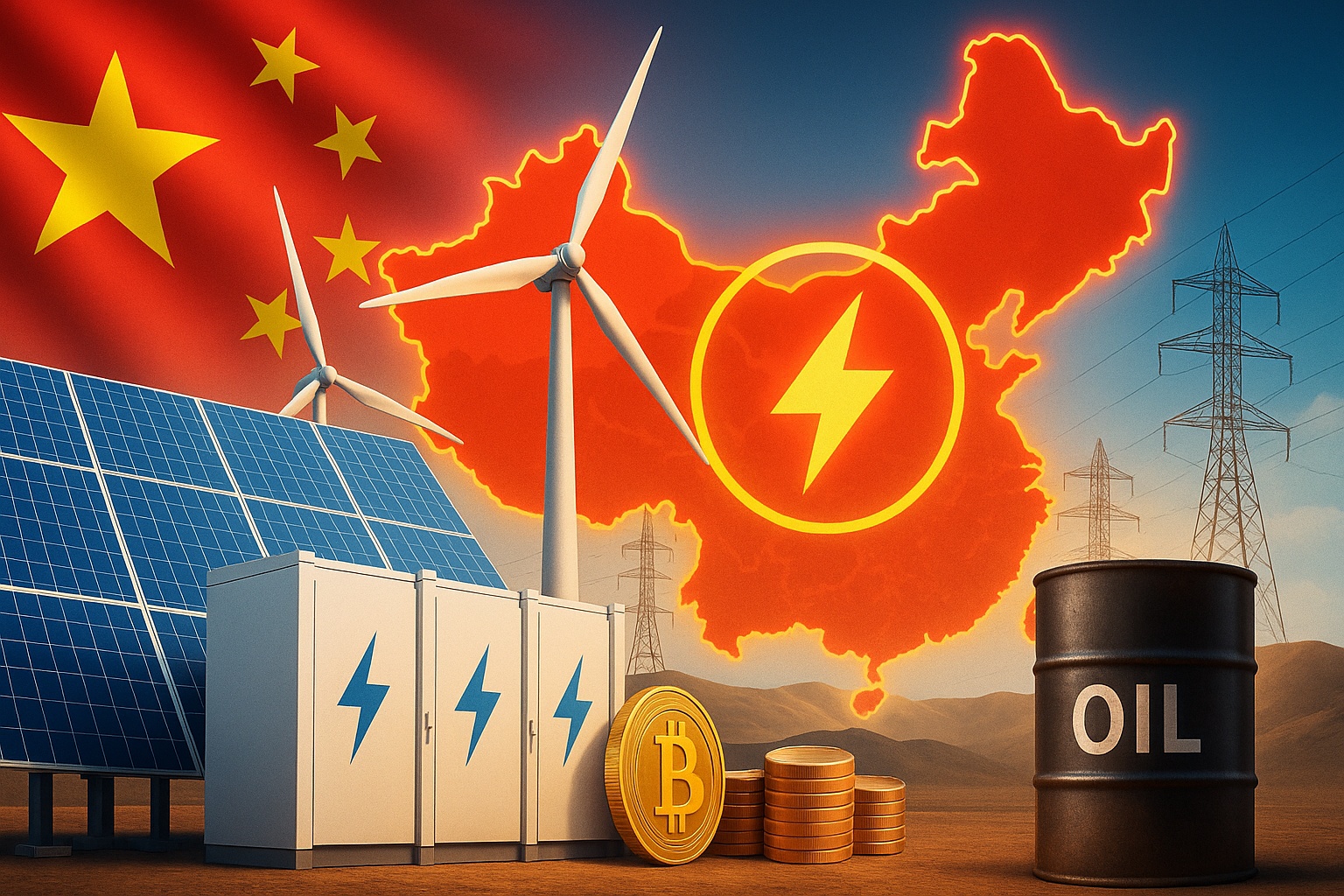


China Becomes, in 2025, the First “Electrostate” in the World, Following a 10-Year Strategic Plan. The End of Petrostates Redefines Global Power.
For over a century, oil has been the driving force of the global economy. From Saudi Arabia to Russia, passing through Iran and Venezuela, petrostates built their political and military relevance based on the export of barrels of oil and gas. This model dictated wars, shaped international alliances, and set the pace for global industrialization.
But in 2025, a historical change begins to take shape: China has stopped being the world’s largest consumer of fossil fuels to become the first “electrostate” in the world. And this shift did not come from climate consciousness or environmental pressure, but from a strategic plan laid out over ten years ago in Beijing to reduce vulnerabilities, enhance autonomy, and achieve global geopolitical leadership.
From Barrel to Electron: How Oil Shaped Global Power
To understand the extent of the Chinese achievement, one must look back. The 20th century was marked by the “era of the barrel.” Oil was more than a commodity: it was the instrument of control over industry, transportation, and even the balance of international power.
-
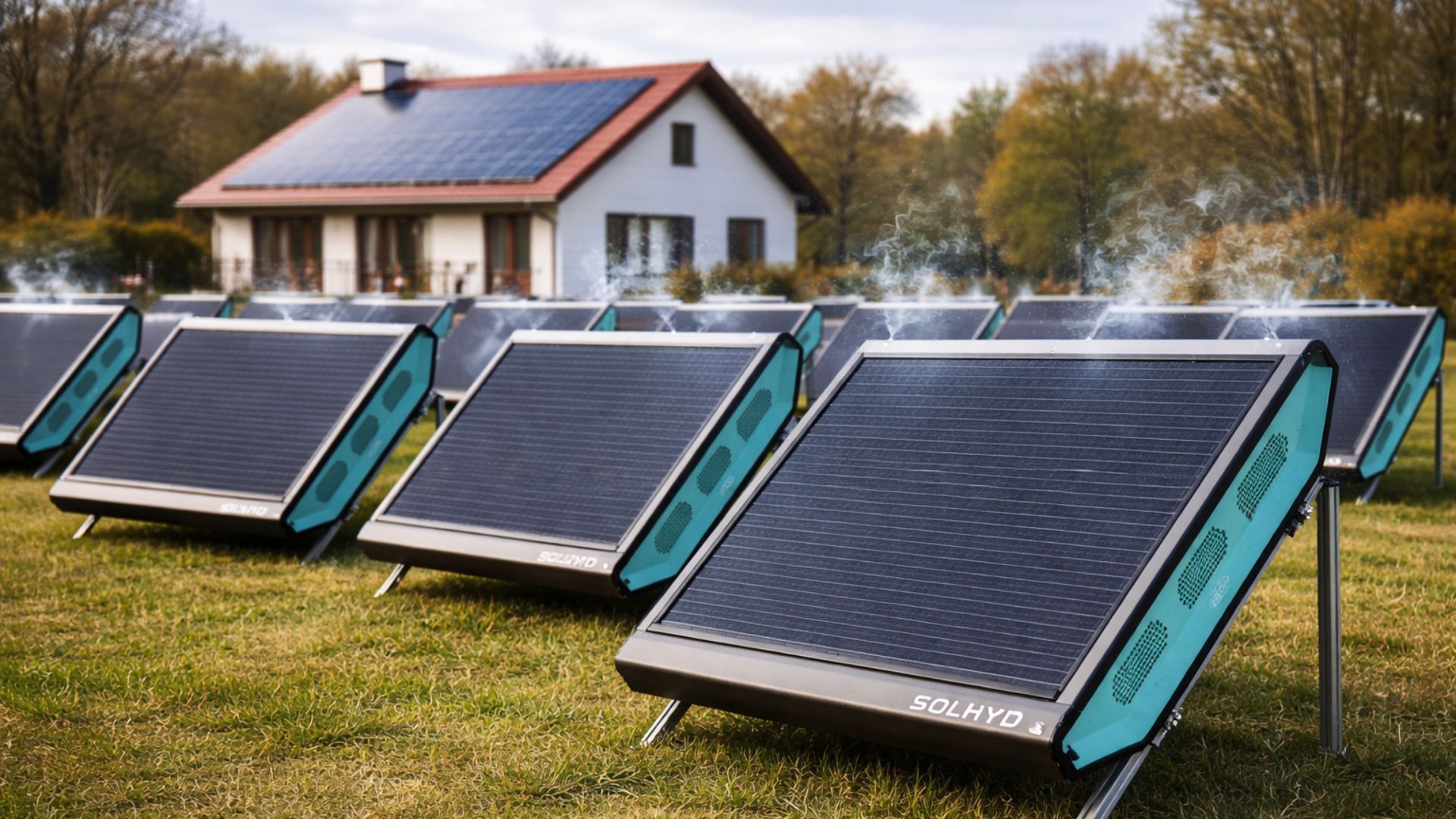
Green hydrogen at home: Belgium launches new technology that makes solar panels produce fuel from the moisture in the air, which could boost the energy transition.
-
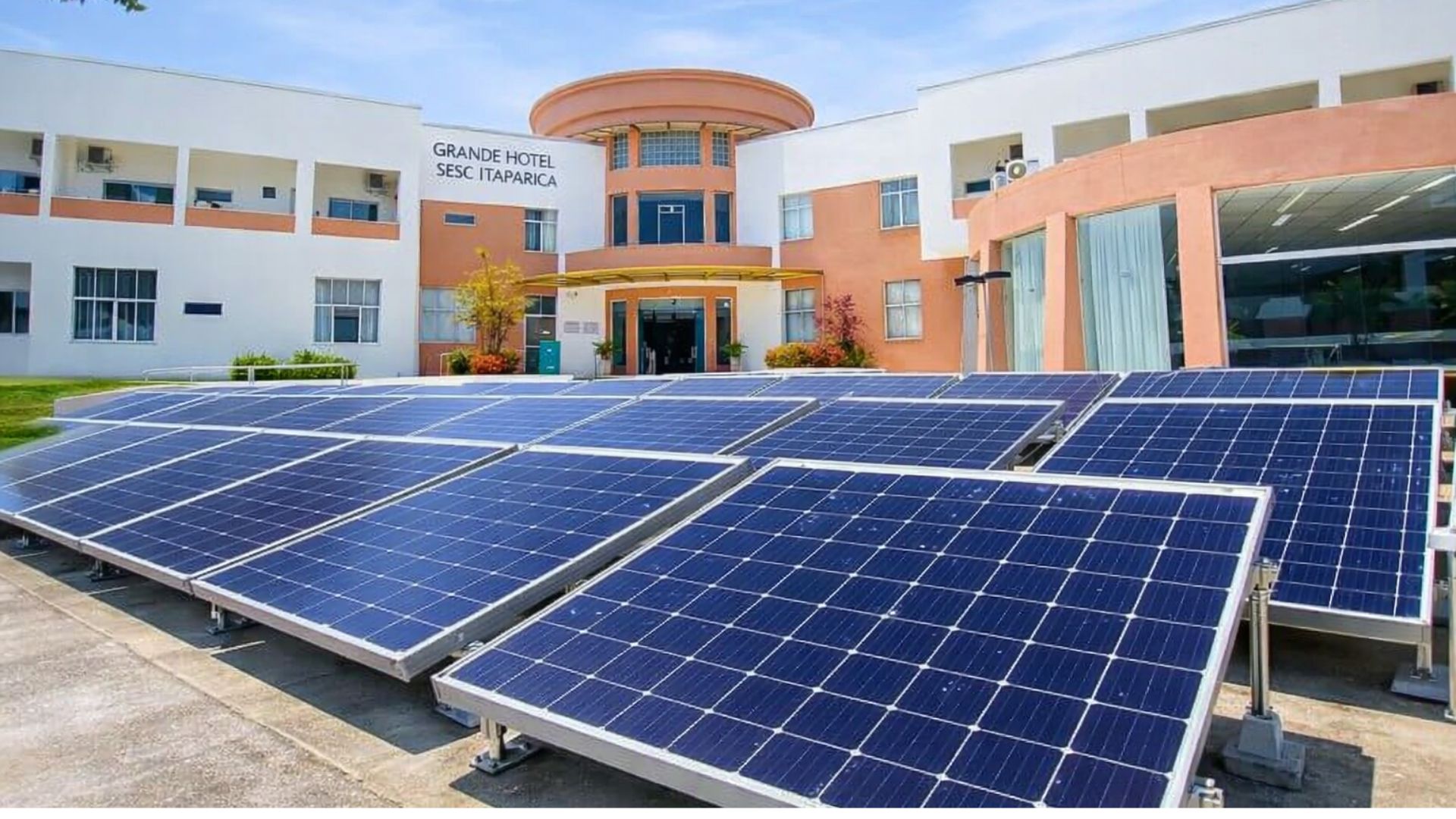
Sesc-BA bets on renewable energy with the support of EDP and drives the energy transition with a direct impact on cost reduction and the sustainability of its operations in Bahia.
-
Technology giant breaks global sustainability records: How Amazon’s leadership in renewable energy procurement transformed the global energy market in the past year.
-
Alert in the electric sector: Atlas Renewable Energy confirms billion-dollar investment and Brazil risks losing a share of the new investment in Latin America to neighboring countries.
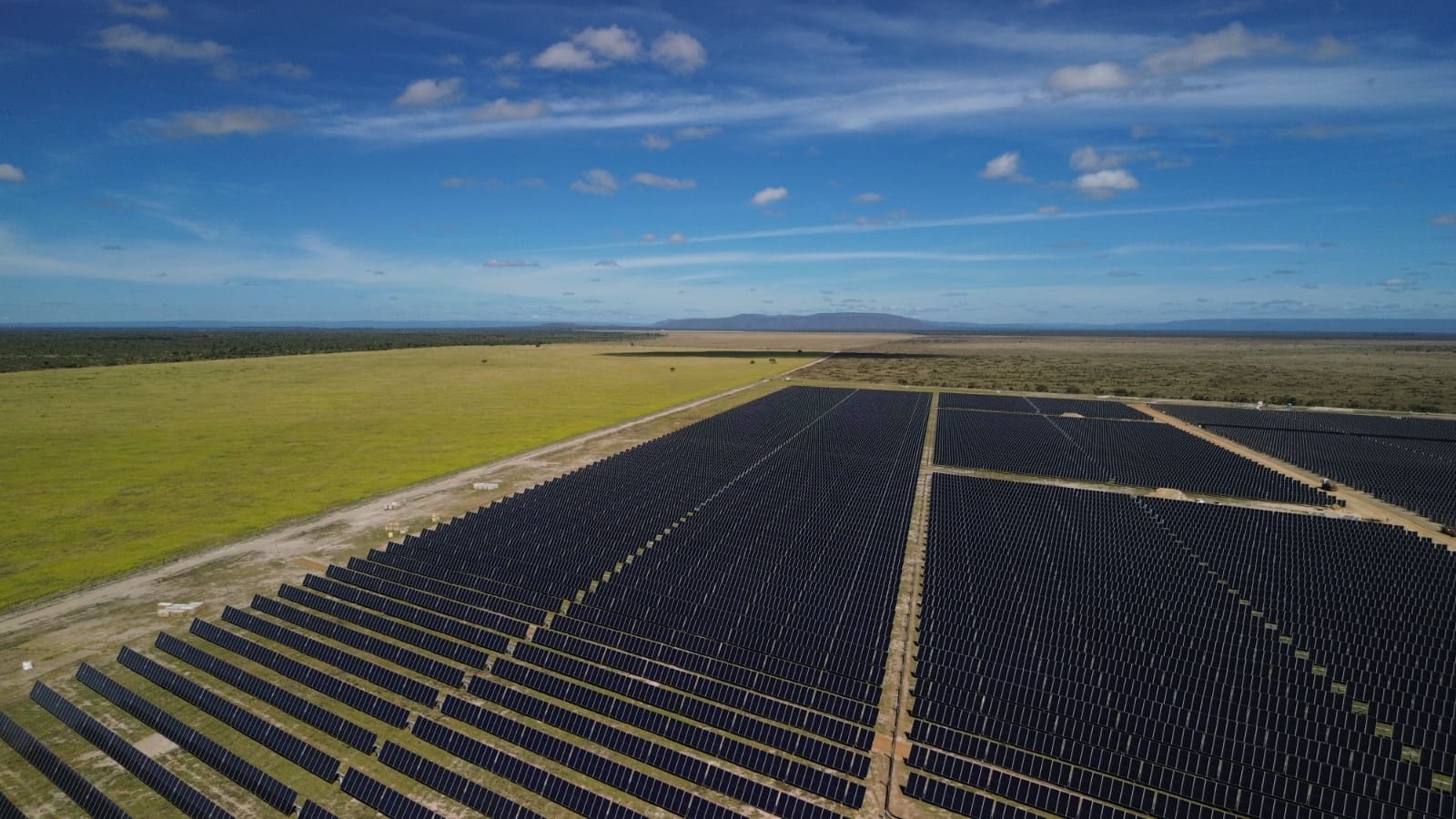

- In the 1970s, oil shocks demonstrated how energy dependence could paralyze entire economies.
- The Middle East became the center of the world, accumulating billion-dollar fortunes and increasing its diplomatic weight.
- Russia, heir to the Soviet Union, sustained its global influence through gas and oil exports.
This system functioned for decades, but also created weaknesses: any fluctuation in barrel prices or international sanctions had the power to destabilize entire nations. It is in this context that China saw the opportunity to redesign the energy map.
The Beijing Plan: A Decade of Silent Preparation
The Chinese turnaround was not improvised. Since 2015, the government has launched ambitious programs such as “Made in China 2025”, focusing on strategic sectors. Among them, the energy transition has been treated as an absolute priority.
The goal was clear: to transform the world’s largest oil consumer into a country capable of generating its own clean energy on a large scale. To achieve this, massive investments in solar, wind, batteries, and electric vehicles were made.
This strategy had less to do with saving the planet and much more with national security. Beijing understood that relying on imported oil was a risk in the case of conflicts or international crises. The answer was simple and pragmatic: electrify the country before vulnerability became unsustainable.
The First “Electrostate” in the World
By 2025, the numbers confirm: China is the first electrostate in history. More than 25% of its electricity already comes from solar and wind sources, an unprecedented advancement. And it is not just about internal production: the country dominates the entire global supply chain of these technologies, from solar panels to lithium batteries, transforming its industry into a motor of global competitiveness.
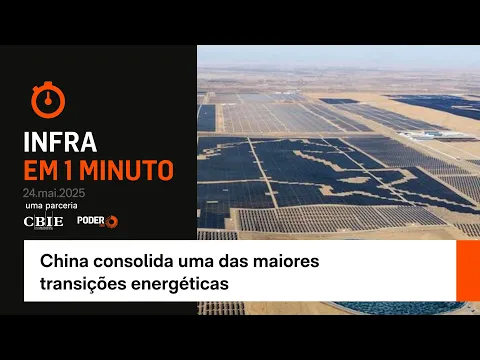

China has not only reduced its own dependence on oil, but also exports clean technology on an unprecedented scale. It is estimated that in 2024, these exports contributed to a 1% reduction in global CO₂ emissions outside of China — showing that the impact of its energy transition already surpasses its borders.
This is the central point of the concept of electrostate: a nation that projects power no longer through control of barrels of oil, but by dominating the flow of electricity and the technologies that make it accessible and cheap.
The End of Petrostate and Its Impact on the World
The rise of China as an electrostate marks the beginning of the end of petrostate. Saudi Arabia, which has controlled the global market for decades with its production adjustment capacity, is already beginning to rethink its dependence.
The program Vision 2030 of Prince Mohammed bin Salman tries to diversify the Saudi economy but faces difficulties in replacing the relevance of oil.
Russia, heavily dependent on gas and oil exports, suffers even more in the new scenario. International sanctions and a decrease in Chinese demand project a future of economic contraction. Countries like Iran and Venezuela, which have failed to diversify their economies, find themselves increasingly isolated and vulnerable.
In other words, what oil represented for petrostate over a hundred years, renewable electricity now begins to represent for China.
The Contradictions of the Chinese Electrostate
Despite the advances, the Chinese transition is not free of contradictions. China remains the largest consumer of coal on the planet and continues to build new thermal power plants. In 2024, there was a peak in coal-fired power plant installations, the highest in over a decade.
Part of this usage can be explained by the need to ensure energy security in the short term, while renewable infrastructure does not meet all demands. Furthermore, the coal chemical industry — which transforms coal into fuels and industrial products — continues to expand, increasing emissions in some sectors.
Nevertheless, the overall balance is positive: by 2025, China managed to reduce its net CO₂ emissions by 1%, thanks to the pace of clean energy expansion.
Oil in Decline: The Peak of Chinese Demand
The Chinese energy transformation has a direct impact on the oil market. Analysts project that Chinese demand for oil will peak in 2027, marking a turning point for the global economy.
If confirmed, this projection will drastically reduce the revenues of petrostate. After all, China has been the main driver of global demand growth for barrels over the past two decades. Without it, the trend is that oil will gradually lose space and price, weakening the countries that base their survival on this resource.
From Coal to Sun: A Civilizational Change
The Chinese advance is not only energy-related but civilizational. By prioritizing electrification, the country sketches a new model of development in which cheap and abundant energy serves as the foundation for high value-added industries, artificial intelligence, semiconductors, and electric mobility.
This creates a competitive advantage that is hard to overcome: while petrostate spends resources to sustain budgets dependent on barrels, China invests in technology that reduces internal costs and increases its external influence.
A New Power Map
The era of petrostate is coming to an end, and the concept of electrostate inaugurates a new power map.
If before the world measured its dependence in barrels of oil, now the strategic indicators are different: installed gigawatts, battery production capacity, control of critical minerals, and technological dominance over clean energy.
On this chessboard, China appears as a pioneer, while other nations are catching up. The United States and the European Union are investing in energy transition, but they have yet to achieve the same degree of integration among industry, energy, and geopolitics that Beijing has implemented.
The Electron Replaces the Barrel
In 2025, China has established itself as the first electrostate in history, the result of a calculated strategy developed over a decade.
The country did not act out of climate morality, but out of economic and geopolitical pragmatism. Oil, which sustained empires and wars for a hundred years, is beginning to lose relevance in the face of the electron, the new unit of global power.
For petrostate, the future is one of adaptation or decline. For the world, the message is clear: the geopolitical competition of the 21st century will be fought not for control of oil wells, but for dominance over electrical networks, technological innovation, and global clean energy chains.









Absolutamente fascinante! Faz todo sentido! Parabéns!