





 Portuguese
  English
  Spanish
  5 min of reading
  0 comments


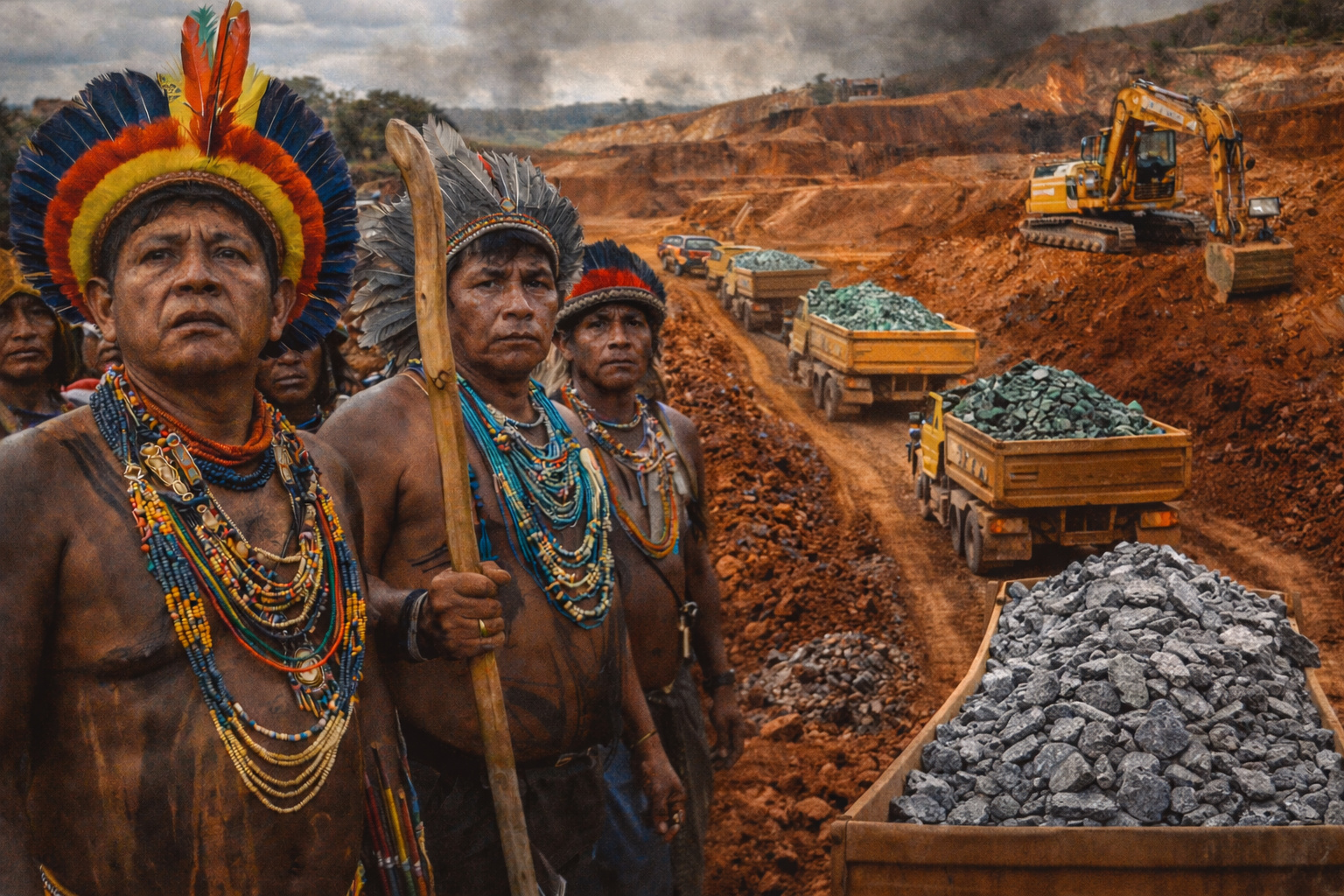
Exploration of rare earths, lithium, copper, tin, and other critical minerals soared in the last five years, surrounding 278 indigenous lands and intensifying pressure on territories amid the energy transition race.
The race for critical minerals has gained momentum in Brazil and is directly pressuring hundreds of indigenous territories. A new survey indicates that at least 278 indigenous lands are surrounded by mineral exploration requests linked to strategic elements for batteries, renewable energy, chips, military equipment, and advanced technologies.
This number represents 44% of the indigenous lands in the country. The data exposes the advance of a sector that has strengthened in the last five years and is now targeting sensitive areas amid the global discourse on energy transition.
In practice, the expansion of lithium, copper, tin, rare earths, and other mineral mining puts billion-dollar economic interests, territorial protection, and the future of indigenous communities in various regions of Brazil at odds.
-
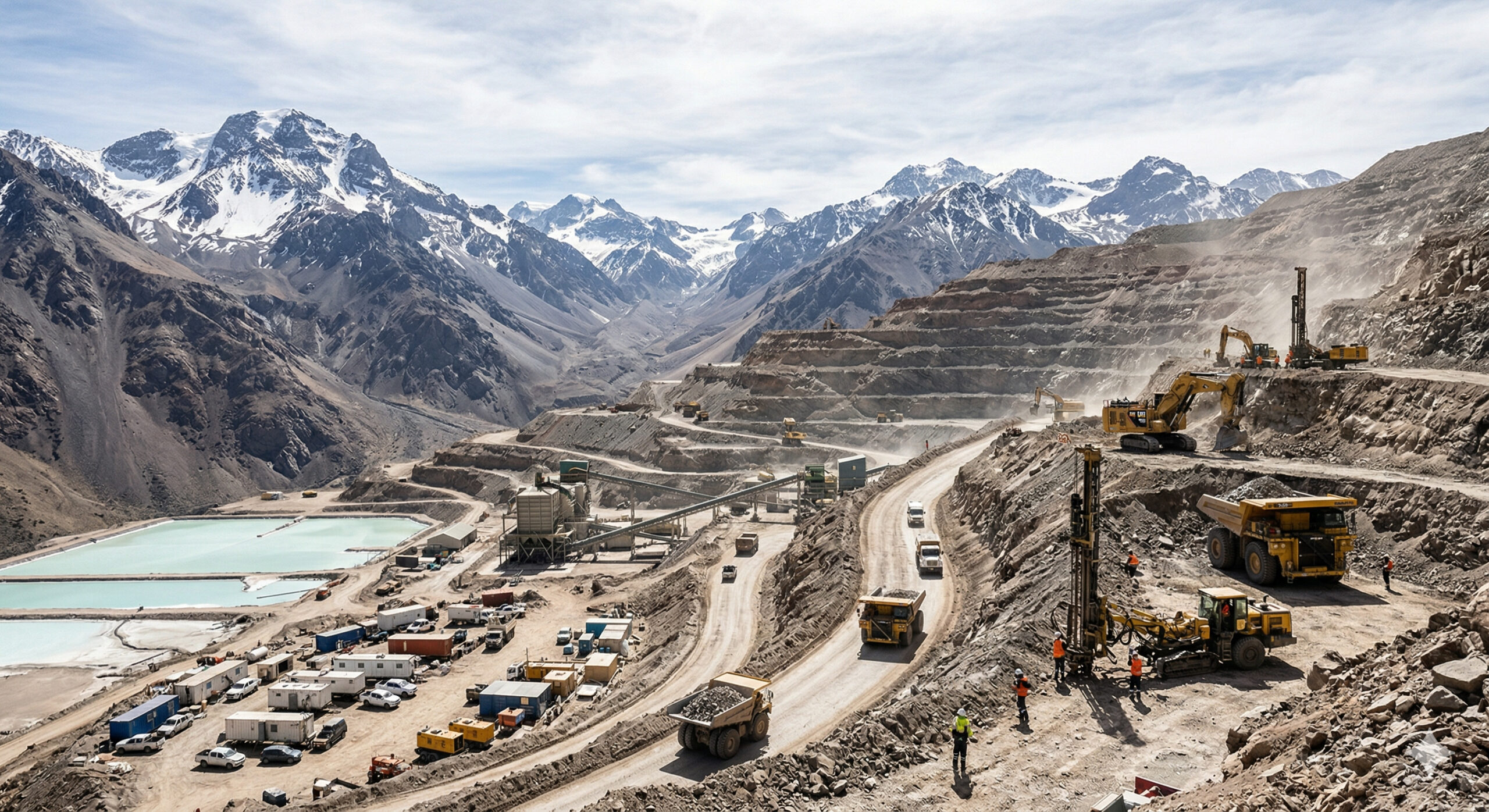
Under layers of ice that feed entire rivers, Argentina paves the way to explore copper, lithium, and gold in regions of extreme altitude and could unlock up to $165 billion in exports, placing one of the largest freshwater reserves in South America at the center of a new global mineral rush.
-
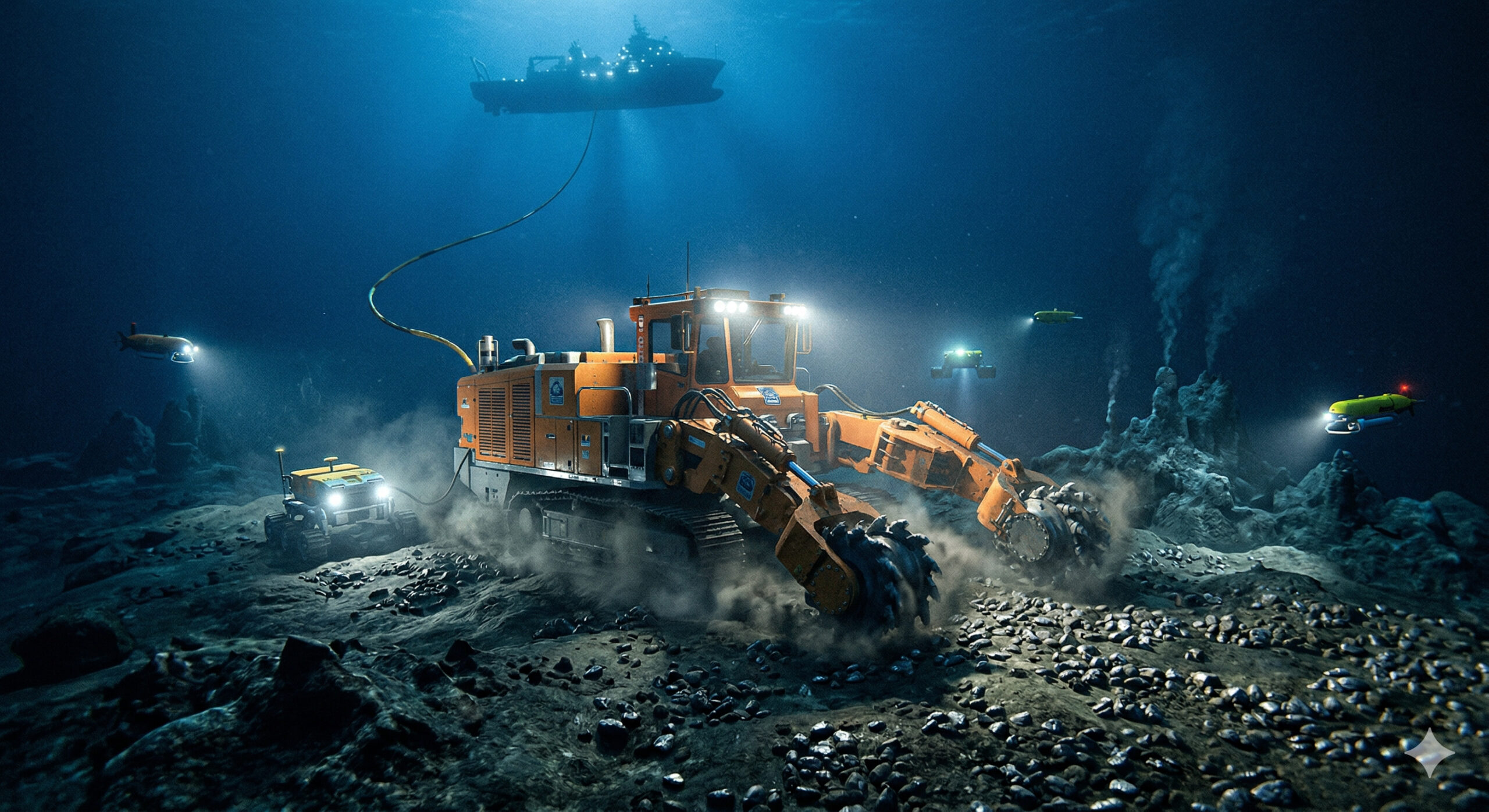
With nodules rich in nickel, copper, cobalt, and manganese scattered up to 6,000 meters deep, a $1 billion merger creates a giant in underwater mining and accelerates the global race for critical metals hidden on the ocean floor.
-
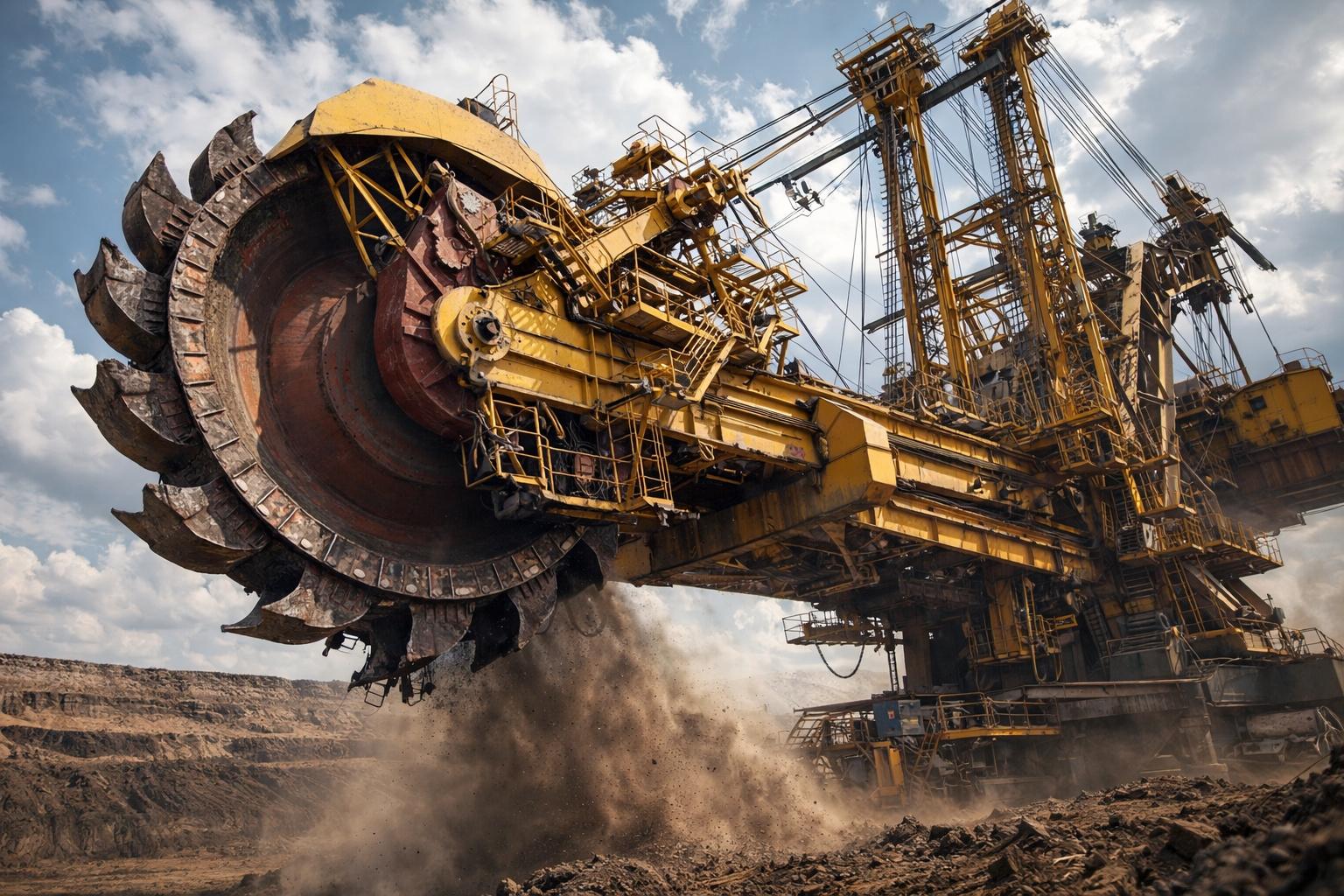
A machine capable of removing up to 12,000 cubic meters of earth per hour helps to feed part of the European energy matrix, and this mining colossus almost never appears when discussing the real cost of electricity.
-
In Kerala, India, known as “the land of God,” dredging machines are extracting sand from rivers 40 times faster than nature can replenish it, riverbeds have already dropped nearly 2 meters, rivers have begun to dry up, and scientists who investigated the floods of 2018 discovered that decades of uncontrolled mining have weakened the rivers to the point where they can no longer contain the water.
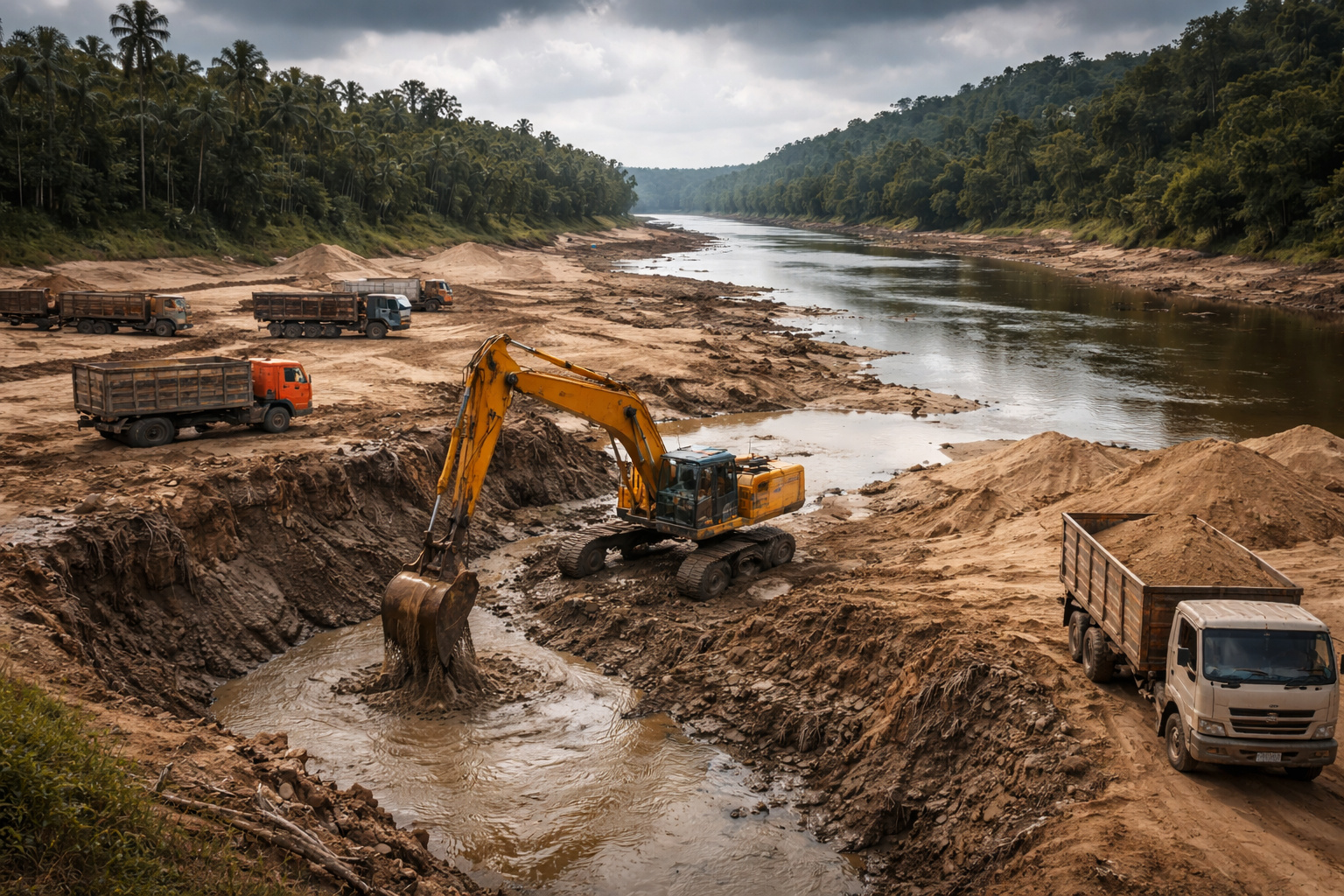
Mining boom grows strongly in just five years
The advance has been rapid. According to data analyzed by the Energy Transition Observatory, Brazil has accumulated 29,213 requests related to 27 minerals considered essential for electrification.
Half of these requests were filed between 2021 and 2025. This shows how the mineral race has accelerated in a short time, following the global appreciation of resources used in electric vehicles, solar panels, wind towers, and defense systems.
The majority of the requests are still in the initial phase. Nevertheless, territorial pressure is already strongly visible on the map.
Indigenous lands are surrounded by exploration projects
By crossing mining data with the territorial bases of Funai, the survey identified 2,055 mining requests overlapping or located less than 10 kilometers from 278 indigenous lands.
Furthermore, when only the processes already in operation are considered, at least 38 territories appear to be directly affected by critical minerals.
The scenario worries indigenous leaders and organizations that monitor the impacts of mining. For them, the so-called energy transition risks pushing entire communities into new zones of pressure, conflict, and environmental destruction.
Rare earths and lithium lead billion-dollar race in the country
Among the most contested minerals, two stand out: rare earths and lithium. Both are seen as strategic for the future of the global economy.
Rare earths are used in chips, wind turbines, electronic equipment, and even military systems. Lithium is central to the production of batteries for electric cars and energy storage.
In Brazil, this race is already showing significant numbers. Of the 2,259 requests to explore rare earths, 89% were filed in the last five years. In the case of lithium, 94% of the approximately 4,000 mining requests emerged in the same period.
Mining in indigenous areas becomes a topic of political confrontation
The growth of exploration occurs in an environment of strong political dispute. Indigenous organizations claim that the mineral lobby is advancing in Brasília to try to pave the way for the regulation of mining on indigenous lands.
The Apib maintains that this movement is not new, but has gained intensity as political signals have begun to favor the debate in Congress and also in the Judiciary.
The entity criticizes the attempt to use the energy transition as a justification to relax the protection of territories. For the organization, it makes no sense to advocate supposedly clean energy at the expense of the destruction of indigenous areas.
Report warns of “sacrifice zones” in the name of energy transition
In the report released during the Free Land Camp, the Apib states that the expansion of mining could transform indigenous lands into “sacrifice zones.”
The criticism is direct. According to the organization, part of the economic elites has begun to treat the climate crisis less as a planetary emergency and more as a business opportunity.
From the perspective of indigenous leaders, the risk is to repeat an old pattern: swapping one destructive model for another, now packaged with the discourse of decarbonization.
Territories already feel the effects of mining pressure
The survey shows that some territories face even greater pressure. The Kiriri de Caldas Indigenous Land, in southern Minas Gerais, appears as the most affected among the critical minerals processes already in operation.
The territory is overlapped or surrounded by 55 mining areas. Next are the Kayapó lands in Pará, with 19 requests in operation, Apyterewa, also in Pará, with 16, and Uru-Eu-Wau-Wau in Rondônia, with 11.
These numbers help to show that the pressure is not just hypothetical. In several regions, it is already materializing around the territories.
Global dispute for minerals increases Brazil’s strategic value
The race for critical minerals is not happening only within Brazil. It is part of a global dispute among powers trying to reduce dependencies and ensure access to strategic raw materials.
The United States and China are at the center of this battle for rare earths and other valuable metals. In this context, Brazil becomes even more coveted.
The country hosts the second-largest reserve of rare earths and the sixth-largest of lithium in the world. This increases economic interest in the Brazilian subsoil and heightens pressure on preserved areas and indigenous territories.
Demarcation becomes a response to the new mineral race
In light of this scenario, indigenous leaders emphasize that territorial protection needs to advance urgently. For them, ensuring the demarcation of already recognized lands and accelerating new processes is a concrete measure against predatory expansion.
The phrase used in the report summarizes this position strongly: demarcation is mitigation.
Amid the mining boom, the competition for lithium, copper, tin, rare earths, and other critical minerals promises to grow even more. What is at stake now is not just mineral wealth, but the future of entire territories threatened by a new extractive wave.
If you believe this debate needs more attention in Brazil, leave your comment and share this publication.







Seja o primeiro a reagir!