





 Portuguese
  English
  Spanish
  3 min of reading
  0 comments



The new model standardizes access, reinforces security, and reorganizes the actions of users and representatives in the digital environment of the Federal Revenue
A recent update in the digital environment was implemented by the Federal Revenue of Brazil, attracting the attention of users who rely on electronic services in their daily lives.
The new model, announced on April 6, 2026, in the Official Gazette of the Union, reorganizes access to the systems and defines a unique authentication standard.
The gov.br account becomes the main means of entry, with security levels adjusted according to the type of service used.
This move demonstrates that the Federal Revenue sought to simplify the use of digital services, while also increasing control over access and operations.
Standardization of digital access changes users’ routines
Access to services will now require authentication through the gov.br account whenever necessary, reorganizing the way of entering the systems.
The security level will be adjusted according to the type of service used, making the process more controlled and secure.
In the case of companies, access can be performed by the legal representative linked to the CNPJ.
This access can also occur through a digital certificate or by previously authorized individuals, expanding the possibilities of use.
Organization of services facilitates navigation in the system
The new model organizes digital services into categories that facilitate user understanding.
Services will be divided between those exclusive to the Federal Revenue and those involving other public agencies.
The system also recognizes different forms of action, such as direct access, authorization, and digital representation.
This organization improves navigation and clarifies the way to use the available services.
-
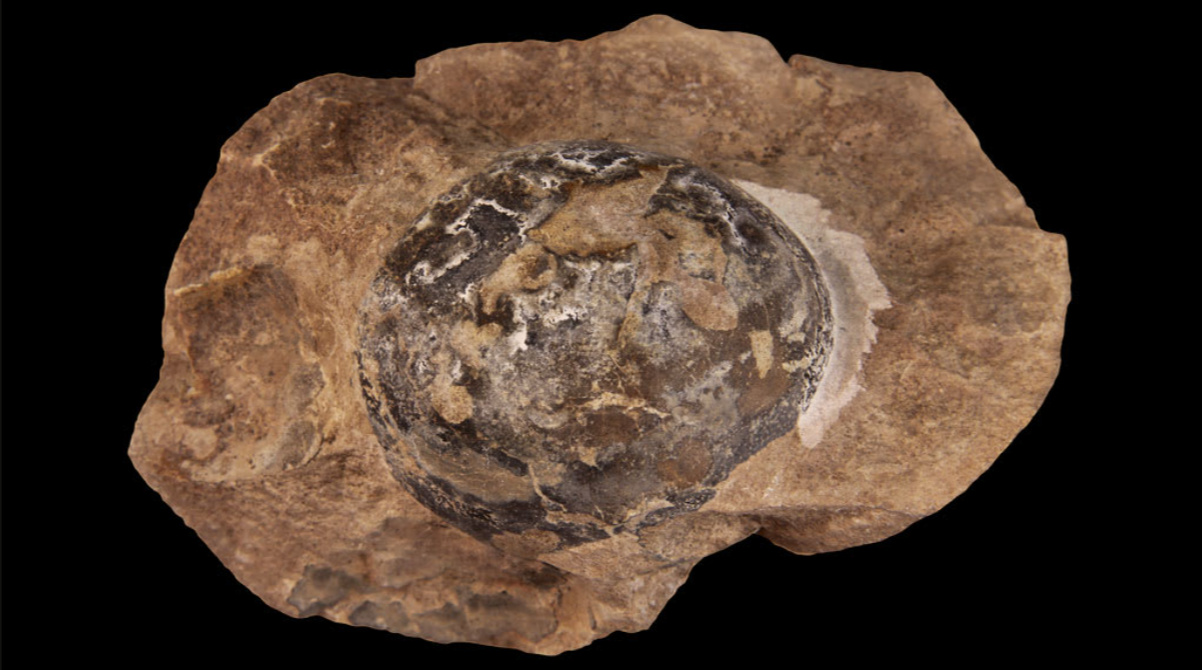
All mammals on the planet were born from eggs 250 million years ago, and scientists have just found the first evidence of this hidden inside a skull smaller than a coin in South Africa.
-
A 68-year-old pizza delivery driver went off route to buy a soda that was missing from a visually impaired customer’s order, refused an extra tip, and now Dan Simpson has over R$ 546,000 in donations from people around the world who want to ensure he can retire peacefully on April 30.

-
Amateur archaeologists were searching a forest in Poland with metal detectors when they found a ceramic pot buried for over 1,500 years. Inside was a pure gold necklace weighing 222 grams, folded to fit in the vessel, and when experts examined the piece, they discovered it was the first Gothic torque ever found in Polish territory.

-
Millions of people have been eating pomegranates for centuries without knowing that this ancient fruit contains punicalagins, which scientists are studying for their possible effects on memory and vascular health.

Digital representation expands the actions of third parties
Users will be able to allow third parties to access services and perform actions on their behalf within the digital environment.
This authorization can be made directly by the holder or requested in specific situations, depending on the level of access.
When done online, the authorization will depend on the validation of the indicated representative.
This feature allows for the submission of documents, presentation of requests, and execution of other authorized digital operations.
Access control reinforces proper use of services
The system will now have more stringent access control mechanisms, which enhances the security of operations.
The Federal Revenue will be able to suspend or block access in cases of misuse, inconsistencies, or registration irregularities.
Granted authorizations can be canceled at any time by the user or by the system itself.
Limits may also be defined for the number of accesses granted to the same representative, according to internal criteria.
Digital security prevents irregular access
The use of unauthorized automated systems or intermediaries will be prohibited within the platform.
If such use is identified, access may be immediately interrupted.
The system also blocks use in cases of irregularity in the CPF or CNPJ.
As long as these situations are not regularized, access to digital services will remain unavailable.
Service portal brings everything together in a single environment
The Federal Revenue Service Portal will gradually concentrate all digital services in a single environment.
This portal brings together both open services and those that require authentication, centralizing access.
The platform also integrates systems such as e-Social and Redesim, increasing the number of available services.
In addition, specific situations, such as system unavailability or the need for in-person service, continue to be addressed.
This new format reorganizes the digital environment and reinforces the commitment to transparency, security, and efficiency in user service.









Seja o primeiro a reagir!