





 Portuguese
  English
  Spanish
  4 min of reading
  0 comments


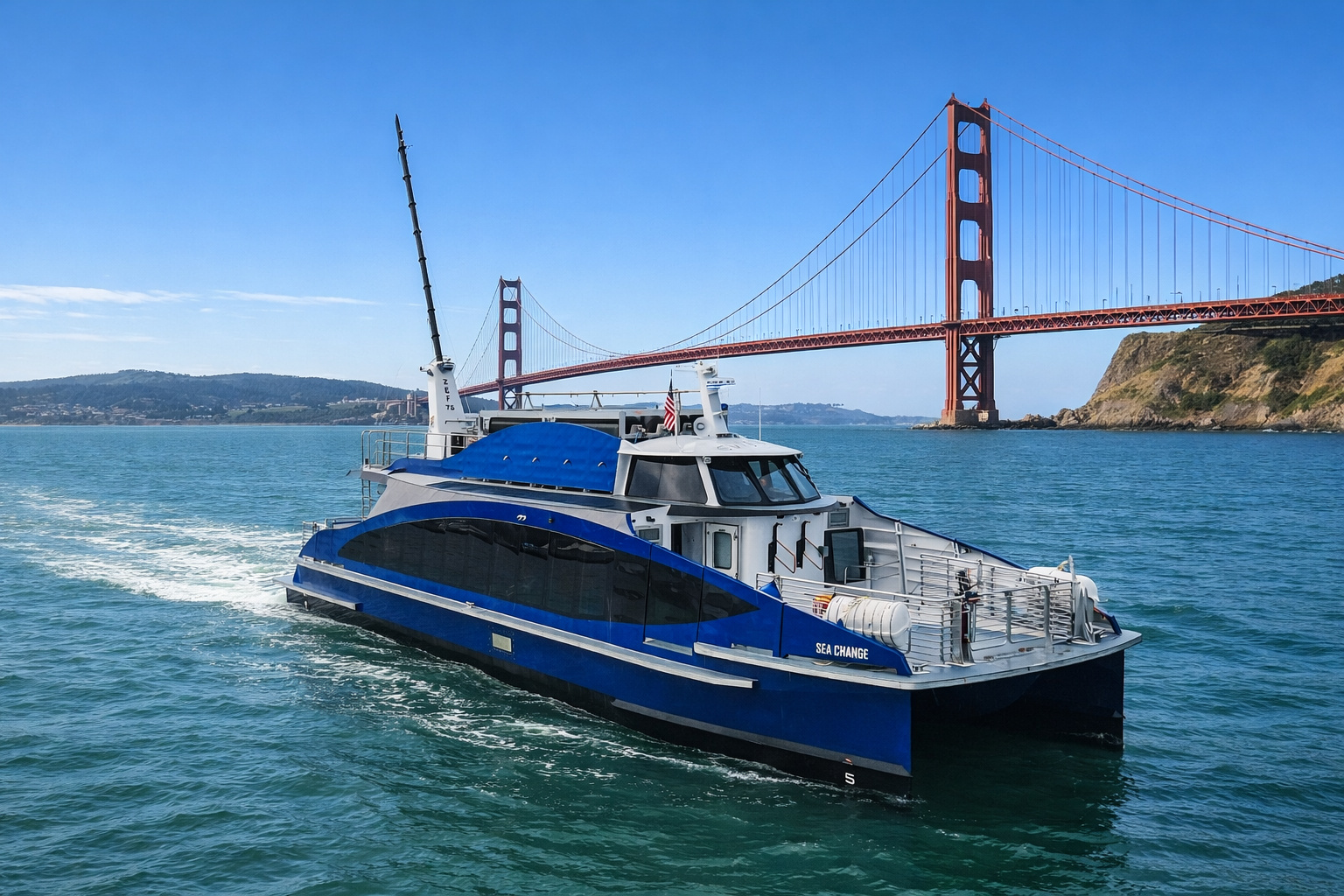
Hydrogen-powered ferry enters into operation in the USA, eliminates diesel and inaugurates a new phase of navigation with clean energy and zero emissions.
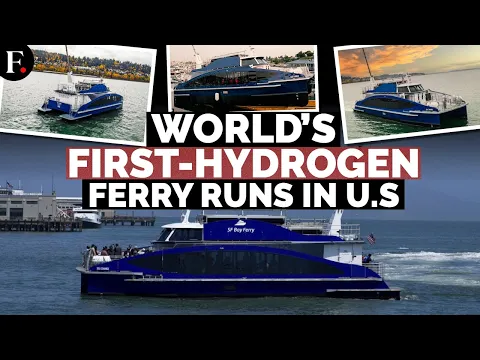
In 2024, the United States launched the country’s first commercial hydrogen-powered ferry, a milestone for the energy transition in maritime transport. The vessel, named MV Sea Change, began operating in San Francisco Bay, California, completely replacing the use of diesel with a system based on hydrogen fuel cells.
According to information released by outlets such as The Maritime Executive and local transportation authorities, the project represents one of the first real commercial applications of this technology in passenger transport, moving from the experimental field to regular operation. The most relevant fact is that the ferry operates with zero direct emissions, releasing only water vapor as a byproduct of the energy generation process.
Technology uses hydrogen to generate electricity on board without combustion
The operation of the ferry is based on a principle different from traditional engines. Instead of burning fossil fuel, the system uses hydrogen stored in pressurized tanks. This hydrogen is converted into electricity through fuel cells, which power the vessel’s electric motors.
-
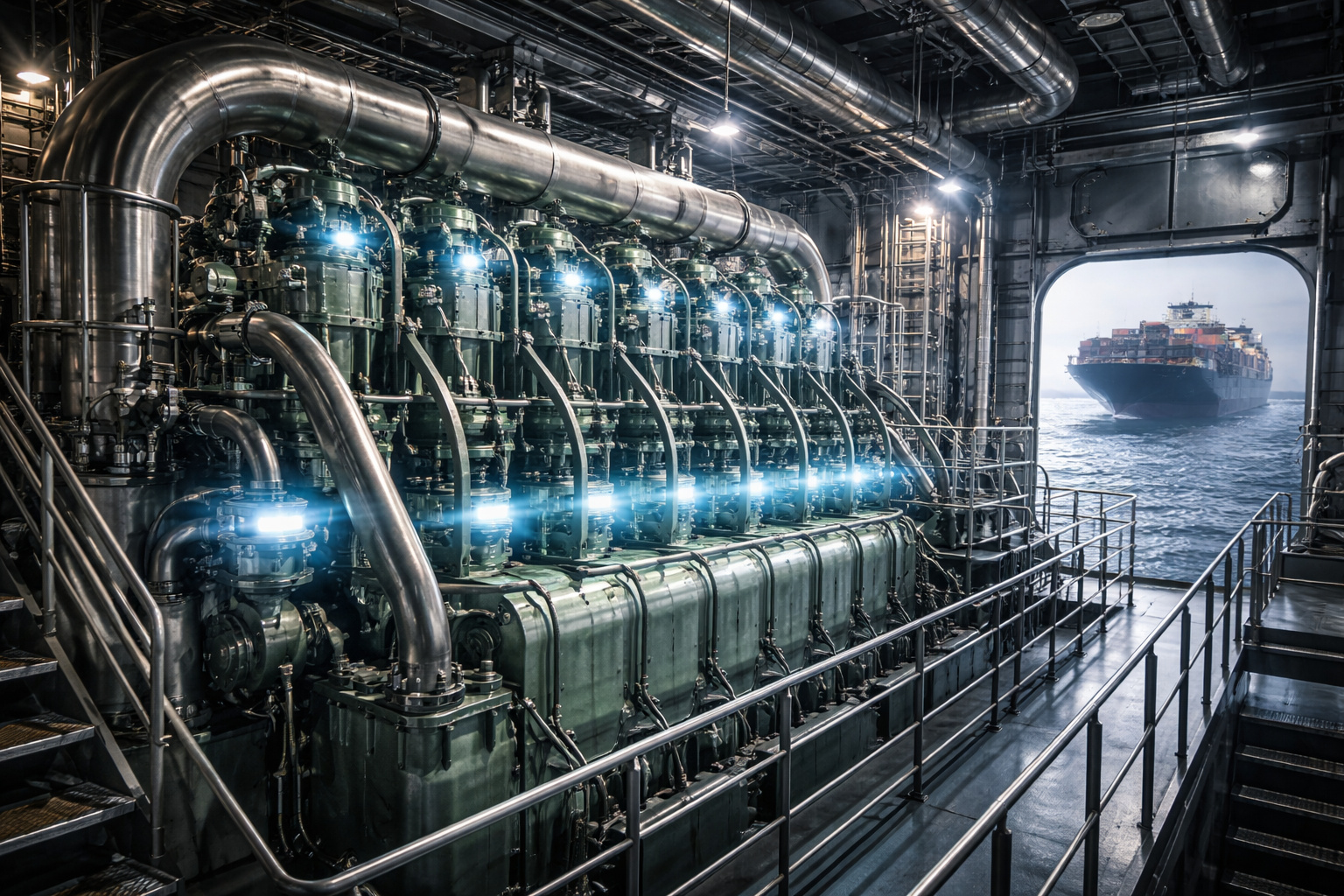
Europe is trying to create an ammonia-powered marine engine without auxiliary fuel, which could unlock the race for giant emission-free ships. The technology aims to eliminate one of the biggest obstacles to clean maritime propulsion.
-
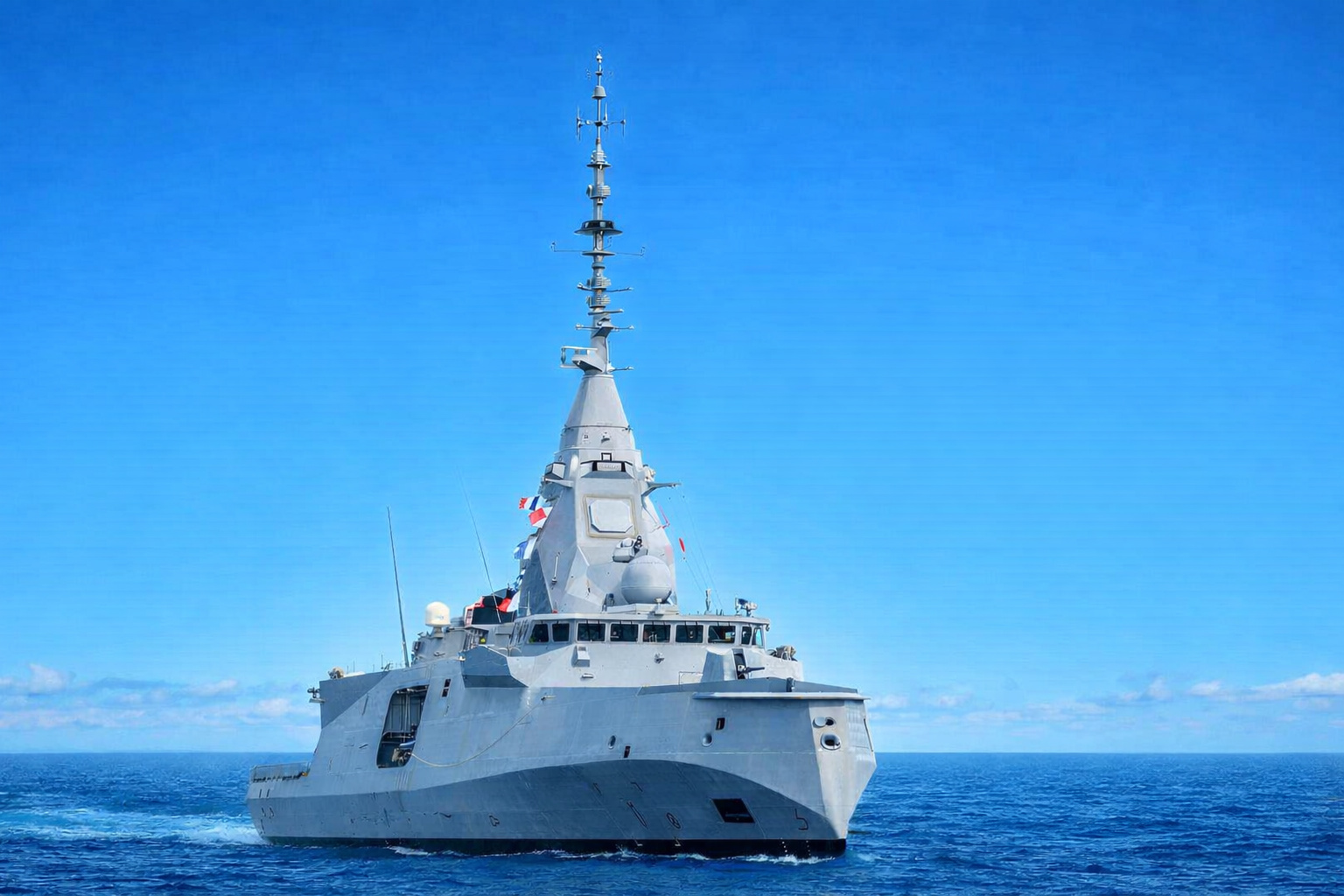
A 4,500-ton frigate with just over 100 crew members, state-of-the-art radar, and cruise missiles is being touted as the new standard of naval warfare in the 21st century.
-
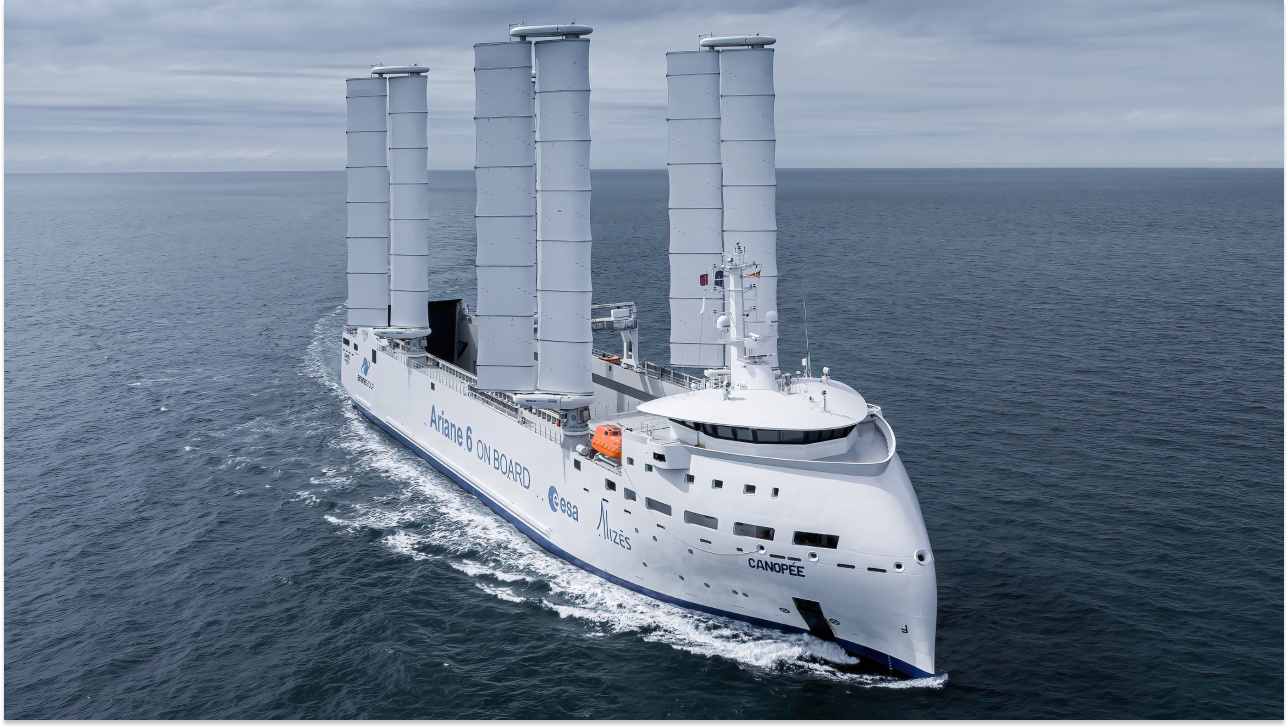
With a length of 121 meters and four rigid sails of 36 meters that automatically rotate to capture the wind, Canopée is the world’s first hybrid industrial cargo ship powered by wind, used to transport rockets and reduce fuel consumption by up to 30% on transoceanic routes.
-
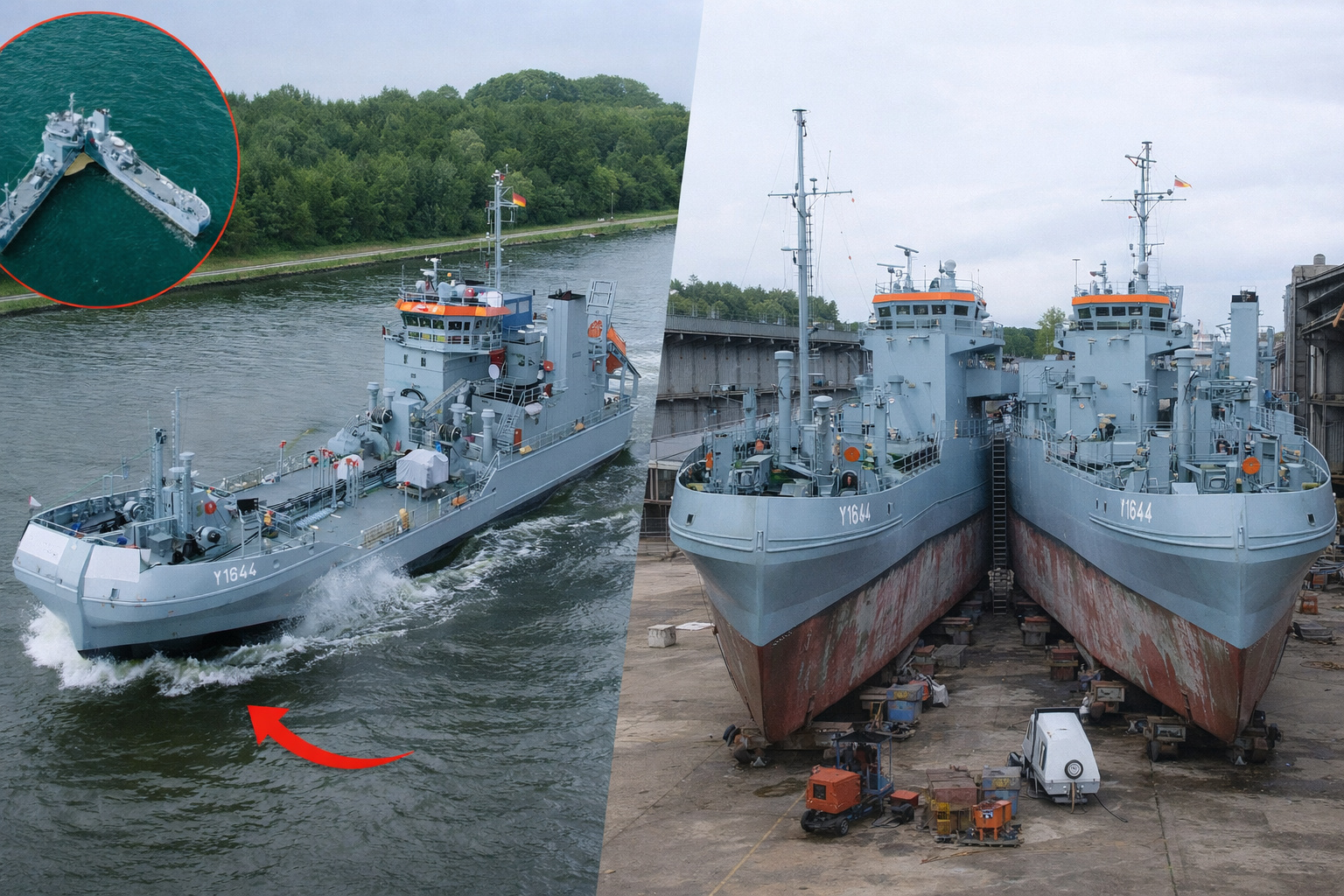
The German ship Bottsand splits its hull in two halves in the middle of the ocean to swallow spilled oil on the surface, separating the oil from the water inside a 790 cubic meter tank and then closing again. It is the only ship in the world factory-designed to split in half as part of normal operations, and the crew of six people who operate everything is civilian.


The process occurs without combustion, which eliminates the emission of carbon dioxide, nitrogen oxides, and common pollutants found in diesel engines. The only byproduct generated is water, released in the form of vapor.
Vessel designed to operate real urban transport routes
The Sea Change is not a laboratory prototype. It was developed to operate real public transport routes, connecting different points in San Francisco Bay. The vessel has the capacity to transport passengers on urban routes, with performance comparable to conventional ferries.
This positions the project as a real test of commercial viability, evaluating not only the technology but also operational costs, supply logistics, and public acceptance.
Hydrogen emerges as a strategic alternative to diesel in maritime transport
The maritime sector is responsible for a significant share of global greenhouse gas emissions, especially due to the intensive use of fossil fuels. In this context, hydrogen appears as one of the main alternatives to reduce these emissions.
The main advantage of hydrogen is the possibility of operating with zero emissions, provided that the fuel is produced from renewable sources, such as solar or wind energy.
Projects like the Sea Change demonstrate that this transition is already underway, albeit in its early stages.

Challenges include hydrogen cost and supply infrastructure
Despite technological advances, large-scale adoption still faces significant challenges. The main one is the cost of hydrogen, especially when produced cleanly, known as green hydrogen.
Additionally, the supply infrastructure is still limited, requiring investments in production, storage, and distribution. These factors are considered the main bottlenecks for the expansion of the technology, especially on large-scale maritime routes.
Project integrates global movement for decarbonization of maritime transport
The Sea Change ferry is part of a global movement aimed at reducing the environmental impact of maritime transport. International organizations and governments have encouraged the development of alternative technologies, including hydrogen, ammonia, electrification, and biofuels.
The International Maritime Organization (IMO) has set emission reduction targets, pressuring the sector to seek cleaner solutions.

San Francisco Bay becomes a laboratory for new maritime technologies
The choice of San Francisco Bay is not by chance. The region is known for initiatives related to innovation and sustainability. With the Sea Change in operation, the bay serves as a testing ground for low-carbon maritime transport technologies.
This type of implementation in a real environment is crucial to validate the technology, identify challenges, and accelerate its adoption in other regions.
Comparison with traditional ferries shows potential for transformation
Conventional ferries use diesel engines that emit large amounts of pollutants. By replacing this system with fuel cells, the Sea Change completely eliminates these emissions during operation.
Additionally, electric motors tend to be quieter and more efficient, also reducing noise pollution. This combination of benefits positions hydrogen as a promising alternative for the future of navigation.
Hydrogen ferry marks the beginning of a new phase in global navigation
The entry into operation of the Sea Change represents a concrete step in the transformation of maritime transport. More than a technological advance, the project demonstrates that low-carbon solutions are already being applied on a commercial scale.
With zero direct emissions, use of fuel cells, and real operation in one of the busiest regions in the USA, the ferry inaugurates a new phase in the quest for cleaner and more sustainable navigation. As challenges such as cost and infrastructure are overcome, initiatives like this are likely to expand, redefining the future of maritime mobility worldwide.








-

Uma pessoa reagiu a isso.