





 Portuguese
  English
  Spanish
  5 min of reading
  0 comments


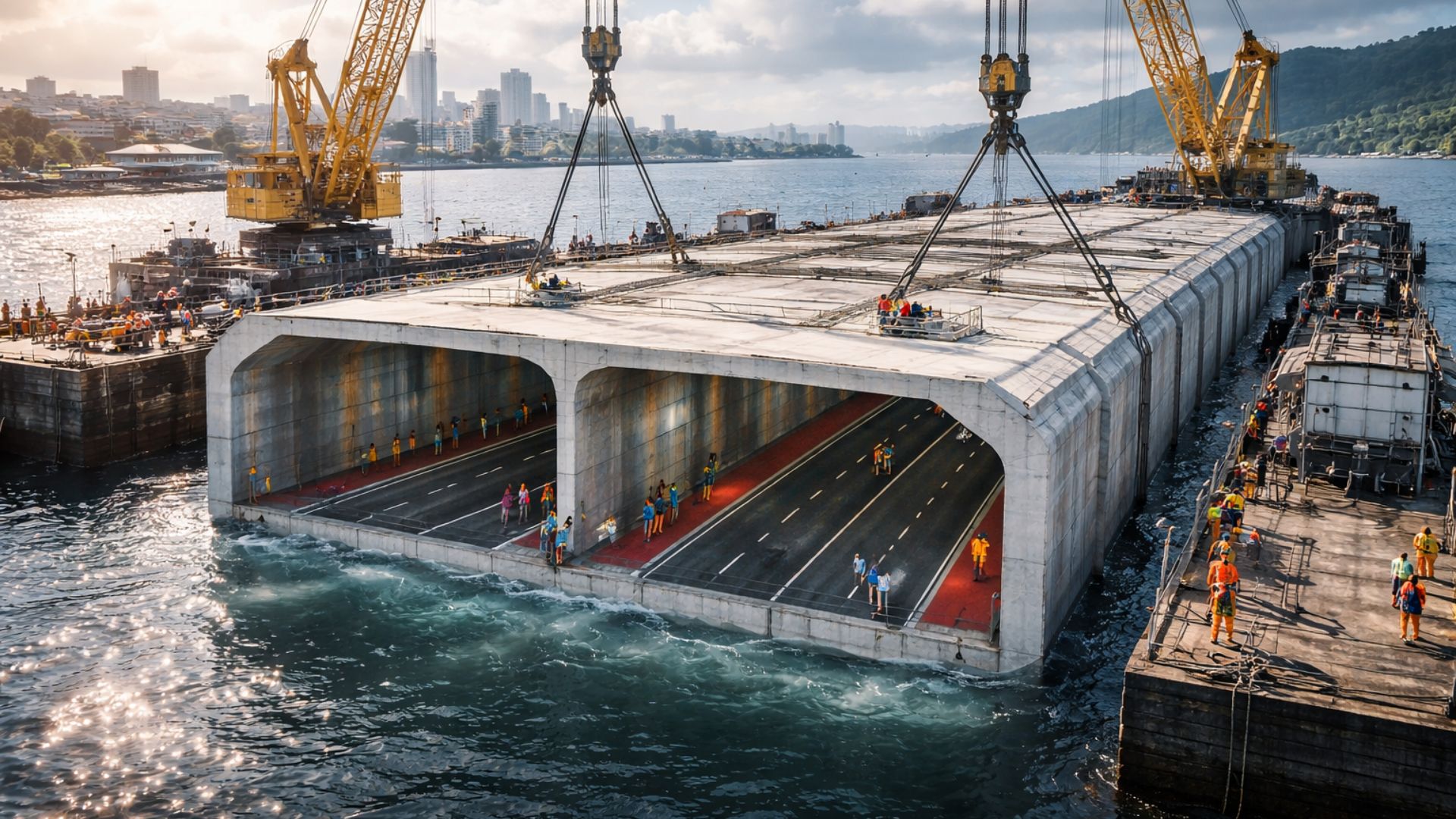
Billion-dollar infrastructure project advances amid political tensions, legal adjustments, and expectations of direct impact on urban mobility and port logistics in Baixada Santista, as governments dispute protagonism and control agencies impose conditions.
The formalization of the credit that supports public participation in the submerged tunnel Santos-Guarujá marks, this Monday (13), a new stage of a project considered strategic for the mobility of Baixada Santista and for the logistics of the Port of Santos.
The work, pointed out by governments as the first submerged crossing in the country, has an estimated investment of R$ 6.8 billion, with about R$ 5.2 billion coming from public resources, divided between the Union and the São Paulo government.
Financing of the Santos-Guarujá tunnel and resource division
The act this Monday involves a credit operation of approximately R$ 2.57 billion structured by Banco do Brasil to finance the contribution from the State of São Paulo.
-
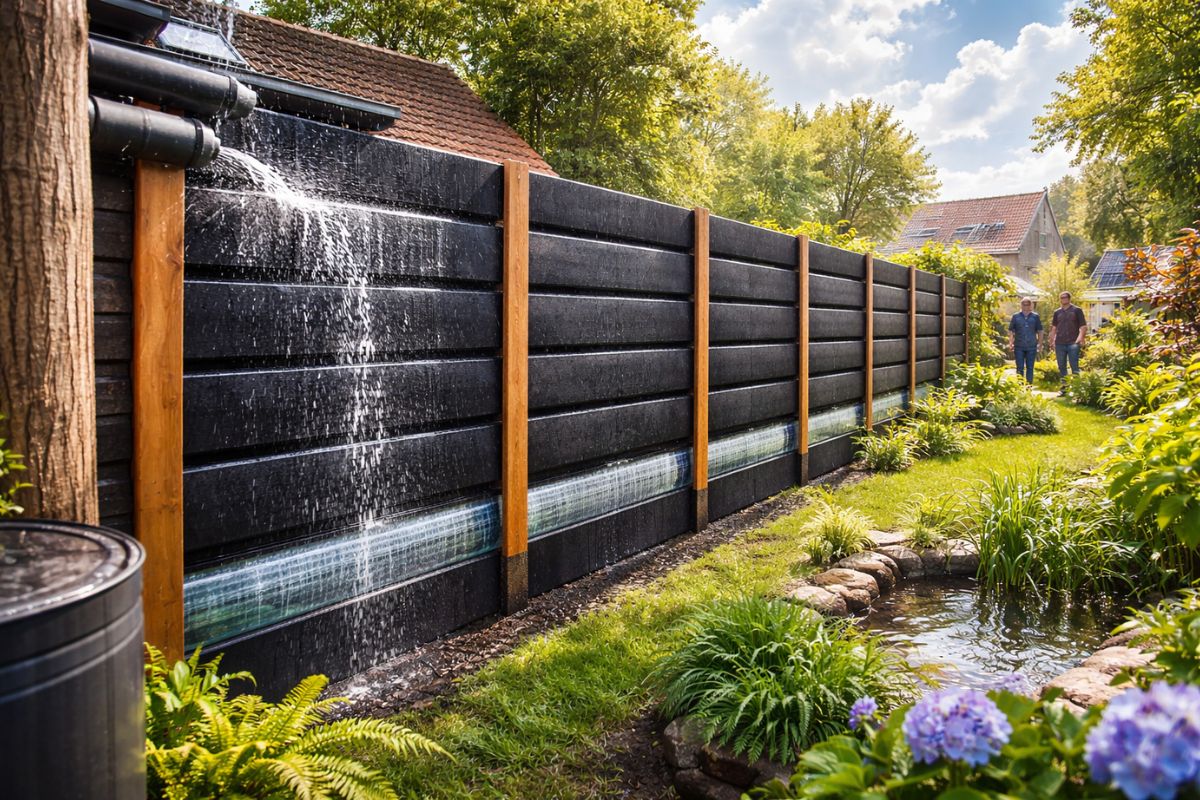
Dutch people are replacing common fences with “rain fences,” fences that store rainwater in the garden: up to 2,160 liters, relieving the sewage system during storms and helping to cope with drought in the summer.
-
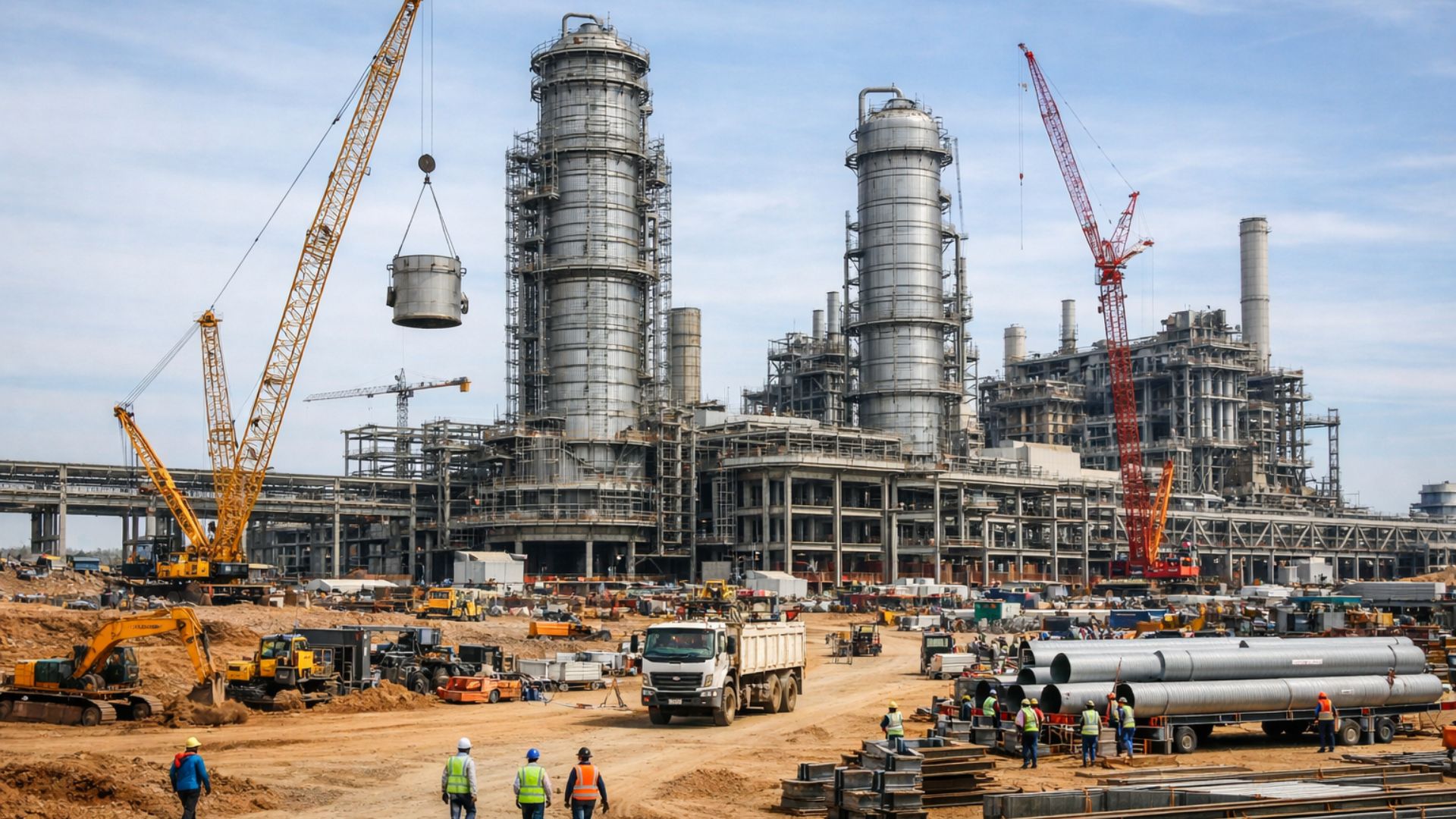
The largest pulp factory in the world is being built in Brazil for R$ 23 billion and promises 14,000 jobs; see how the construction is progressing, which will have 3.5 million tons/year, 400 MW of clean energy, and 400,000 hectares of eucalyptus.
-
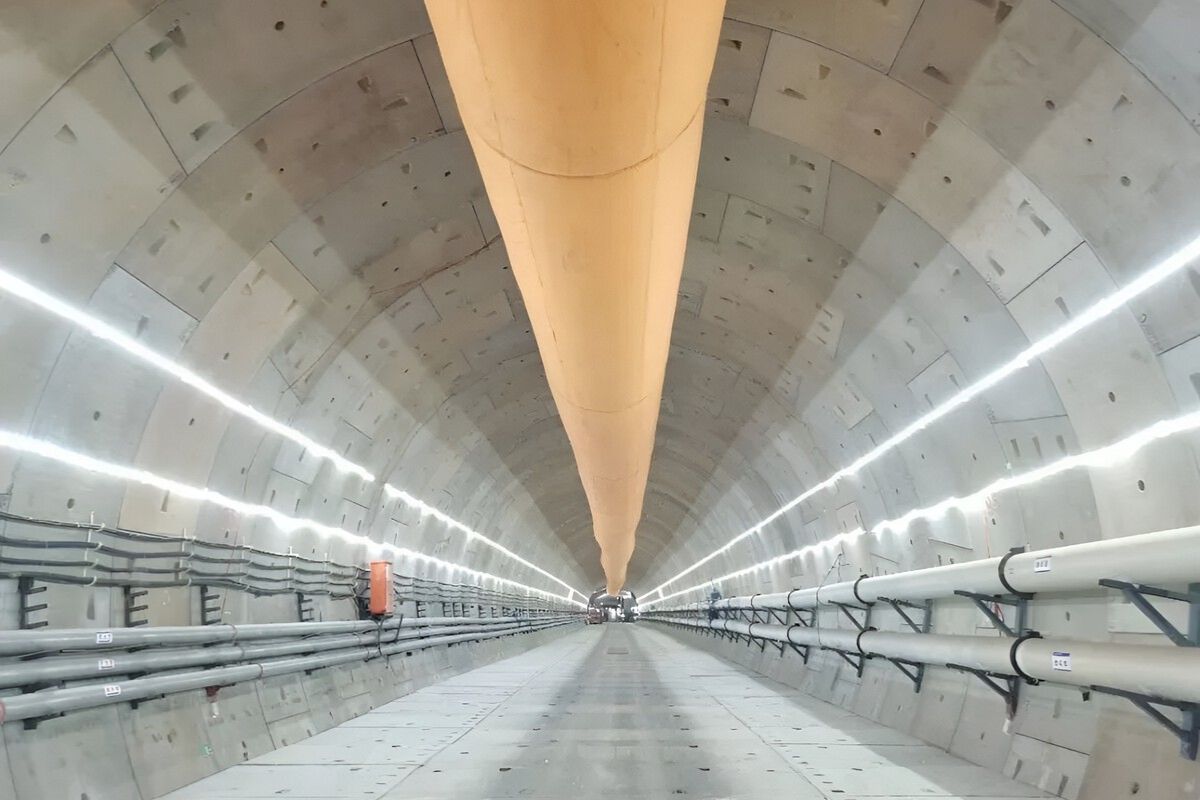
China digs a submarine tunnel for high-speed train and reaches 113 meters below the seabed, facing 13 layers of soil, fault zones, and intense pressure at the mouth of the Pearl River.
-
A R$ 600 million project at the Port of Paranaguá reaches 95% completion and may become a white elephant: The nearly finished Moegão still faces a real risk of idleness and operational delays.
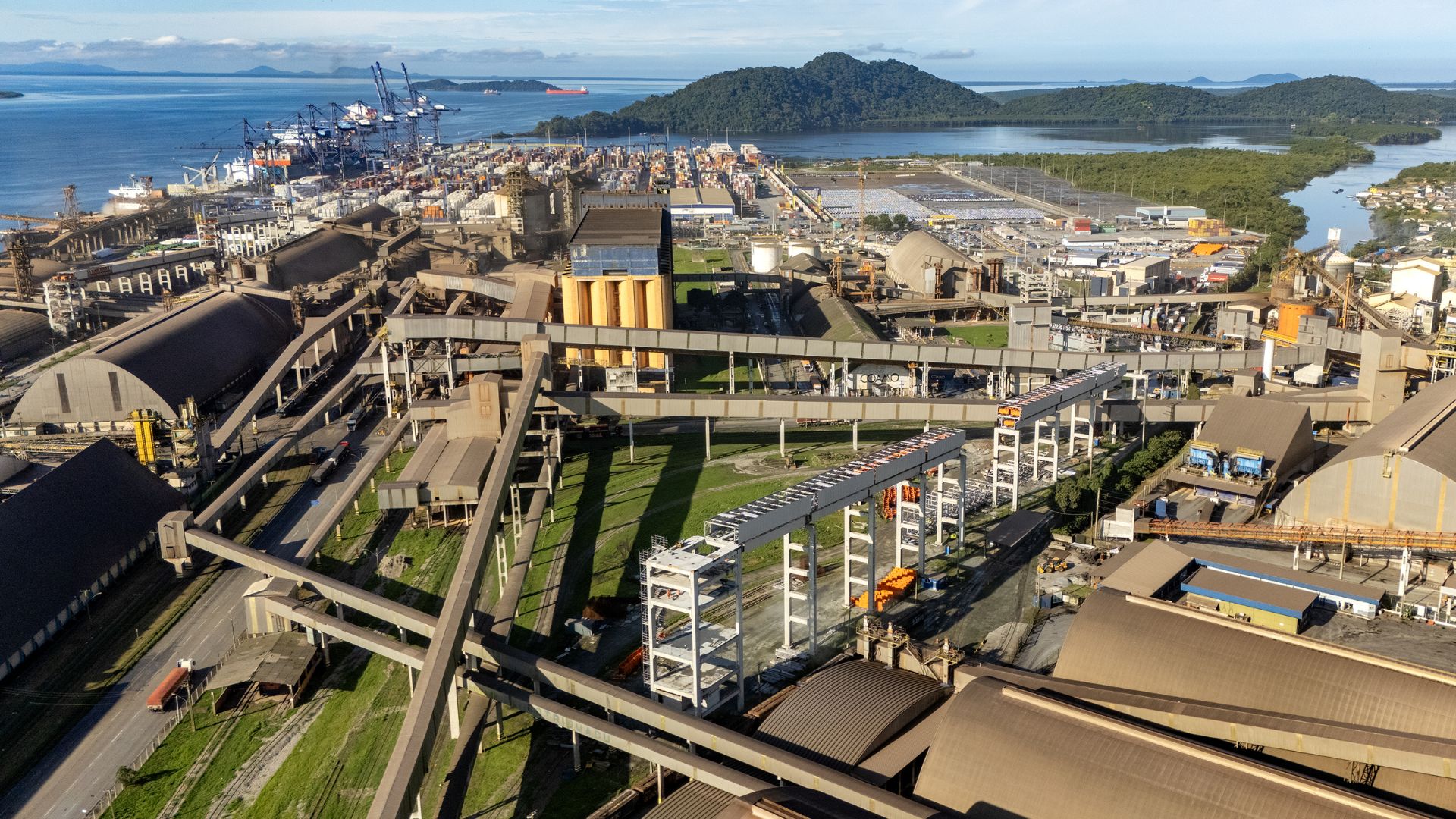
Days earlier, the Union authorized the granting of a guarantee for the financing, while the Port Authority of Santos reported that it has already reserved an equivalent amount for the implementation of the project, within the arrangement planned for the partnership.
Despite the financial progress, the ceremony takes place amid a tense environment between the two levels of government.
Members of the Palácio dos Bandeirantes assess that the federal government is trying to capitalize politically on a project that São Paulo also claims as its own, while the Union maintains that the stage symbolizes institutional cooperation in a project of national impact.
The dispute, which had already been unfolding since the bidding process, gained strength behind the scenes in the preparation for the event.
Political dispute between the Union and the government of São Paulo

The political impasse adds to a technical front still open at the Federal Court of Accounts.
In a decision published in March 2026, the TCU determined that the Port Authority of Santos present a formal governance instrument to regulate the federal contribution to the PPP project and meet the requirements set in a previous ruling.
In practice, the Court conditioned the release of federal transfers to a more precise definition of institutional responsibilities and control mechanisms.
The APS states that the court’s action seeks to provide legal security to the contract and reduce the risk of future challenges that could compromise the schedule.
The internal assessment is that, once the governance model is resolved and the documentary adjustments are completed, the release of funds for the guarantee account can occur without altering the central dates of the project.
TCU hurdles and governance requirements
This is not the first friction in the initial phase of the concession.
In January 2026, the São Paulo government signed the PPP contract with the Portuguese group Mota-Engil, the winner of the auction held in September 2025, after offering a discount on the maximum annual public compensation.
The signing, however, opened a new focus of discomfort because the Port Authority of Santos questioned the legal validity of the adjustment, alleging a lack of formal participation in a structure that also depends on federal resources linked to the port.
From the perspective of the São Paulo government, the contract followed the model already known to the market since the public consultation phase and maintained the parameters approved in the bidding process.
On the other hand, the APS began to advocate adjustments to align the financial governance of the project with the obligations associated with the federal contribution.
The conflict did not prevent the continuation of the proceedings but added uncertainty to a project that the public power tries to present as irreversible.
PPP contract and Mota-Engil operations
The tunnel is treated as a long-term solution for a demand that has been discussed for over a century in the region.
The project envisions a connection of about 1.5 kilometers between Santos and Guarujá, with an immersed section of approximately 870 meters under the port channel.
The structure is expected to accommodate traffic from passenger vehicles, public transport, trucks, pedestrians, and cyclists, in a format designed to alleviate dependence on ferry crossings and the currently available road routes.
The official promise is to reduce a journey that, during peak hours, can take much longer to around five minutes.
In addition to the gain in urban circulation between the two cities, the governments associate the project with the improvement of logistical flow around the largest port in Latin America, with the potential to reduce operational bottlenecks in the entry and exit of cargo.
Impact on mobility between Santos and Guarujá
According to the schedule released by the São Paulo government, the start of construction remains scheduled for January 2027, with operation commencing in 2031.
The concession contract has a term of 30 years and includes construction, operation, and maintenance of the crossing.
Meanwhile, the current phase focuses on assembling financial guarantees, fulfilling control conditions, and the institutional organization necessary for the project to move from paper to the construction site.
The ceremony this Monday was announced with the expectation of the presence of authorities such as Vice President Geraldo Alckmin, Finance Minister Dario Durigan, President of Banco do Brasil Tarciana Medeiros, and Secretary of Finance and Planning of São Paulo Samuel Kinoshita.
The official and market news also linked the event to the signing of state financing guaranteed by the Union, although Durigan’s public agenda on the same day includes international commitments, which advises caution regarding the effective confirmation of all announced presences.
Even with the signing of the credit and the reservation of funds by both sides, the advancement of the tunnel still depends on overcoming pending issues that go beyond the budget.
The project has entered a phase where financial engineering needs to walk alongside legal security and coordination between the State, Union, and Port Authority, in an environment where every administrative gesture is also read as a political move.
It is this combination that will determine whether the billion-dollar project will be able to maintain the promised schedule until 2031.






Seja o primeiro a reagir!