





 Portuguese
  English
  Spanish
  5 min of reading
  0 comments


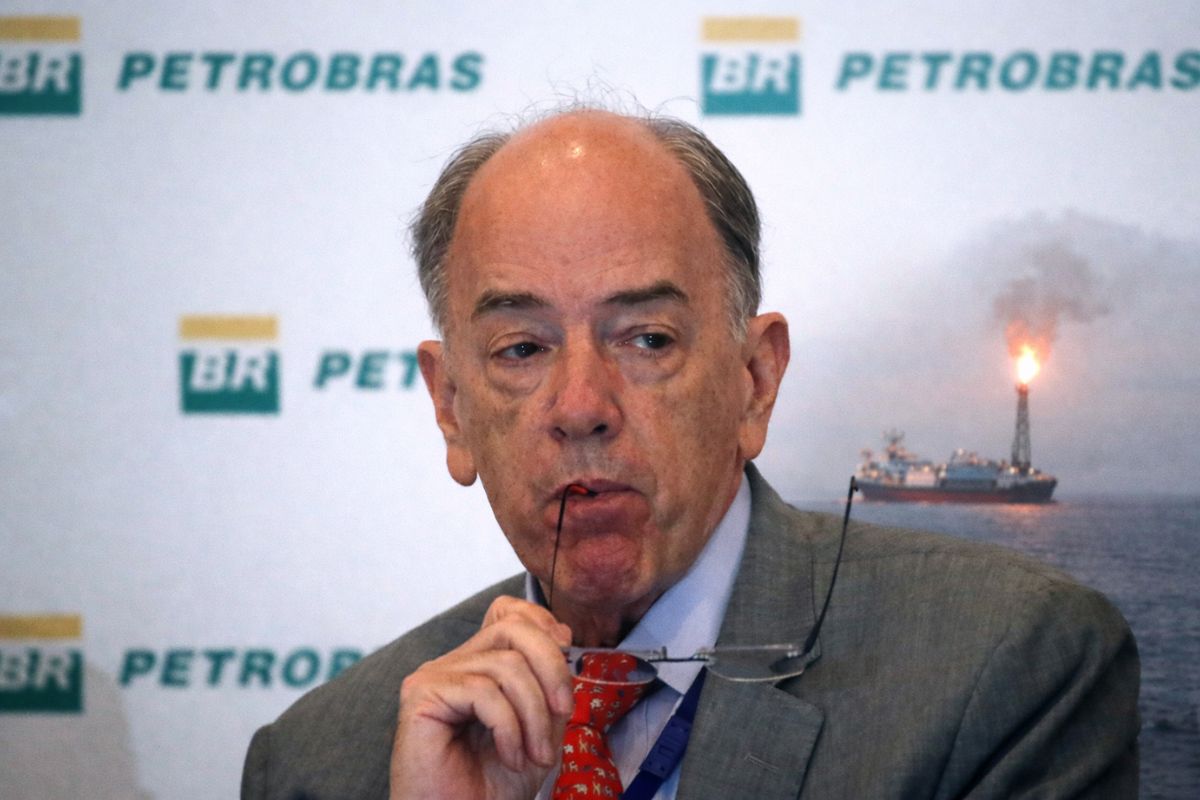
Pedro Parente, former CEO of Petrobras, explained in an interview with CNN Brasil that Brazil extracts more than 4 million barrels per day but cannot transform this oil into sufficient gasoline and diesel because the country’s refineries were designed to process heavy oil, while the pre-salt oil is light, and this incompatibility forces Brazil to import the derivatives it consumes
The former CEO of Petrobras, Pedro Parente, made a statement that summarizes one of Brazil’s greatest contradictions: the country is self-sufficient in crude oil, extracts more than 4 million barrels per day, and consumes less than half of that, yet still depends on the external market to supply gas stations with gasoline and diesel. According to the former CEO of Petrobras, the problem lies not in oil production, but in refining: Brazil simply does not have enough refineries to process what it consumes, and those that exist were made for a type of oil that the country hardly produces anymore.
According to InfoMoney, the analysis was made in an interview on the Hot Market program of CNN Brasil. Pedro Parente is a founding partner of eB Capital and has a resume that includes coordinating the energy rationing in 2001, restructuring Petrobras when it was the most indebted company in the world, and managing BRF after the crisis of Operation Weak Meat. The former CEO of Petrobras was straightforward: crude oil does not go into the car’s tank, and what Brazilians consume is gasoline, diesel, and LPG, derivatives that the country does not produce in sufficient quantity.
The contradiction that the former CEO of Petrobras explained: a lot of oil, little gasoline
Brazil extracts more than 4 million barrels of oil per day. Internal consumption, according to the former CEO of Petrobras, does not reach half of this production. In theory, the country should be able to supply its own fleet without depending on anyone.
-
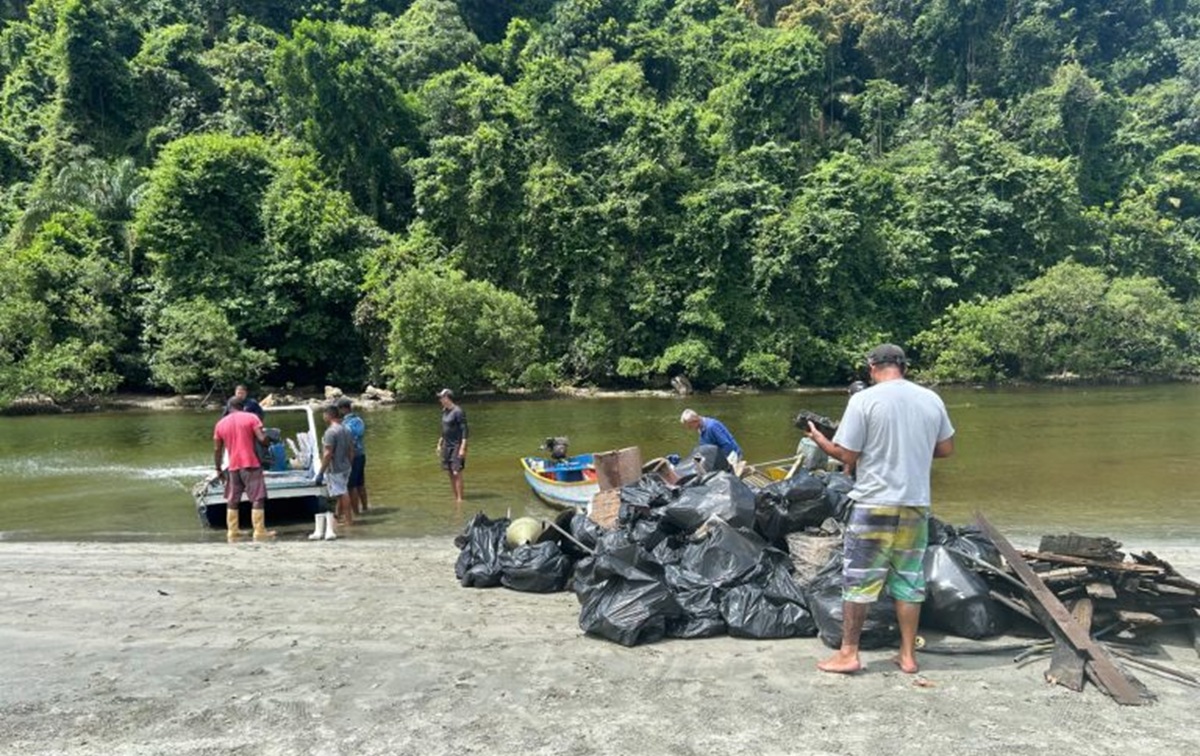
The Mar Sem Lixo program has already removed 133 tons of waste from the São Paulo coastline and pays more than R$ 1 million to fishermen.
-
With over 1 million bottles per year and 1.2 million vines, winter wines are advancing and gaining a strategic laboratory worth R$ 3.4 million in the Midwest.

-
Elderly individuals aged 65 or older who have never contributed to the INSS can receive R$ 1,621 per month in 2026 without having paid any contributions in their lifetime: learn how the benefit works that already supports nearly 7 million Brazilians.

-
The gaucho city reduced the number of Bolsa Família beneficiaries by almost 40% in just a year and a half with active outreach that connects each registered person directly to job vacancies in Bento Gonçalves in Rio Grande do Sul.


But crude oil is not fuel: it needs to be transformed into gasoline, diesel, kerosene, and LPG within refineries, and it is precisely at this stage that Brazil fails.
The former CEO of Petrobras identified two problems. The first is capacity: Brazil does not have refineries in sufficient number and size to process all the oil it extracts.
The second is technical: Brazilian refineries were designed to process heavy oil, which predominated before the discovery of the pre-salt, but the pre-salt oil is light and of high quality, a different type that the old refineries do not process with the same efficiency.
This incompatibility between what Brazil produces and what its refineries can process is what forces the country to import derivatives.
What the former CEO of Petrobras said about who the true owner of the state-owned company is
The former CEO of Petrobras was equally straightforward about the issue of fuel prices. The government holds the majority of the common shares (with voting rights), but this block represents just over one-third of the company’s total capital.
In the view of the former CEO of Petrobras, the true owner of the company, considering the totality of the shares, is not the government: it is the minority shareholders.
This reality makes any pricing policy below the market unfeasible while Petrobras has publicly traded capital. If the government artificially lowers the price of gasoline or diesel, the company’s profit falls, and minority shareholders are harmed.
The former CEO of Petrobras suggested that if the government wants to practice politically convenient prices, it should take the company private and bear the consequences alone. He cited the example of Norway, where the state oil company operates without political interference within a functioning market.
Why lowering the price of diesel benefits the yacht owner as much as the truck driver
The former CEO of Petrobras does not ignore the real pressure that truck drivers exert on any government. But he argued that the historical mistake is to treat the problem with a general discount that benefits, to the same extent, the owner of the refrigerated truck and the owner of the yacht in Angra dos Reis.
When the government lowers the price of diesel for everyone, those who need the fuel to survive receive the same discount as those who use diesel for leisure.
The former CEO of Petrobras’s proposal is a direct and calibrated subsidy, funded by the company’s own dividends. When the international price of diesel rises, Petrobras’s profits rise as well. This money could be redirected to specifically compensate workers who depend on the fuel.
The model would also avoid the collateral effect of reducing the ICMS of the states, because when the federal government pressures for a state tax discount, the state loses revenue that financed education, public safety, and health.
The Mataripe Refinery and the message that foreign investors are hearing
There is a third layer to the problem that the former CEO of Petrobras raised. With the privatization of the Mataripe Refinery in Bahia, sold to the Sovereign Fund of the United Arab Emirates (Mubadala) for nearly $2 billion, Brazil now has a foreign investor within its refining chain.
Forcing prices below the market sends a terrible message to this and other potential investors who could help solve precisely the refining capacity problem that the country faces.
The reasoning of the former CEO of Petrobras closes a cycle: Brazil needs more refineries to stop importing derivatives, but investors will only build refineries if they have assurance that fuel prices will reflect the market.
As long as the government interferes in prices to gain popularity, the country will remain trapped in the contradiction of having excess oil and insufficient gasoline. The targeted subsidy proposal would be a way to protect the truck driver without scaring off the investor.
Excess oil, insufficient gasoline, and a problem that no one resolves
The former CEO of Petrobras summarized the Brazilian paradox in one sentence: the country does not consume crude oil, it consumes derivatives, and it does not have the capacity to produce the derivatives it consumes.
The combination of insufficient refineries, refineries incompatible with pre-salt oil, political interference in prices, and lack of private investment in refining keeps Brazil dependent on imports even though it is one of the largest oil producers in the world.
According to the former CEO of Petrobras, the solution lies in smart subsidies, market prices, and investment in refining capacity. The question is whether any government will have the courage to do this.
Did you know that Brazil produces more oil than it consumes but needs to import gasoline and diesel? Do you agree with the former CEO of Petrobras that the subsidy should be direct to the truck driver instead of lowering the price for everyone? What do you think about the idea of taking Petrobras private? Leave your comments and share this article with those who pay a high price at the pump and want to understand why.









Seja o primeiro a reagir!