





 Portuguese
  English
  Spanish
  3 min of reading
  0 comments


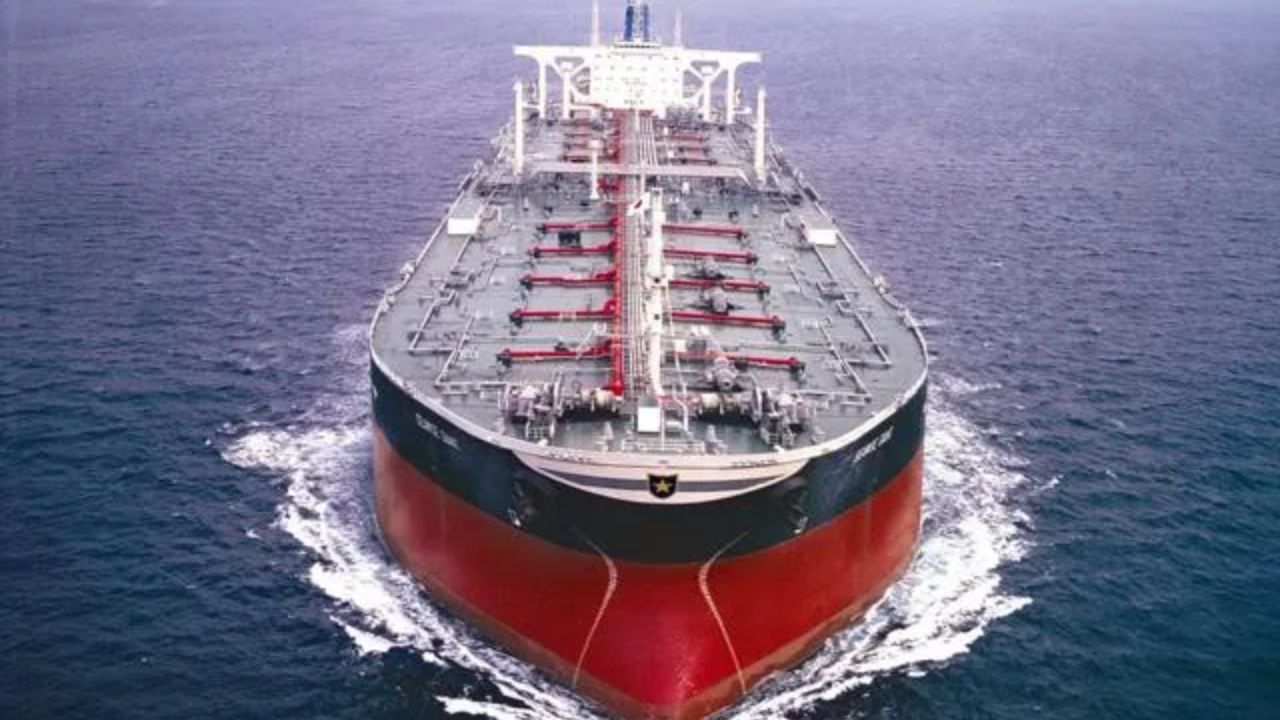
Know The History Of The Seawise Giant, The Largest Ship In The World Ever Built. Learn How This Colossus Of The Seas Overcame Wars, Technical Challenges, And Became A Legend Of Naval Engineering.
The Seawise Giant is known as the largest ship in the world ever built, with an impressive length of 458 meters and capacity to transport millions of barrels of oil.
Constructed in Japan in the late 1970s, it underwent a remarkable journey involving technical challenges, armed conflicts, and changes in ownership.
Its story illustrates not only monumental naval engineering but also the complexities of global maritime trade.
-
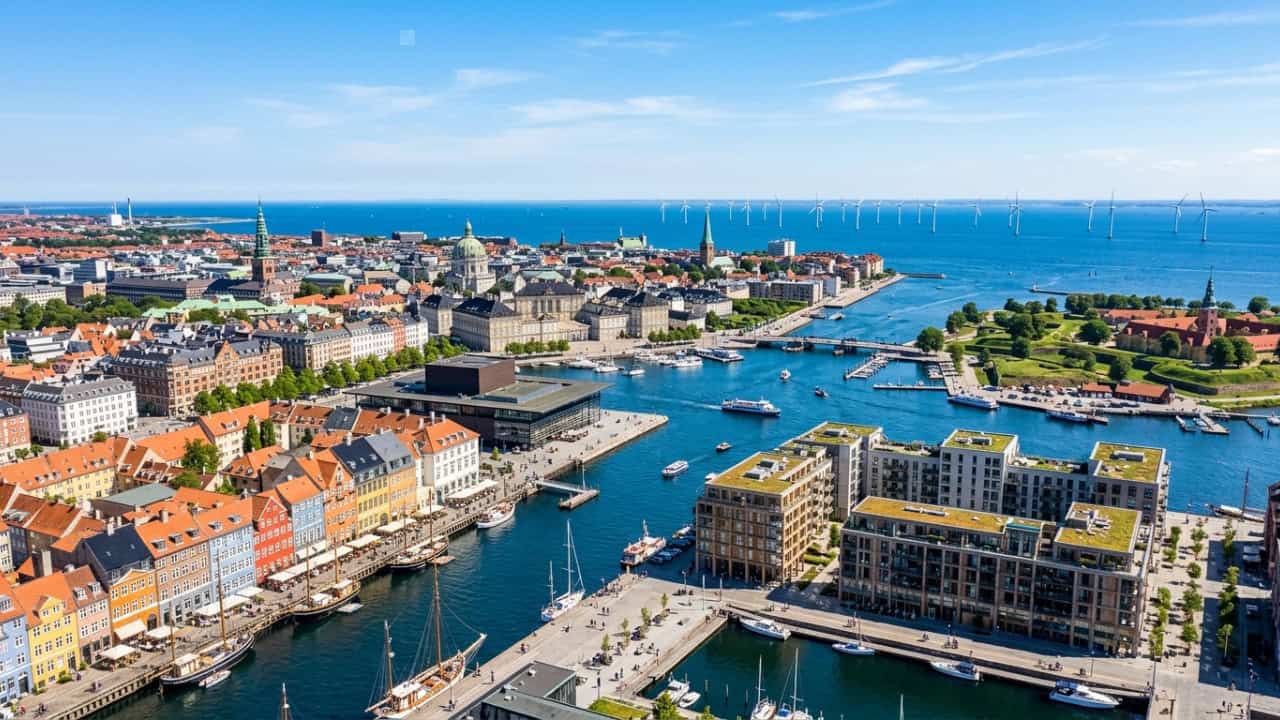
How an innovative city combines high technology, well-being, and sustainability to become the largest reference in clean energy on the planet.
-
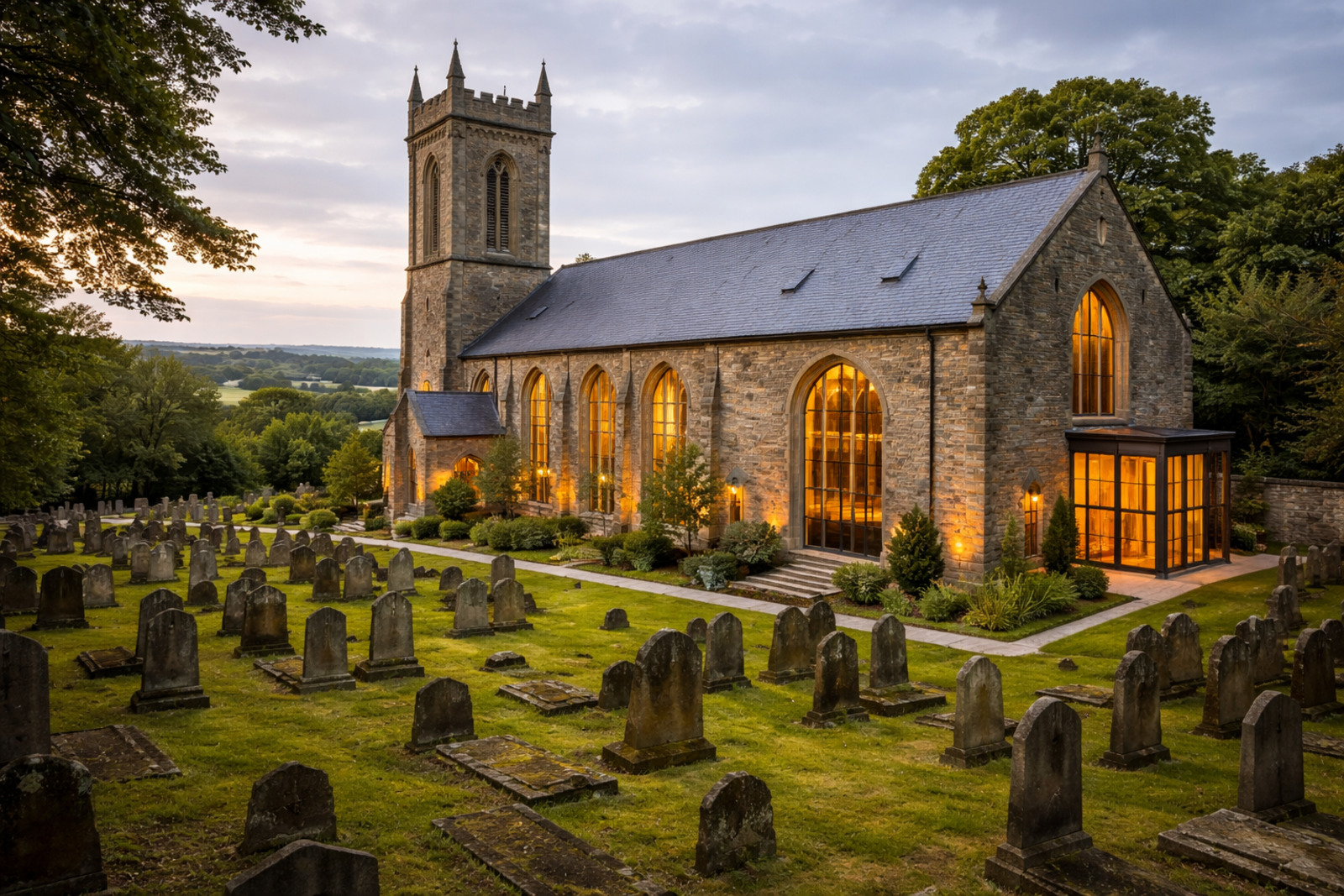
Couple buys 1846 church in ruins for R$ 660,000, invests R$ 3.2 million in renovations, transforms it into a millionaire mansion, and even preserved a historic cemetery with over 300 graves.
-
He started running at 66 years old, broke records at 82, and is now a subject of study for having a metabolic age comparable to that of a 20-year-old, in a case that is intriguing scientists and inspiring the world.

-
Oldest tree on the planet reappears after 130 years of searches: Wattieza, 385 million years old, was 10 meters tall and had no leaves or seeds; Gilboa fossils in New York solved the mystery in 2007.


This giant of the seas was born from the vision of a Greek businessman, but only came to life when purchased by a company from Hong Kong, which further expanded its structure to become unbeatable in size.
However, its immense dimensions also brought limitations, as many ports and channels could not accommodate it.
The Birth Of The Seawise Giant, Largest Ship In The World
Built by Sumitomo Heavy Industries in Japan, the Seawise Giant was designed to be an ultra-large tanker. Initially, its owner backed out of the purchase, leaving the ship without a destination.
It was then that businessman Tung Chao-yung acquired the giant, extending its capacity to over 500,000 tons, making it the largest ship in the world.
Its size imposed operational challenges: the ship needed about 3 km to make a turn and nearly 9 km to stop completely when sailing at maximum speed.
Facing The War In The Persian Gulf
During the war between Iran and Iraq in 1988, the ship was anchored near Larak Island in the Persian Gulf when it was targeted in an airstrike.
The bombing caused a large fire that led to the partial sinking of the ship.
Despite the disaster, the largest ship in the world was not lost forever.
Resurgence And Reinvention
After the conflict ended, the damaged hull was salvaged by a Norwegian company and towed to Singapore for extensive repairs.
After the repairs, the ship returned to the seas with the name Happy Giant, later Jahre Viking.
Even after being refurbished, its massive structure continued to limit the places it could dock, excluding important channels like Suez and Panama.
Final Years And Retirement Of The Seawise Giant
In the last phases of its useful life, the ship operated as a stationary storage platform in the Al Shaheen oil field in Qatar, under the name Knock Nevis.
However, operating costs and new environmental regulations made its maintenance unfeasible.
Ultimately, the giant was sold for scrapping at a shipyard in India, marking the end of an era.
Despite its physical end, the Seawise Giant remains an icon of naval engineering. Its 36-ton anchor is on display at the Hong Kong Maritime Museum, symbolizing the technical grandeur and human audacity in conquering the seas.
The ship continues to inspire engineers and navigation enthusiasts to this day.
With information from Mega Curioso.





-

-

-

-

-

-

48 pessoas reagiram a isso.