





 Portuguese
  English
  Spanish
  4 min of reading
  0 comments


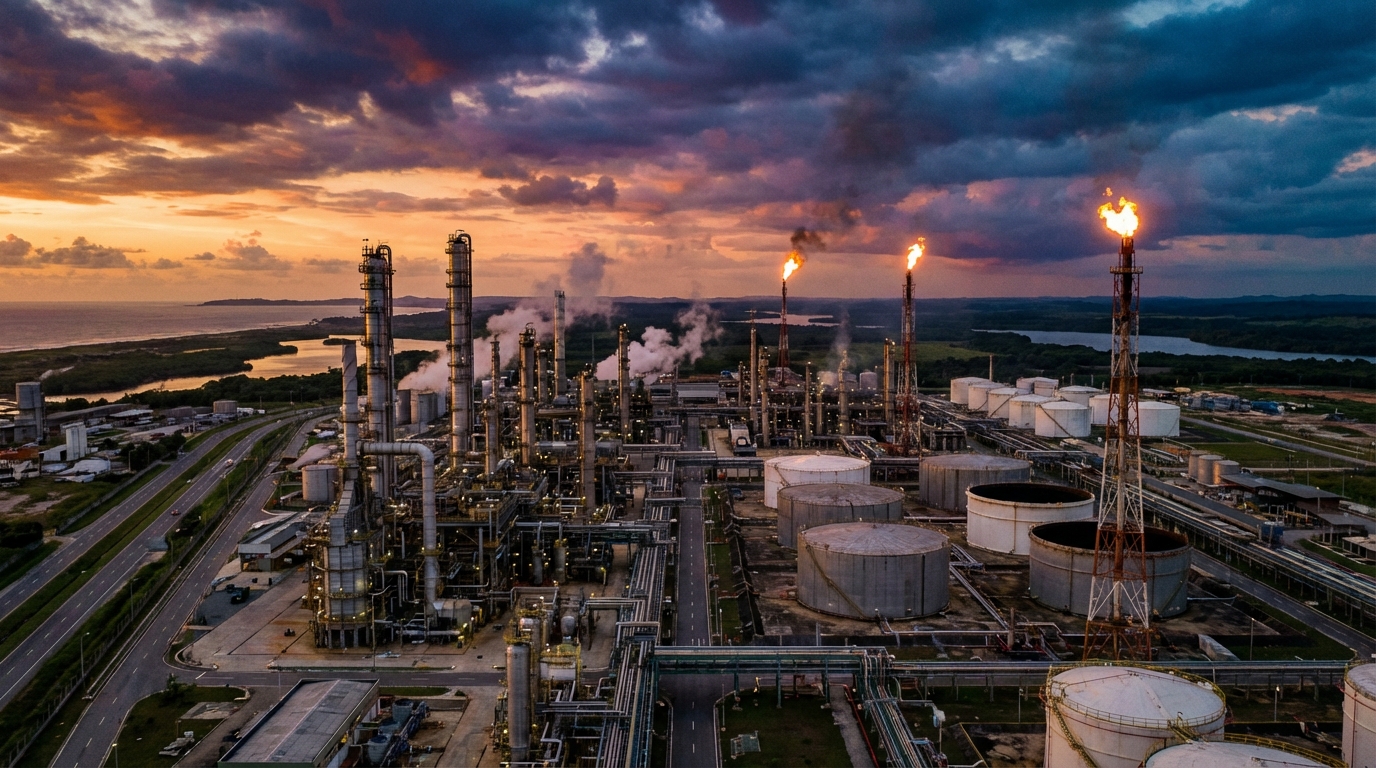
War in Iran closed the Strait of Hormuz and caused oil prices to soar to US$ 120 per barrel, forcing the government to create a R$ 14 billion subsidy package for diesel while Petrobras accelerates plans to double the Abreu e Lima Refinery in Pernambuco, buy back the Mataripe Refinery in Bahia, and make Brazil self-sufficient in diesel by 2031.
A joint military operation by the United States and Israel against Iran on February 28, 2026, triggered a conflict that abruptly raised diesel prices in Brazil. Thus, the closure of the Strait of Hormuz by Iran affected the route through which about 20% of the world’s oil passes.
Therefore, Brent crude was traded above US$ 120. According to the ANP, the S-10 diesel rose from R$ 6.09 to R$ 6.15 per liter in the first days of the conflict.
Experts warn that the full impact on consumers may take up to six months to materialize, given the existence of stocks and contracts already signed by refineries.
-
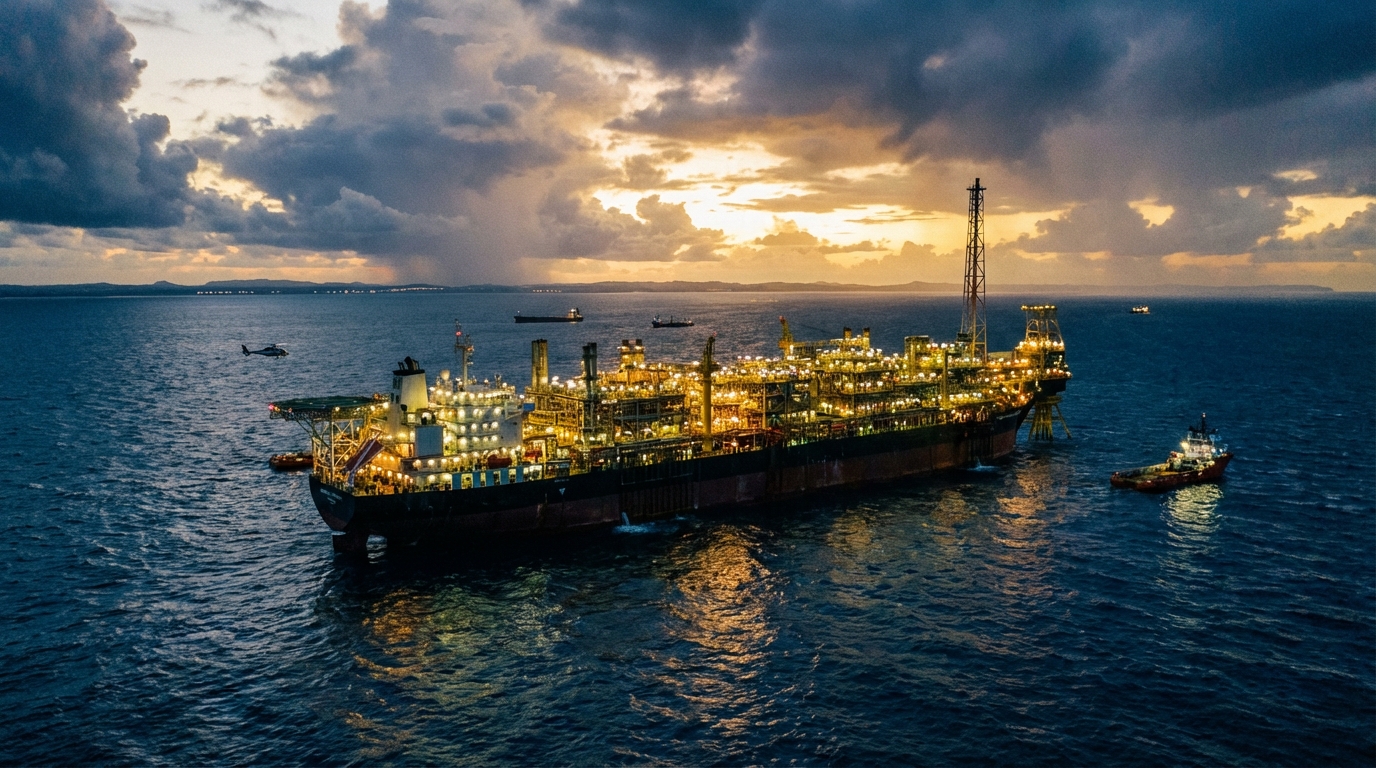
Created in silence in the middle of the ocean, a Brazilian startup developed technology that predicts failures in oil platforms before they occur, and now ExxonMobil and Equinor are competing for its contracts.
-
Big techs plan US$ 635 billion in AI data centers by 2026, but the crisis in the Middle East threatens investments, and Brazil is betting on natural gas to attract megacomplexes of up to 1,500 MW in Rio de Janeiro, Rio Grande do Sul, and Paraná.

-
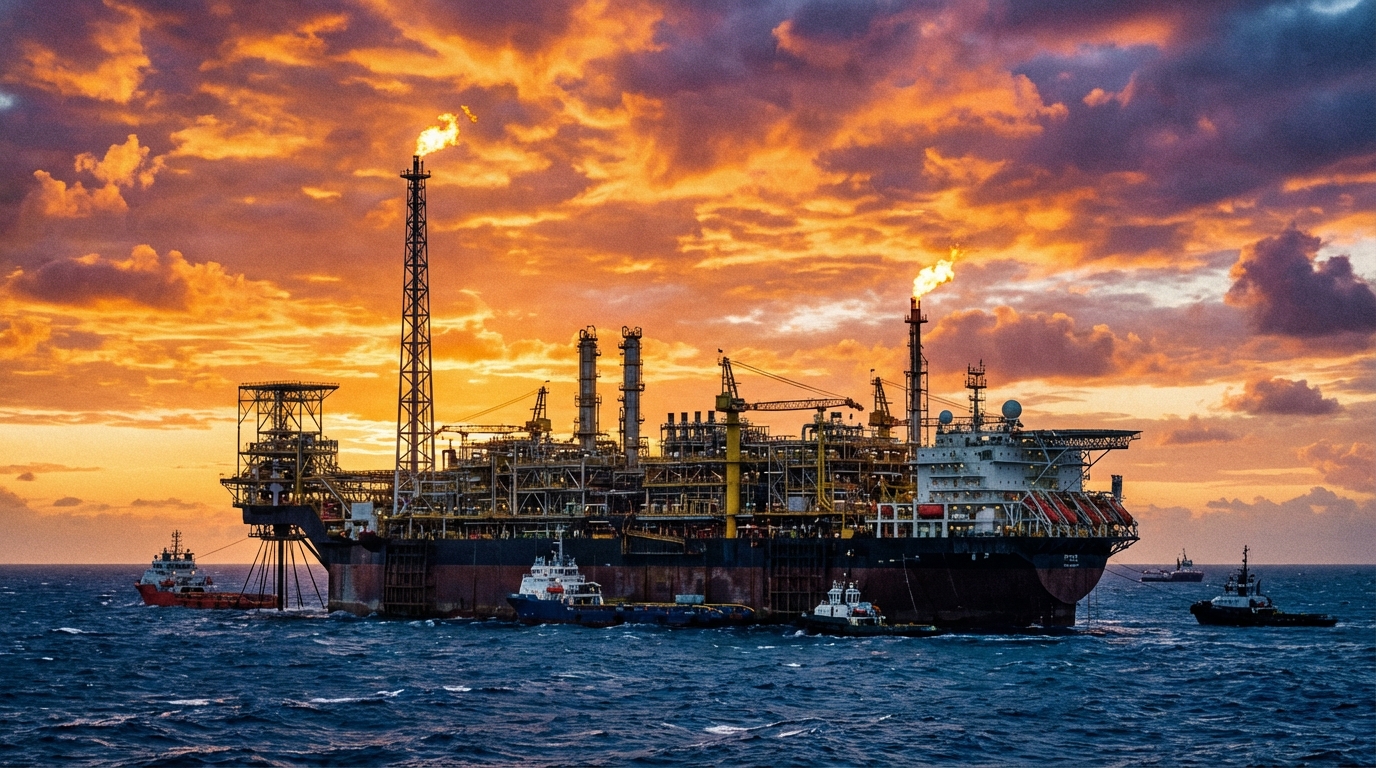
FPSO P-78 begins operations in the pre-salt of Búzios with 180,000 barrels/day, ROTA 3 pipeline, 13 smart wells, and CO₂ reinjection, while the field already produces 1 million barrels per day and generated R$ 81 billion in royalties in 2025.
-
Petrobras confirms that it will reimburse amounts to distributors and return the price difference from the gas auction following a regulatory decision.

Government creates R$ 14 billion package to stabilize diesel prices in Brazil
To shield the economy, President Lula signed on March 12, 2026, the Provisional Measure No. 1,340. Thus, the government eliminated the PIS/Cofins on road diesel, reducing the cost at the refinery by R$ 0.32 per liter.
Additionally, it created an economic subsidy of R$ 0.32 per liter, paid directly to producers and importers. Therefore, the two combined measures reduced the price of diesel in Brazil by R$ 0.64 per liter.
The MP allocated a global ceiling of R$ 10 billion for the subsidy, valid until December 31, 2026. It also instituted an export tax on crude oil and diesel.

New April MP expands subsidies for imported and national diesel
With the persistence of pressure on international prices, the government issued a second MP on April 6, 2026.
For imported diesel, it created a subsidy of R$ 1.20 per liter, with a cost limited to R$ 4 billion. For national diesel, a subsidy of R$ 0.80 per liter, with an estimated cost of R$ 3 billion per month.
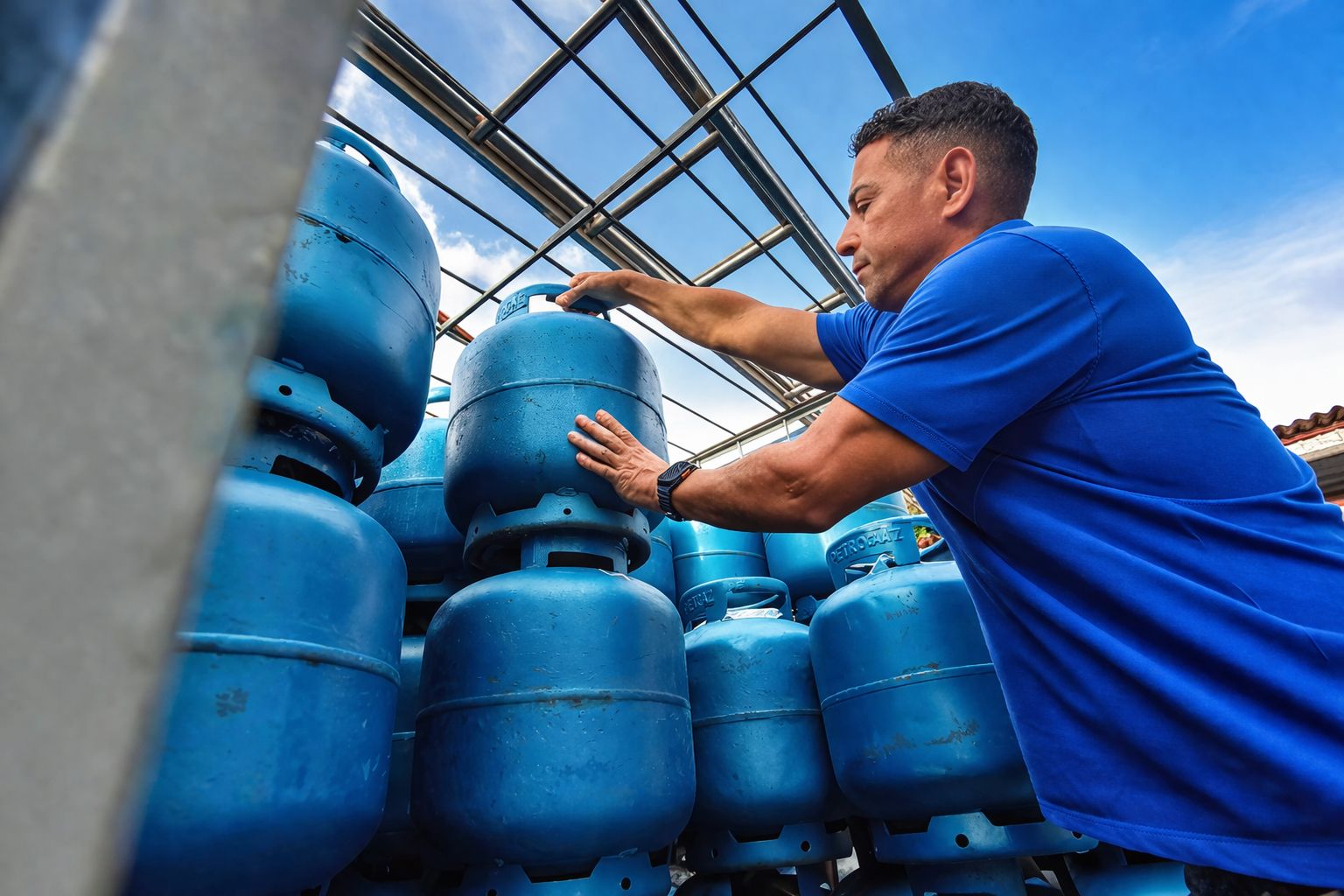
Additionally, the package reached LPG. Cooking gas received a subsidy of R$ 850 per ton, equivalent to about R$ 11 per 13 kg cylinder.
For aviation, financing lines of up to R$ 2.5 billion per company were created, and air navigation fees from April to June were postponed to December.
The ANP was granted powers to impose harsher penalties in cases of abusive price increases.

Petrobras aims to produce all the diesel Brazil consumes by 2031
In parallel to the emergency measures, Petrobras is coordinating a structural response. On April 1, 2026, President Magda Chambriard revealed that the company is studying raising the target to 100% self-sufficiency in diesel by 2031.
The previous plan aimed to increase production by 300,000 barrels/day and meet 80% of national demand. However, the unstable geopolitical scenario prompted the revision.
Currently, Petrobras’s domestic production accounts for about 70% of national diesel consumption. Therefore, the target represents a jump of 30 percentage points in five years.
“Diesel is essential for the Brazilian economy. We are technically assessing whether we can meet 100% of demand in the coming years,” said Chambriard.
Abreu e Lima Refinery will receive R$ 12 billion to double capacity
One of the pillars of the plan is the expansion of the Abreu e Lima Refinery (RNEST), in the Suape Complex, in Ipojuca (PE). In December 2025, Petrobras launched the works for Refining Train 2.
Thus, capacity will increase from 130,000 to 260,000 barrels per day by 2029. The investment is estimated at R$ 12 billion and is expected to generate around 15,000 jobs.
The RNEST is Petrobras’s most modern refinery, with 70% of its capacity directed to S-10 Diesel. The increase will be 88,000 barrels per day of diesel.

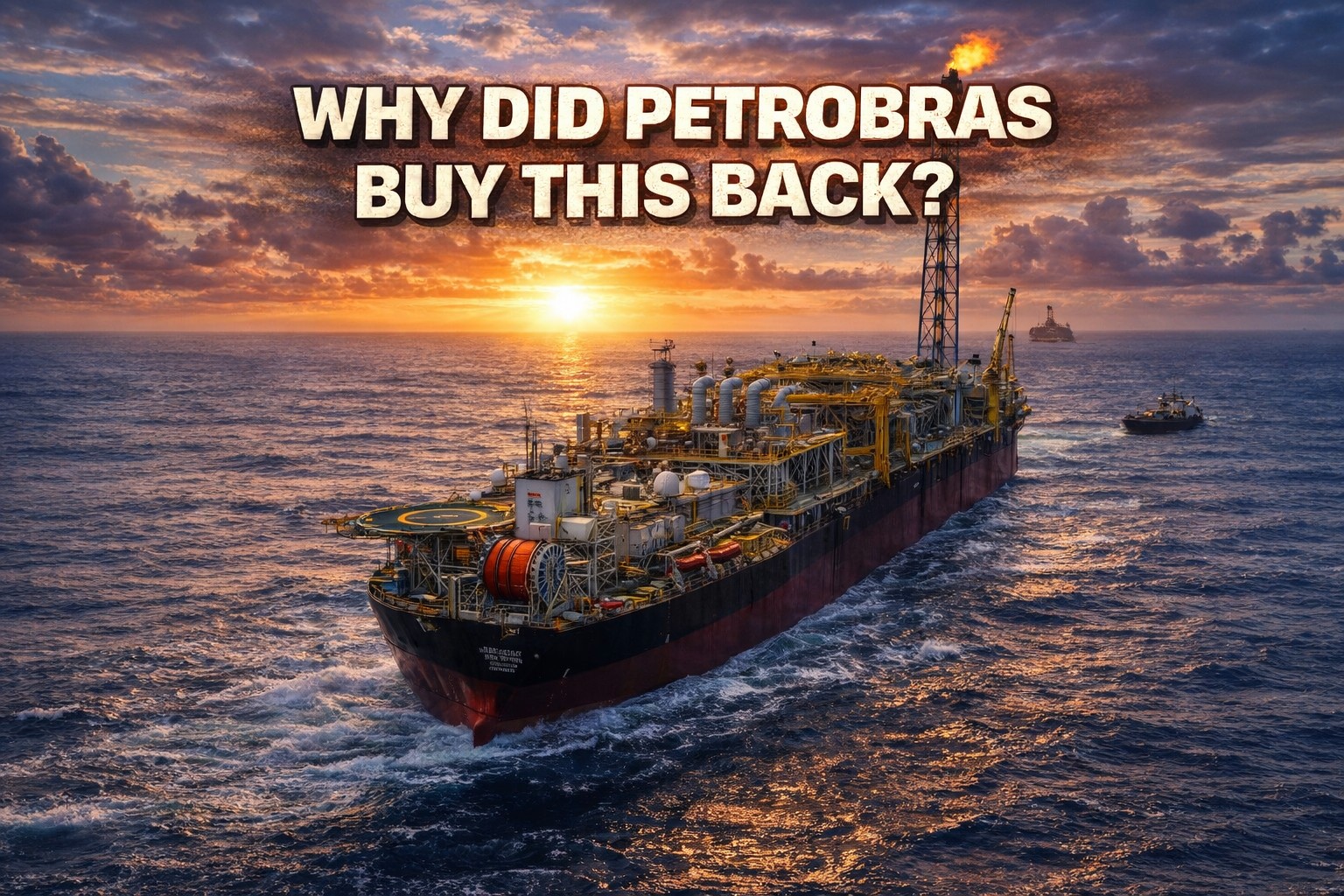
Petrobras negotiates buyback of Mataripe Refinery for up to US$ 2.8 billion
The other vector of the plan is the reincorporation of the Mataripe Refinery, in São Francisco do Conde (BA). The unit was sold to the Arab fund Mubadala in November 2021 for US$ 1.6 billion.
However, the refinery processes up to 300,000 barrels per day and accounts for 14% of national refining. Therefore, it is a strategic piece for self-sufficiency.
Mubadala hired Banco Santander to assist in evaluating the offer. Bradesco BBI estimated the current value between US$ 1.6 billion and US$ 2.8 billion.
The closing of the transaction, if it occurs, should take place before the presidential elections. The package would include terminals in Jequié, Itabuna, and Candeias, the maritime terminal of Madre de Deus, and 700 km of pipelines.
To understand how Petrobras invests in underwater technology to maintain production, see the report. Also check how robots take over inspections on offshore platforms.

Short term and long term: what changes in Brazil’s diesel
Thus, the combination of emergency subsidies with structural investment in the refining sector represents a reorientation of Brazilian energy policy.
In the short term, the package of over R$ 14 billion in subsidies seeks to stabilize prices. In the long term, the expansion of RNEST and the buyback of Mataripe aim to eliminate dependence on imported diesel.
Still, the path to self-sufficiency involves risks. Goldman Sachs indicated that the buyback of Mataripe may raise concerns about government intervention in Petrobras and limit extraordinary dividends in the short term.




Seja o primeiro a reagir!