





 Portuguese
  English
  Spanish
  3 min of reading
  0 comments


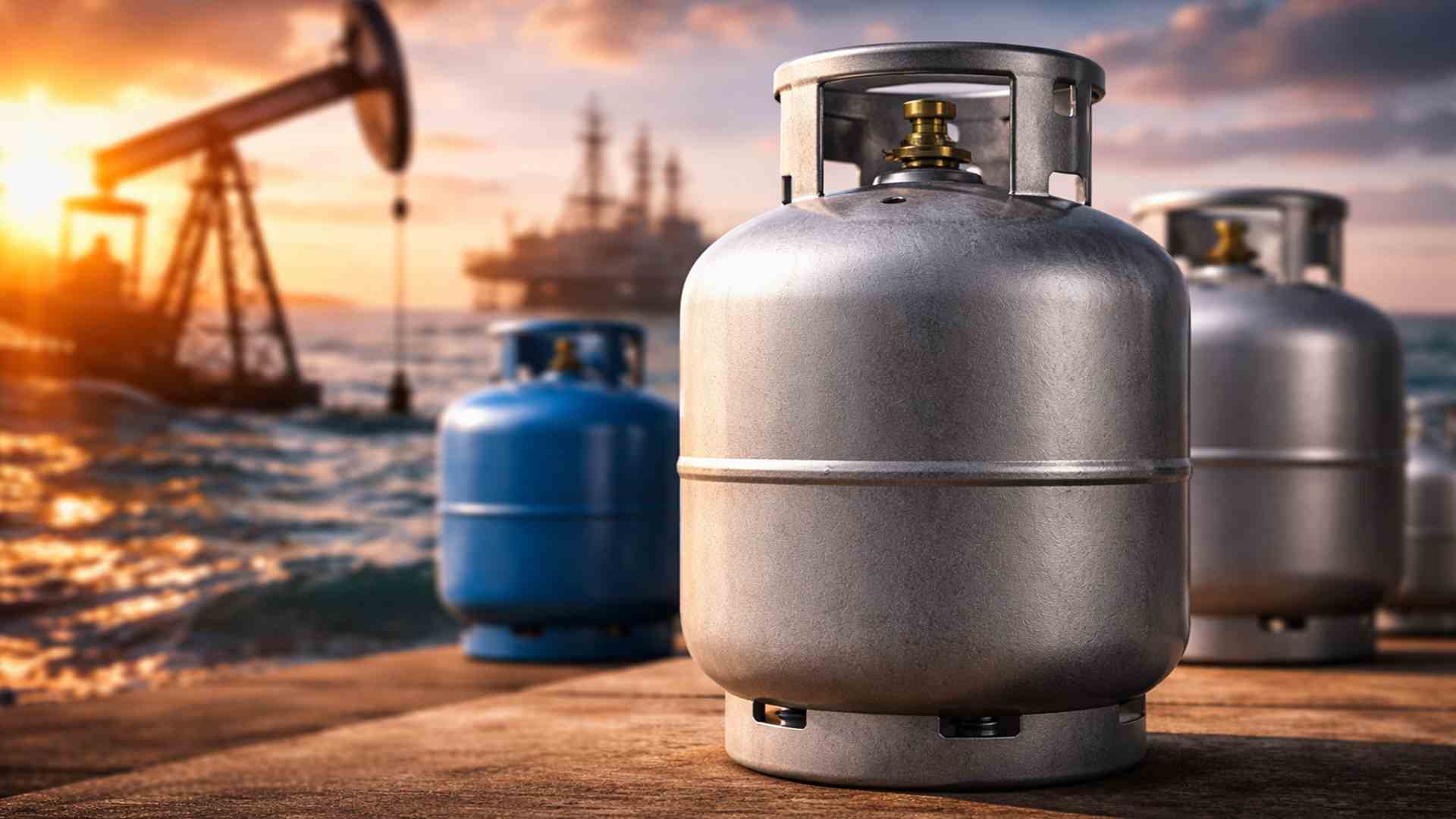
Statement released this Tuesday, March 31, shows that the federal government is studying a temporary subsidy for cooking gas after the surge in oil abroad, amid the war in Iran and pressure on fuels, transport, supply, and production chains in the country
The federal government is evaluating measures to contain the effects of rising oil prices in the international market amid the war in Iran, focusing on cooking gas, one of the items considered most sensitive given the external instability. Among the actions analyzed by the Ministry of Mines and Energy is the creation of a temporary subsidy for LPG.
The initiatives were detailed in a statement released this Tuesday (31), in which the ministry pointed out that the reaction aims to address the recent escalation of international oil prices. The scenario, according to the ministry, is marked by strong geopolitical instability in the Middle East and ongoing volatility in global energy markets.
Temporary measures to protect the internal market
The plan under study will have a temporary, exceptional, and counter-cyclical nature, aimed at reducing the impact of an external shock on prices. The strategy includes instruments aimed at protecting the internal market, subsidies for essential goods, and economic mechanisms to limit the effects of the surge in oil.
-
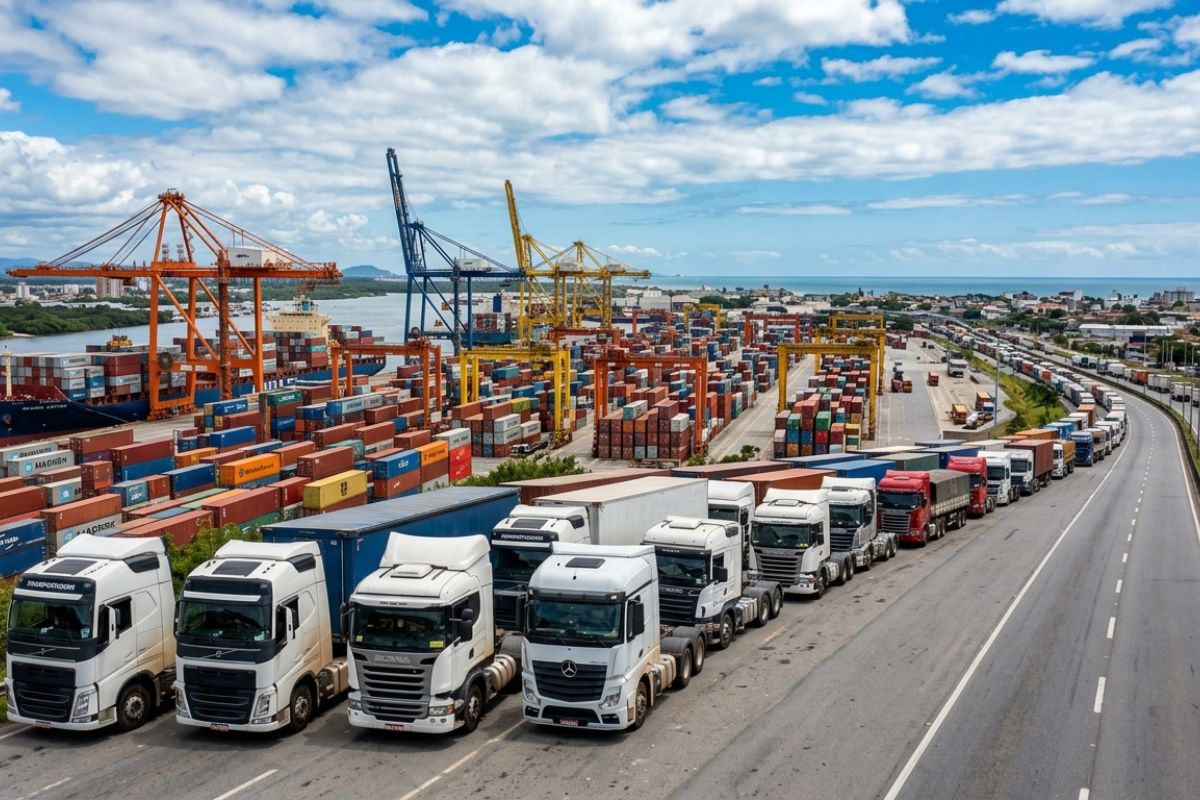
The lack of truck drivers in the country is already halting shipments and threatening deadlines: 88% of transport companies are unable to hire, with an average of eight trucks idle, and the port complex of Itajaí is now feeling the impact.
-
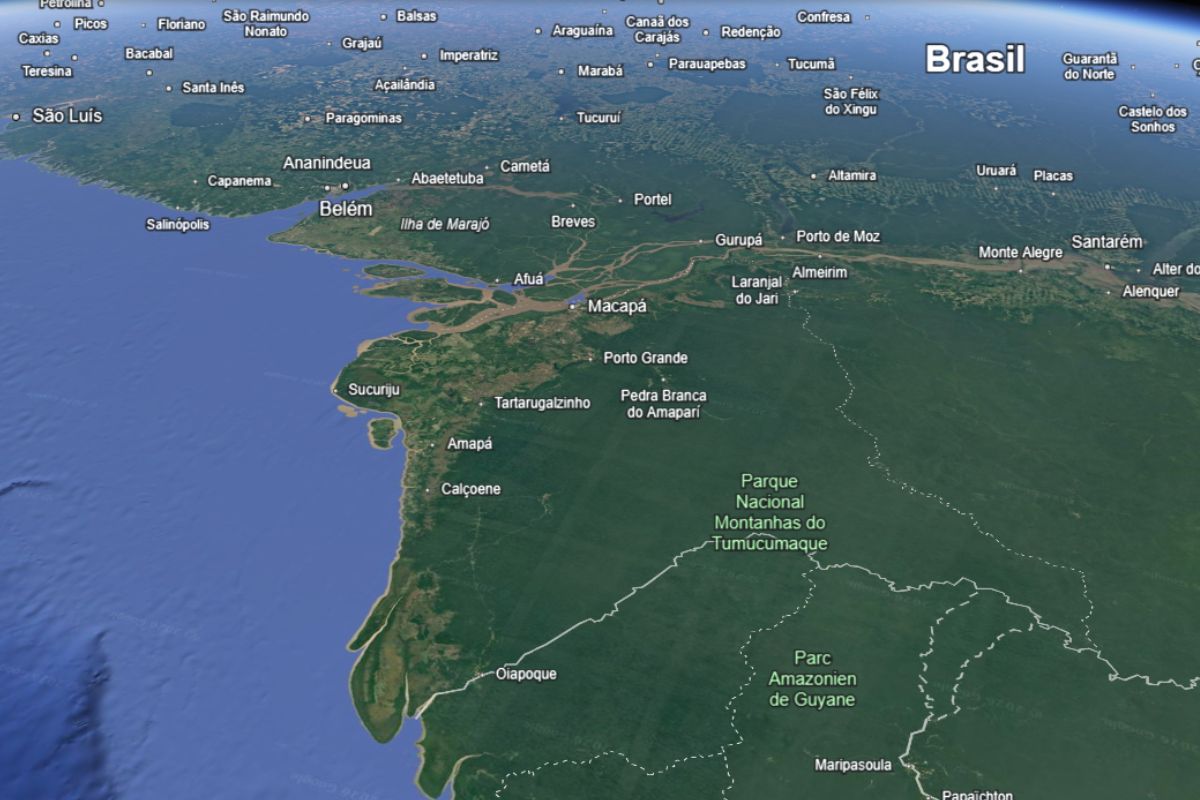
Petrobras is about to transform a forgotten city in the far north of Brazil into the capital of oil: Oiapoque is already feeling the effects even before the first drop of oil comes out from the seabed.
-
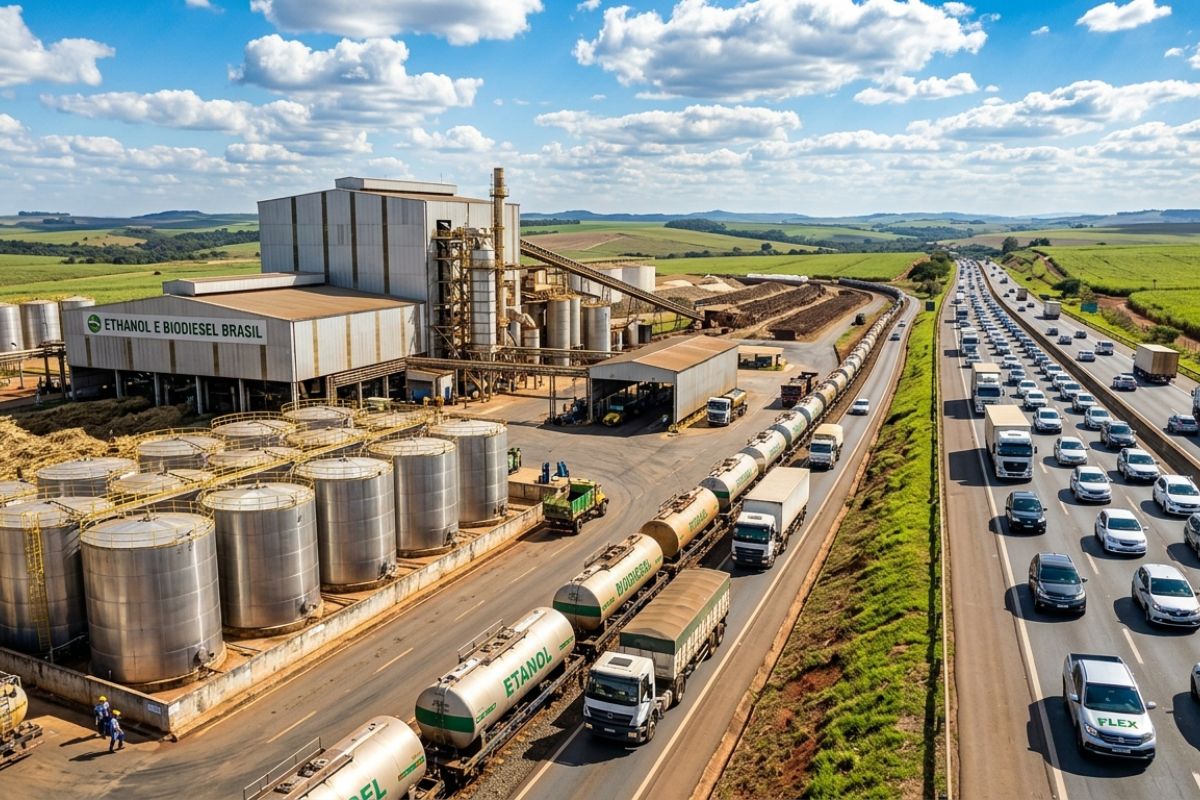
The Economist says that Brazil has a secret weapon in the oil war during this crisis: ethanol, biodiesel, and flex-fuel vehicles. With Petrobras holding costs, fuel prices are rising 10% to 20% here, compared to 30% to 40% in the USA.
-
Unilever is negotiating the sale of Hellmann’s, Knorr, and its entire food division in a deal that could reach R$ 186 billion to transform into a company focused exclusively on beauty and personal care.

The central objective is to reduce pressures on fuel prices, transport, and production chains. At the same time, the government seeks to preserve the functioning of the economy and maintain the stability of domestic supply.
Cooking gas is among the most vulnerable markets
Cooking gas is among the segments most exposed to these international fluctuations. This is due to its social relevance and also because of the dependence on about 20% imports, a factor that increases the vulnerability of LPG to external variations.
The ministry’s assessment is that ensuring access to energy sources without compromising the security and energy justice of the population is one of the axes of the response being developed. In this context, cooking gas occupies a central position among the goods monitored by the government.
Actions under study join measures already adopted
The new measures under analysis join other actions already implemented by the federal administration to address the rise in oil prices.
Among them are emergency instruments for protecting the internal market, economic support for the most affected sectors, and measures to ensure energy supply in the country.
With this set of initiatives, the government aims to cushion the effects of the international crisis on the domestic market. The proposal for cooking gas is part of this response front in light of the pressure caused by rising oil prices.







Seja o primeiro a reagir!