





 Portuguese
  English
  Spanish
  9 min of reading
  0 comments


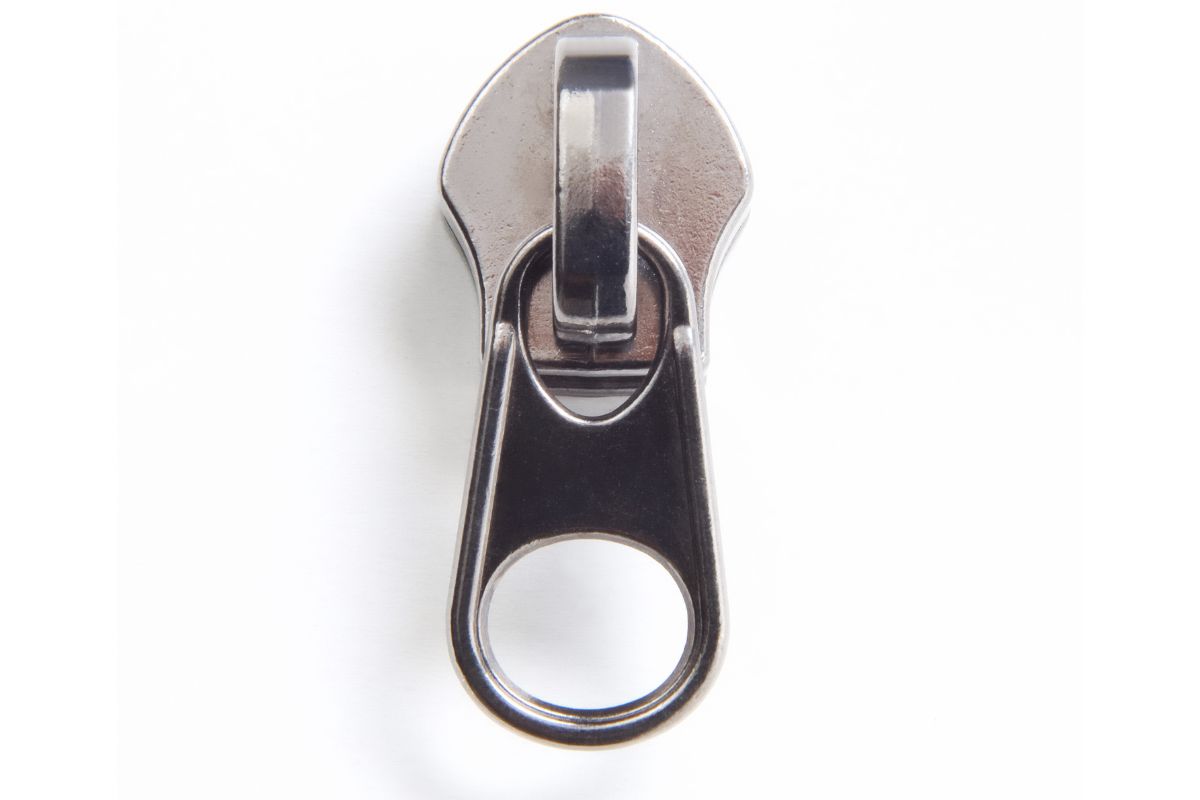
A detail that hardly anyone notices, but that makes all the difference in the perfect fit of your favorite clothing. The invisible zipper is the discreet hero behind elegant dresses, flawless skirts, and even your favorite pair of jeans. Discover how it appeared, evolved, and conquered fashion by uniting practicality, style, and innovation
Have you ever spent ages getting ready, put on that beautiful outfit, and when it was time to zip it up… where’s the button? Or did you struggle with that zipper that insists on sticking out just where you don’t want it? That’s right. We don’t even notice, but the zipper, especially the invisible one, has become a silent hero in our daily lives. It not only helps our clothes fit better but also saves the aesthetics of our most stylish garments. And let me tell you, it has such an interesting story that it truly deserves to be told.
I want to show you how this almost imperceptible detail changed fashion, what lies behind its invention, and of course, give you some practical tips for using or sewing with it more easily.
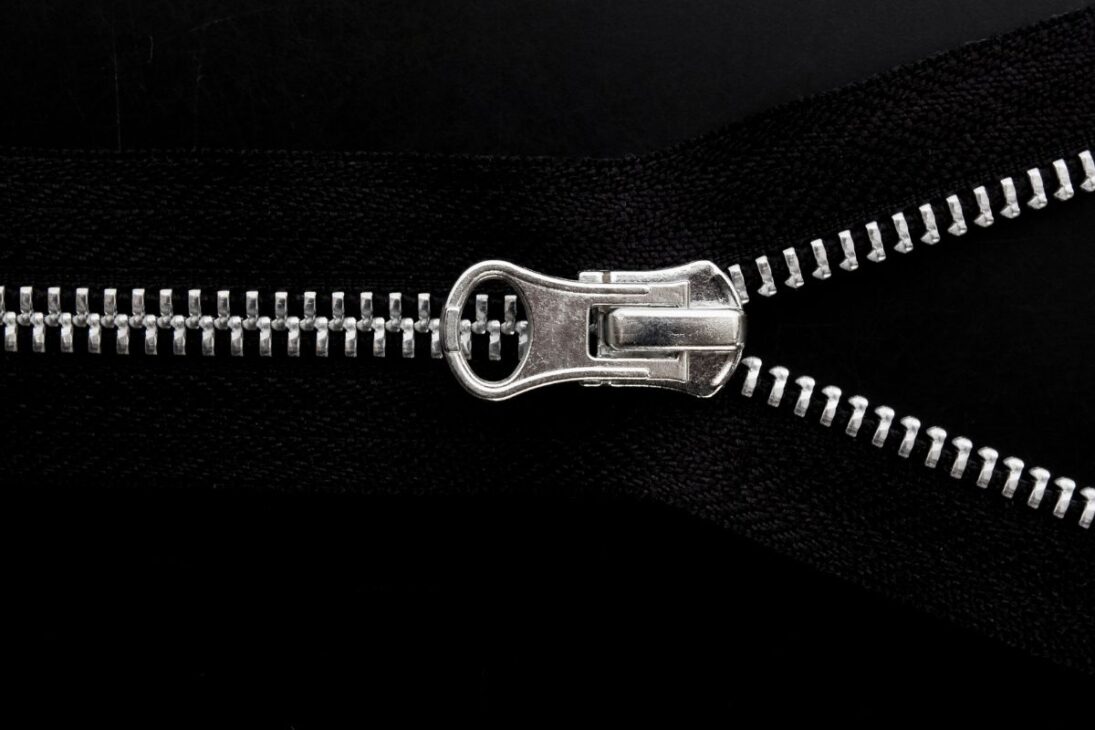
A Detail That Started Long Before It Became a Trend
Let’s go back in time quickly. Back in 1851, Elias Howe, the same inventor of the sewing machine (yes, the guy was a genius!), came up with the idea of a practical fastener. But, being all wrapped up in the machine that was already quite a hassle, he set this idea aside.
-
A Brazilian millionaire couple restores a farm over 150 years old in the interior of São Paulo and transforms the historic property with Portuguese tiles, antique furniture, and new spaces into a refuge that blends tradition, comfort, and sophistication.

-
Submerged city in a lake in Minas reveals intact streets, preserved vehicles, and houses after more than 60 years, impressing divers.

-
Yellowstone has started to rise again in an area of the caldera, and the movement rekindles fears surrounding the U.S. supervolcano, as scientists monitor the deformation and try to understand what is happening underground.

-
Woman arrested after receiving $1.2 million due to banking error and not returning the amount.


Up until then, so far, so good. But then in 1893, Whitcomb Judson decided to bring it to life and presented a makeshift zipper model at a fair in Chicago. It was more geared towards shoes, and the truth is it often got stuck. But look… it was the first step!
Who really organized things was Gideon Sundback, a Swedish-American engineer who, in 1913, designed a real zipper. He improved everything: the teeth, the opening and closing mechanism, the sturdiness. By 1917, he already had the patent and everything. From then on, the zipper (or running fastener, as the more technical folks say) began to gain traction. However, until then, it was still used in things like boots and bags. Clothing? Not yet.
Fashion and Functionality: The Perfect Marriage
It was in the 1930s that fashion began to take a liking to the zipper. Designers started to realize that it was more practical than buttons and more discreet than hooks. Then, my friend, a new world opened up. The running fastener began appearing in pants, dresses, and even in undergarments.
But the big game changer was when the invisible zipper was invented. In the 1950s, it began to be used by haute couture seamstresses who wanted a perfect finish. You know that party dress that looks like it was sewn onto your body? You can bet there’s an invisible zipper holding it all together with elegance.
Since then, it became a must-have. And it doesn’t matter if you’re a fashion fan or not; the chances of you having used an invisible zipper at some point in your life are very high.
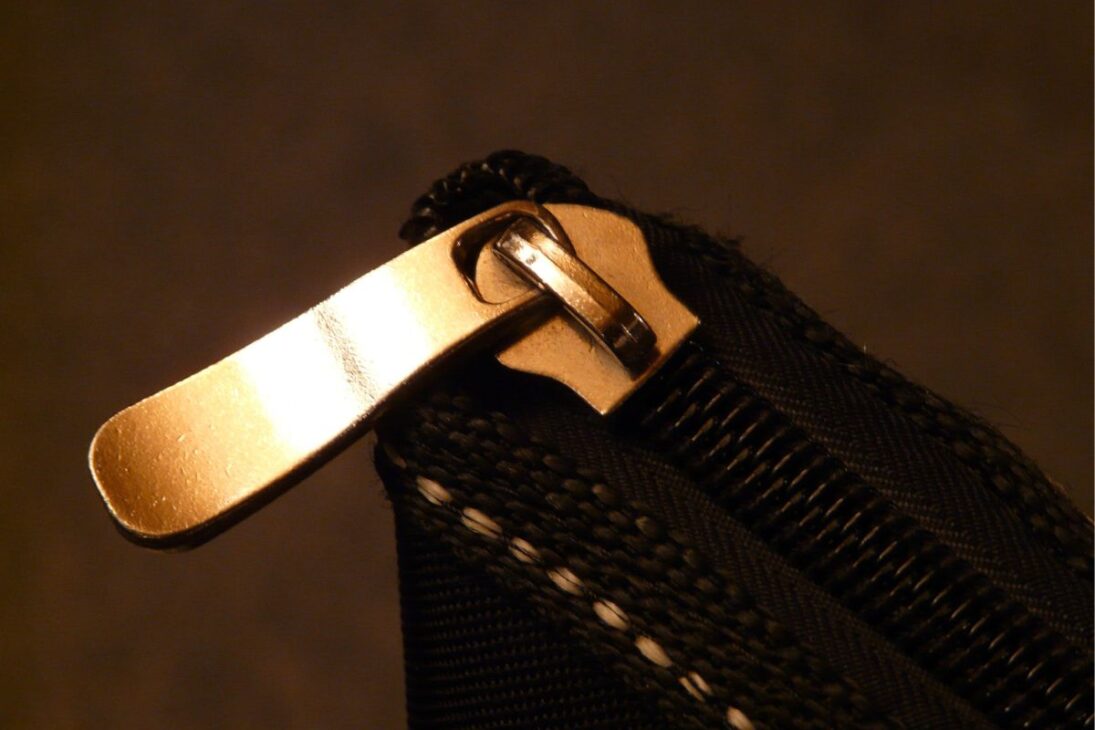
Why Is the Invisible Zipper So Loved?
<pWell, if you've ever had to hide a zipper so it doesn't "ruin" the look of an outfit, you already know the answer. It simply disappears. The magic lies in how it's sewn: the little teeth face inward, and only the pull tab (the small part you pull) is visible. And even then, it's barely noticeable.
But there’s more:
- It’s Discreet, Elegant, and Modern: no one wants a zipper shouting in the middle of a beautiful dress, right?
- Super Comfortable: it doesn’t leave marks, doesn’t bother, and doesn’t create weird “bulk” where it shouldn’t.
- Adapts to Various Fabrics: works well with satin, linen, cotton… whatever you want.
- Lasts a Long Time: if sewn correctly, it can outlast the garment itself!
And the coolest part? It gives that air of “custom-made clothing,” even when the piece is ready-made. It’s a discreet charm that makes all the difference.
Sewing an Invisible Zipper: Relax, You Can Do It!
If you’re the type who loves getting hands-on (or rather, machine-on), you don’t need to be afraid. Sewing an invisible zipper may seem difficult at first, but once you get the hang of it, you’ll go far.
Check out these simple tips that have saved many a sewing project around here:
- Use the Right Foot: there’s a specific foot for invisible zippers. It’s worth having, trust me!
- Pin Everything First: no eyeballing it. Mark, align, and pin. It makes all the difference.
- Start with the Zipper: sew the zipper first and then close the sides. This way it doesn’t end up crooked.
- Be Patient: if it doesn’t work out the first time, it’s okay. Take a breath, have a coffee, and try again.
Fun Facts About the Zipper
Now hold onto these fun facts that are, at the very least, entertaining:
- It Caused Controversy! Back in the 1930s, clothing with zippers was considered too daring. Go figure…
- The Word “Zipper” Is a Trademark: it was trademarked by B. F. Goodrich in 1923. Did you know that?
- There Are Zippers That Shine in the Dark: yes, especially in children’s and sports clothing.
- There Are Eco-Friendly Versions: made with recyclable and biodegradable materials. Fashion appreciates it, and so does the planet.
Zipper and Sustainability: A Relevant Relationship
In a world where we want to consume better and produce less waste, the zipper has also jumped on this bandwagon. There are already brands making models with recycled nylon, biodegradable zippers, and even closures that can be reused.
And you know what’s even better? If you often upcycle clothes (or like to give a new look to that piece hidden at the back of your closet), the invisible zipper can be your best friend. Just carefully take it out and sew it onto another piece. A new life for the zipper and for the garment!
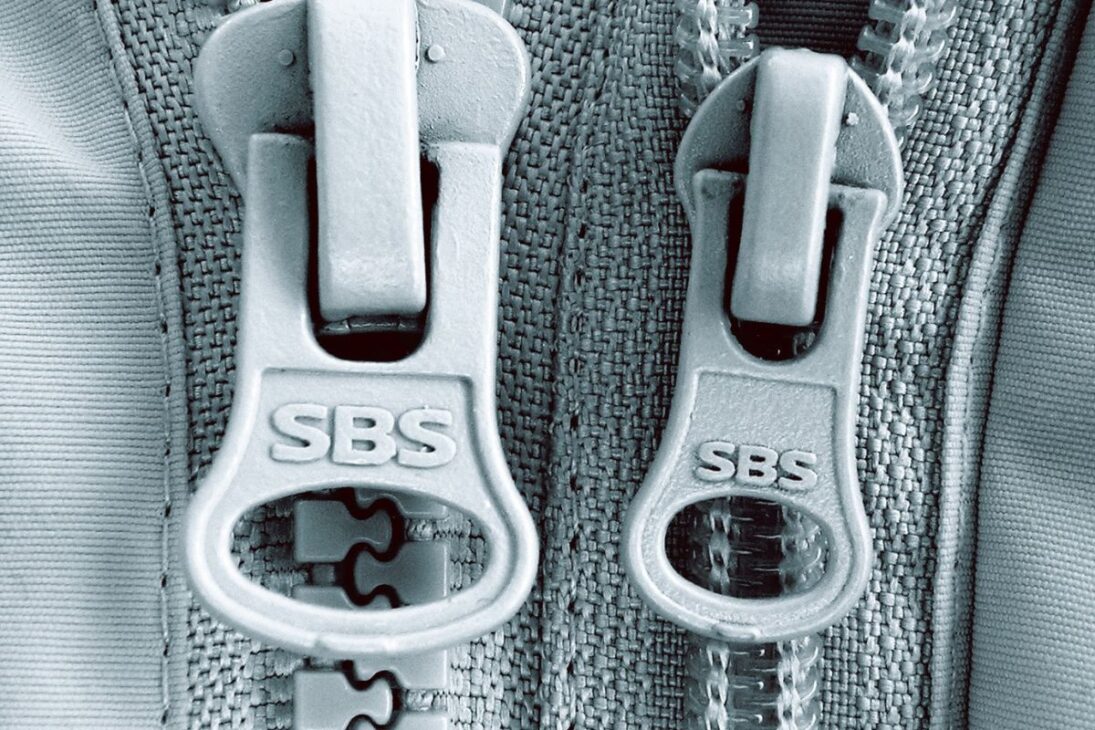
Types of Zippers Beyond the Invisible One
The invisible zipper is amazing, but it doesn’t reign alone! There are several types of zippers used in different situations and styles. Knowing the difference between them can be very helpful when sewing or choosing a piece of clothing.
- Regular Zipper: with the visible teeth, it’s the most well-known. Present in jeans, backpacks, and jackets.
- Detachable Zipper: the one that opens completely, perfect for coats and jackets.
- Nylon Zipper: lightweight and flexible, great for sportswear or children’s pieces.
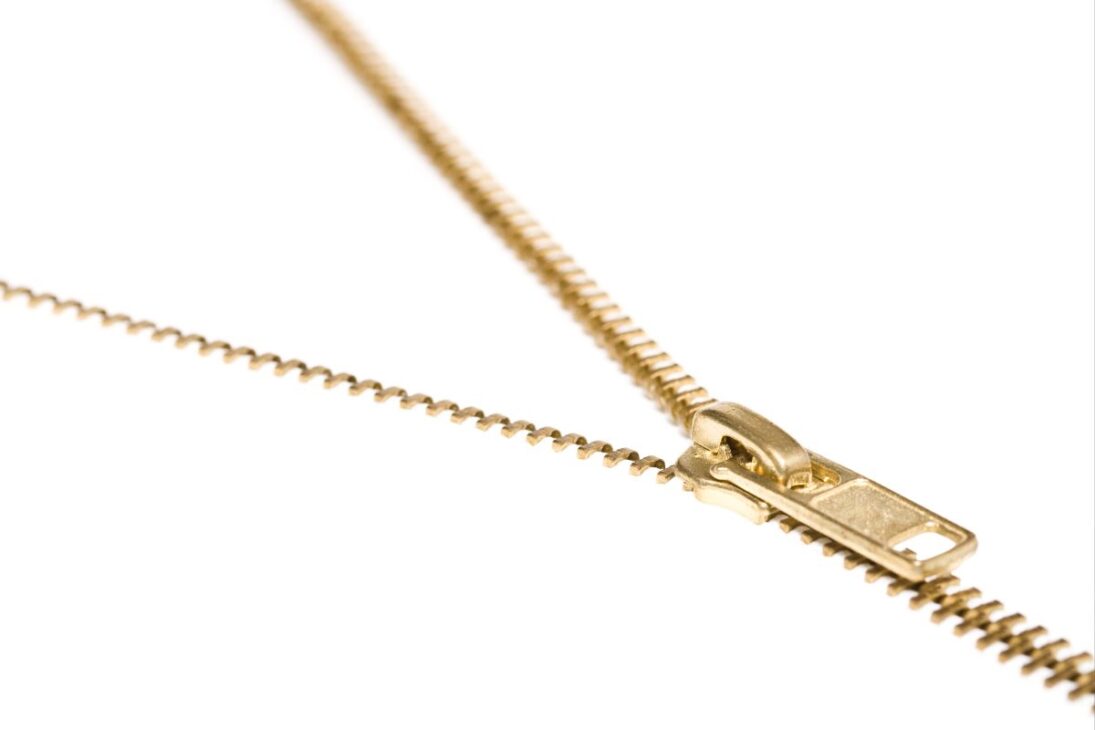
- Metal Zipper: more durable, ideal for heavy items and styles with a more robust look.
So, each zipper has its charm and utility. Just understand the proposal of the piece and choose the best ally!
How to Choose the Ideal Zipper for Each Project
Choosing the right zipper may seem simple, but it makes all the difference in the final result of your sewing project. A poorly chosen zipper can leave the piece uncomfortable, crooked, or even looking unfinished. Here’s a handy chart to help you out:
| Type of Piece | Best Type of Zipper |
|---|---|
| Party Dresses | Invisible Zipper |
| Jackets and Coats | Detachable Metal Zipper |
| Pillows and Decoration | Regular or Invisible Zipper |
| Children’s Clothing | Nylon Zipper (light and safe) |
With this care in choosing, you avoid headaches and still ensure a beautiful and functional finish!
DIY: Transform Old Clothes by Changing the Zipper
Do you have that beautiful pair of pants you love, but the zipper keeps getting stuck? Or that dress that’s just sitting in the closet because the fastener broke? Well, it happens to everyone. However, relax: you don’t need to get rid of them at all. In fact, with a little patience — and, maybe, some upbeat background music — you can change the zipper and give the piece a new life without spending almost anything.
Additionally, opting to replace the zipper with an invisible one can even improve the garment’s fit and give it a much more modern and elegant look. And the best part: all this can be done at home, even if you don’t have much sewing experience. With a few hand stitches or with the help of a sewing machine, the process flows super well. In other words, not only is it a sustainable choice, but it’s also a delightful way to see a piece that seemed lost reborn with personality and style.
So, here’s a sincere invitation: before you get rid of a piece you like — or that has sentimental value — try this simple transformation. Believe me, it can be a great weekend project, one of those that makes you feel creative, productive, and happy with the result!
Common Mistakes When Sewing Invisible Zippers (And How to Avoid Them)
Who hasn’t sewn a crooked invisible zipper and thrown the first scissors! Sewing zippers requires a bit of practice, but there are some mistakes that are quite common — and easily avoidable:
- Not Pressing the Zipper Before Sewing: opening the teeth with an iron helps immensely in sewing it snugly without catching the wrong fabric.
- Not Marking the Correct Position: a crooked or misplaced zipper can misalign the whole piece. Marking with chalk or pins is essential.
- Using a Regular Foot: the specific foot for invisible zippers makes a huge difference in the result.
- Sewing Too Fast: rushing at this point usually causes more mistakes than it saves time.
The golden tip is: take your time, and if you make a mistake, it’s okay! Everyone has been there. Sewing is about patience, trying, and… a lot of unpicking too.
Modern and Creative Applications of the Invisible Zipper
The invisible zipper may be small, but it plays a giant role in various areas beyond everyday fashion. It appears in many places you might have never noticed!
- Theater and Film: facilitates quick costume changes and keeps the look impeccable.
- Cosplay Costumes: ensures a perfect finish in character costumes, without zippers disrupting the look.
- Pillows and Upholstery: in decorative pieces, it makes everything cleaner and more elegant.
- Secret Pockets and Travel Clothing: provides security without compromising style.
Incredible how such a discreet item can be so versatile, right? This just shows how intelligent design and creativity go hand in hand — even in the simplest things.
The Invisible Hero of the Wardrobe
In the end, the invisible zipper is like that friend who helps but never wants to be in the spotlight. It’s always there, holding everything together — literally! And even without drawing attention, it makes all the difference in the look, comfort, and practicality.
So, the next time you put on that piece that feels custom-made, take a peek. I bet there’s an invisible zipper behind the magic.
Did you enjoy this chat? Share it with someone who loves fashion, sewing, or just enjoys a good story. And if you have a story about zippers — funny, frustrating, or inspiring — share it here in the comments. We love exchanging notes!
Let’s Talk?
- Have you ever had a funny situation with a zipper?
- Have you ever tried sewing an invisible zipper? How did it go?
- Do you think zippers can still evolve with technology?
FAQ – Frequently Asked Questions
Practically yes! “Running fastener” is the technical name, while “zipper” is what we usually call it.
At first, it can be intimidating, but with practice (and a good coffee), it becomes easy! One step at a time.
Not at all! It’s also great for pillows, bags, costumes, and even decorative items.
Online or physical notions stores already offer these options. Some brands like YKK are well ahead in this regard.
Absolutely! If it’s in good condition, just carefully unpick and use it in another project.





Seja o primeiro a reagir!