





 Portuguese
  English
  Spanish
  5 min of reading
  0 comments


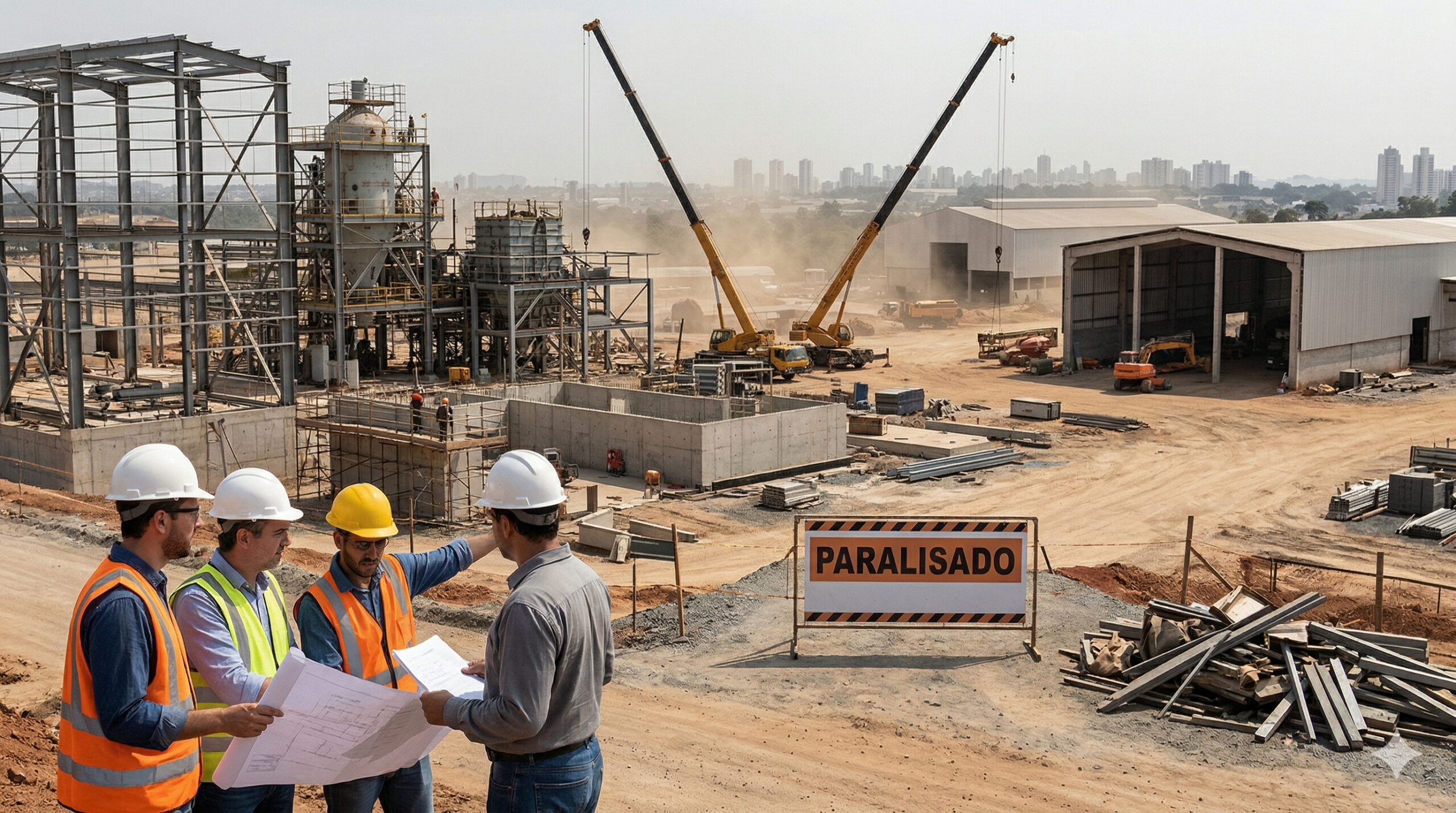
Lack of skilled labor is already holding up construction in Brazil, increasing project costs and exposing one of the greatest bottlenecks in industrial construction.
In 2025, the civil construction and industrial construction sector in Brazil began to face a growing shortage of qualified professionals, in a situation that ceased to be sporadic and began to broadly pressure the operations of companies. According to information released by the Brazilian Chamber of Construction Industry (CBIC) and the National Confederation of Industry (CNI), the lack of qualified workers is already directly affecting productivity, project costs, and the sector’s competitiveness. Technical roles such as welders, machine operators, boilermakers, bricklayers, and electricians are among the most sensitive in this scarcity process.
The problem is also objectively reflected in the CNI’s surveys. In the Construction Industry Survey, the “lack or high cost of qualified labor” was pointed out by 24.6% of entrepreneurs in the second quarter of 2025 and by 25.8% in the third quarter, keeping the issue among the main obstacles faced by companies in the sector. At the same time, the Industrial Labor Map 2025-2027, from the National Industry Observatory, projects that the Construction area will require vocational training for 1.47 million workers during this period, with 364 thousand in initial training, reinforcing the structural dimension of the qualification deficit in the country.
The silent disappearance of essential roles on construction sites
The problem is not in the most visible or valued positions in the market, but in technical roles that have historically supported the physical execution of projects.
-
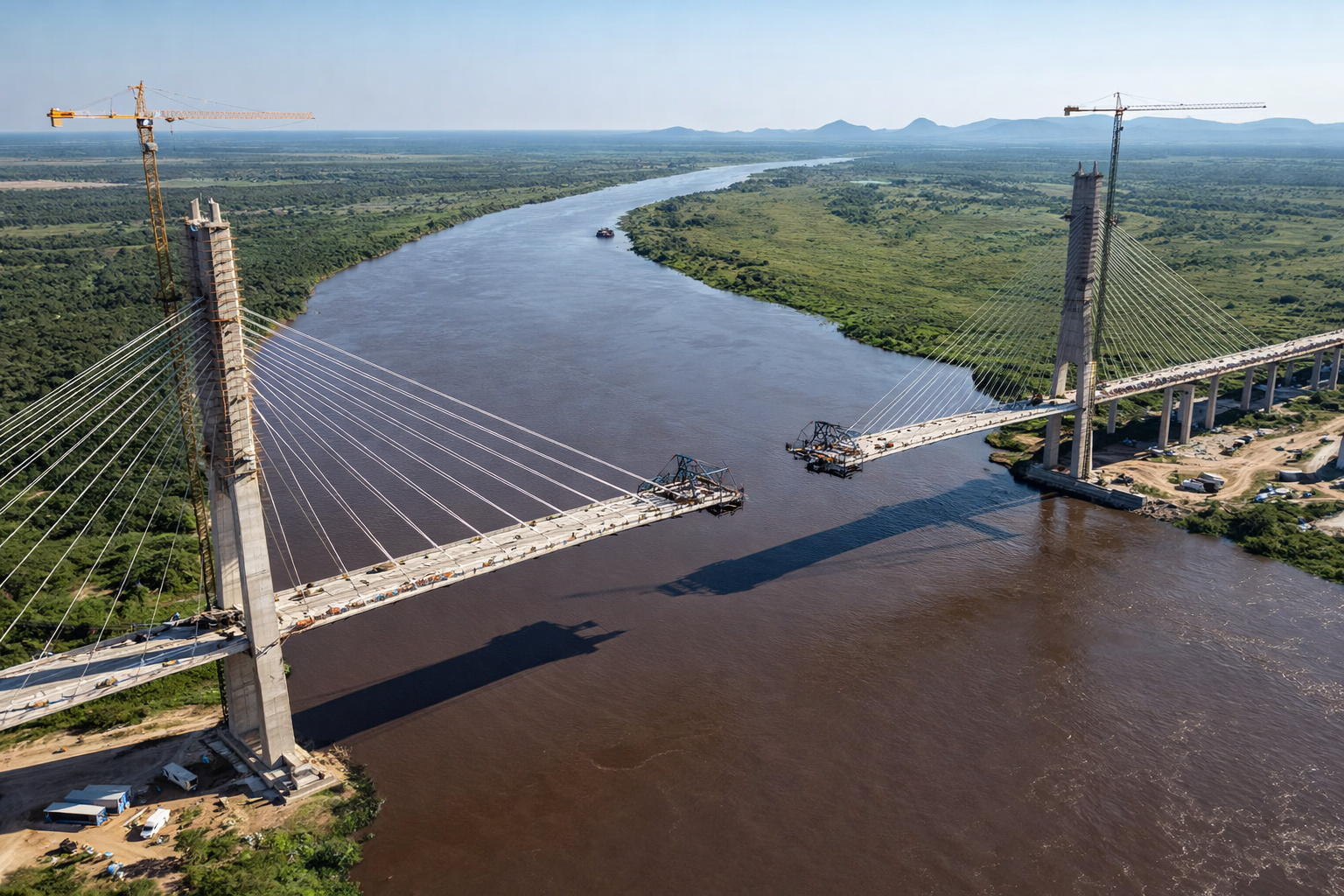
Brazil and Paraguay are just 46 meters away from a historic union on the bioceanic bridge that promises to revolutionize trade between the Atlantic and the Pacific.
-
With 55 km over the sea, a cost of US$ 20 billion, and enough steel to build 60 Eiffel Towers, China’s largest project has connected Hong Kong, Zhuhai, and Macau in a colossal bridge that defies the logic of engineering.

-
A trick with joint compound transforms a Styrofoam ceiling into a plaster-like ceiling: leveled panels, wires and mesh at the joints, sand, paint, and change the environment while spending little today.

-
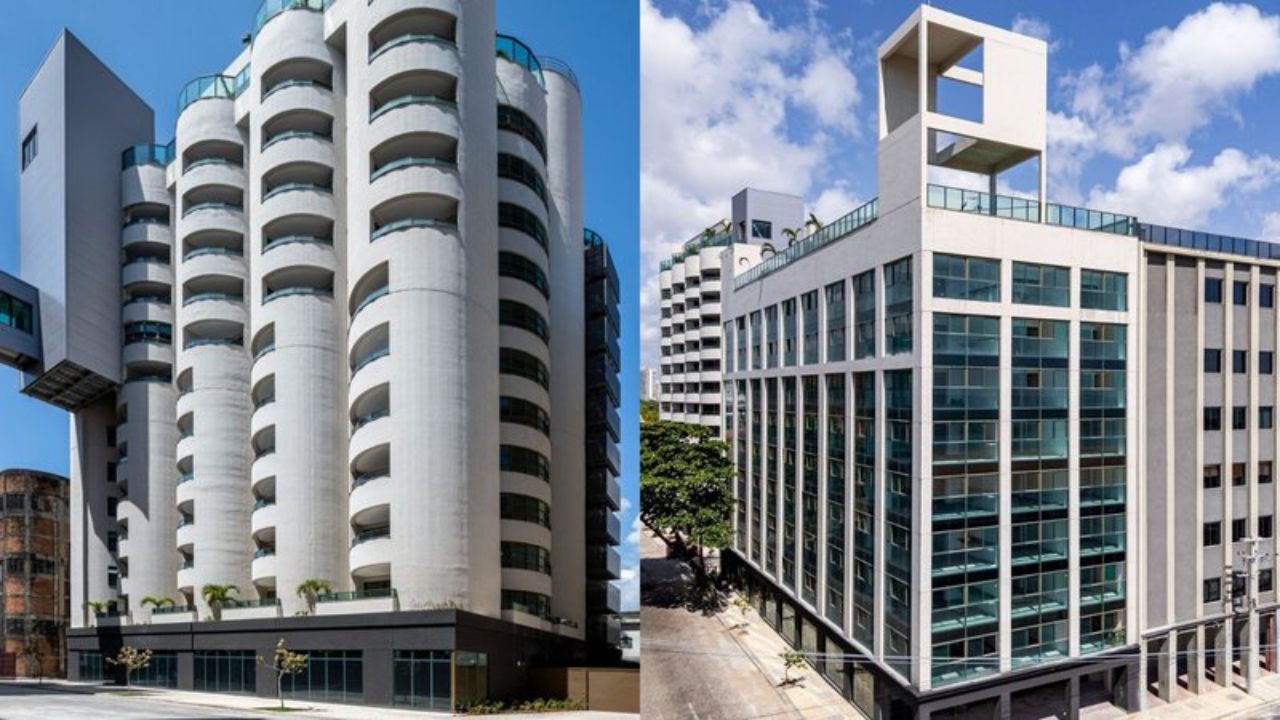
Abandoned for over a decade, century-old silos in the state of Recife have been transformed into 251 apartments with curved walls in one of the most complex retrofits ever done in Brazil.
Welders responsible for metal structures, electricians who ensure the operability of systems, and operators who control heavy machinery have become increasingly difficult to find.
This disappearance does not occur abruptly, but as a silent process of supply reduction, which has been ignored over the years until reaching a critical point. Companies report growing difficulty in assembling complete teams, even while offering higher salaries and additional benefits.
The direct consequence is that fundamental tasks are no longer performed at the necessary pace, creating bottlenecks in stages that cannot be replaced by other functions.
Schedules begin to collapse under pressure of scarcity
With the lack of these professionals, the most immediate impact appears in deadlines. Projects that previously followed relatively predictable schedules are now experiencing successive delays, especially in technical phases that directly depend on these roles.
Metal structures are no longer assembled on the planned timeline, electrical systems take longer to become operational, and equipment remains idle due to a lack of qualified operators. This effect is not isolated, as each delay generates another, creating a chain reaction that compromises the entire project.

In industrial projects, where contracts are based on strict deadlines and penalties for delays are common, this scenario quickly turns into financial risk.
Cost pressure reveals an even greater problem
The scarcity also causes a clear movement of cost increase. With fewer professionals available, companies begin to compete for the same workers, raising salaries and hiring conditions.
This phenomenon creates a specific inflation within the sector, where the cost of skilled labor rises above the average, putting pressure on the budgets of entire projects. In large-scale contracts, small variations in labor costs can represent million-dollar impacts.
Moreover, the need to urgently hire or relocate professionals from other regions adds logistical and operational costs that were not initially planned.
An imbalance between training and demand that has accumulated over years
The origin of the problem lies in a mismatch that has built up over time. While the industry and construction have increased their technical complexity, the training of professionals in these areas has not kept pace with this growth.
Technical courses have lost ground, operational professions have become less valued, and practical training has failed to attract new generations in the same proportion as market demand. This movement has created a void that is now beginning to become visible.
At the same time, the idea that only university careers offer stability has contributed to reducing interest in professions that, in practice, remain essential to the economy.
Aging workforce accelerates the deficit
Another factor exacerbating the scenario is the aging of professionals who still remain in the sector. Many experienced workers, who have accumulated decades of practical knowledge, are retiring or leaving the market.
The departure of these professionals represents not only a numerical loss but also the removal of technical knowledge that cannot be quickly replaced. Training an experienced welder or a qualified machine operator takes years, which prevents immediate replacement.
This process creates a cumulative effect, where the lack of new professionals adds to the departure of the more experienced ones.
More complex industrial construction increases demand even more
While the supply of labor decreases, the complexity of projects increases. Modern industrial construction involves more sophisticated processes, intensive use of technology, and greater precision requirements.


Prefabricated structures, modular assembly, and integration with industrial systems require more qualified professionals prepared to handle new technologies. This raises the level of demand precisely at a time when there are fewer people available to meet this demand. This mismatch between complexity and labor availability further amplifies the problem.
The scarcity of technical professionals has ceased to be merely an operational problem and has begun to affect strategic decisions. Companies are starting to consider the availability of labor as a determining factor for starting new projects.
When there is no guarantee of qualified teams, projects may be postponed, resized, or even canceled, directly affecting the volume of investments. This scenario creates an impact that goes beyond individual projects, affecting the pace of economic growth.
Sectors such as energy, infrastructure, and heavy industry, which heavily depend on this type of professional, are the most sensitive to this bottleneck.
The technical blackout that redefines the future of construction
The shortage of welders, electricians, and machine operators reveals a structural problem that has been building over the years and is now manifesting clearly in the industrial construction sector.
By compromising deadlines, increasing costs, and limiting execution capacity, the lack of these professionals becomes one of the main challenges for the advancement of infrastructure and industry in Brazil.
More than a temporary hiring difficulty, the scenario exposes the need to rebalance training, valuation, and demand for technical professions, which continue to be the invisible foundation of practically everything that is built in the country.








Seja o primeiro a reagir!