





 Portuguese
  English
  Spanish
  3 min of reading
  0 comments


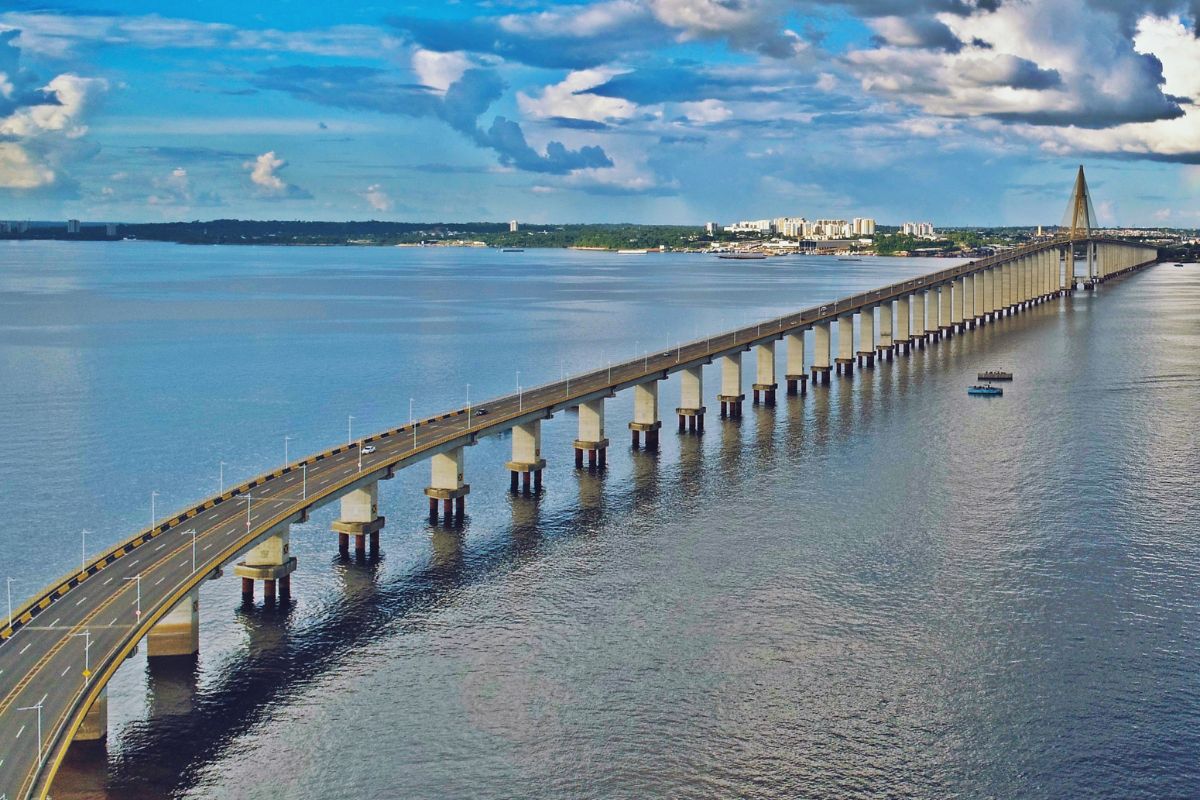
Inaugurated in 2011, the Rio Negro Bridge is not just the largest cable-stayed bridge in Brazil in length, but a landmark of engineering that redefined the Amazon, with a history marked by records and controversies.
In the heart of the Amazon, a monumental structure of concrete and steel cuts through the landscape and connects two banks that, for centuries, have been separated by the dark waters of the Rio Negro. The Journalist Phelippe Daou Bridge, known as the Rio Negro Bridge, has established itself as the largest cable-stayed bridge in Brazil, a symbol of the national engineering’s ability to overcome extreme challenges.
According to the Rio Negro Consortium, responsible for the work, the bridge was a project of great complexity. The history of the construction of the largest cable-stayed bridge in Brazil, which lasted four years, is the chronicle of an old popular aspiration that became a developmental project, but also faced questions about its costs and impacts, solidifying itself as one of the most important and debated infrastructure projects in the country.
The Need to Connect Manaus to Its Interior
Before the bridge, the crossing between the capital Manaus and the municipalities on the other bank of the Rio Negro, such as Iranduba, was done by a slow and precarious ferry system. On June 18, 2003, a public hearing at the Amazonas Legislative Assembly, motivated by complaints from residents, kicked off the project.
-
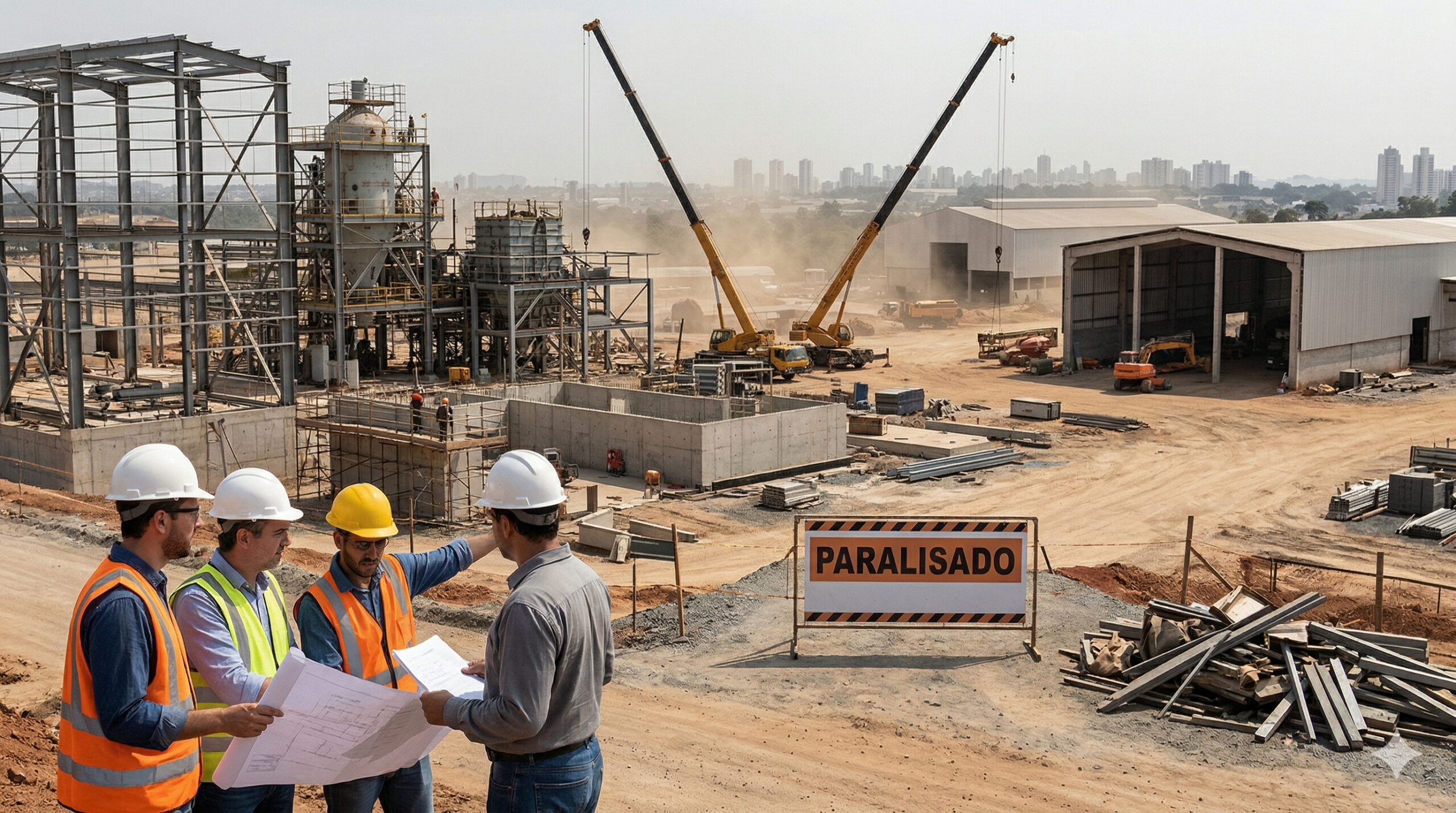
The lack of welders, electricians, and operators becomes a structural threat in 2025, with the construction industry and manufacturing already suffering from delays, cost pressures, and labor shortages in Brazil.
-
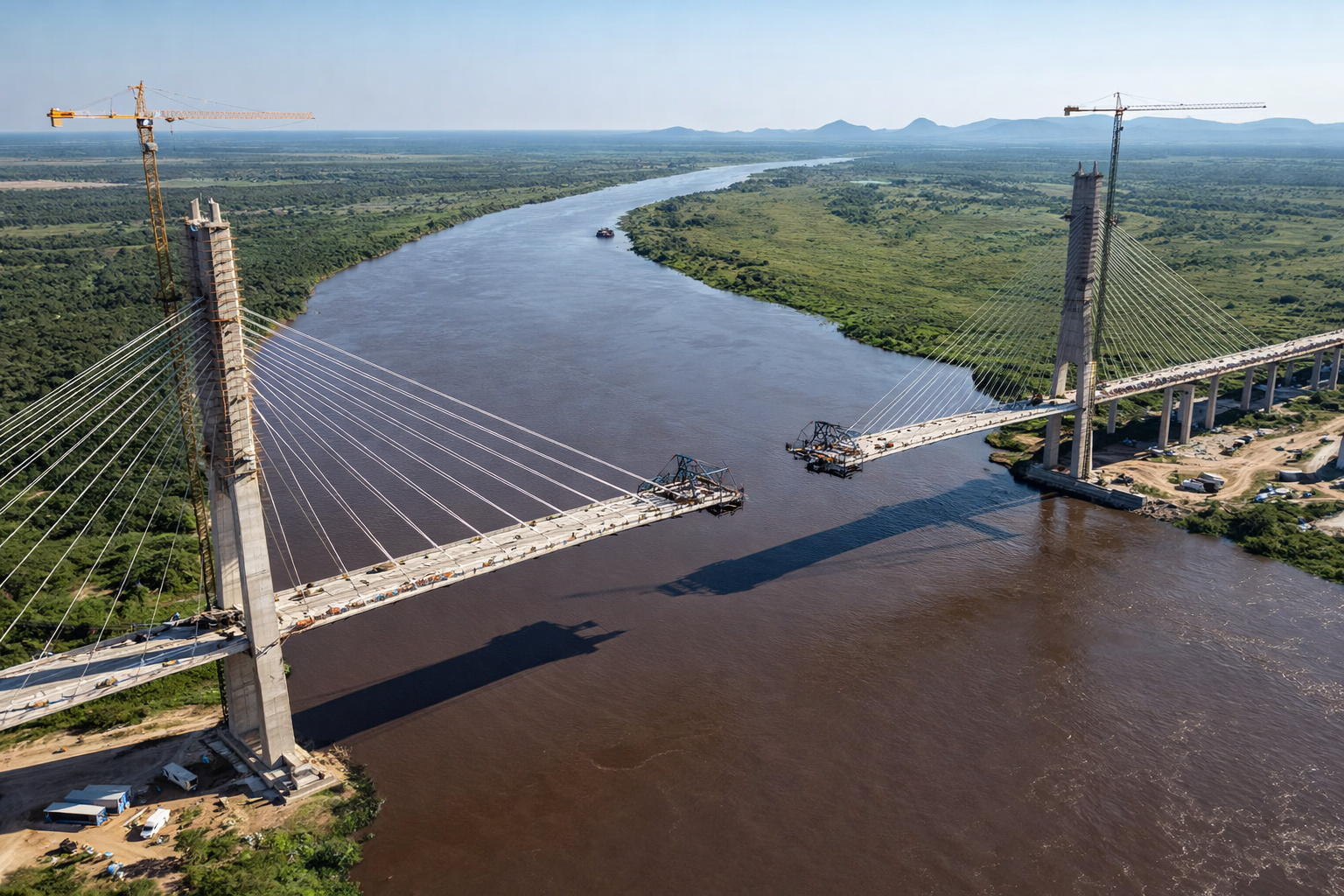
Brazil and Paraguay are just 46 meters away from a historic union on the bioceanic bridge that promises to revolutionize trade between the Atlantic and the Pacific.
-
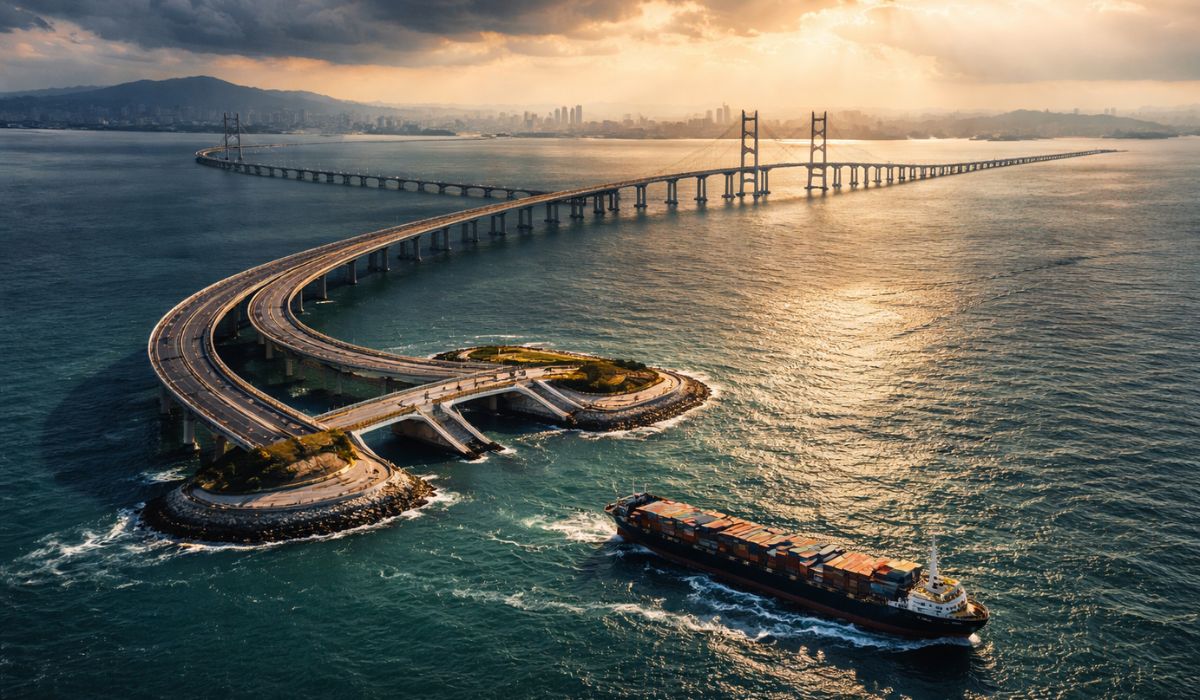
With 55 km over the sea, a cost of US$ 20 billion, and enough steel to build 60 Eiffel Towers, China’s largest project has connected Hong Kong, Zhuhai, and Macau in a colossal bridge that defies the logic of engineering.
-
A trick with joint compound transforms a Styrofoam ceiling into a plaster-like ceiling: leveled panels, wires and mesh at the joints, sand, paint, and change the environment while spending little today.

The movement gained momentum with a petition that, starting in November 2003, gathered 120,000 signatures. The work was conceived by the Government of the State of Amazonas as a project to induce the development of the Metropolitan Region of Manaus, integrating dozens of municipalities into the capital.
The Construction of a Colossus: Engineering and the Amazonian Challenges (2007-2011)
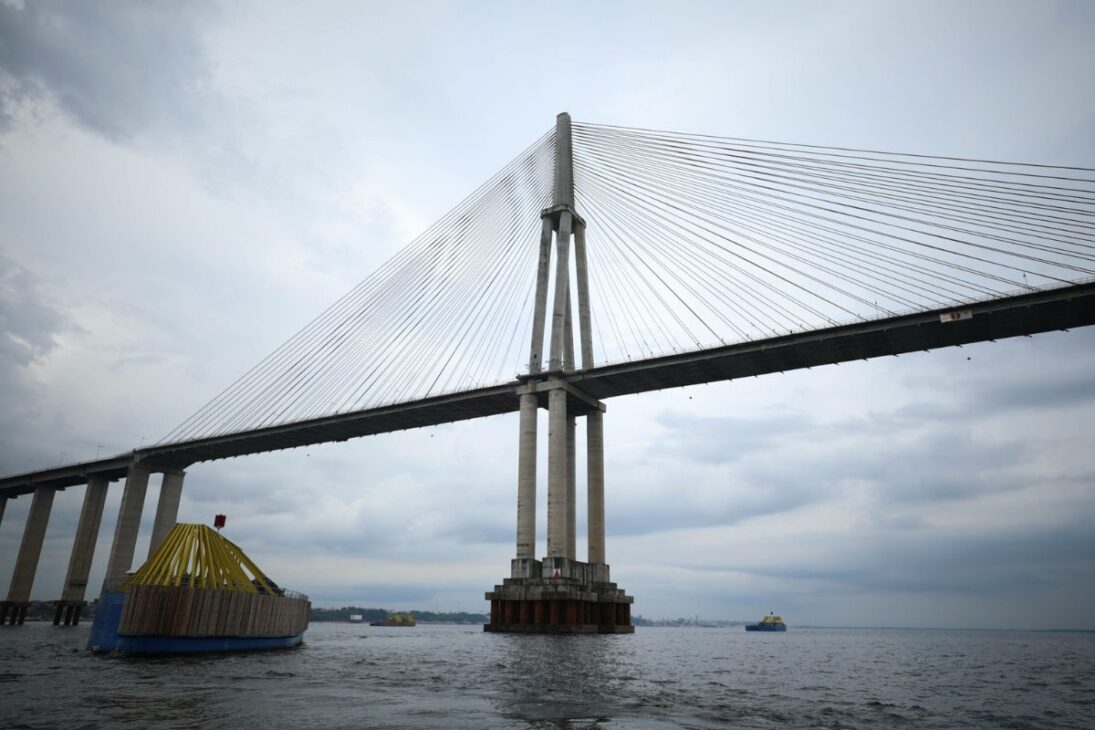
After the completion of the feasibility studies, the service order for the beginning of the works was issued on December 3, 2007. The construction was entrusted to the Rio Negro Consortium, formed by Construtora Camargo Corrêa (now Mover) and Construbase.
One of the biggest challenges was the acidity of the waters of the Rio Negro, which accelerates corrosion. To ensure the bridge’s durability, engineers used a special concrete, with the addition of pozzolana, a material that increases the structure’s resistance to chemical attack.
What is Prestressed Concrete? The Technology That Made the Bridge Possible
The construction of a bridge with a free span of 400 meters over the river’s main navigation channel was only possible thanks to a specific technology: prestressed concrete. It is the backbone of the structure that is now the largest cable-stayed bridge in Brazil.
Unlike regular reinforced concrete, prestressed concrete uses high-strength steel cables that are tensioned (stretched) within the structure. This technique creates internal compression in the concrete, making it capable of spanning much larger distances and supporting more weight with a lighter and slimmer structure.
The Inauguration in 2011 and the Controversies About the Cost
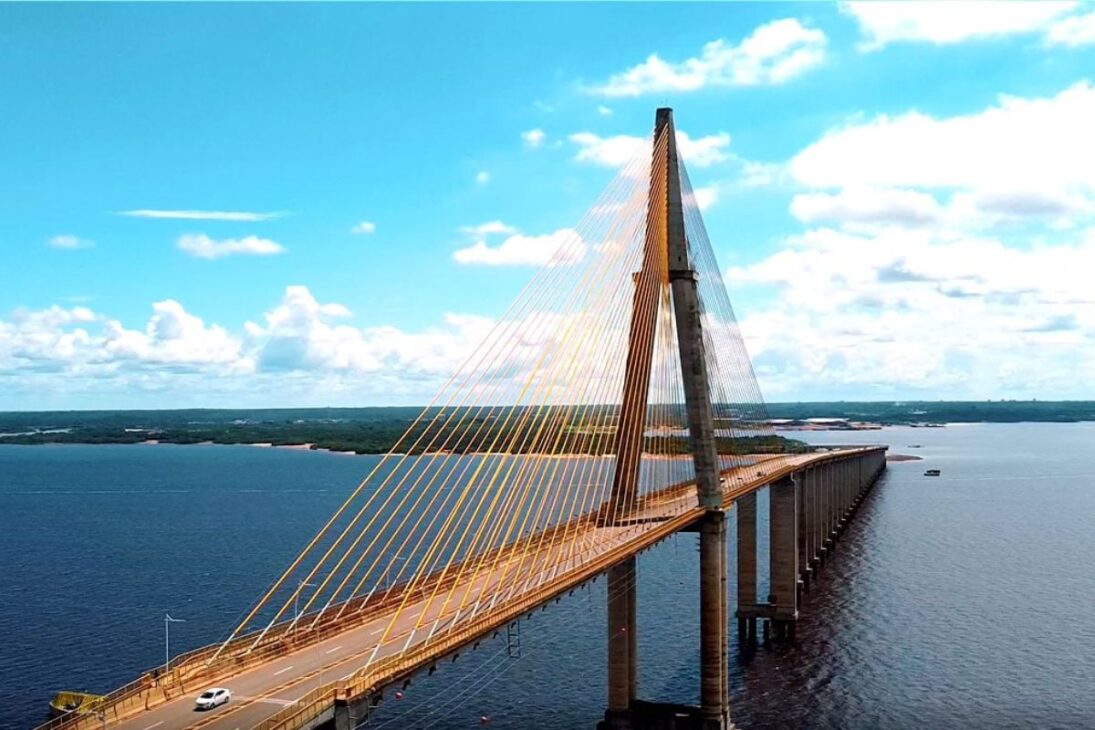
The bridge was officially inaugurated on October 24, 2011, on the anniversary of Manaus. The ceremony was attended by then-president Dilma Rousseff and former president Luiz Inácio Lula da Silva.
The final cost of the work was R$ 1.099 billion, funded by the Government of Amazonas (R$ 513 million) and by BNDES (R$ 586 million). The amount, however, became the subject of controversies and an inquiry by the Federal Public Ministry, which pointed out that essential items, such as the lighting and protective barriers of the pillars, were not included in the original contract.
The Legacy of the Largest Cable-Stayed Bridge in Brazil
The Rio Negro Bridge is the largest cable-stayed bridge in Brazil in total length, with its 3,595 meters. Its central span of 400 meters also holds the record for the largest cable-stayed span with a concrete deck in Latin America.
Its legacy is undeniable. The bridge catalyzed a real estate boom in the municipality of Iranduba and facilitated the flow of agricultural and extractive production in the region. However, it also caused profound social transformations, such as the end of the work of ferry operators, demonstrating the dual nature of large infrastructure projects in the Amazon.









Seja o primeiro a reagir!