





 Portuguese
  English
  Spanish
  4 min of reading
  0 comments


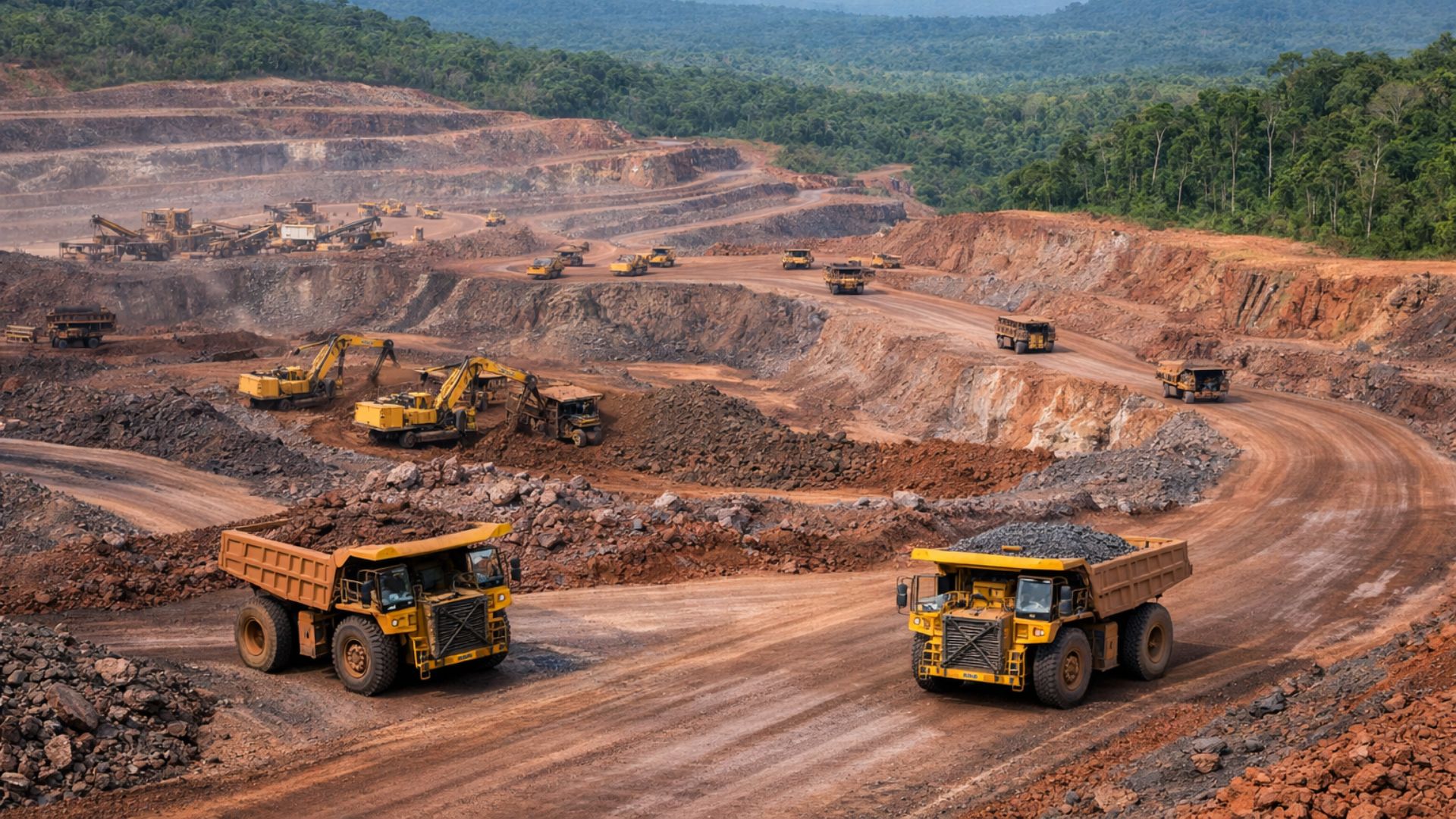
Accidental discovery in the Amazon transformed Carajás into the main hub of Vale, with high-grade ore, integrated logistics, and billions in investments, sustaining most of the company’s production and reinforcing the strategic role of the region in the global mining market.
The largest mineral province operated by Vale was born from an off-route find.
On July 31, 1967, geologists flying over southeastern Pará in search of manganese identified, after an unexpected stop, rocks with high iron content in the Serra dos Carajás.
Decades later, the discovery solidified as one of the main axes of Brazilian mining, sustaining a significant part of the company’s iron ore production and concentrating new investments for the expansion of iron and copper in the region.
-
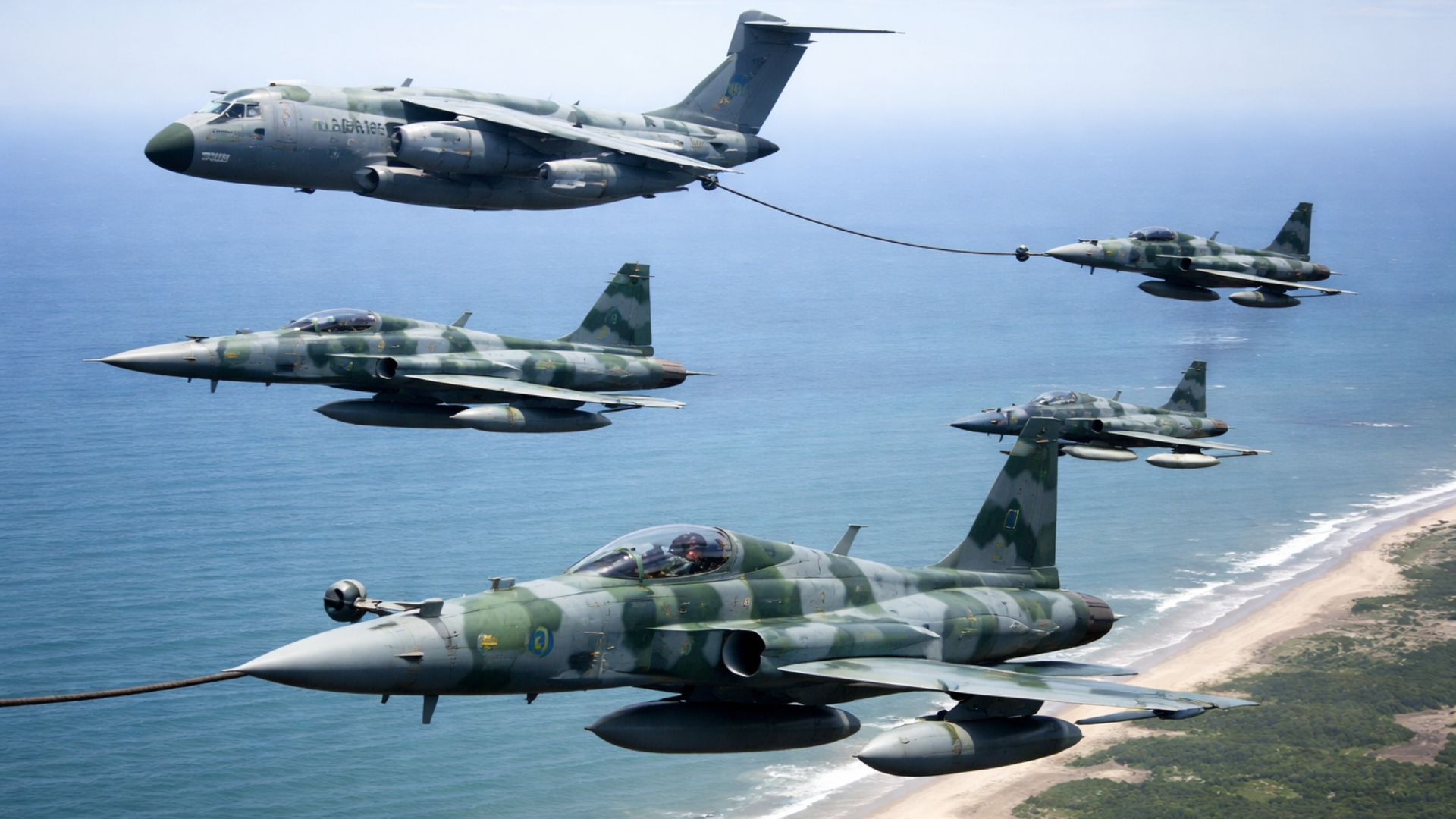
The Brazilian Army takes F-5 fighters out of the garage and stars in an air combat with support from the KC-390.
-
In just 3 years, OMODA 5 surpasses 400,000 units and reaches a milestone that takes most cars a decade to achieve.

-
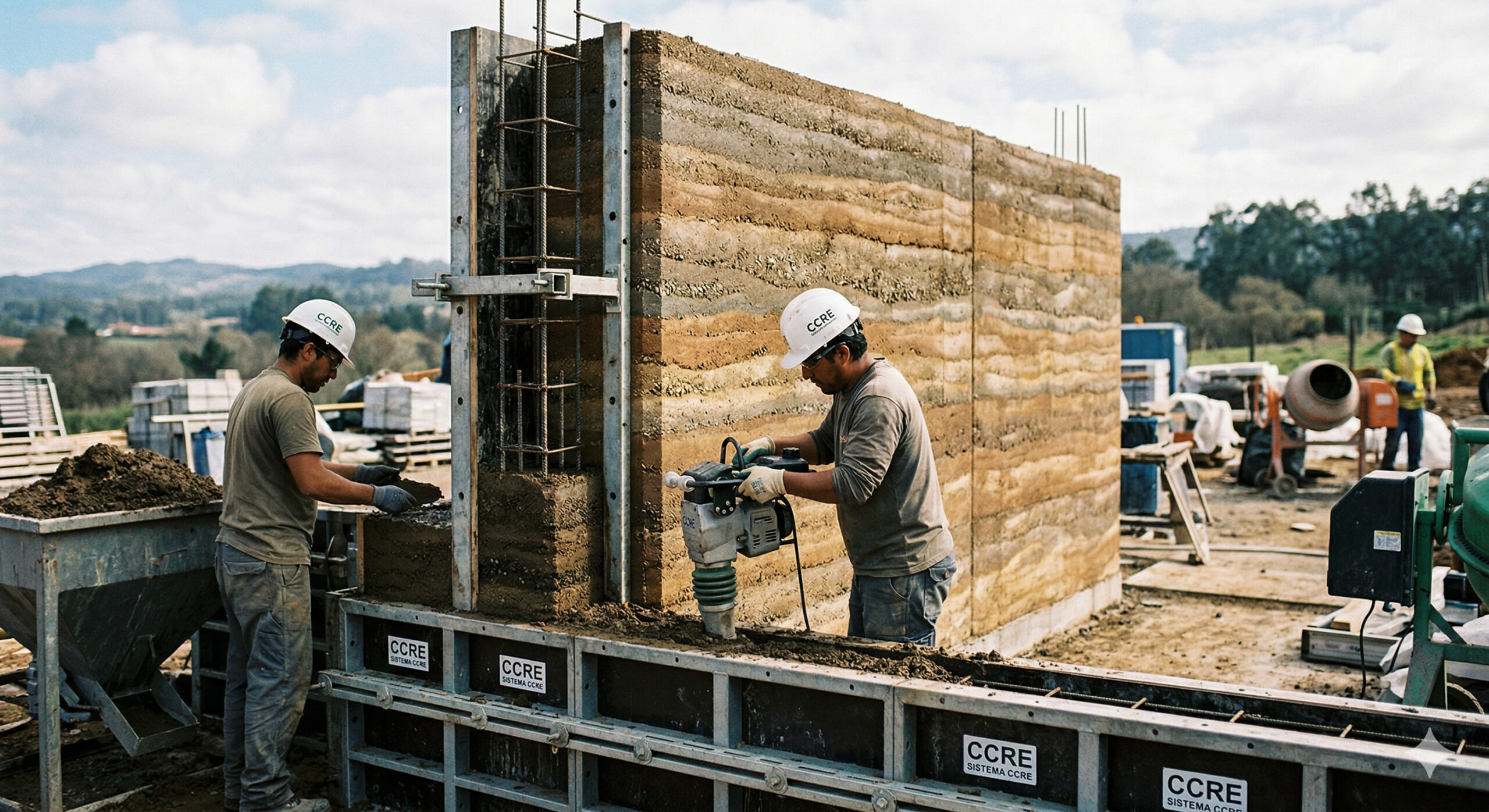
Without cement, without steel, and using only earth and recycled cardboard, engineers have created a construction system that drastically reduces carbon emissions and could change the way houses are built around the world.
-
Alert in the electric sector: excess solar energy triggers overload in the Brazilian electrical system, forces the operator to shut down power plants, and exposes an unexpected risk that could affect stability and energy costs.

Discovery of Carajás changed mining in Brazil
On that reconnaissance flight, the team linked to the US Steel subsidiary was looking for manganese, a raw material used in steel production.
What caught their attention was an unusual clearing in the midst of the dense forest, caused by the mineral composition of the soil, which hindered the growth of large trees.
Upon examining the ground, geologist Breno Augusto dos Santos found a rock that, when struck with a hammer, released reddish powder, a sign of a significant occurrence of iron ore.
The magnitude of the find required immediate discretion.
According to a report recovered by Vale itself when marking the 40 years of operation of the complex, Breno sent a telegram to Belém with the phrase “Send the antivenom,” a code used at the time to notify about a significant mineral discovery without exposing the information to the market.

The message, which seemed trivial, announced the beginning of a profound transformation in the history of the company and mining in the country.
Start of operation and industrial advancement
The deposit discovered in 1967 underwent technical and economic studies over the following years.
Commercial exploration, however, only truly began in 1985, eighteen years after the initial identification.
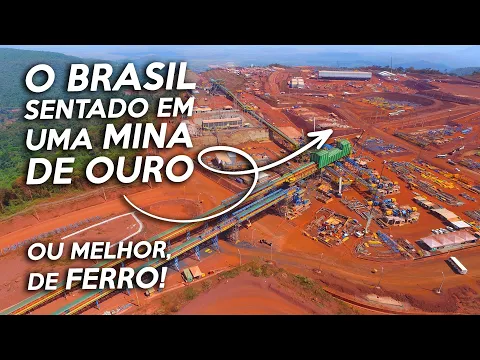
Since then, Carajás has ceased to be merely a geological promise to become an integrated structure of mining and logistics, based on mines, railways, and a maritime terminal aimed at large-scale outflow.
This arrangement helped place Brazil among the central hubs of the global high-quality iron ore market.
In Carajás, Vale operates with ore above 65% iron content, a condition that favors premium products and reduces the need for more intensive beneficiation stages.
The quality of the material extracted in the Northern System also explains why the region remains strategic in the company’s portfolio even after nearly six decades since the discovery.
Production of Vale and importance of Carajás
In 2025, Vale produced 336 million tons of iron ore, the highest annual volume since 2018.
A decisive part of this performance came from assets linked to Carajás, where the S11D continued to break quarterly records throughout the year, reinforcing the position of the Northern System as the growth engine of the miner.
Although the company does not always publicly detail the exact share of Carajás in the total consolidated annual volume, recent reports and corporate documents converge to indicate the region as responsible for the largest share of iron ore produced by Vale.
The anticipated advancement for the coming years reinforces this role.
In February 2025, the company announced the New Carajás program, with R$ 70 billion in investments between 2025 and 2030.
The goal is to bring the iron ore production of the region to a pace of 200 million tons per year by the end of the decade.
The ore continues to be the backbone of Vale’s revenues, while the group seeks to expand its presence in metals linked to the energy transition.
At Vale Day 2025, the company reaffirmed its intention to increase iron ore production by 2030 and double copper production capacity by 2035.
Logistics of the Carajás Railway and export

The scale of the operation depends on a logistics corridor set up to connect the mine to the coast.
The ore travels along the Carajás Railway, which is 892 kilometers long, to the Ponta da Madeira Maritime Terminal in São Luís.
This integration between mining, railway, and port allowed the transformation of an isolated reserve in the Amazon into a global export platform.
At the same time, Vale has associated the expansion of production with the discourse of preservation around its operations.
In 2025, the company reported that it helps conserve the Carajás Mosaic, an area of about 800 thousand hectares of native forest in southeastern Pará.
In recent reports about the region, the area directly allocated to mining appears to be approximately 3% of the protected territory, while the remainder remains covered by native vegetation.
This combination of large scale, high-grade ore, and consolidated infrastructure explains why Carajás remains at the center of Vale’s strategy.
The complex completed 40 years of operation in 2025, with new expansion plans, production records at S11D, and anticipated increases for both iron and copper.
The region remains one of the company’s most valuable assets and a permanent reference for Brazilian mining.





Seja o primeiro a reagir!