





 Portuguese
  English
  Spanish
  3 min of reading
  0 comments


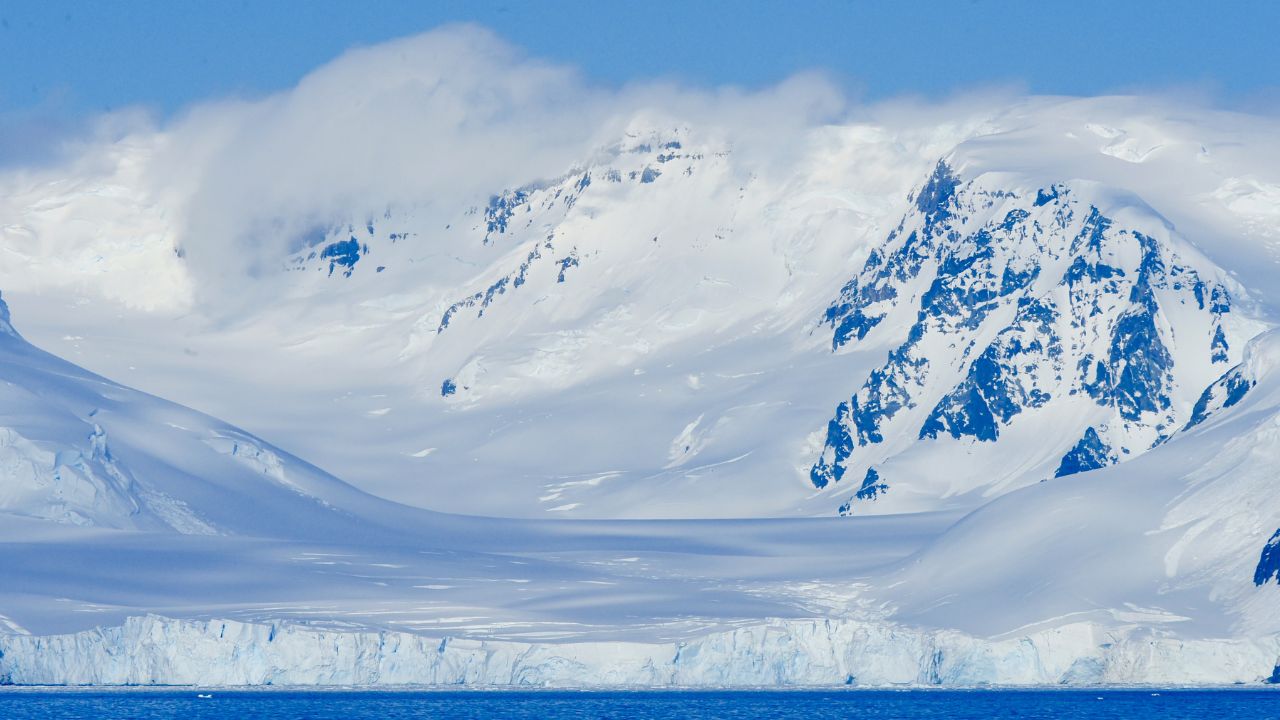
Discover Why Antarctica Is Considered the Largest Desert in the World, Its Climate Criteria, Global Warming Effects, and Peculiarities of This Polar Desert.
The largest desert in the world is the Antarctica, located at the South Pole, covering about 14 million km², and is recognized as a desert due to its very low humidity and sparse rainfall, despite being icy. Scientists point out that it meets the desert criteria — less than 250 mm of annual precipitation — even though it is covered in ice.
This frozen continent draws attention not only for its size but also for its extremes: temperatures reaching ‑60 °C or lower in the interior, winds exceeding 185 km/h, and portions reaching altitudes between 1,500 and 4,000 meters.
The importance of understanding why Antarctica is the largest desert in the world goes beyond geography: it holds 70% of all the fresh water on the planet, influencing the global climate and serving as a laboratory for climate studies.
-
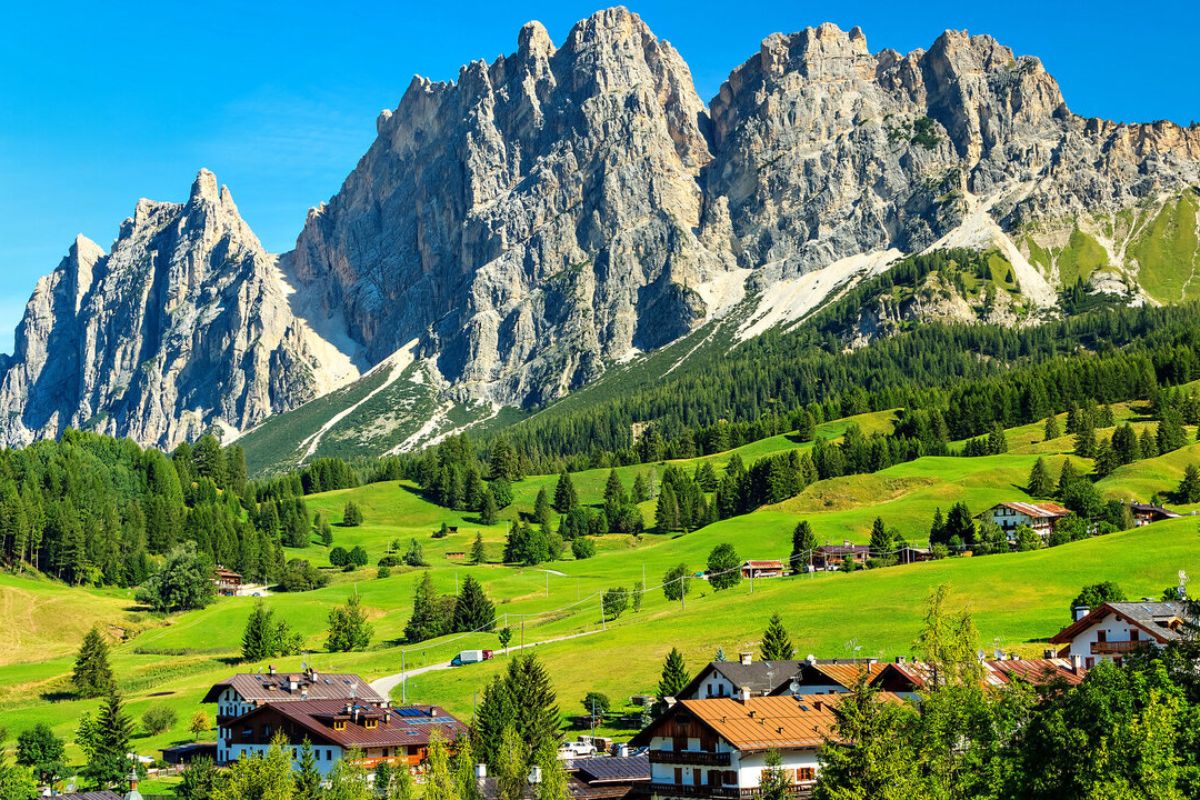
Scientists are looking for volunteers to live for free for a month in a refuge in the Italian Alps at an altitude of 2,300 meters, with accommodation, food, and a payment of 400 euros to participate in a health study.
-
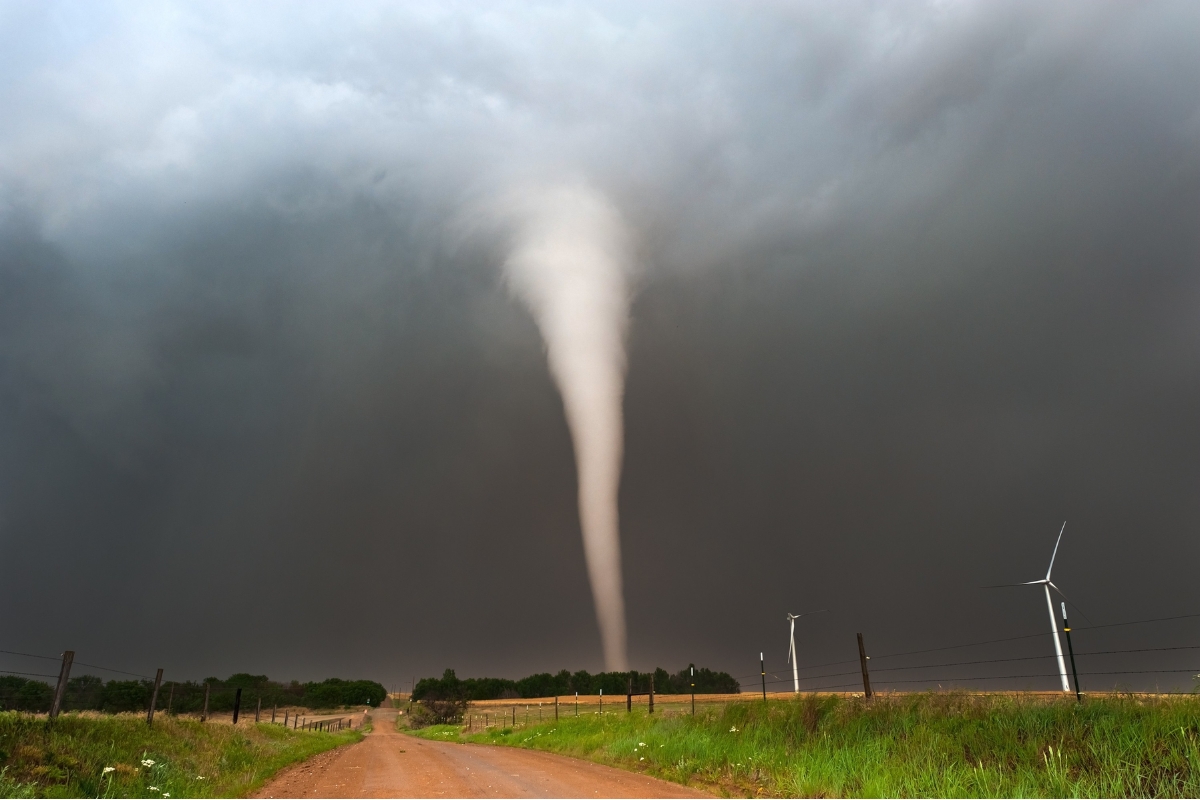
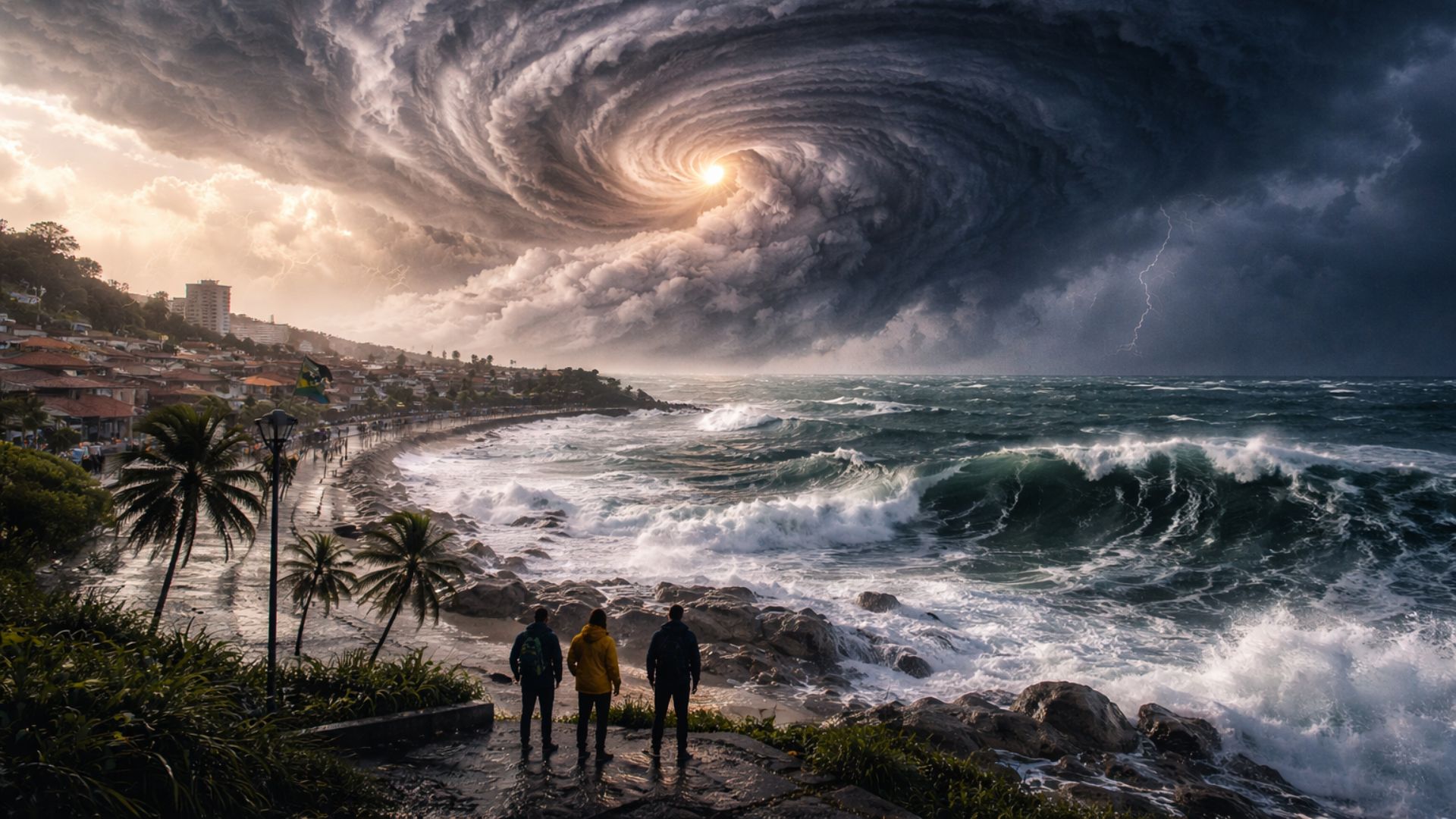
A 19-year-old is ripped from a mobile home by an F2 tornado, thrown 398 meters, survives with minor injuries, and enters the Guinness World Records in one of the most extreme cases ever recorded in meteorology.
-
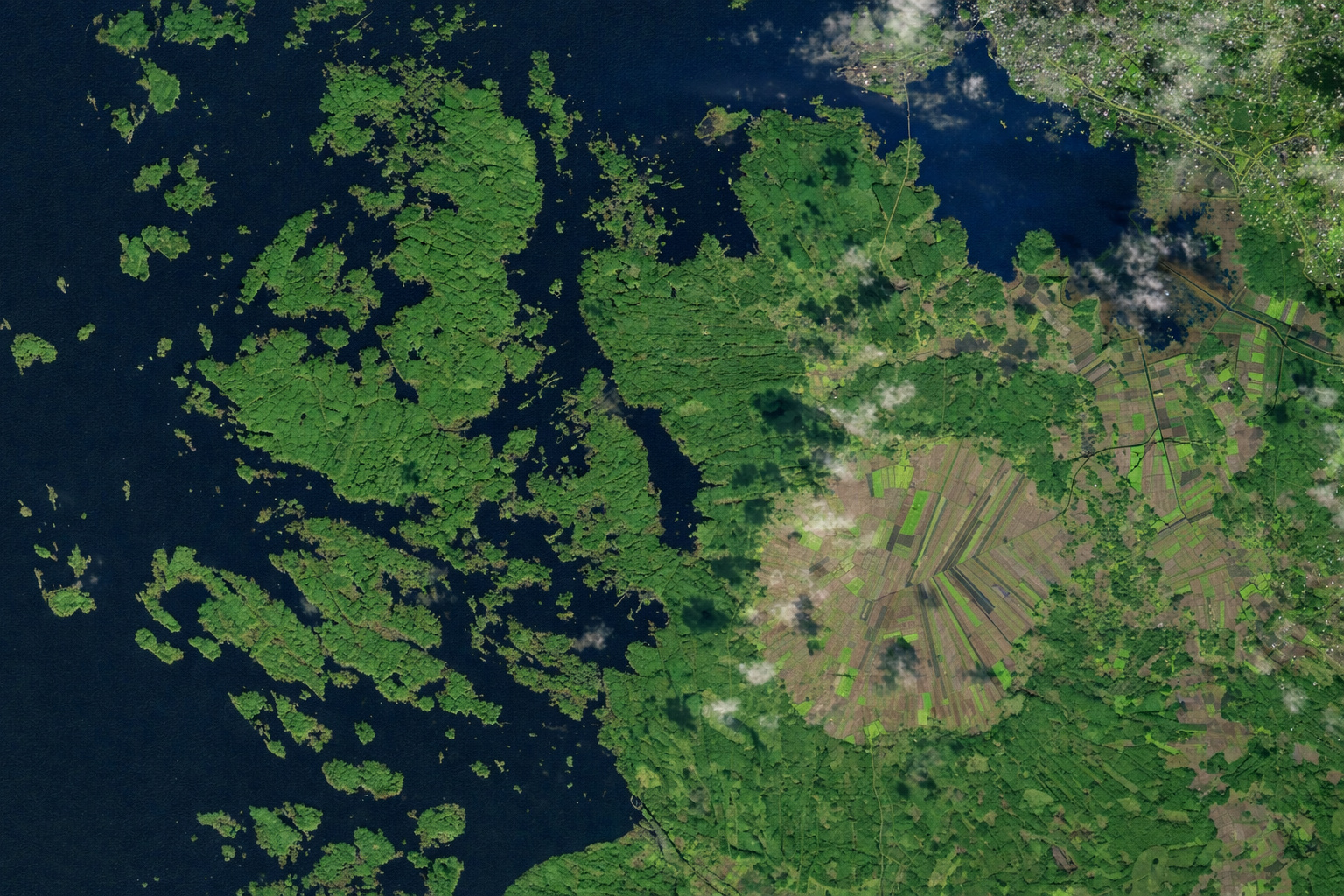
An impact crater has turned into agricultural land in Finland, and its almost perfect outline creates a circular design so strange that it resembles a landscape from another planet viewed from space.
-
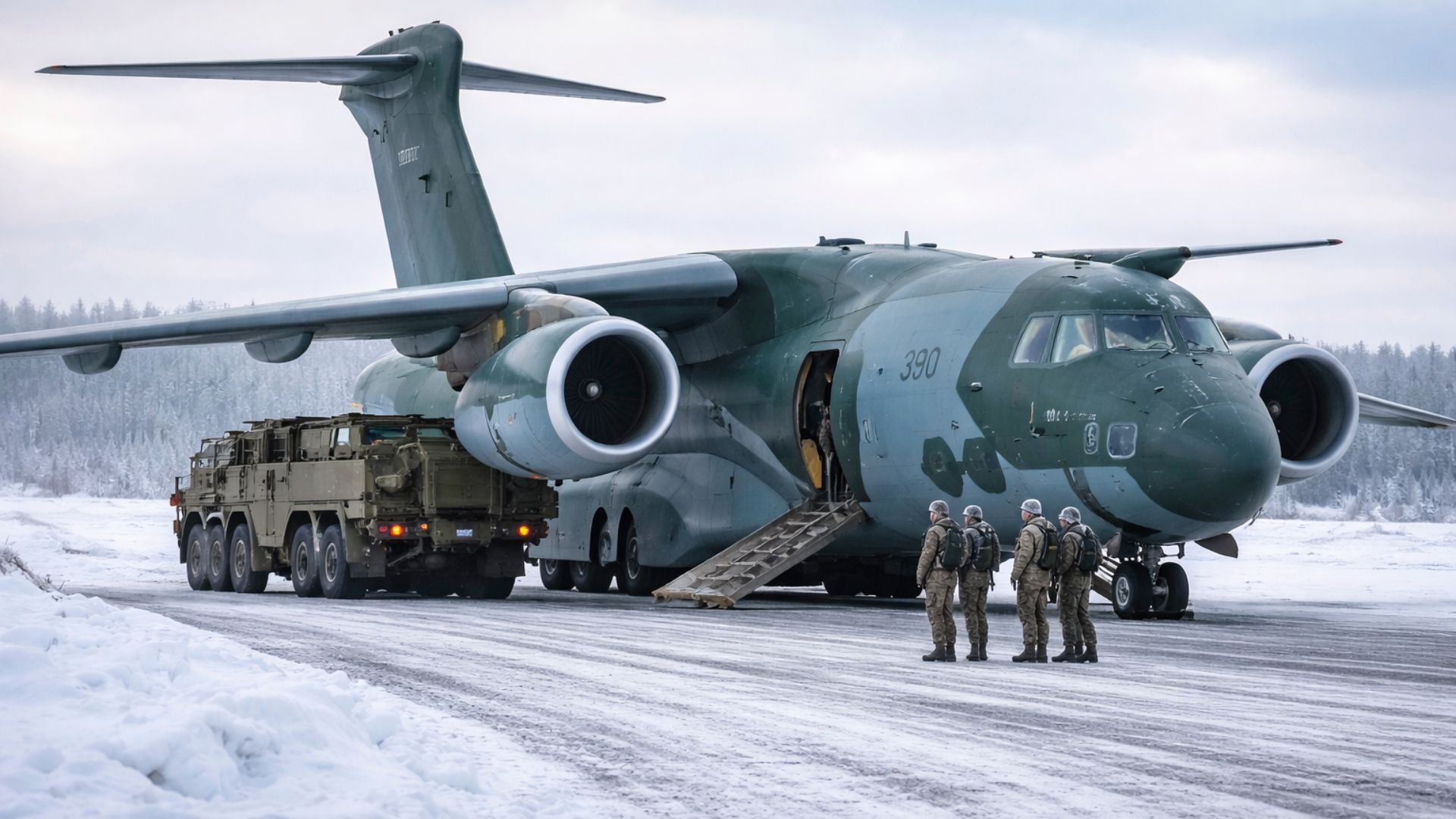
Embraer proves that the KC-390 Millennium achieves 100% reliability in tests in the Arctic, operating in extreme cold in Sweden with short takeoffs, quick deployment, and simultaneous transport of heavy vehicles and troops.

What Defines a Desert?
For a place to be classified as a desert, two main criteria must be met: low humidity and sparse rainfall.
Even when there is ice or snow, the volume of liquid precipitation can be extremely low.
In Antarctica, there are regions where rain virtually does not occur or occurs in insignificant amounts.
Moreover, Antarctica exhibits frozen soils (permafrost) and negative average temperatures for almost the entire year, which prevents the accumulation of liquid water, reinforcing its classification as a desert.
Why Is Antarctica the Largest Desert in the World?
Territorial Extension
With an area of approximately 14 million km², Antarctica surpasses the size of any hot or sandy desert, including the Sahara, Gobi, or Arabian deserts.
Its expansive and continuous area places it at the top as the largest desert in the world.
Extreme Climatic Conditions
Winter temperatures range between ‑10 °C and ‑30 °C along the coasts, dropping below ‑60 °C in the interior. Rainfall is virtually non-existent.
The cold air also retains less moisture — a fact that, while seemingly contradictory, helps to make this environment a desert.
Physical Structure
Antarctica is covered in ice, with an average thickness of about 2,700 meters and peaks reaching 4,800 meters in certain areas.
This massive ice crust stores fresh water for the world.
Where Are the Most Vulnerable Regions? Extreme Examples
A part of Antarctica known as the McMurdo Dry Valleys offers one of the most arid portions of the planet.
There, there is almost no ice cover, no rainfall, and vegetation is limited to lichens and mosses adapted to extreme cold.
These areas are considered hyper-arid — far beyond what we normally think of when we envision a desert.
Impacts of Global Warming on the Largest Desert in the World
The largest desert in the world suffers from climatic osmosis: what happens there reflects on the global climate.
- The partial melting of glaciers, caused by rising temperatures during the Southern Hemisphere summer, compromises the stability of the ice sheet. –
- The polar amplification, a phenomenon that increases warming at the poles more than in other regions, is already being observed and studied. –
- Changes in the amount of snow, permafrost, and ecosystems (even if diminished) have cascading effects — on sea level rise, ocean circulation, and continental climate. –
Why Is It Important to Know What the Largest Desert in the World Is?
Knowing that Antarctica is the largest desert in the world helps break common myths.
Many people imagine “desert” as synonymous with heat, sand, and camels. But a desert does not depend on heat: it depends on dry air and little rainfall.
Furthermore, understanding this fact has practical implications:
In climate change: impacts on oceans and ice currents affect storms, rainfall patterns, and human migration.
In scientific research: regions like the Dry Valleys serve as a base for understanding extreme environments, even drawing comparisons with Mars.
In environmental preservation: Antarctica is fragile, protected by international treaties, but exposed to pressures like tourism, pollution, and warming.




Seja o primeiro a reagir!