





 Portuguese
  English
  Spanish
  5 min of reading
  0 comments



JBS, the largest food company in the world, inaugurated JBS Biotech at Sapiens Park in Florianópolis, a complex of 4,200 square meters with more than 20 specialized laboratories that will develop “superproteins” designed at the molecular level to modulate muscle mass gain, immune response, and metabolic performance in humans and animals.
The largest company in food on the planet has just taken a step that could change the way humanity eats in the coming decades. According to the portal ndmais, JBS inaugurates this Wednesday (April 1st) JBS Biotech, an advanced biotechnology center of 4,200 square meters at Sapiens Park in Florianópolis, with more than 20 laboratories designed to develop tailor-made proteins at the molecular level. This is not about improving an existing product; it is cutting-edge science applied to the creation of foods that the human body has never had access to before.
The complex, led by chemical engineer Fernanda Berti, a doctor in Chemical and Biotechnological Process Development and CEO of JBS Biotech, was structured to cover the entire cycle of innovation: from basic molecular biology to process engineering and large-scale industrial validation. The goal of the largest food company in the world is to develop the so-called “superproteins,” functional ingredients capable of modulating human body responses such as muscle mass gain, immune support, and metabolic performance. It is JBS’s largest bet on applied science made in Brazil.
What the largest food company in the world wants to do with proteins designed at the molecular level

The difference of JBS Biotech is the ability to understand the potential of food at the molecular level and from this understanding, create proteins with specific functions that do not naturally exist in traditional food products.
-
After nearly 30 bids and competition among industry giants, a Spanish company purchases one of the largest airports in Brazil for almost R$ 3 billion and takes over the management of Galeão in a concession that will last until 2039.

-
The Federal Revenue Service now automatically cross-references everything you declare with data from banks, credit cards, brokerage firms, and insurance companies, and any discrepancy between your income and your expenses triggers an alert in seconds.

-
Amid global tensions, Brazil blocks the United States’ proposal at the WTO and paves the way for a trade crisis and possible retaliations.

-
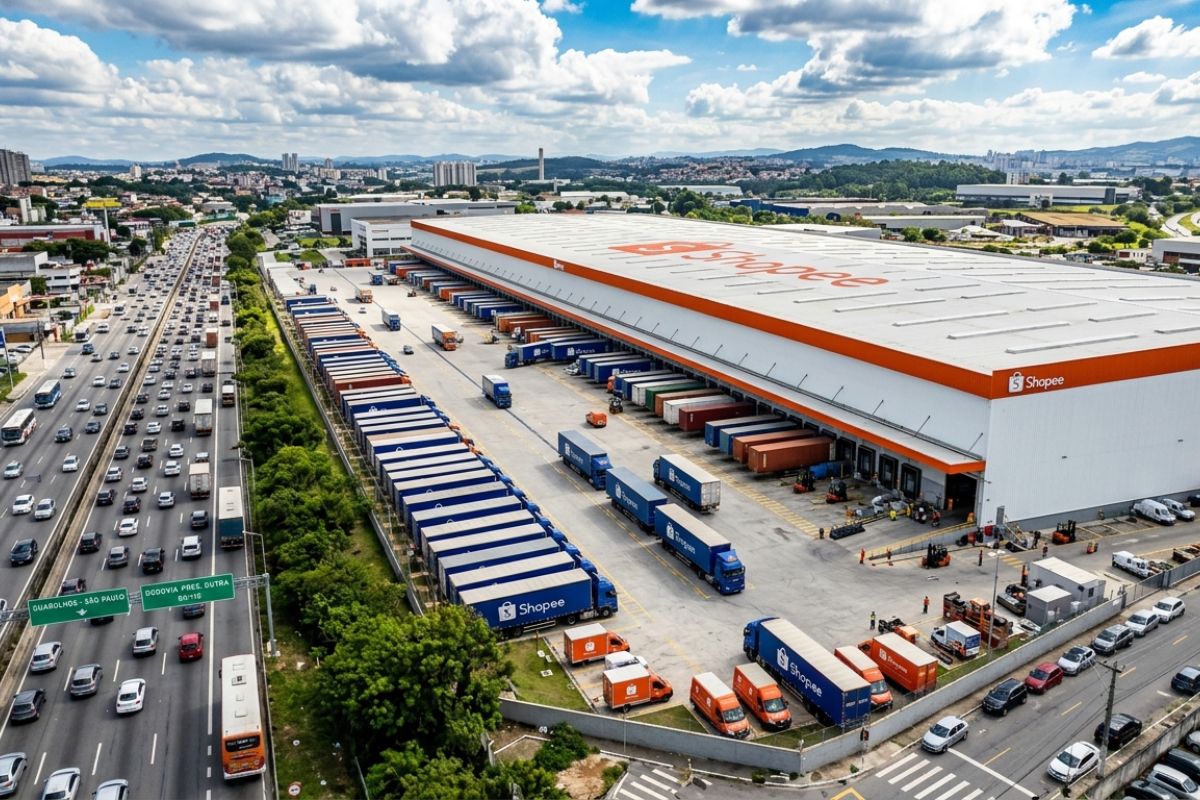
Shopee opens the largest logistics warehouse in Brazil in Guarulhos: 220,000 m² on Dutra, contract signed before construction, pays R$ 45/m² and accelerates deliveries at scale, putting pressure on Mercado Livre and Amazon.

For humans, this means ingredients that modulate concrete physiological responses: muscle mass gain for athletes and the elderly, immune system support, and optimization of metabolic performance. It is not a generic supplement; it is protein designed specifically for a particular need.
The research of the largest food company on the planet is not limited to human nutrition. In animal health, the center develops nutritional and bioactive solutions that prevent diseases and improve the well-being of animals, reducing the need for intensive interventions.
Another area of research is the so-called Clean Label: studies with peptides and bioactive antioxidant and antimicrobial ingredients aimed at reducing the use of chemical additives in JBS products, brands like Friboi, Seara, and Swift, delivering healthier foods without compromising taste or preservation.
DNA sequencing, cryogenic biobank, and data science: the technological arsenal of JBS Biotech
The more than 20 laboratories in the complex in Florianópolis integrate state-of-the-art infrastructure that places the largest food company in the world on the same technological level as pharmaceutical research centers and leading universities.
The arsenal includes DNA sequencers, advanced molecular analyses, omics data science (genomics, proteomics, and metabolomics) to map detailed biological profiles, and a biobank with cryogenic storage of biological samples that protects and values the raw material of the agro-industrial chain.
The center also has complete capacity for research with cell cultures, microorganisms, and plants. All this structure allows the largest company in the sector to map the molecular composition of foods and identify which combinations of proteins, peptides, and bioactive compounds produce specific effects in the body.
It is food engineering in the most literal sense of the term: designing what you eat so that it does exactly what your body needs.
Transforming by-products into high-value ingredients: JBS’s bet on the circular economy
Biotechnology at JBS Biotech is not only used to create new products but also to extract value from what was previously discarded.
One of the strategic axes of the center is bioconversion: transforming what was treated as a by-product of the food chain into high-value-added ingredients, such as functional proteins, dietary supplements, and bioactive compounds. It is the largest food company using science to waste nothing.
This approach not only reduces waste but also creates new business avenues to serve sectors such as pharmaceuticals, cosmetics, and medicine.
Gilberto Tomazoni, Global CEO of JBS, summarizes the strategy: “The continuous generation of knowledge constitutes a strategic asset that ensures intellectual property and sustains competitiveness”. In other words, the laboratory is not an isolated research center; it is a factory of patents and competitive advantages for the largest food company in the world.
Why Florianópolis and what JBS Biotech means for the Brazilian innovation ecosystem
The choice of Florianópolis and specifically Sapiens Park is not casual. The capital of Santa Catarina is one of the largest innovation and technology hubs in Brazil, with a concentration of startups, universities, and research centers that facilitate the formation of the multidisciplinary team that JBS Biotech needs: biologists, physicists, chemists, and engineers working together in a center that combines fundamental science and industrial application.
The investment in Florianópolis connects to JBS’s international initiatives, such as research in cultivated protein in Europe.
The center works on two types of advancement: incremental innovation improving existing processes and products of the Friboi, Seara, and Swift brands, and disruptive innovation, which is the creation of unprecedented solutions to ensure food security in a rapidly changing world. With more than 282,000 employees and operations in over 20 countries, JBS positions the Florianópolis laboratory as a central piece of its global innovation strategy in proteins.
The largest food company in the world is redefining what it means to “eat well”
JBS Biotech is more than a laboratory; it is a statement that the largest food company on the planet intends to define the future of human food through biotechnology.
Proteins tailored to each body’s need, by-products transformed into high-value ingredients, foods without chemical additives, and data science applied to nutrition all being developed in Florianópolis, in southern Brazil, by a company that serves 180 countries and processes more animal protein than any other in the world.
The question that remains is: when these “superproteins” hit the market, will what you eat today seem as outdated as a ten-year-old cell phone?
Would you consume lab-developed proteins to gain muscle mass or improve your immunity? And what do you think about the largest food company in the world investing in biotechnology in Florianópolis? Leave your opinion in the comments.









Seja o primeiro a reagir!