





 Portuguese
  English
  Spanish
  3 min of reading
  0 comments


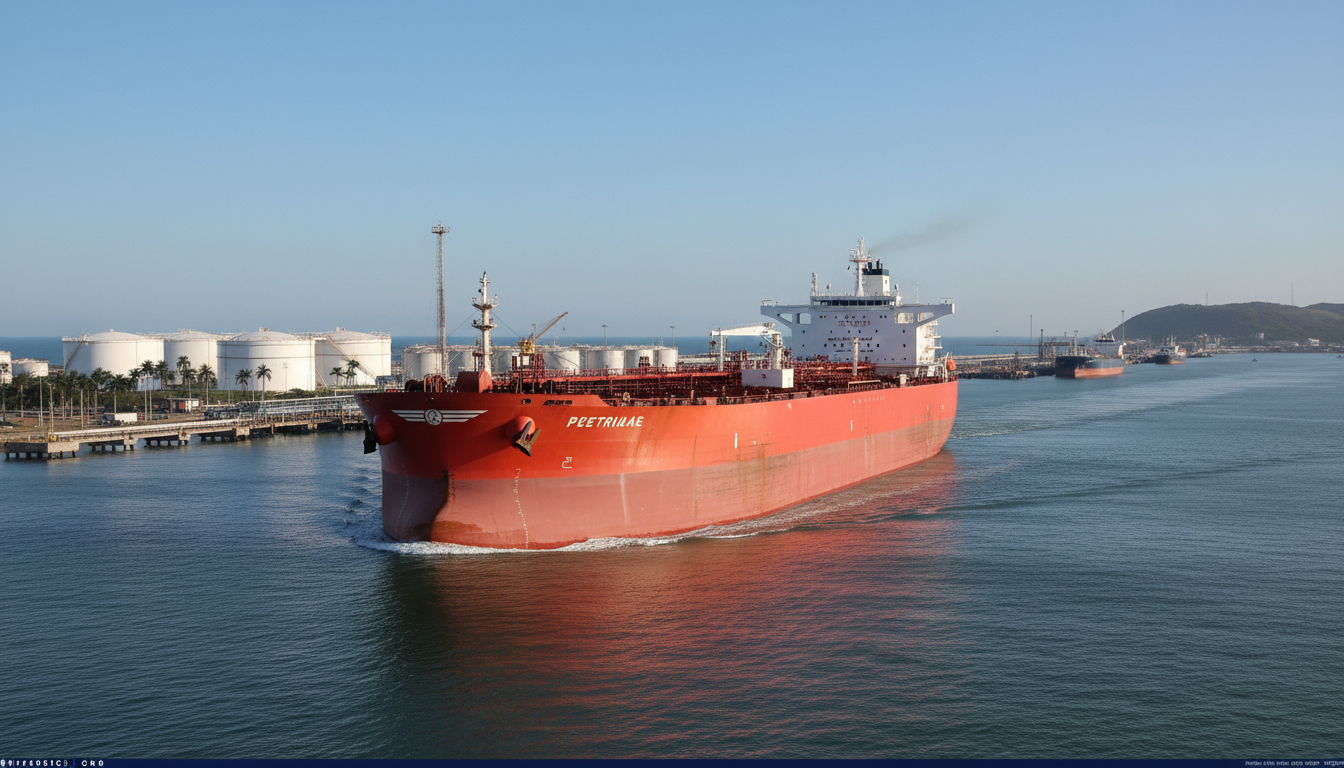
Vibra Energia, the largest fuel distributor in Brazil, doubled diesel imports for April 2026 after Petrobras reduced its monthly supply quota, with imported diesel costing R$ 2.50 more per liter, a government subsidy of R$ 4 billion, and the unions of Vibra, Raízen, and Ipiranga requesting the resumption of state auctions.
Vibra Energia, the largest fuel distributor in Brazil, was forced to double its diesel import volume for April 2026. Therefore, the decision came after Petrobras reduced its monthly supply quota.
The CEO of Vibra, Ernesto Pousada, confirmed the measure in an interview with CNN Brasil on April 10, 2026. Thus, he assured that ships with imported diesel are already on their way to Brazil.
“I can assure this consumer, this population that is out there, at Petrobras stations, we are making every effort and we will have diesel available,” said Pousada.
-
After Trump gave Iran 48 hours to reopen the route for 20% of the world’s oil, the barrel skyrocketed to $117, dropped 13% with a truce, and the Central Bank had to inject $2 billion to stabilize the dollar.
-
A law that no one knows requires oil companies to invest billions in technology in Brazil, and the result is autonomous robots, AI that predicts failures, and cameras that see danger before humans do on offshore platforms.

-
The government creates a package of R$ 14 billion to secure the price of diesel after the war in Iran closes off 20% of the world’s oil route, while Petrobras plans to never depend on imports again and promises to supply Brazil on its own by 2031.
-
Created in silence in the middle of the ocean, a Brazilian startup developed technology that predicts failures in oil platforms before they occur, and now ExxonMobil and Equinor are competing for its contracts.
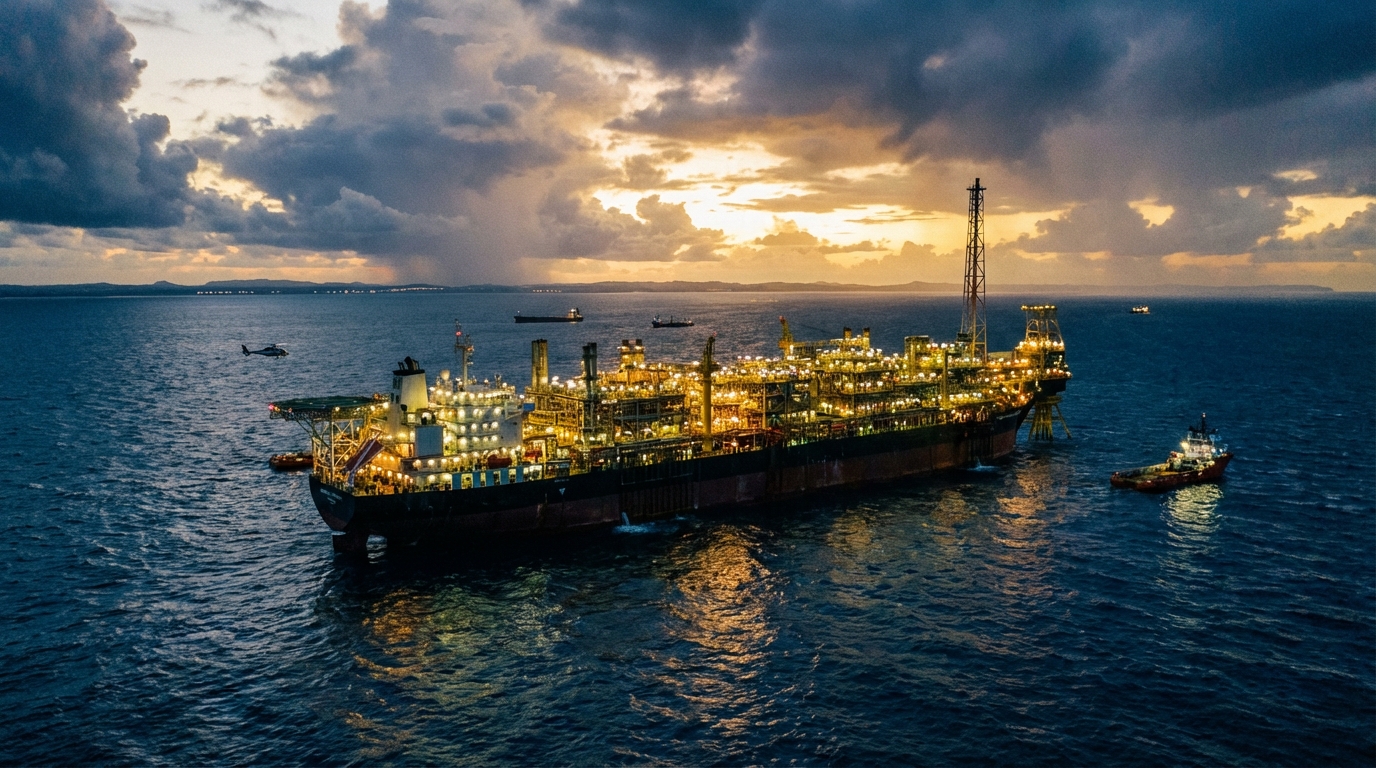

Imported diesel costs R$ 2.50 more per liter than Petrobras
The problem is the cost. According to industry sources interviewed by Reuters, imported diesel costs R$ 2.50 per liter more than the price charged by Petrobras.
However, the government subsidy only covers R$ 0.32 per liter. Therefore, the difference between the real cost and the subsidy is enormous.
“Today, the difference between the imported price and Petrobras’ price is R$ 2.50 per liter. The subsidy is about 32 cents,” industry sources told Reuters.
This difference may discourage other importers besides Vibra, concentrating the supply risk in a single company.

Government created a R$ 4 billion program to subsidize imported diesel
The federal government launched a subsidy program for imported diesel totaling R$ 4 billion. Thus, R$ 2 billion comes from the Union and R$ 2 billion from the states and the Federal District.
Vibra announced its adherence to the program on April 9, 2026. Additionally, it maintains dialogue with the ANP regarding technical conditions.
However, the program is only valid for April and May 2026. Therefore, it is a temporary solution.
Union of Vibra, Raízen, and Ipiranga calls for the resumption of Petrobras auctions
The union representing the three largest distributors in Brazil — Vibra, Raízen, and Ipiranga — sent a letter to the federal government and the ANP this week.
The request is straightforward: the resumption of Petrobras’ fuel auctions. Furthermore, they warned of risks to national supply with indefinite stocks and short deadlines for imports.
Industry sources argue that the real solution is a price adjustment by Petrobras, not just subsidies for importers.

Petrobras released extra gasoline but diesel remains tight
On April 10, Petrobras released an additional volume of gasoline for Vibra. Pousada celebrated: “We had great news. Petrobras released an additional volume of gasoline.”
However, diesel remains tight. Thus, the recovery of volume depends on future actions by Petrobras.
“We can see that Petrobras is working hand in hand with our team. I am sure we will work together to recover this diesel volume going forward,” said the CEO.
The crisis is set against the backdrop of the war in the Middle East, which has restricted global supply and increased product prices. To understand the full impact, see how oil soared to US$ 117 after Trump’s ultimatum to Iran.
Still, the solution is palliative. Stocks remain low, the subsidy covers a fraction of the real cost, and Vibra admits that the situation depends on expensive imports and cooperation from Petrobras in the coming weeks.








Seja o primeiro a reagir!