





 Portuguese
  English
  Spanish
  5 min of reading
  0 comments


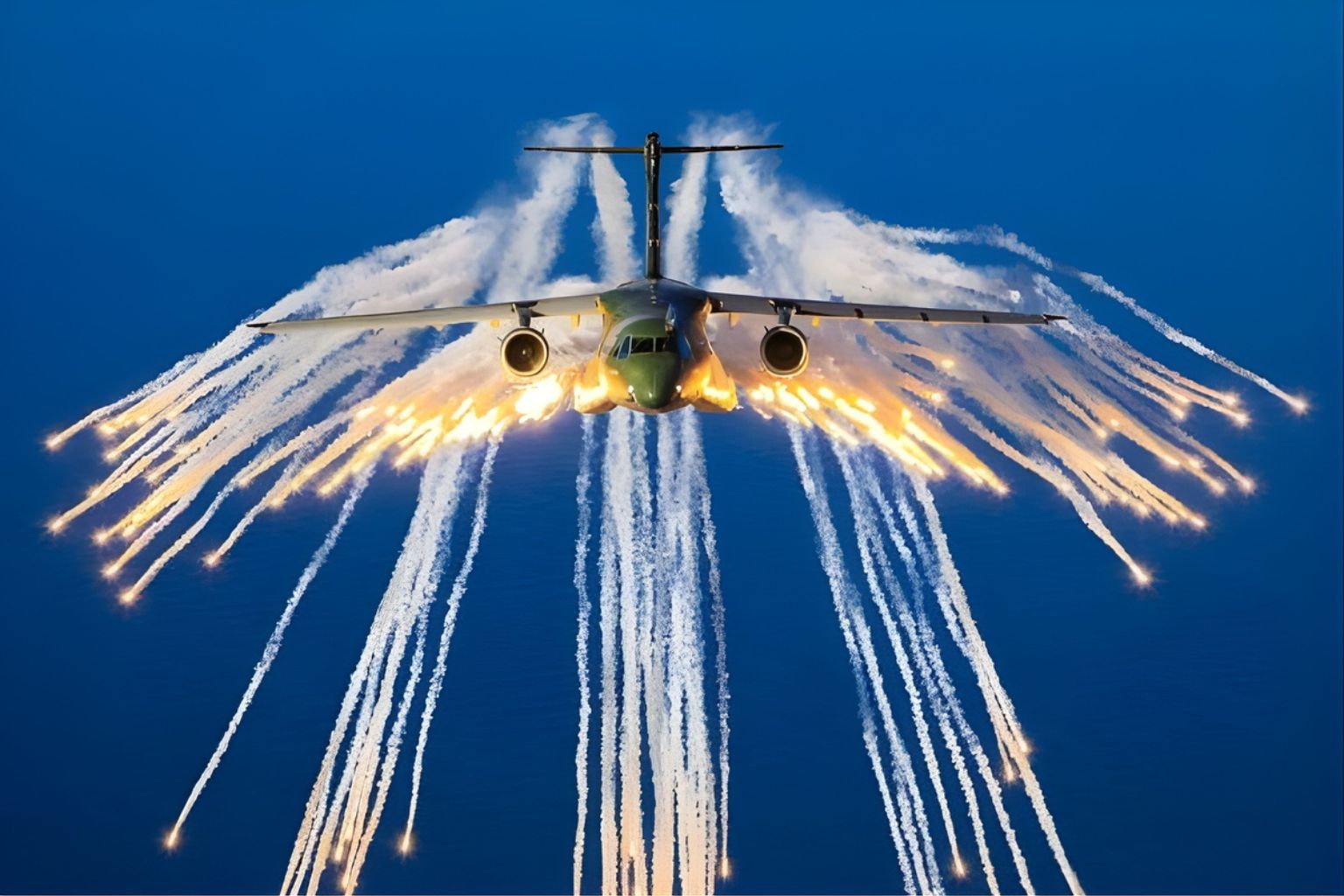
Embraer’s KC-390 transports 26 tons, refuels fighters, and places Brazil among the few countries that export military aircraft.
In 2019, Embraer began the operational service entry of the KC-390 Millennium with the Brazilian Air Force, consolidating a historic milestone for the national aerospace industry. According to official program records and institutional coverage from Agência Brasil, the first aircraft was delivered to FAB in September 2019, marking the beginning of the operation of the military cargo plane developed in Brazil.
Developed in São José dos Campos, the KC-390 was designed for complex logistical missions and to compete directly with established aircraft in the global market. The most relevant data is that the model has a transport capacity of up to 26 tons of cargo and can be configured for in-flight refueling. According to data from Embraer itself and technical documentation of the program, the aircraft combines military transport with aerial refueling capability, placing Brazil among the countries that dominate this technology.
This set of capabilities positions the KC-390 as a multi-mission platform, capable of executing troop transport, cargo, medical evacuation, and aerial refueling operations, representing a significant advance in Brazil’s positioning in the global defense market.
-
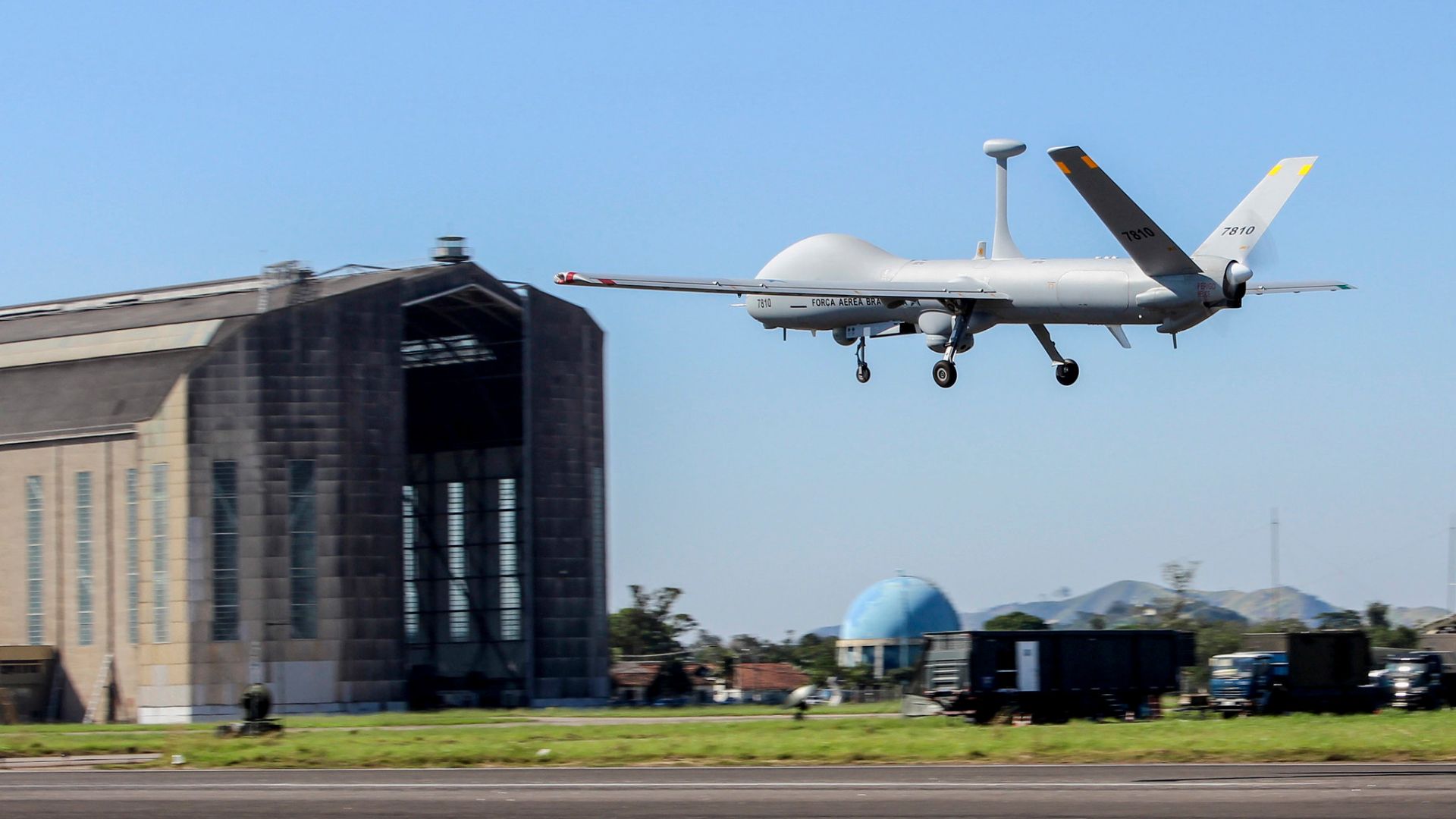
FAB loses Hermes 900 drone during multinational exercise in Mato Grosso do Sul and is left with only one active aircraft, raising concerns about operational fragility and strategic response capability.
-
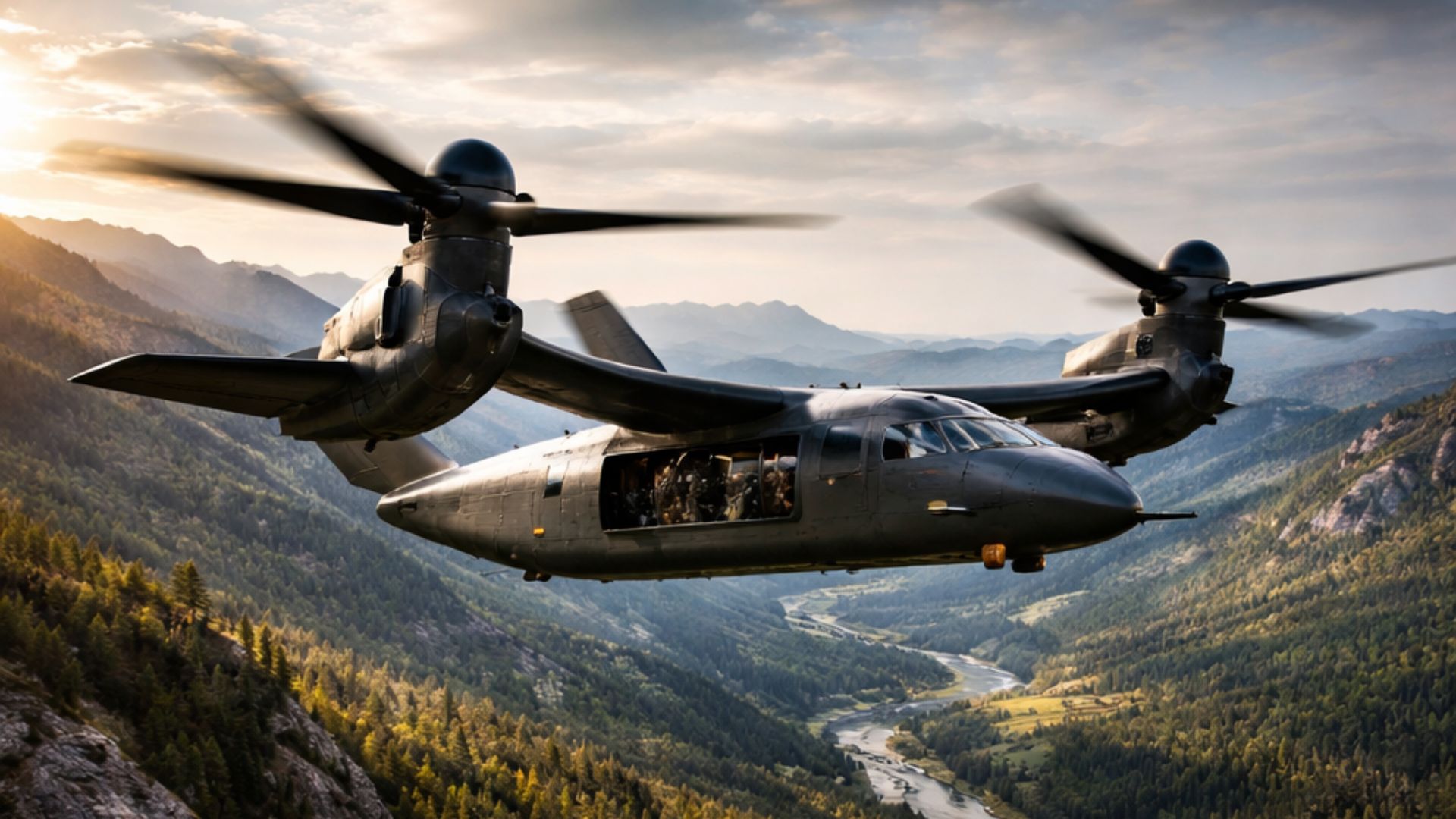
The U.S. Army bets on the multifunctional MV 75 aircraft with cutting-edge technology that promises to revolutionize modern warfare by combining extreme speed, greater range, and unprecedented operational efficiency.
-
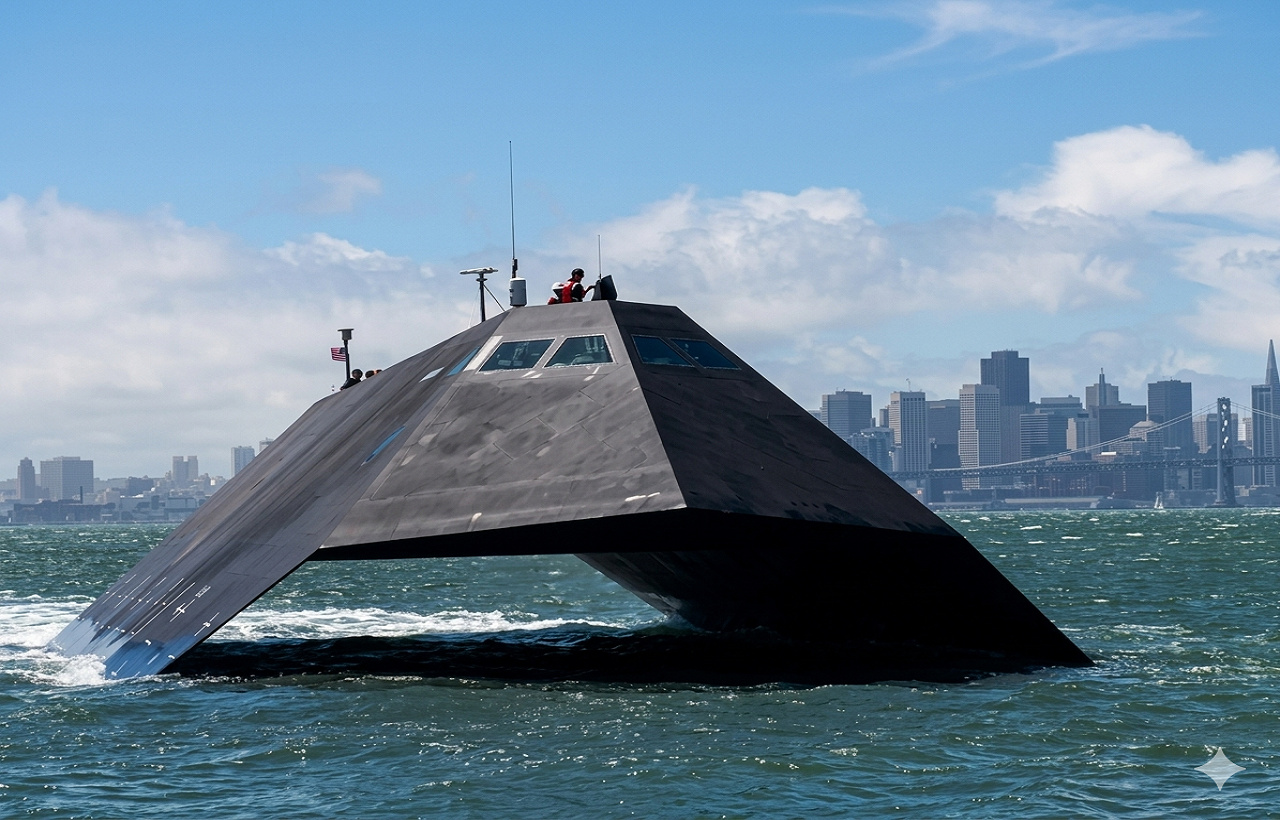
Built in secret inside a barge with a satellite-proof roof, the 49-meter, 560-ton ship with stealth technology deflected radar waves like an F-117 fighter, sailed invisibly for nearly 10 years at night, and, despite costing 170 million dollars, ended up being dismantled and sold as scrap for only 2.5 million.
-
North Korea tests intercontinental range rocket with a 2,500 kN solid fuel engine supervised by Kim Jong Un and advances in a five-year strategic plan.

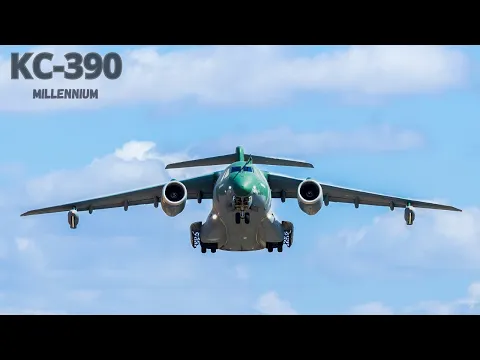
KC-390 development marks a technological leap for the Brazilian industry
The KC-390 project officially began in the 2000s when Embraer identified the need to replace old aircraft and offer a modern alternative to the global market. The development involved international partnerships, advanced engineering, and integration of complex systems.

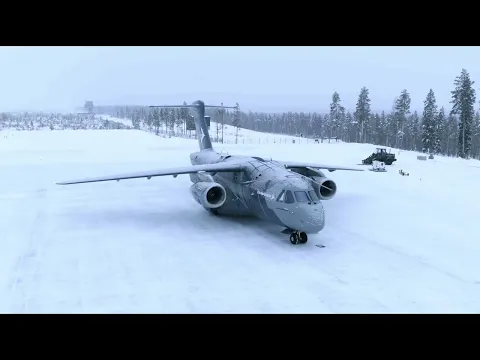
Unlike previous programs, the KC-390 was conceived from the beginning with a focus on export. This required strict certification standards, interoperability with NATO forces, and compatibility with various types of missions.
This level of technical demand elevated the program to a new level, positioning Brazil as one of the few countries capable of developing modern military aircraft to global standards.
26-ton load capacity enhances operational versatility
The KC-390 was designed to transport a wide variety of loads, including military vehicles, heavy equipment, and troops. Its maximum capacity of 26 tons allows it to meet different types of logistical missions.
The aircraft features a wide rear ramp, facilitating the loading and unloading of cargo, as well as allowing operations in hard-to-reach environments. The interior was designed for quick reconfiguration, enabling a switch between cargo transport, troop transport, or medical evacuation.
This operational flexibility makes the KC-390 a multifunctional platform, capable of meeting military and humanitarian demands.
In-flight refueling increases strategic range
One of the most relevant capabilities of the KC-390 is in-flight refueling. The aircraft can operate both as a refueler and as a receiver, extending its range and autonomy.
This feature allows for extended fighter and other aircraft airtime, increasing force projection capability. The system is compatible with international standards, allowing it to operate alongside forces from different countries.
The mastery of this technology is considered strategic and is present only in nations with a high level of aerospace development.
Superior speed differentiates the KC-390 in the global market
Compared to traditional military transport aircraft, the KC-390 has significantly higher speed. While older models use turboprop engines, the Brazilian cargo plane is equipped with jet engines.
This characteristic allows for reduced travel time on long-distance missions, increasing operational efficiency. The higher speed also contributes to greater responsiveness in emergency situations.
This technical differential positions the KC-390 as a modern alternative in a market historically dominated by older models.
Direct competition with the C-130 Hercules redefines the market
The main competitor of the KC-390 is the C-130 Hercules, developed by Lockheed Martin, one of the most widely used military transport aircraft in the world.
The Brazilian model seeks to compete by offering advantages such as higher speed, lower operational costs, and more recent technology. This competition represents an important change in the market, which for decades has been dominated by a few manufacturers.
The entry of the KC-390 increases competition and offers new options for air forces seeking modernization.
Exports to Europe and Asia consolidate international presence
The KC-390 has already been exported to several countries, including Portugal, Hungary, the Netherlands, and South Korea. These contracts demonstrate the international acceptance of the aircraft.
The choice of European and Asian countries reinforces the product’s competitiveness in demanding markets. Interoperability with NATO systems was a decisive factor for these acquisitions. The exports consolidate the KC-390 as one of the main defense products ever developed in Brazil.
Brazil joins an elite group of countries with advanced aerospace technology
The production of the KC-390 places Brazil alongside countries that dominate complex military aviation technologies. Developing, manufacturing, and exporting aircraft of this size requires industrial capacity, technical knowledge, and integration of advanced systems.

This advancement strengthens the country’s position in the international arena and enhances its strategic relevance. The national industry now operates in a highly competitive and high-value-added segment.
The program represents a leap in Brazilian technological autonomy and the capacity for innovation in the aerospace industry.
Economic and industrial impact of the KC-390 program
The development of the KC-390 has also generated significant impacts on the economy. The program involved a broad production chain, with participation from national and international companies.
In addition to generating qualified jobs, the project boosted technological development in areas such as engineering, electronics, and defense systems. The export of the aircraft contributes to the influx of foreign currency and the strengthening of the national industry.
This multiplier effect reinforces the strategic importance of the program for Brazil.
Military and humanitarian applications enhance the aircraft’s relevance
The KC-390 is not limited to military operations. The aircraft can also be used in humanitarian missions, such as transporting emergency aid, medical evacuation, and disaster relief.
Its ability to operate on short and unpaved runways extends its reach in remote regions. This versatility makes the model useful in different scenarios, increasing its attractiveness in the international market. The combination of military and civilian capabilities enhances the strategic value of the aircraft.
The KC-390 Millennium represents one of the greatest technological advances ever made by the Brazilian industry. With high cargo capacity, modern systems, and a growing international presence, the aircraft redefines the country’s positioning in the defense sector.
By competing with established models and gaining ground in demanding markets, the KC-390 demonstrates that Brazil has the capacity to develop complex solutions and operate in one of the most strategic segments of the global industry.








Seja o primeiro a reagir!