





 Portuguese
  English
  Spanish
  3 min of reading
  0 comments


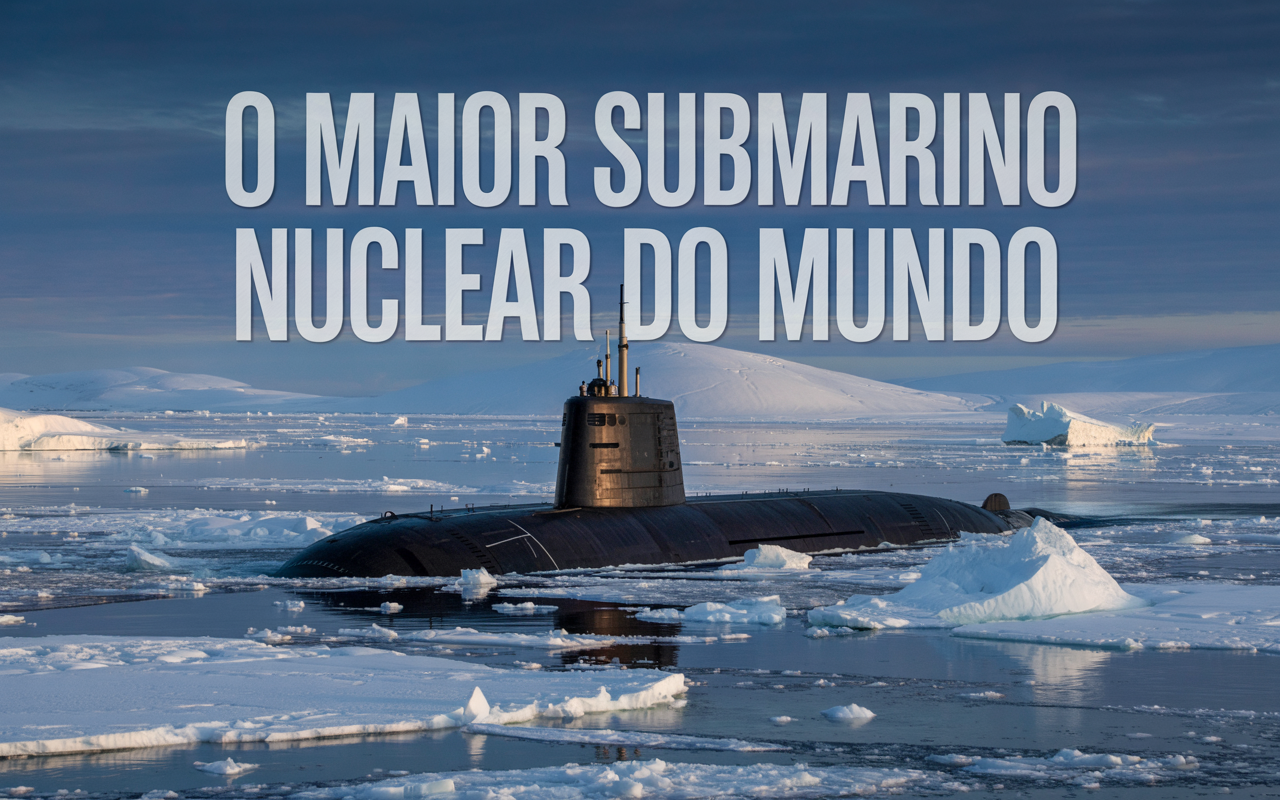


The Project 941 Akula, The Largest Nuclear Submarine in the World, Was Developed by the Soviet Union to Operate in the Arctic and Launch Up to 20 Intercontinental Ballistic Missiles.
The largest nuclear submarine in the world, known as Project 941 Akula and dubbed the Typhoon class by NATO, was developed by the Soviet Union in the late 1970s. Its purpose was to ensure strategic nuclear response capability, even in extreme scenarios like those in the Arctic.
With a displacement of approximately 23,000 tons on the surface and about 48,000 tons submerged, the Project 941 Akula still holds the record as the largest nuclear submarine ever built. Its function was to act as a true submerged bastion, capable of launching ballistic missiles from polar regions, beneath thick layers of ice.
Innovative Project Ensured Unprecedented Resilience and Firepower
The Soviet nuclear submarine was designed with a multiple hull system: two reinforced parallel main hulls supported by smaller hulls, forming a structure with greater resilience and redundancy. This configuration not only enhanced crew safety but also provided sufficient internal space for living areas unusual in submarines of that time, including a gym and sauna.
-
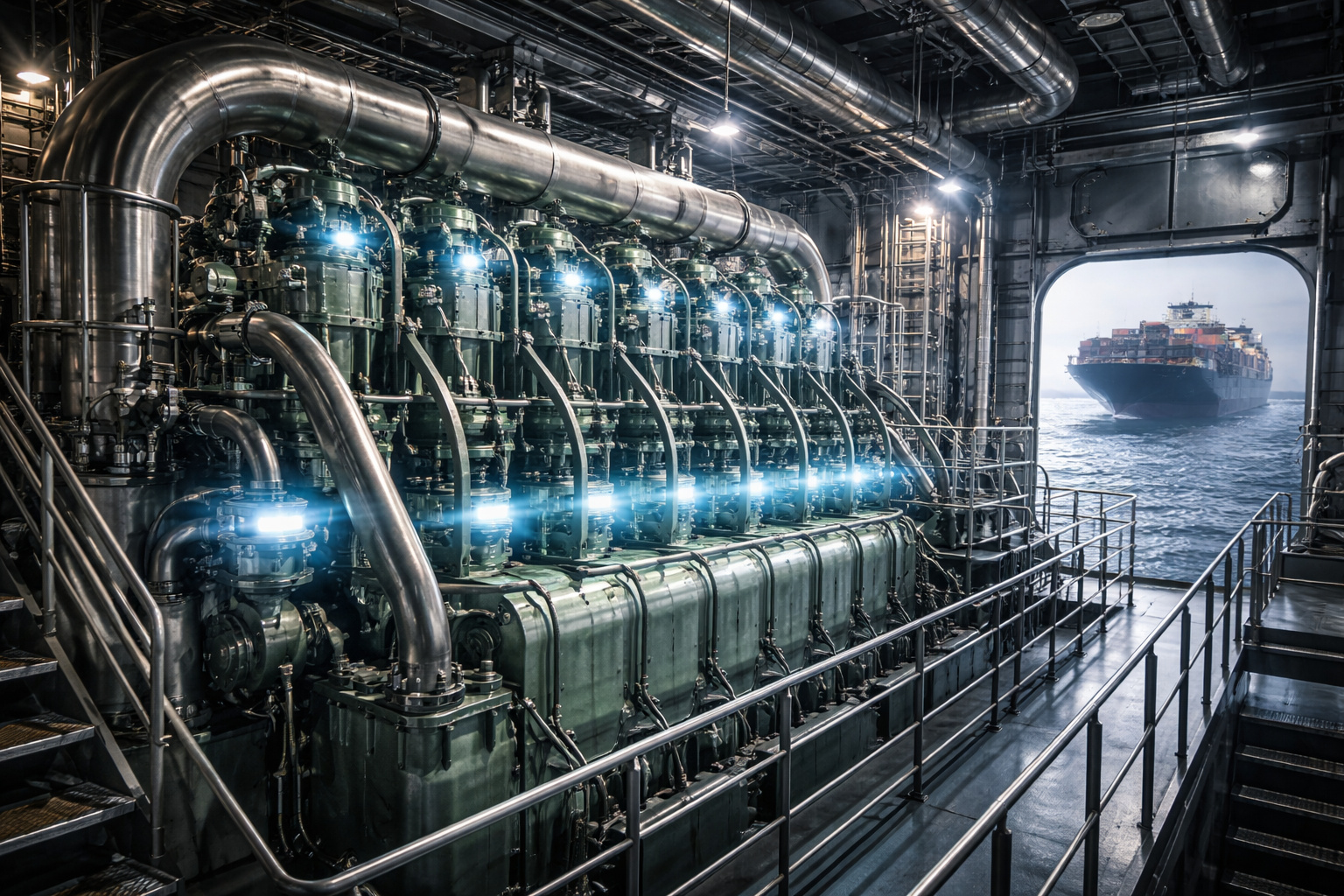
Europe is trying to create an ammonia-powered marine engine without auxiliary fuel, which could unlock the race for giant emission-free ships. The technology aims to eliminate one of the biggest obstacles to clean maritime propulsion.
-
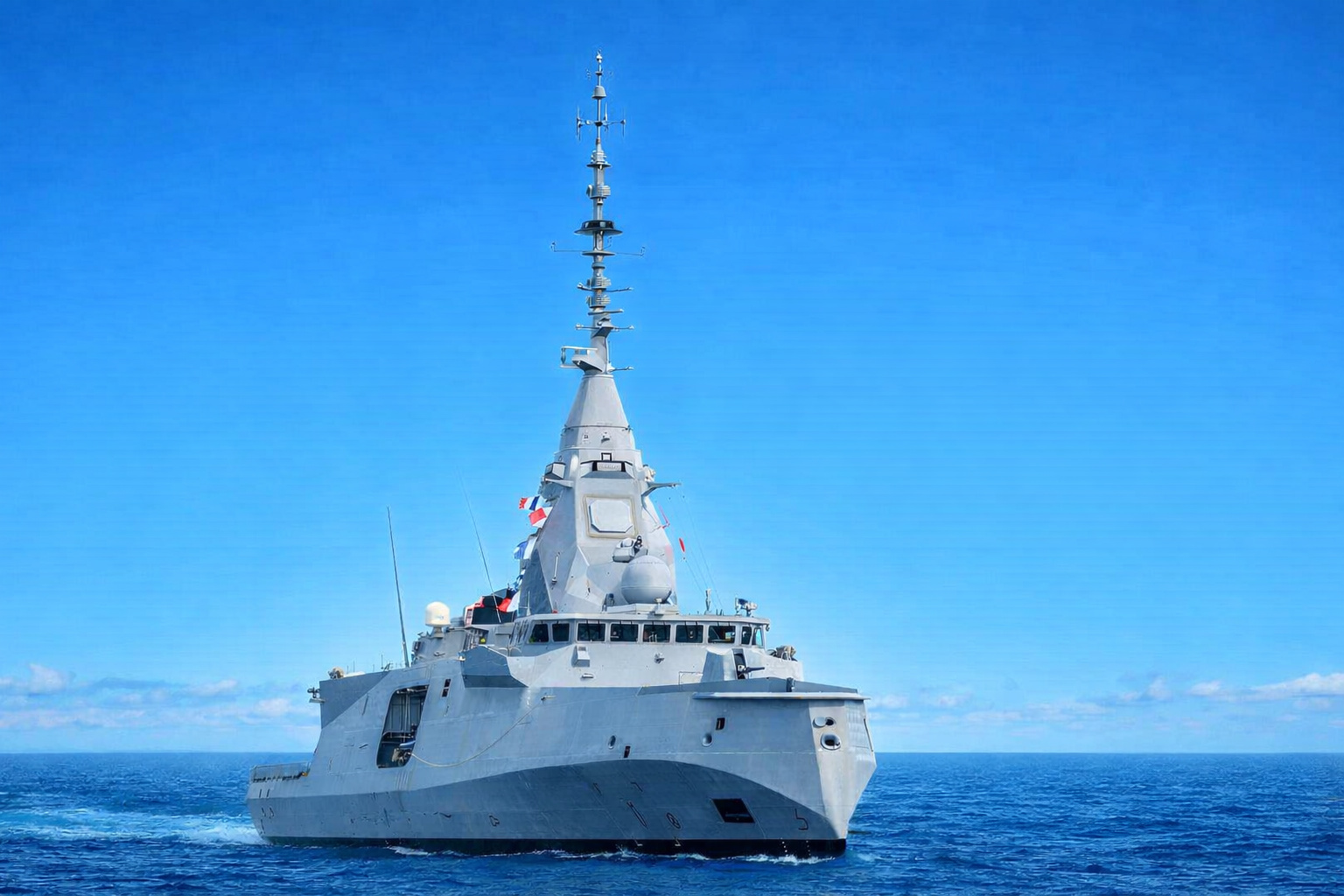
A 4,500-ton frigate with just over 100 crew members, state-of-the-art radar, and cruise missiles is being touted as the new standard of naval warfare in the 21st century.
-
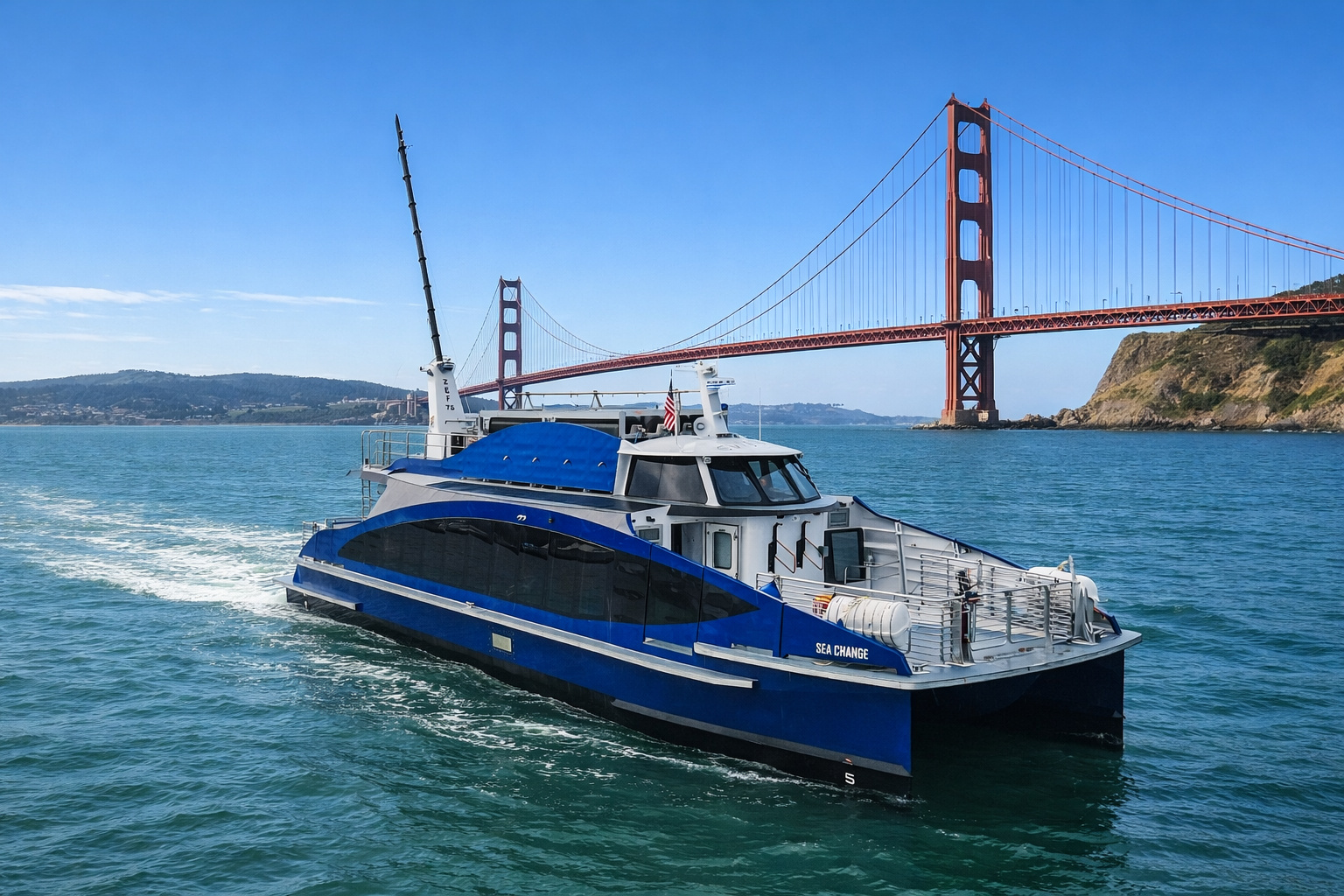
The first commercial hydrogen-powered ferry enters operation in the U.S., eliminates the use of diesel, uses fuel cells to generate clean energy on board, and transforms San Francisco Bay into a landmark of the new era of emission-free navigation.
-
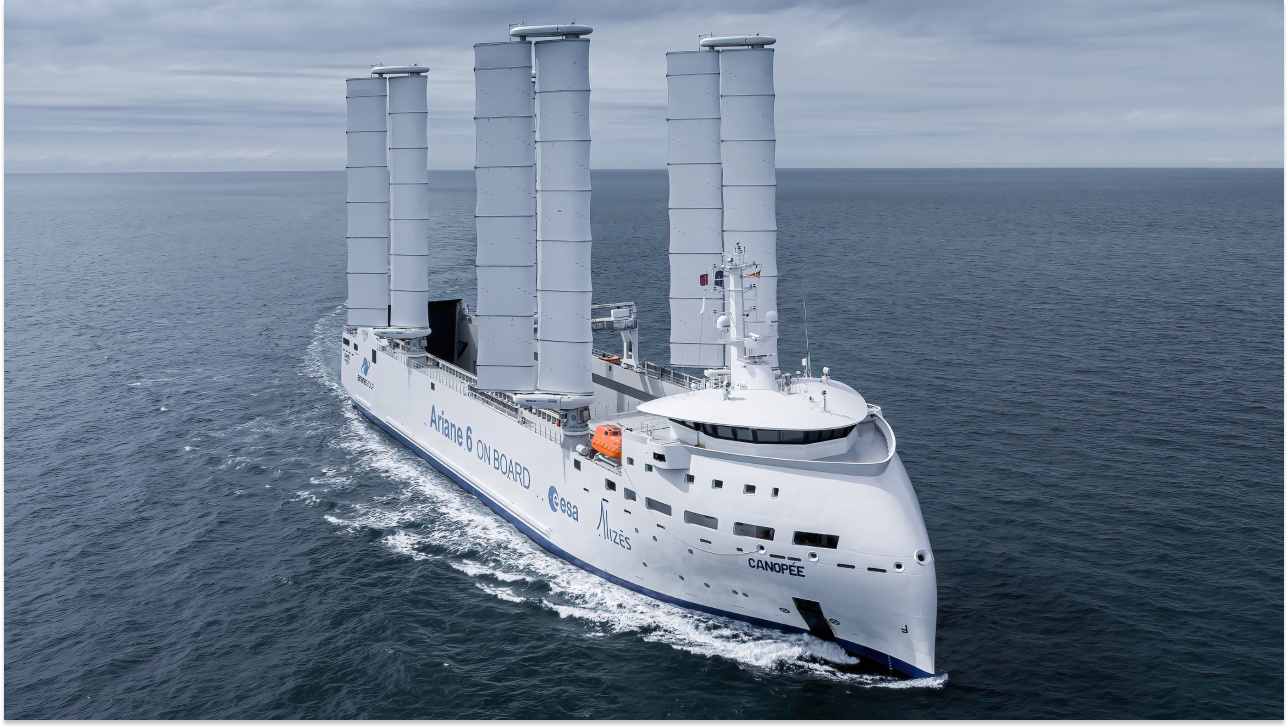
With a length of 121 meters and four rigid sails of 36 meters that automatically rotate to capture the wind, Canopée is the world’s first hybrid industrial cargo ship powered by wind, used to transport rockets and reduce fuel consumption by up to 30% on transoceanic routes.
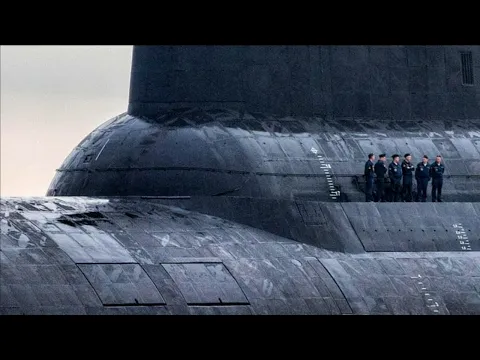

The Project 941 Akula was 175 meters long and over 20 meters wide. Its propulsion was provided by two OK-650 nuclear reactors, allowing the submarine to reach submerged speeds of up to 27 knots and operate for up to 120 days without the need for refueling.
Attack Power Was Centered on Ballistic Missiles
Each unit of the Project 941 Akula was equipped with 20 silos for R-39 intercontinental ballistic missiles (SS-N-20, codename Sturgeon). Each missile could carry up to ten nuclear warheads with the capability to strike targets over 8,000 kilometers away. Additionally, the submarine had six torpedo tubes compatible with various underwater weapons.
The silos were positioned between the main hulls, in an unprecedented configuration for nuclear submarines of the time. This offered greater stability and ease of operation for the missile launchers, even under the Arctic ice.
Performance in the Arctic Was One of the Highlights of the Project
One of the distinguishing features of the largest nuclear submarine in the world was its ability to operate in extreme conditions in the Arctic. The Project 941 Akula could navigate under polar ice caps and break through the ice, allowing for the launch of ballistic missiles even in situations of global confrontation. This capability reinforced the Soviet Union’s deterrence doctrine during the Cold War, ensuring that its submarines could respond to an enemy nuclear attack from remote and difficult-to-track locations.
The reinforced hull structure and the navigation and sensing systems were adjusted for operations in the polar environment, with increased resistance to ice and better maneuvering capabilities in waters covered by frozen layers.
Decommissioning Marked the End of an Era in Naval Engineering
Six submarines of the Project 941 Akula were built between 1976 and 1989. The first, TK-208, was named Dmitriy Donskoy. With the end of the Cold War and nuclear disarmament treaties, the submarines were gradually decommissioned.
The Dmitriy Donskoy was the last to be in operation, used as a test platform for new missiles, such as the Bulava, until it was retired in 2023. The other submarines were dismantled or stored, marking the end of the largest class of nuclear submarines ever built.
The Legacy of the Largest Nuclear Submarine in the World
The Soviet submarine of the Typhoon class became an icon of military engineering in the 20th century. Aside from its record size and power, the Project 941 Akula symbolized the peak of the submarine arms race and the quest for supremacy at sea, particularly in scenarios like that of the Arctic.
The image of the largest nuclear submarine in the world transcended technology. It served as inspiration for books, movies, and video games, such as in the case of the novel The Hunt for Red October by Tom Clancy and its film adaptations.







I’m constantly impressed by your ability to inform and inspire.