





 Portuguese
  English
  Spanish
  5 min of reading
  0 comments


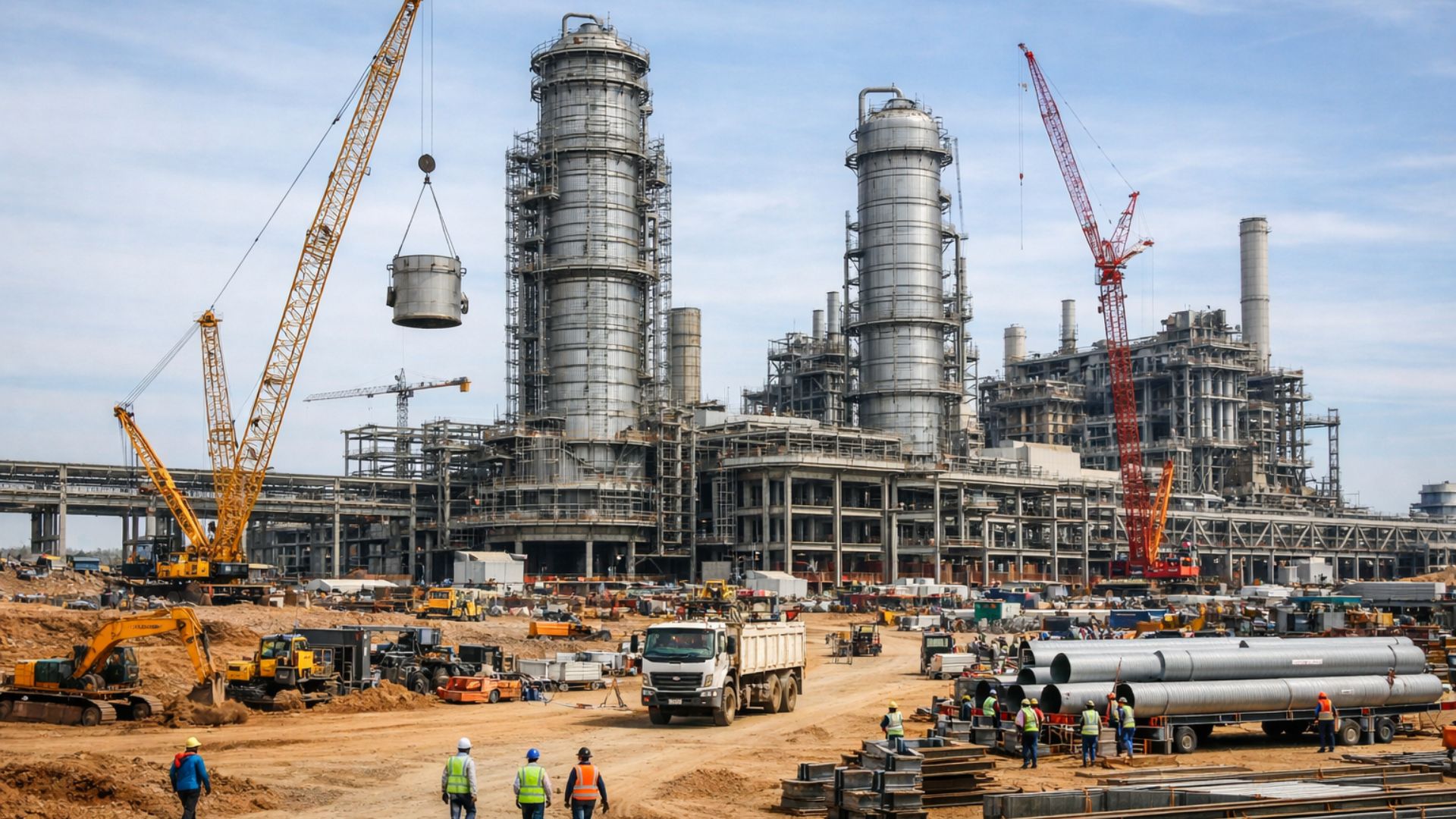
Industrial megaproject advances in Mato Grosso do Sul with billion-dollar investment, massive job creation, and unprecedented structure in the cellulose sector, combining large-scale production, renewable energy, and logistical expansion that is already transforming the regional economy even before the start of operations.
Arauco is maintaining the construction of the Sucuriú Project in Inocência, in the east of Mato Grosso do Sul, announced as the largest cellulose factory in the world built in a single phase.
With an investment of US$ 4.6 billion, a value that has already been converted by official sources to something between R$ 23 billion and R$ 25 billion, the plant will have the capacity to produce 3.5 million tons per year, in addition to operating with its own energy generation and a forest base of 400 thousand hectares of eucalyptus.
The most recent forecast released through official channels indicates the start of operations by the end of 2027.
-
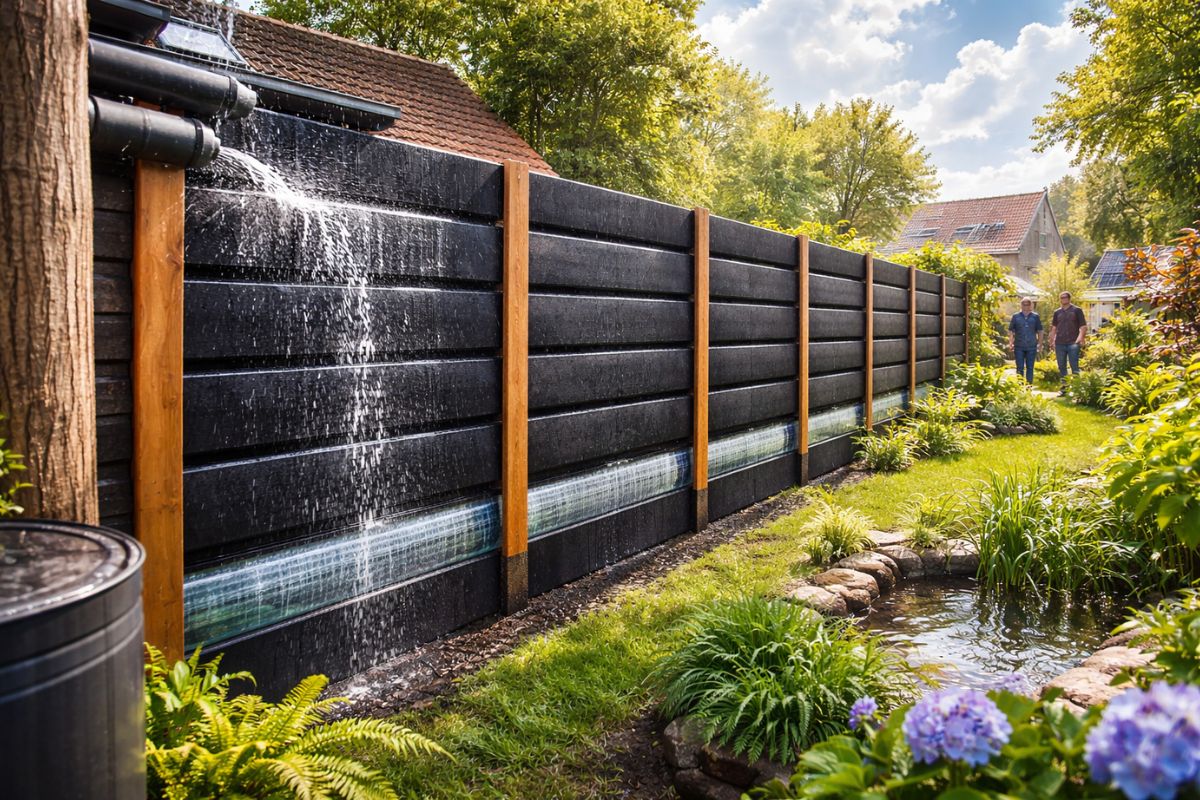
Dutch people are replacing common fences with “rain fences,” fences that store rainwater in the garden: up to 2,160 liters, relieving the sewage system during storms and helping to cope with drought in the summer.
-
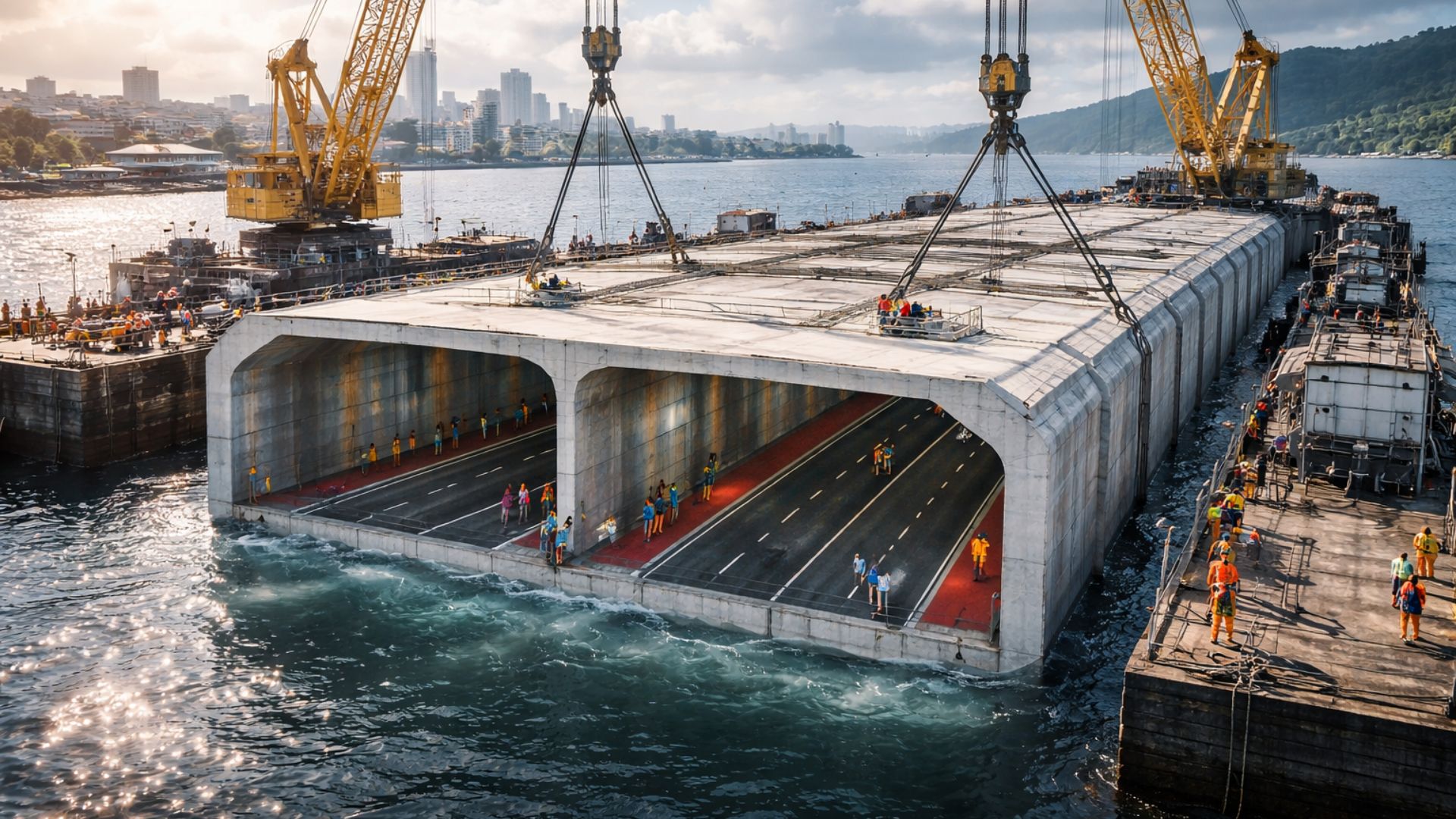
The first underwater tunnel in the history of Brazil will cost nearly R$ 7 billion, with R$ 5.2 billion in public funds, will reduce the crossing time to 5 minutes, and is progressing amid political disputes, obstacles from the TCU, and is scheduled for completion by 2031.
-
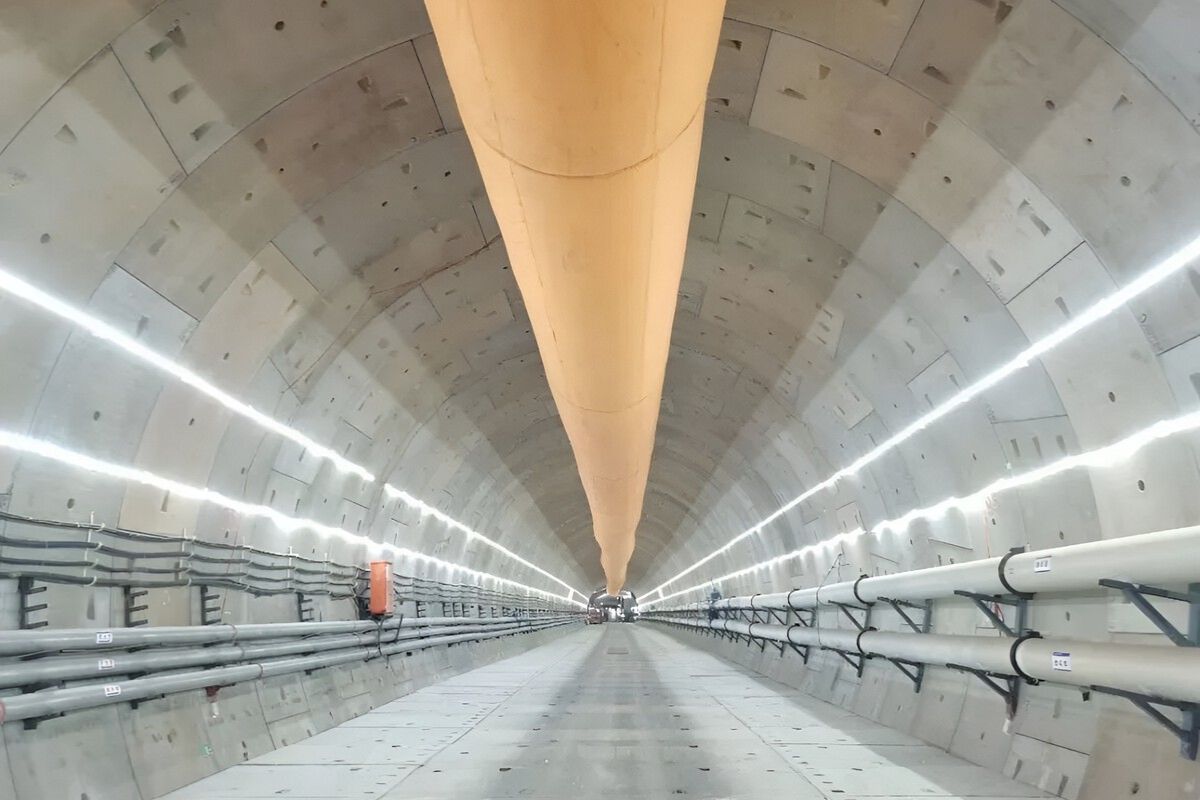
China digs a submarine tunnel for high-speed train and reaches 113 meters below the seabed, facing 13 layers of soil, fault zones, and intense pressure at the mouth of the Pearl River.
-
A R$ 600 million project at the Port of Paranaguá reaches 95% completion and may become a white elephant: The nearly finished Moegão still faces a real risk of idleness and operational delays.
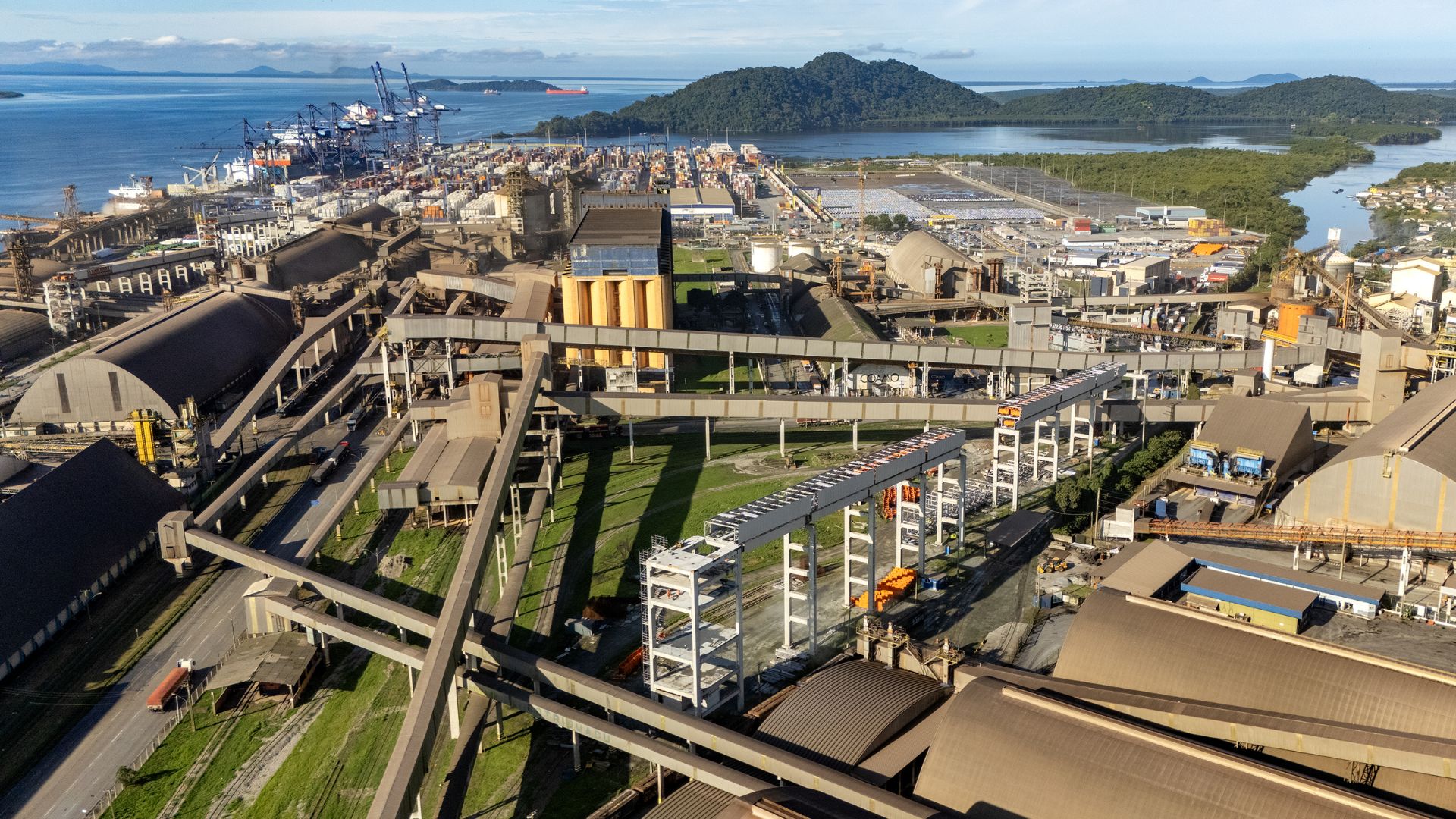
Installed in an area of 3,500 hectares, about 50 kilometers from the center of Inocência and along the banks of the Sucuriú River, the project is treated by the company as the largest investment in its history in the country.
The factory will be Arauco’s first cellulose unit in Brazil and is expected to have direct impacts on the regional economy, especially in the industrial, forestry, and logistics fronts, which have begun to be structured in parallel with the plant’s implementation.
Progress of the cellulose factory construction in Mato Grosso do Sul
The construction has entered a phase of gradual expansion since 2025.
In March of that year, the government of Mato Grosso do Sul reported that 3,800 workers were already directly involved in the Sucuriú Project.

Shortly after, at the groundbreaking ceremony on April 9, 2025, the state management reported that construction was already mobilizing more than 3,000 people and that the peak of hiring was expected to occur by the end of that year.
In an update released by Arauco itself in March 2026, the company highlighted the progress of the project’s structures, with specific mention of the advanced stage of two viaducts linked to the project.
Although the available public material does not detail a complete balance by execution percentage, the release reinforces that the construction is ongoing and that visible structural fronts have already been consolidated on site.
In addition to the industrial core, the project is advancing surrounded by a support network that helps to size its scale.
In February 2026, the state government announced the start of construction of a private shortline railway of about 45 kilometers, planned to connect Arauco’s plant to the Northern Network and facilitate the flow of production to the Port of Santos.
The estimated investment in this branch is R$ 1.2 billion, which expands the logistical scale of the complex even before the factory begins operations.
In the same infrastructure front, the implementation of a 125-kilometer gas pipeline was also formalized, with an investment of R$ 170 million, aimed at meeting the energy demand during the construction phase and later, the stable operation of the unit.
According to MSGás and Semadesc, the schedule foresees the start of works in April 2026 and completion in August 2027, in a movement that shows that the factory is being structured alongside the external systems necessary to support its large-scale operation.
Capacity for cellulose production and clean energy
The new plant has been designed to produce 3.5 million tons of market cellulose annually, a number that places it at the top among projects in the sector conceived in a single line.
The operation has also been presented by the company based on automation resources and digital integration associated with the so-called Industry 4.0, with process controls, connectivity, and training simulators aimed at operational safety and efficiency in the use of inputs.
Another central axis of the project is energy.
Arauco states that the unit will have a generation capacity exceeding 400 megawatts, of which about 200 MW should meet internal consumption.
The surplus, according to the company and the federal government, will be directed to the national system, which transforms the factory not only into a large industrial plant but also into a cogeneration asset with potential for external supply.
This energy design is associated with the utilization of by-products from the industrial process.
In the official communication of the project’s launch, the federal government stated that the waste generated in the cellulose production chain will be used to sustain this electricity generation capacity.
The strategy helps explain why the project has been presented as an investment with industrial and logistical profiles, but also linked to bioeconomy goals and the use of renewable sources.
Jobs and economic impact in Inocência (MS)
Arauco’s forecast is to reach 14 thousand job opportunities at the peak of construction.
After the start-up, the official estimate is for around 6 thousand jobs in the industrial, forestry, and logistics areas, totaling direct vacancies and effects associated with the permanent operation of the enterprise.
These numbers appear consistently in the communication of the company, the state government, and the federal government, which gives consistency to the central data on labor.
The expected impact goes beyond the construction site.
In March 2025, a supplier meeting held in Inocência brought together about 200 participants, with the presence of companies from Mato Grosso do Sul and neighboring states interested in meeting demands related to the construction.
The state government highlighted, on that occasion, the shortage of labor and services in areas such as food, cleaning, housing, and transportation, indicating that the economic pressure from the project was already spreading beyond the factory limits.
In the state’s assessment, the installation of the unit is expected to more than triple the GDP of Inocência, a municipality that has become more explicitly incorporated into the so-called Cellulose Valley of southern Mato Grosso do Sul.
The official bet is that the project will consolidate a new stage of regional industrialization, supported by railway logistics, an extensive forest base, and increased productive scale in a sector where Mato Grosso do Sul has already become a strategic hub.
Numbers of the Sucuriú Project and investment dimension
The official data from the Sucuriú Project help to size why the construction has become a landmark for the sector.
The confirmed investment is US$ 4.6 billion. The projected capacity reaches 3.5 million tons per year.
The forest base involves 400 thousand hectares of eucalyptus. The announced energy self-sufficiency is 400 MW of clean energy and the enterprise occupies an area of 3,500 hectares in the municipality of Inocência.
With this set of numbers, the ongoing construction ceases to be just another industrial expansion and begins to represent a territorial and economic reconfiguration of the region.
The scale of the plant, the associated infrastructure package, and the need for services in the surrounding area show that the progress of the construction is already producing concrete effects even before the first ton of cellulose leaves the production line.







Seja o primeiro a reagir!