





 Portuguese
  English
  Spanish
  3 min of reading
  0 comments


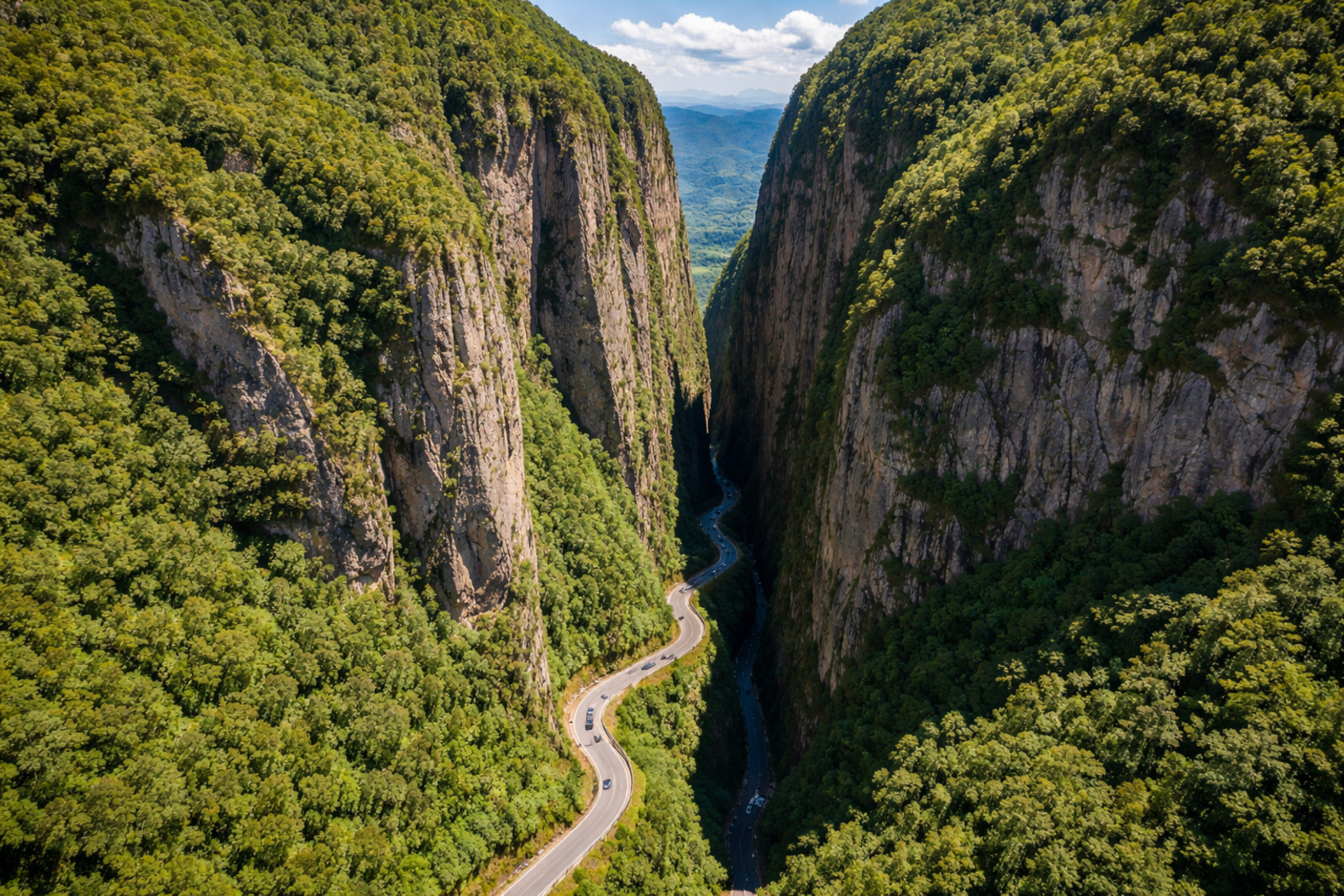
In the Serra do Corvo Branco, in Santa Catarina, a 90-meter fissure cuts through 160-million-year-old rock and reveals the Guarani Aquifer
On the border between Urubici and Grão-Pará, the Serra do Corvo Branco features a 90-meter fissure in 160-million-year-old rock, the road inaugurated on February 19, 1980, and the first road connection between the mountain and the coast of Santa Catarina.
Name originated from a mistake
The Serra do Corvo Branco got its name due to a mistake repeated by ancient residents.
They spotted a large bird with white plumage and colorful details and began to call it the white crow.
-
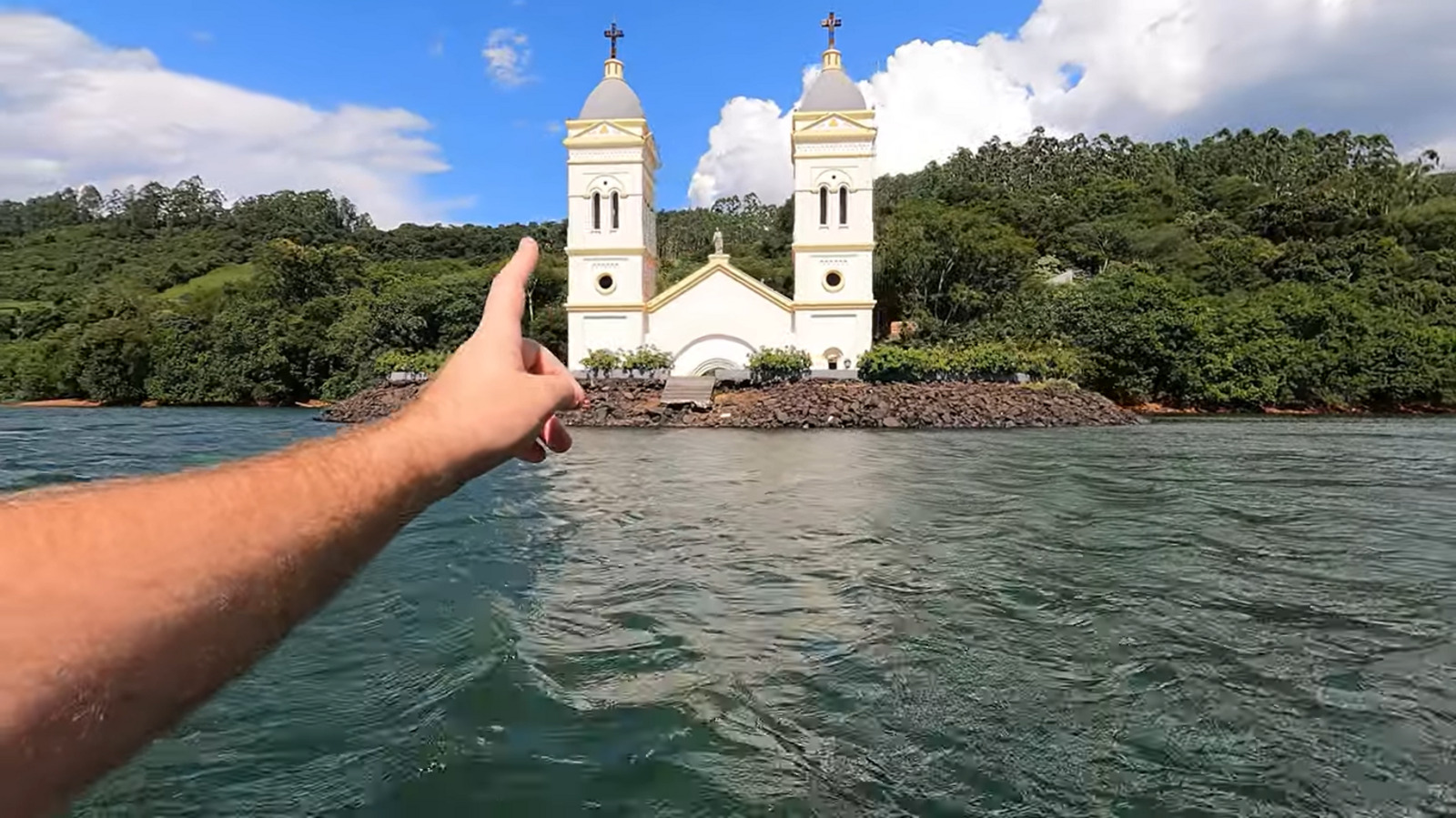
An entire city sank in the Uruguai River, and about 15,000 residents had to leave, but the towers of the old church in Itá still rise from the waters in western Santa Catarina as a symbol of memory and rebirth.
-
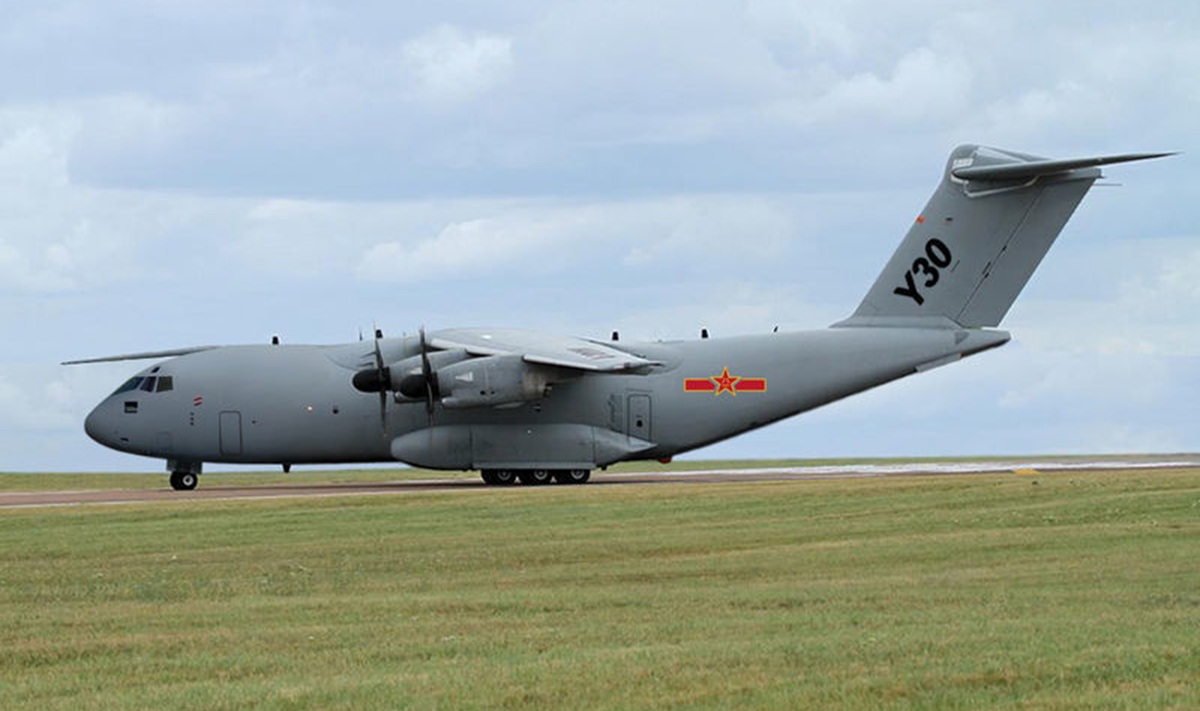
China launches the Y-30, an aircraft with four turboprop engines, a spacious cabin, and a capacity of 30 tons, while local analyses suggest that it surpasses the famous C-130J and could change military transport in remote islands and mountains.
-
Mothers stop paying taxes forever, government creates a package with 7 measures, expands benefits, releases credit, and tries to reverse the population decline that threatens the future of Europe.

-
Sahara dust crosses the Atlantic as a band of 37 million tons of algae spreads from Africa to the Caribbean: what is happening in the ocean and in the air can be seen from space and affects the health of millions of people.

In fact, it was the king vulture, Sarcoramphus papa, a species from the Serra Geral that nests on the rocky cliffs of the region. The nickname became the official name.
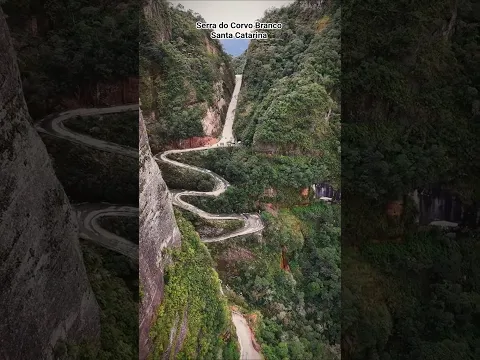

The road opened the mountain
The construction of the road began before the 1950s, with manual labor from volunteers armed with pickaxes.
The 90-meter fissure in the basaltic and sandy rock was opened with a single bulldozer, in a process that took decades.
The work was inaugurated on February 19, 1980, and created the first road connection between the mountain and the coast of Santa Catarina.
The SC-370, Pedro Kuhnen Highway, spans 57 km between Grão-Pará, at 110 m altitude, and Urubici, at 915 m.
There is an elevation difference of 805 meters, 28 km of ascent, 180-degree curves, and sections where trucks need to maneuver three times to pass.
The opening of the cut broke an aquifer, explaining the water flowing from one side of the cliff and its absence on the other.
Rock exposes geological history
The rock formation of the Serra do Corvo Branco is estimated to be 160 million years old. The cut made visible layers of sandstone and basalt that tell the geological history of southern Brazil.
The mountain is one of the few places in the country where it is possible to observe the outcrop of the Guarani Aquifer with the naked eye.
This underground reserve of fresh water extends across four South American countries and appears at the site due to the exposure caused by the opening of the mountain.
Local reports indicate that, after the opening of the fissure, the average temperature in Urubici changed by about 3 degrees, depending on the season.
The change was associated with the alteration in air flow between the plateau and the coast, making the mountain function as a natural chimney between two climates.
What to see in Corvo Branco
The Serra do Corvo Branco holds one of the most scenic and challenging roads in Santa Catarina.
The Fissure of the Serra is the most photographed spot. Two 90-meter cliffs open over the road, with the best light at noon.
On the plateau above the fissure, the Altos do Corvo Branco Park features six panoramic viewpoints. Two are glass platforms over the gorge, inaugurated in 2022.
From the park, it is possible to see the Espraiado Canyon, the Campo dos Padres, the Canoas River Valley, and the coast.
Partial access and cold climate
The climate is cold for most of the year, with frequent frosts in winter and the possibility of snow in the coldest months.
The altitude of 1,400 meters and the constant wind require a jacket even in summer.
Starting from Urubici, access via SC-370 totals 30 km, with 25 km paved and the final 5 km of dirt with potholes.
Florianópolis is 196 km away, Blumenau is 267 km away, and Curitiba is 476 km away.
Since March 2025, the section below the fissure, on the Grão-Pará side, has been undergoing paving works and remains blocked to traffic.
From the Urubici side, it is still possible to reach the fissure normally, in a landscape that misleads by name and surprises with the grandeur of the mountain throughout Santa Catarina.
With information from Correio Braziliense.






Seja o primeiro a reagir!