





 Portuguese
  English
  Spanish
  5 min of reading
  13 comments


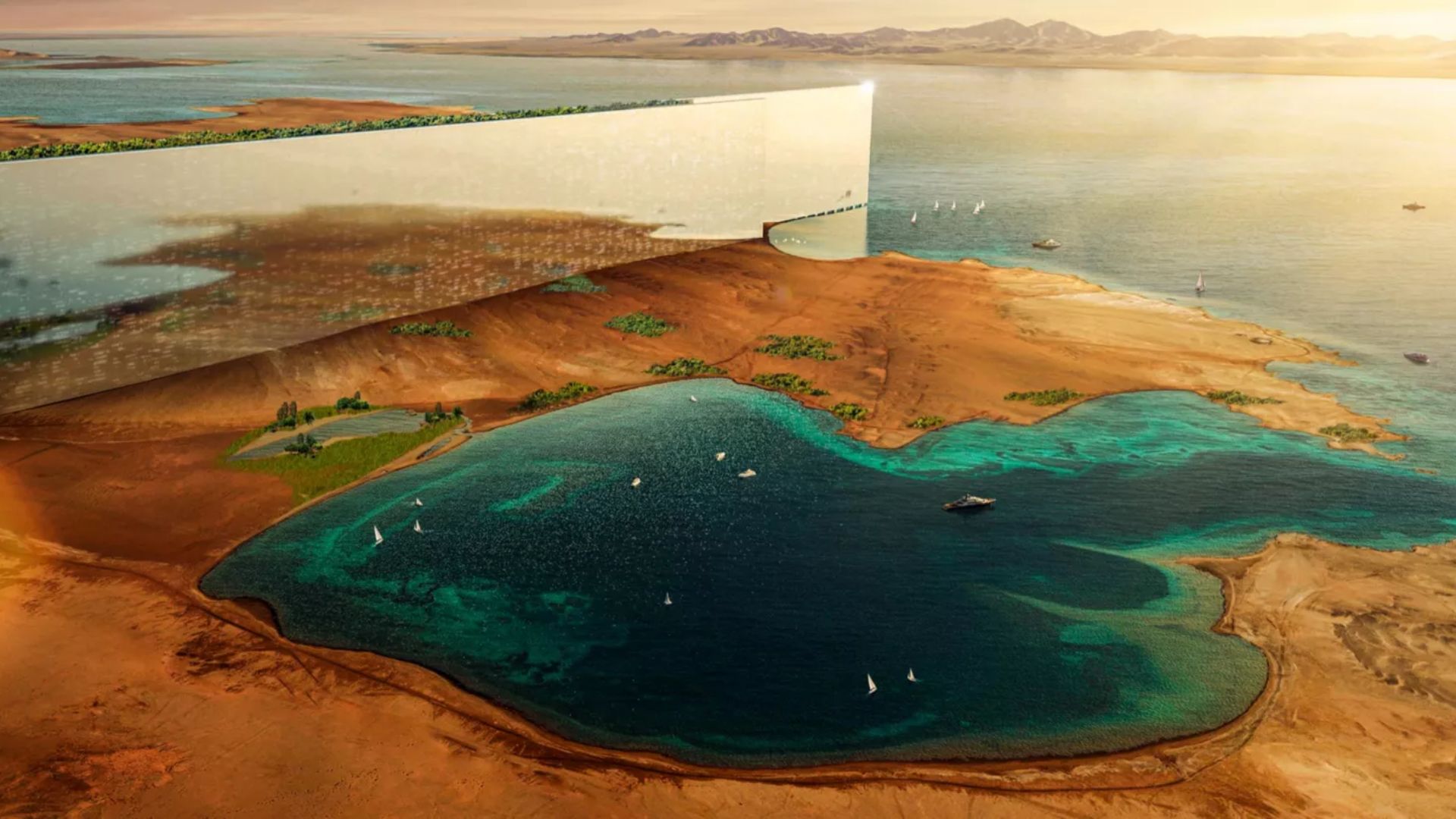


In The Saudi Arabian Desert, Rises A Mirrored City 170 Km Long Without Cars Or Pollution, Where Technology, Luxury And Sustainability Unite To Create A New Model Of Civilization
Erected like a monumental mirror in the middle of the Saudi Arabian desert, The Line is more than a building: it is an attempt to completely reinvent the way humanity lives. With 170 kilometers in length, 500 meters in height and 200 in width, the mega project aims to be the most technological and sustainable city on the planet, without streets, cars or carbon emissions.
The structure, part of the NEOM initiative, was conceived to house up to 9 million people in a single self-sufficient urban corridor. It is the heart of the “Vision 2030” plan, led by Crown Prince Mohammed bin Salman (MBS), which aims to transform Saudi Arabia into a global symbol of innovation and clean energy.
A Linear City That Redefines The Concept Of Urbanism
Unlike any other construction in the world, The Line is a continuous linear city, designed to function as a vertical urban corridor.
Each segment houses stacked neighborhoods, residential zones, work centers, green areas, and leisure spaces — all connected by a high-speed underground transportation network that will traverse the entire city in just 20 minutes.
-
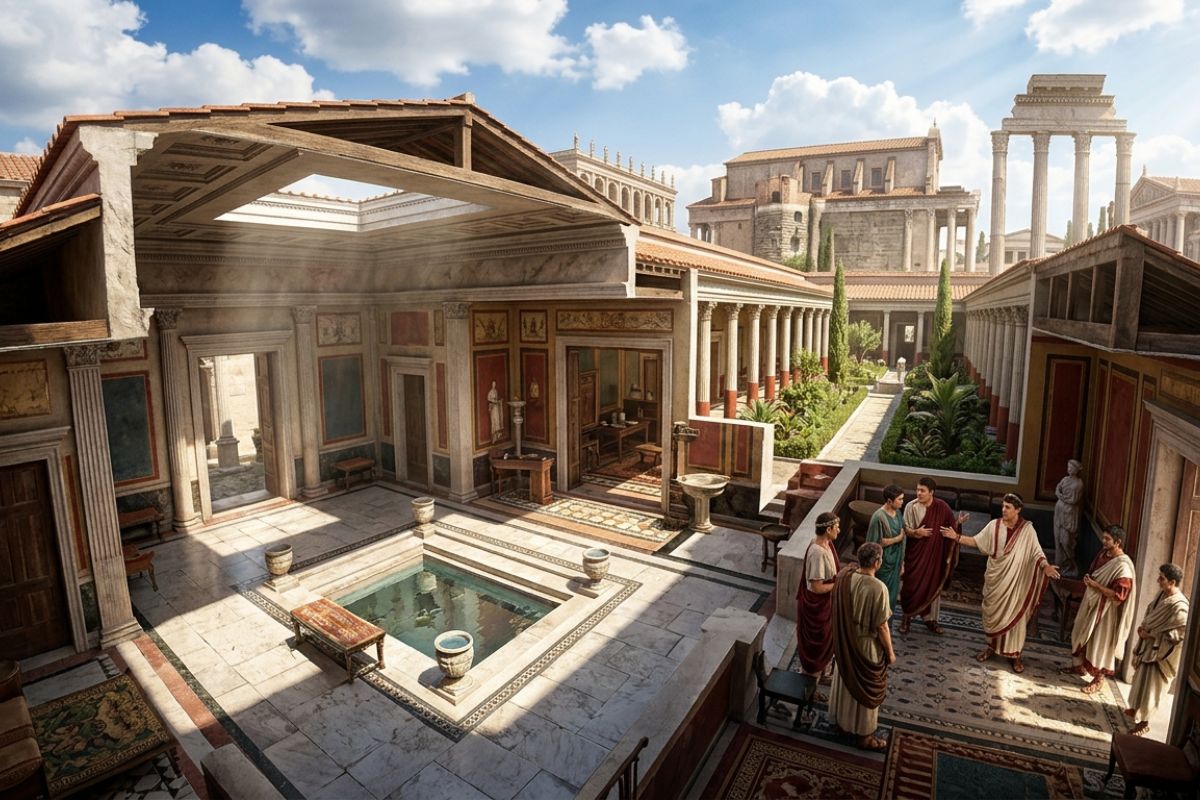
What the Public House of Julius Caesar was like inside in the Roman Forum: layout, atrium with compluvium and impluvium, tablinium and peristyle, and the scandal of the Bona Dea, revealed in an AI recreation.
-
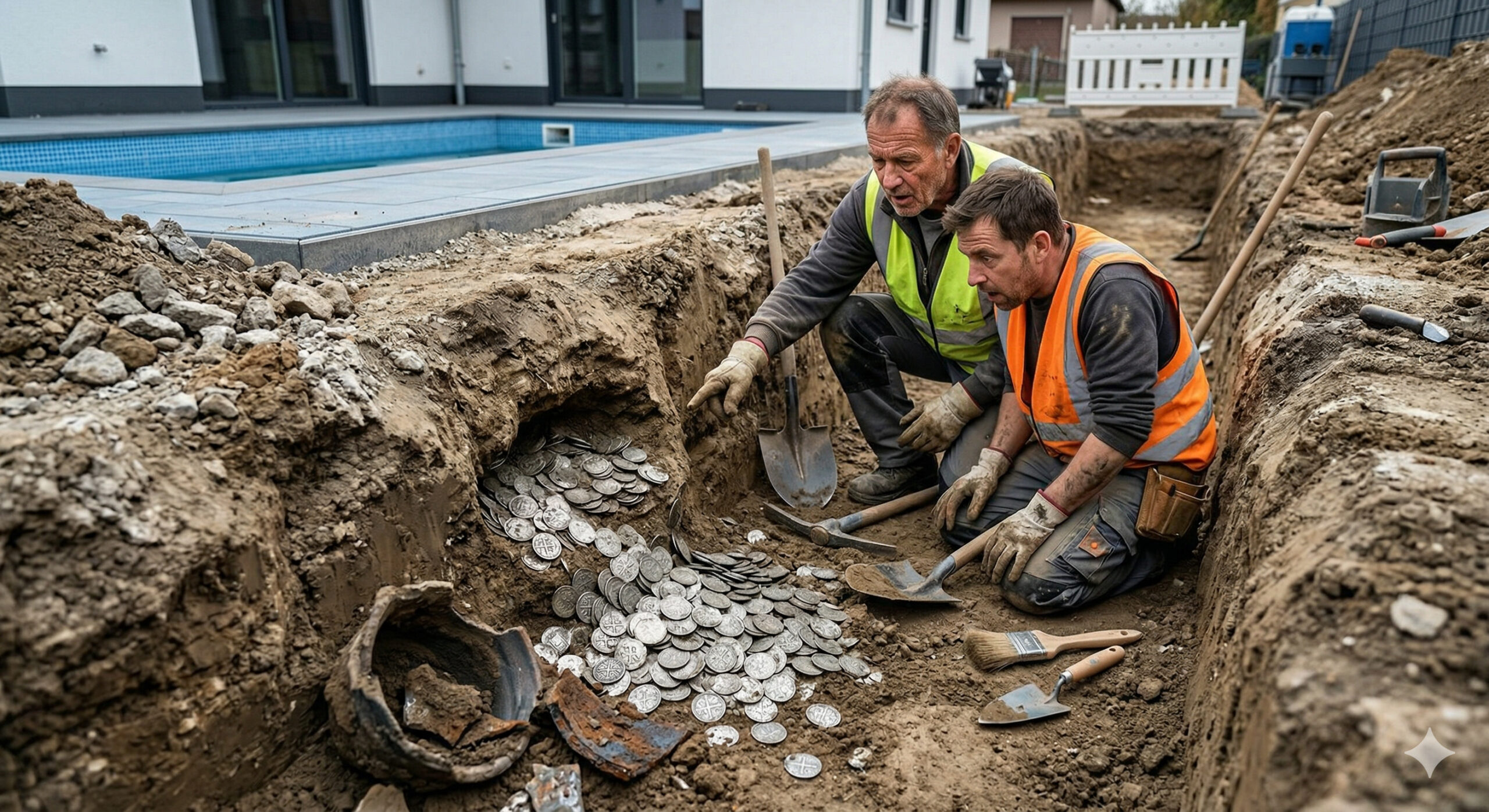
While digging a trench next to a pool in Germany, workers found more than 1,500 silver coins from 1320 in the rubble, revealing a treasure buried for over 700 years.
-
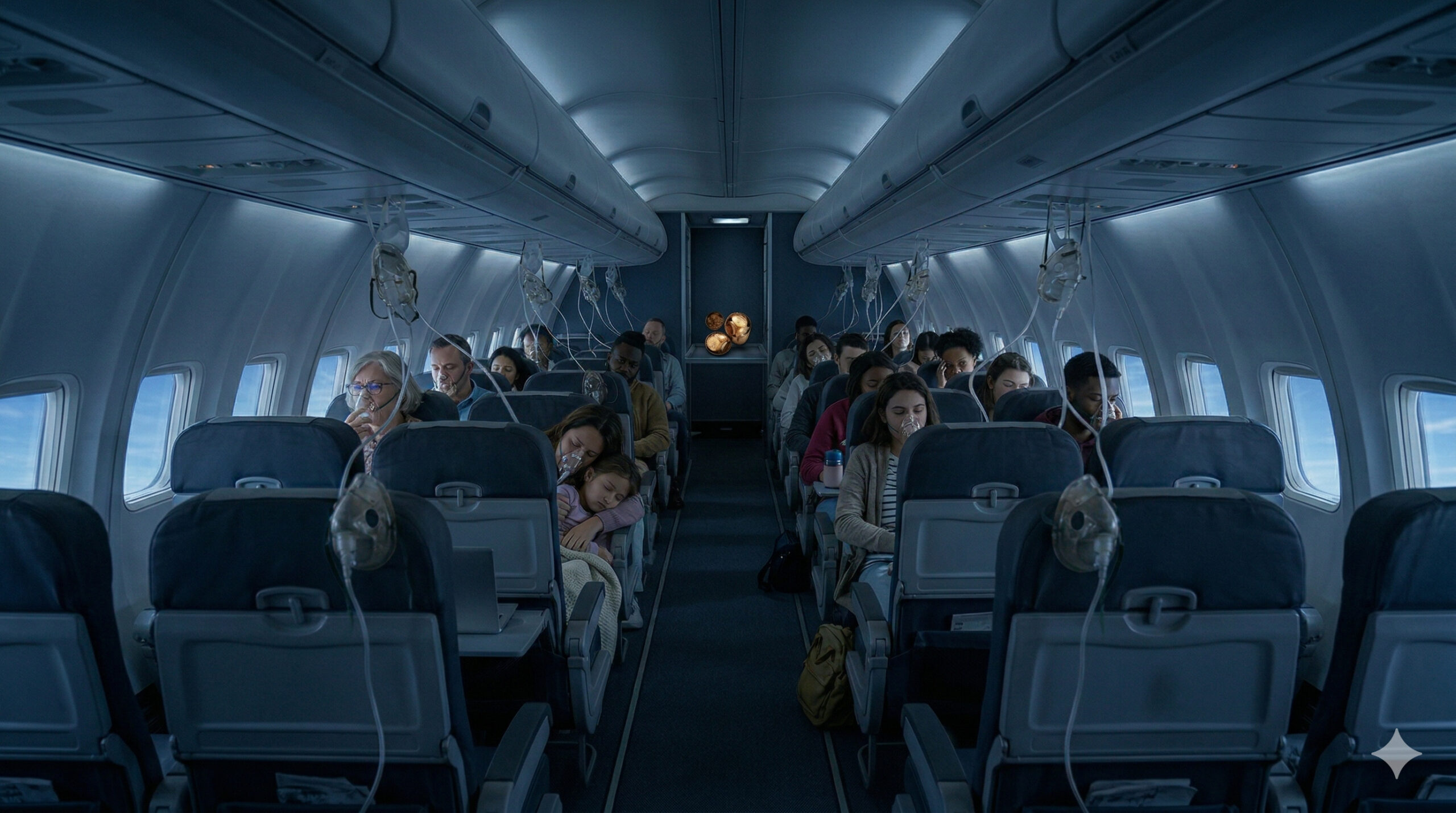
Flight Helios 522, the “ghost” flight with 121 people: the commercial aircraft flew for more than 2 hours on autopilot after a pressurization failure left pilots and passengers unconscious and only stopped when it ran out of fuel.
-
Researchers have located a nearly intact vessel that disappeared 125 years ago on the bottom of icy waters, with masts still preserved and rare details that impress archaeologists.

The project eliminates streets and traditional vehicles: mobility will be provided by electric trains and automatic elevators. The promise is that no resident will need to walk more than five minutes to access schools, hospitals, markets, or parks.

Mirrors, Light And Desert: The Most Futuristic Visual Ever Built
The façade of The Line will be completely clad in mirrored panels, reflecting the dunes and the sky of the desert, creating the illusion of an infinite glass blade cutting through the horizon. From a distance, it will look like a mirage — but inside, the environment will be fully air-conditioned and digitally controlled.
Lighting and temperature will be adjusted by smart sensors and AI systems that simulate a constant ideal climate. The concept is for inhabitants to live in a “perfect environment”, without extreme heat, noise, and with natural light filtered by algorithms.
100% Renewable Energy And Total Control By Artificial Intelligence
The entire operation of the city will be powered by solar and wind energy sources, with integrated storage systems. NEOM promises zero carbon emissions, complete water recycling, and waste repurposing.
The digital infrastructure will be controlled by a central AI system, capable of learning behavioral patterns and anticipating the needs of residents — from energy consumption to mobility.
The idea is to create a living, self-adapting, and sustainable city where human comfort is optimized by algorithms.


The Ultimate Symbol Of Saudi Ambition
The Line is the flagship of the NEOM program, which covers 26,000 km² and includes other mega projects, such as Oxagon, a floating port city, and Trojena, a ski resort in the desert mountains.
The goal is to diversify the Saudi economy, reducing dependence on oil and positioning the country as a global innovation powerhouse. The total projected investment exceeds US$ 500 billion, making NEOM one of the most expensive ventures in human history.
Mohammed bin Salman stated that The Line represents “a civilizational revolution”, a symbol of the sustainable future that the country wishes to export to the world.
The Challenge Of Engineering And Reality
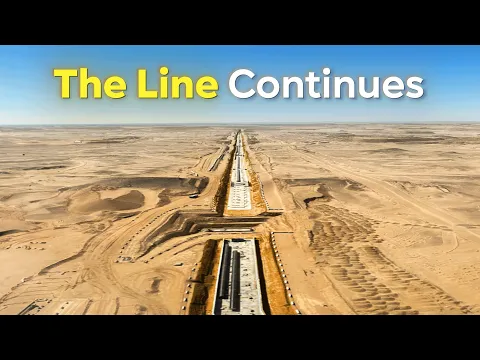
Building a city that is 170 km long in the middle of the desert is a feat that challenges modern engineering. The works require deep excavations, underground ventilation and cooling systems, as well as kilometers of continuous foundations.
Satellite images have already revealed the first sections under construction, with steel and concrete columns being raised simultaneously at various points. Each module must function autonomously, interconnected by technical corridors and maintenance tunnels.
Still, experts warn of structural, logistical, and environmental risks. The cost of maintaining a fully air-conditioned environment in one of the hottest deserts in the world could be colossal.
Criticism And Controversies
Not everything is shiny. The project has been the target of international criticism. Human rights organizations claim that construction has caused forced removals of local communities, including the Howeitat tribe, historically present in the Tabuk region.
Moreover, architects and environmentalists question the actual sustainability of such a vast and artificial project. For some, The Line is a symbol of “authoritarian hyperurbanism,” an experiment that could transform urban life into a system of total surveillance and control.
A Mirror Of The Future — Or A Golden Mirage
Despite the controversies, The Line already fulfills its symbolic role. It represents humanity’s desire to transcend physical limits and create cities tailored for the 21st century.
Just as the Burj Khalifa marked the era of skyscrapers, The Line inaugurates the era of linear vertical cities, where space is compressed and life is organized in digital layers.
But the question remains: to what extent can the pursuit of efficiency coexist with human freedom?
A Landmark Of The Digital Age In The Heart Of The Desert
The Line is more than an architectural project — it is a manifesto of the future. A promise of total sustainability, climate control, absolute efficiency, and monumental design.
Whether it will be a habitable utopia or a technological mirage, only time will tell.
For now, the lights reflected in the Saudi desert already announce a new era, where the sky and glass blur — and where man, once again, tries to shape the world in the image of his own ambition.




Estes caras são FRACOS! Só este ano o Governo Brasileiro já Arrecadou muito mais do que este valor. Pena que já gastamos tudo e muito mais 😡😡😡😡
O ser humano sempre querendo ocupar o lugar de Deus, quando irão crer que dependemos em tudo da vontade de Deus
Em tempos passados, algumas civilizações construíram obras monumentais,cuja suas construções são até hoje desconhecidas,e claro,admiradas e todas como patrimônio da humanidade,logo essa constituição em um passado poderá também estar nesse rol, é próprio dos homens essas audácias….