





 Portuguese
  English
  Spanish
  4 min of reading
  0 comments


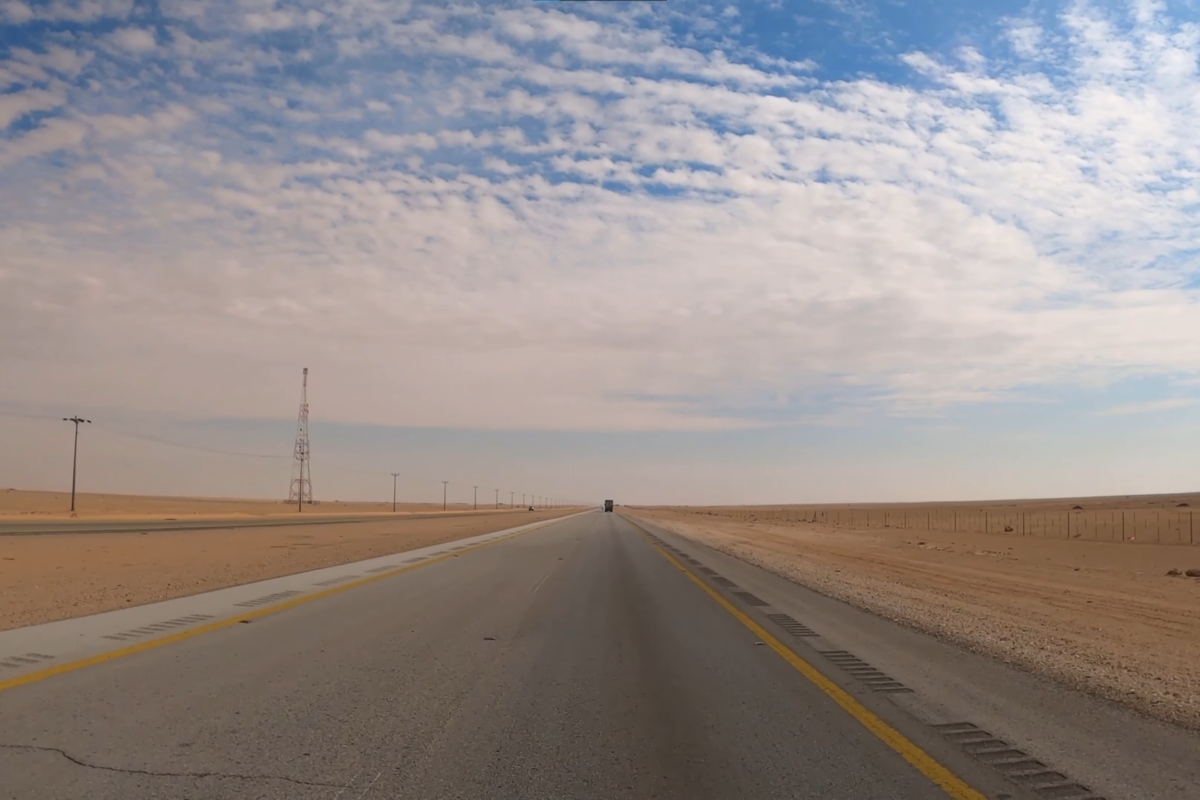
Highway 10 Crosses the Largest Sand Desert on the Planet and Features 240 km Completely Straight, Creating a Monotonous and Mentally Exhausting Route Marked by Extreme Heat, Heavy Traffic, and Constant Risk of Driver Fatigue.
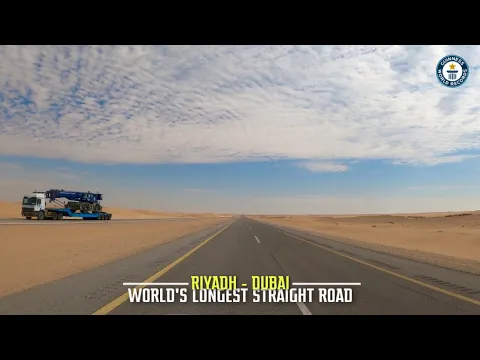
Driving on a completely straight highway seems simple, but the experience can turn into one of the most intense mental challenges. In the heart of the Arabian Peninsula lies a stretch capable of testing the psychological endurance of any driver: it spans 240 kilometers without a single curve, in the deep desert with heavy truck traffic. This segment is part of Highway 10, officially considered the longest straight road in the world.
A Highway Built for a King and Transformed into a Logistics Corridor
Highway 10 stretches approximately 1,480 kilometers from Ad Darb to the border with the United Arab Emirates. However, it is the segment between Haradh and Al Batha that has turned into a global phenomenon. This stretch was originally built as a private route for King Fahd but eventually gained strategic importance in transporting goods between urban centers in Saudi Arabia and the Persian Gulf.
With two-way traffic, wide lanes, and continuous pavement, the road now handles a significant portion of regional logistics. The constant flow of trucks and buses reveals how a work initially exclusive has become one of the pillars for freight movement in the Middle East.
-
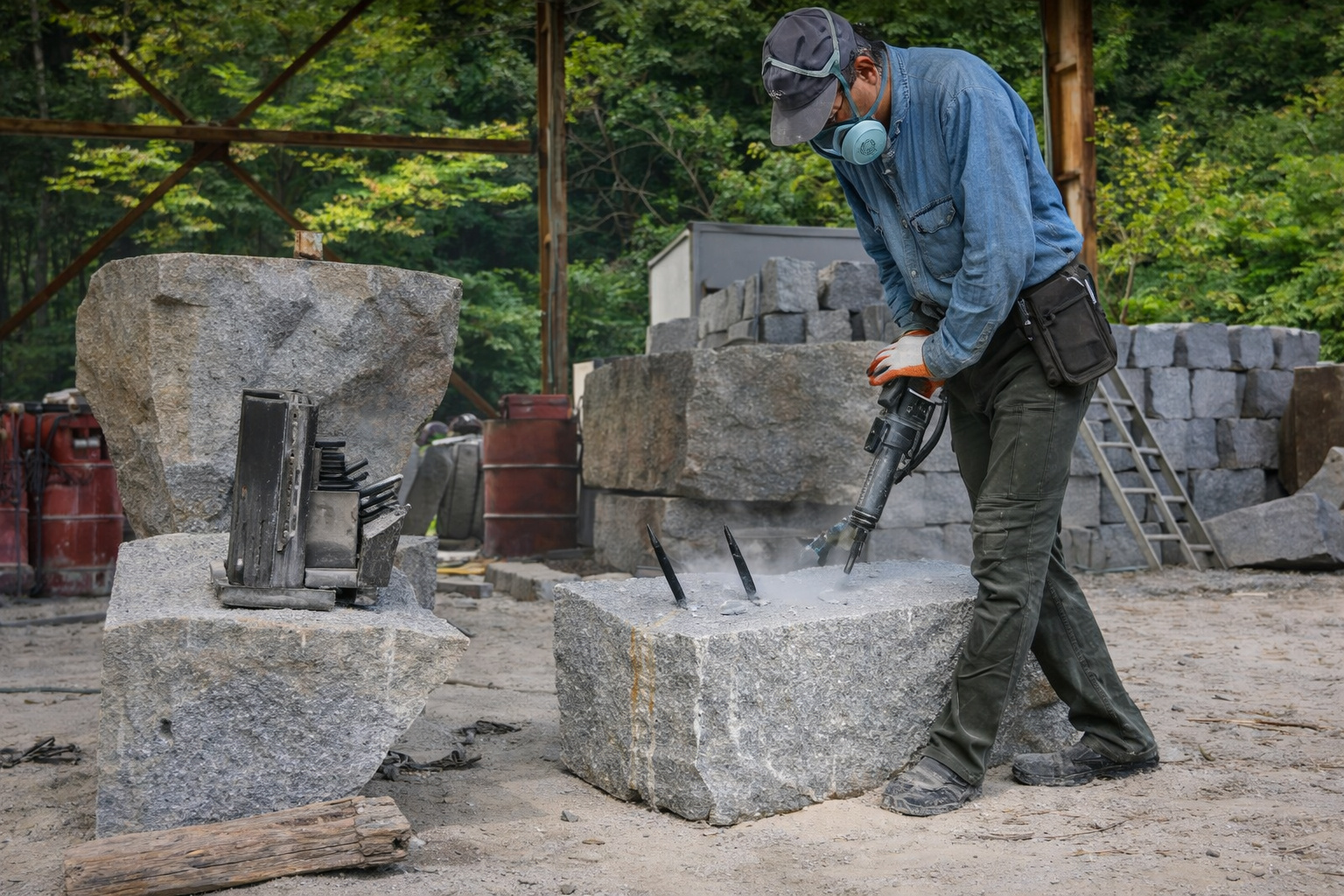
A Japanese mason transforms raw granite into small cups and handcrafted utensils, collects giant stones, cuts with precision, and impresses with detailed manufacturing and finishing.
-
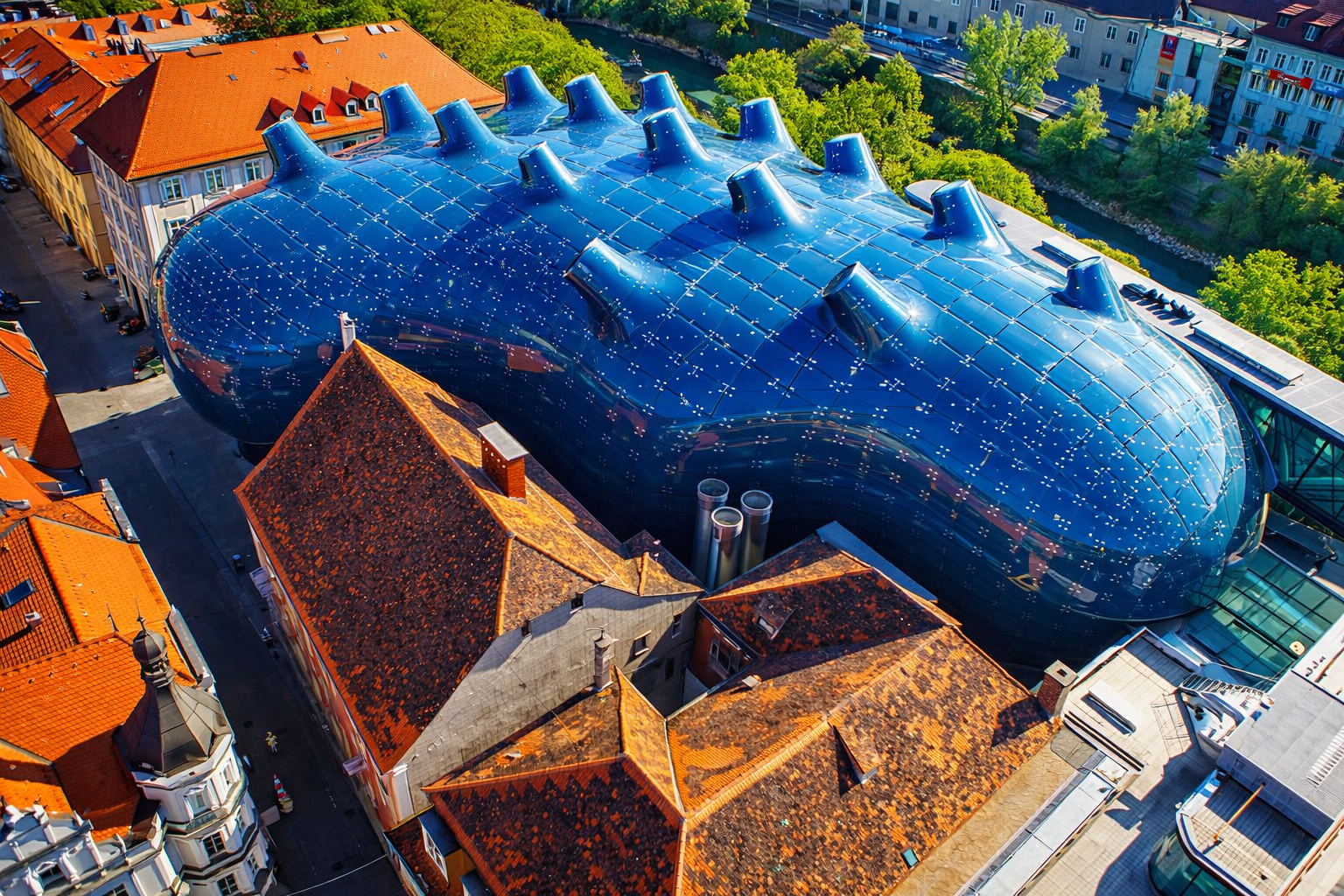
With 1,066 acrylic panels, the building known as the friendly alien is supported by a steel skeleton, has a façade that functions as a giant screen, and impresses the world without any internal columns.
-
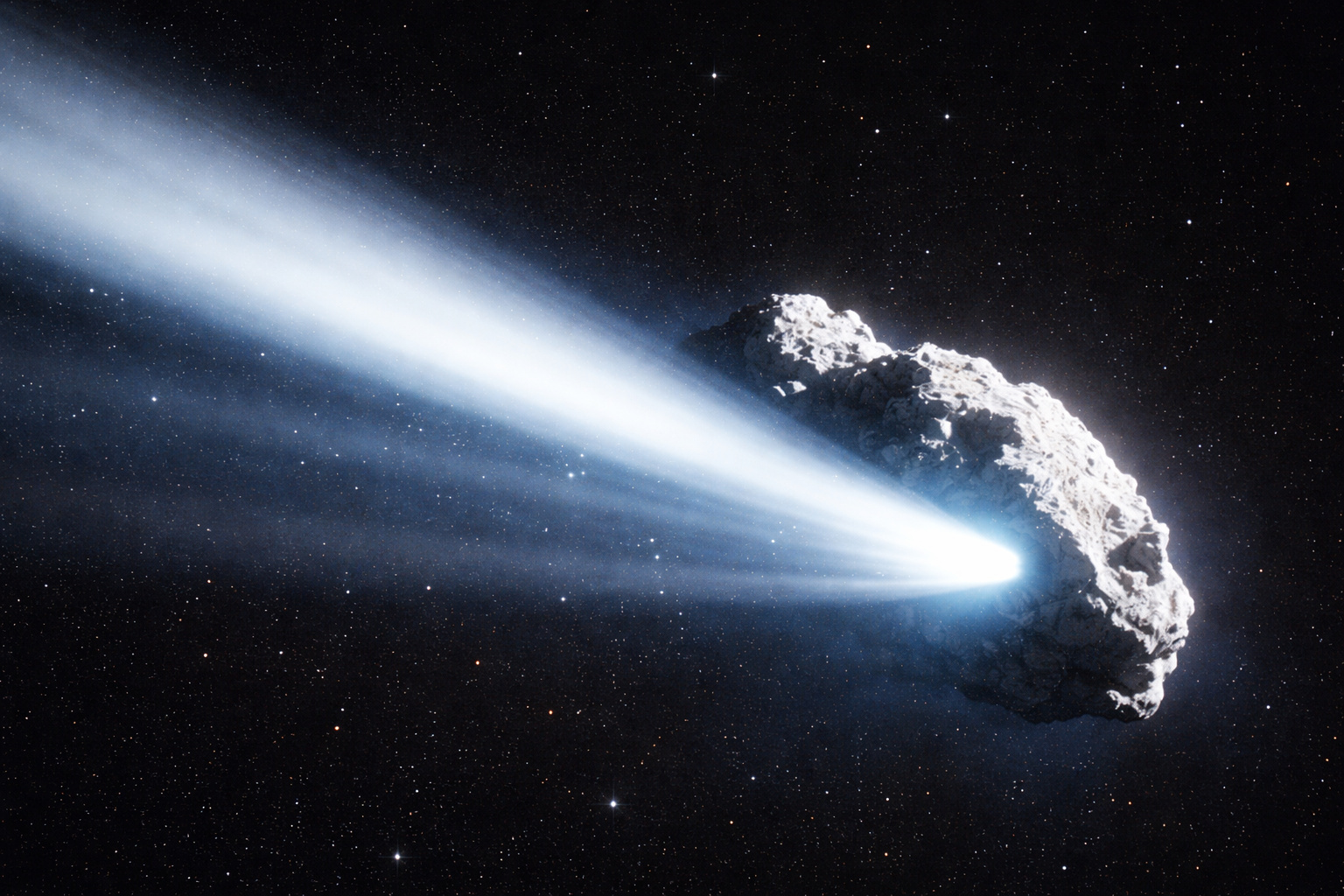
Scientists warn that a comet about 1 km in size that has started to release gases may actually change direction in space. It was spotted by NASA and surprises with potential impacts near Earth.
-
These living root bridges and ladders are over 700 years old and help indigenous people survive in one of the rainiest regions in the world.



The Desert of the “Empty Quarter” as a Scene of Absolute Isolation
The reason for this nearly infinite straightness lies in the surrounding landscape. The stretch crosses the Rub’ al Khali, known as the “Empty Quarter,” the largest continuous sand desert on the planet. There are no mountains, valleys, or natural obstacles requiring detours. The horizon remains identical from start to finish of the crossing, with immense dunes and an absolute silence that dominates the entire region.
The infrastructure is fully paved and primarily features two lanes. The lack of curves allows for fast travel, but also creates an environment of extreme monotony, in which any visual change is virtually nonexistent. At certain times, the road seems to merge with the desert, creating a sensation of movement without spatial reference.
A Journey That Exhausts the Body and Requires Full Attention
Although the route seems easy, driving 240 kilometers without changing the angle of the steering wheel can be tiring and risky. The absolute monotony, combined with the intense heat and repetitive scenery, can cause drowsiness, loss of focus, and even episodes of “highway hypnosis,” where the driver begins to drive on autopilot, failing to notice details around.
Additionally, the stretch is occasionally crossed by camels wandering through the desert, posing a real risk for those traveling at night or in low-visibility conditions. The combination of mental fatigue and animals on the road has prompted the local government to strengthen precautions and alerts to prevent accidents.
Speed limits vary depending on the type of vehicle. Cars can reach 120 km/h in specific stretches, while buses typically run at 100 km/h. For trucks, the maximum speed is 80 km/h, which means many drivers need to slow down due to the heavy cargo flow.

Reinforced Safety System to Prevent Tragedies in the Desert
In light of the risks that monotony can cause, the Ministry of Transportation and Logistics has implemented measures to enhance safety. The highway has received paved shoulders, side barriers, reflective markings known as “cat’s eyes,” kilometer signage, and warning signs distributed along the stretch. These interventions attempt to “break” the sensation of visual immobility and keep the driver alert during the crossing.
Nevertheless, traffic safety experts assert that traveling long distances without changes in scenery remains one of the biggest psychological challenges for professional drivers. The general recommendation is to avoid driving for many hours straight, keep the car’s environment ventilated, and take breaks whenever fatigue begins to set in.
Other Roads That Compete in Monotony Around the World
Before Highway 10 took the title of the world’s straightest road, the Eyre Highway in Australia held the record with its 146 kilometers without curves. The ND-46 in North Dakota and some segments of Argentina’s Ruta 40 are also known for their long distances without changes in layout.
Even if smaller, these highways continue to serve as classic examples of routes where the greatest enemy is not the steering wheel, but the lack of sensory stimuli.







-

-

3 pessoas reagiram a isso.