





 Portuguese
  English
  Spanish
  3 min of reading
  0 comments


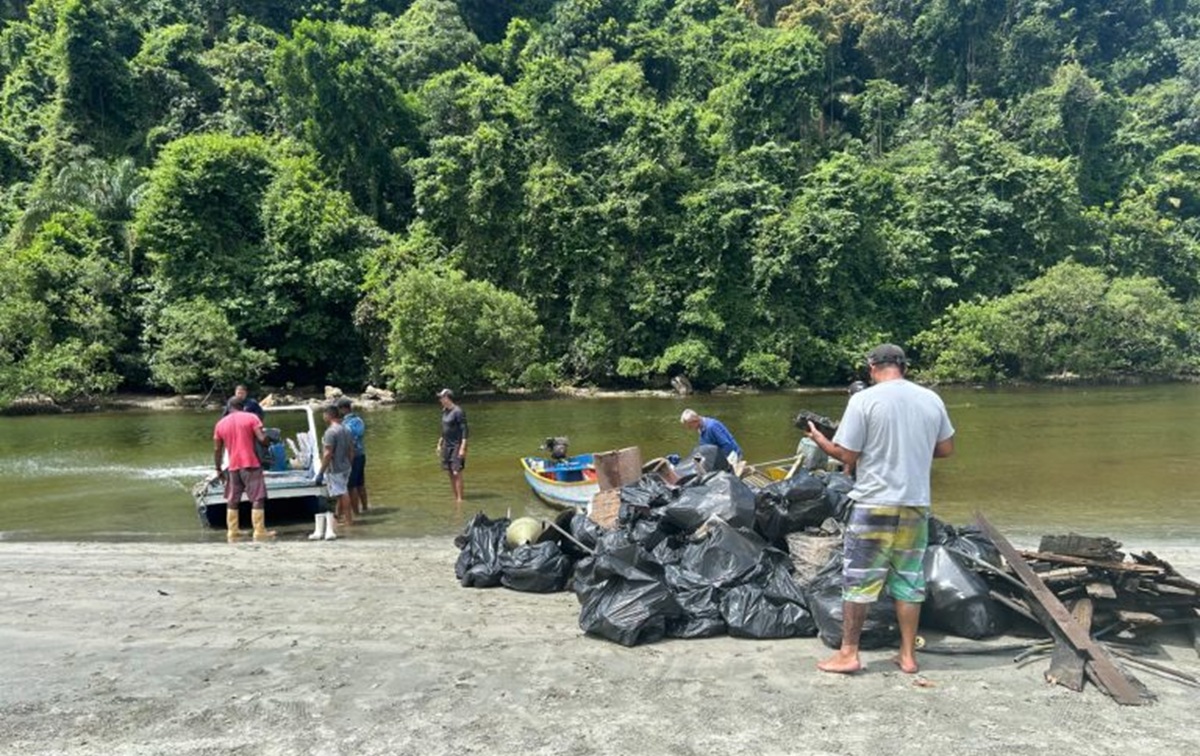
Mar Sem Lixo grows 4,700% in the collection of marine waste and has already transferred more than R$ 1 million to fishermen, generating a positive impact on the environment and communities
On International Zero Waste Day, celebrated this Monday (30), the Government of São Paulo, through the Forest Foundation, celebrates the advances of the Mar Sem Lixo program, which has removed 133.17 tons of waste from the ocean and mangroves along the São Paulo coast since 2022.
This number represents a significant increase compared to the 1.7 tons removed in 2022, highlighting a growth of over 4,700%.
The increase in collection reflects the acceleration of the program, which is already beginning to show positive impacts in combating marine pollution and restoring coastal ecosystems.
-
With over 1 million bottles per year and 1.2 million vines, winter wines are advancing and gaining a strategic laboratory worth R$ 3.4 million in the Midwest.
-
Elderly individuals aged 65 or older who have never contributed to the INSS can receive R$ 1,621 per month in 2026 without having paid any contributions in their lifetime: learn how the benefit works that already supports nearly 7 million Brazilians.

-
The gaucho city reduced the number of Bolsa Família beneficiaries by almost 40% in just a year and a half with active outreach that connects each registered person directly to job vacancies in Bento Gonçalves in Rio Grande do Sul.
-
The bluest city in Brazil has just gained a new floating bridge for the free crossing between the island and the mainland, connecting residents and visitors to the historic center of São Francisco do Sul every day of the week.

Expansion of collection and increase in participation
The program, which encompasses everything from waste collection at sea to cleaning mangroves, has shown increasingly significant results.
The model adopted by the Forest Foundation, besides being an environmental action, integrates a policy of income generation. Through Payment for Environmental Services (PES), artisanal fishermen receive compensation proportional to the volume of waste they collect. Since the beginning of the initiative, more than R$ 1 million has been transferred to these fishermen.
In 2025, the amount of waste removed increased to 82.8 tons, representing a significant increase in the collected volume.
During the shrimp closed season, the number of fishermen involved in activities doubled from 121 in 2024 to 274 in 2025. Participation continues to grow in 2026, with 131 fishermen already registered and contributing to the program’s actions in the first months of the year.
Direct benefits for fishing communities
In addition to the positive environmental impact, the program also directly benefits fishing communities. Nelson Filho, a 72-year-old fisherman who has been registered in the program since 2023, shares his experience:
“I have been fishing since I was 12 years old and have learned, in practice, that if we do not take care of the sea, it will not take care of us. Participating in the Mar Sem Lixo program and being here today in the mangrove cleanup, removing what should never have been thrown away, is a way to protect our livelihood and the future of our children,” he says.
The payment, which can reach R$ 700 monthly, is one of the ways to recognize the work of fishermen and the importance of preserving coastal ecosystems.
The measure also aligns with the global circular economy movement, encouraging a change in behavior regarding waste management, especially in the fishing sector.
Expansion and focus on sustainability
In addition to waste removal, Mar Sem Lixo is also responsible for various educational actions aimed at raising awareness among local communities and consumers about the environmental impacts of improper waste disposal.
The program also generates important data that supports the formulation of public policies aimed at protecting marine and coastal ecosystems.
With the goal of reducing the impacts of marine waste and promoting a transformation in consumption and disposal behaviors, Mar Sem Lixo integrates into a broader movement of the Government of São Paulo.
Today, the state is a national leader in the number of PES, with 61 groups in operation serving approximately 1,400 families, benefiting communities in different municipalities in São Paulo.
The impact of the action for the future of the São Paulo coast
The initiative has important repercussions for the future of environmental preservation. In addition to improving water quality and marine ecosystems, it contributes to strengthening the local economy and community actions that generate tangible changes for the future.
The collaboration between the Government of São Paulo and fishermen shows that it is possible to transform an environmental problem into a sustainable solution, with direct benefits for all involved.
In a context where environmental issues are becoming increasingly urgent, the expansion of the Mar Sem Lixo program is an example of how collaboration between governments, communities, and individuals can generate significant results for environmental preservation.





Seja o primeiro a reagir!