





 Portuguese
  English
  Spanish
  5 min of reading
  0 comments


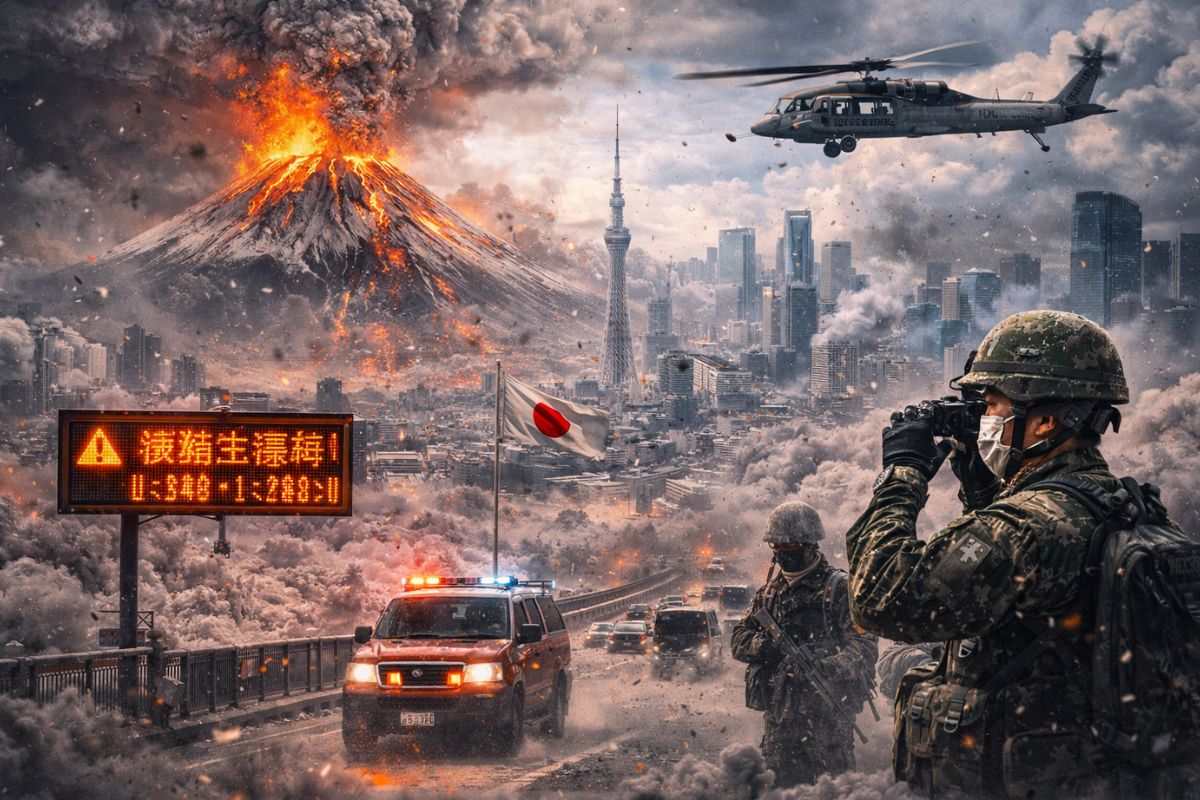
Japan is intensifying preparations for a possible eruption of Mount Fuji which, in the most severe scenarios, could cover Tokyo and neighboring regions with volcanic ash for more than two consecutive weeks. Authorities from the metropolitan government and the central government held the first joint meeting to discuss emergency plans in light of the risk of paralysis in transportation and supply.
Japanese authorities are accelerating preparations for something that most people prefer not to imagine: a large-scale eruption of Mount Fuji, the most famous volcano in the world, located just 100 kilometers from Tokyo. In their first joint meeting, representatives from the Tokyo metropolitan government, the central government, and major infrastructure operators discussed scenarios involving more than two weeks of continuous volcanic ash fall over Japan’s largest metropolitan area.
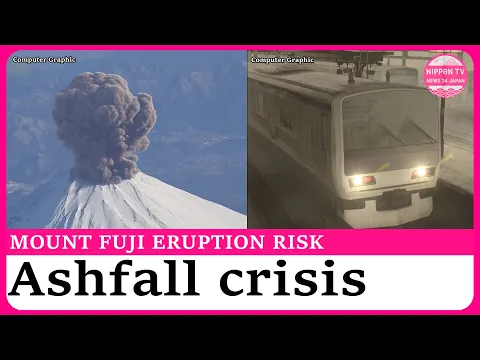
The projected numbers are alarming. Government projections indicate that an eruption of Mount Fuji could accumulate more than 30 centimeters of ash in some parts of Kanagawa Prefecture and about 10 centimeters in central Tokyo. This volume would be enough to paralyze the transportation system, cut access to food and essential supplies, and force millions of people to stay in their homes for an extended period, a scenario that would test the limits of resilience of one of the largest metropolises on the planet.
Why Japan fears an eruption of Mount Fuji now

Mount Fuji is an active volcano. Its last eruption occurred in 1707, during the Edo period, and covered parts of Tokyo, which at the time was called Edo, with a layer of ash.
-
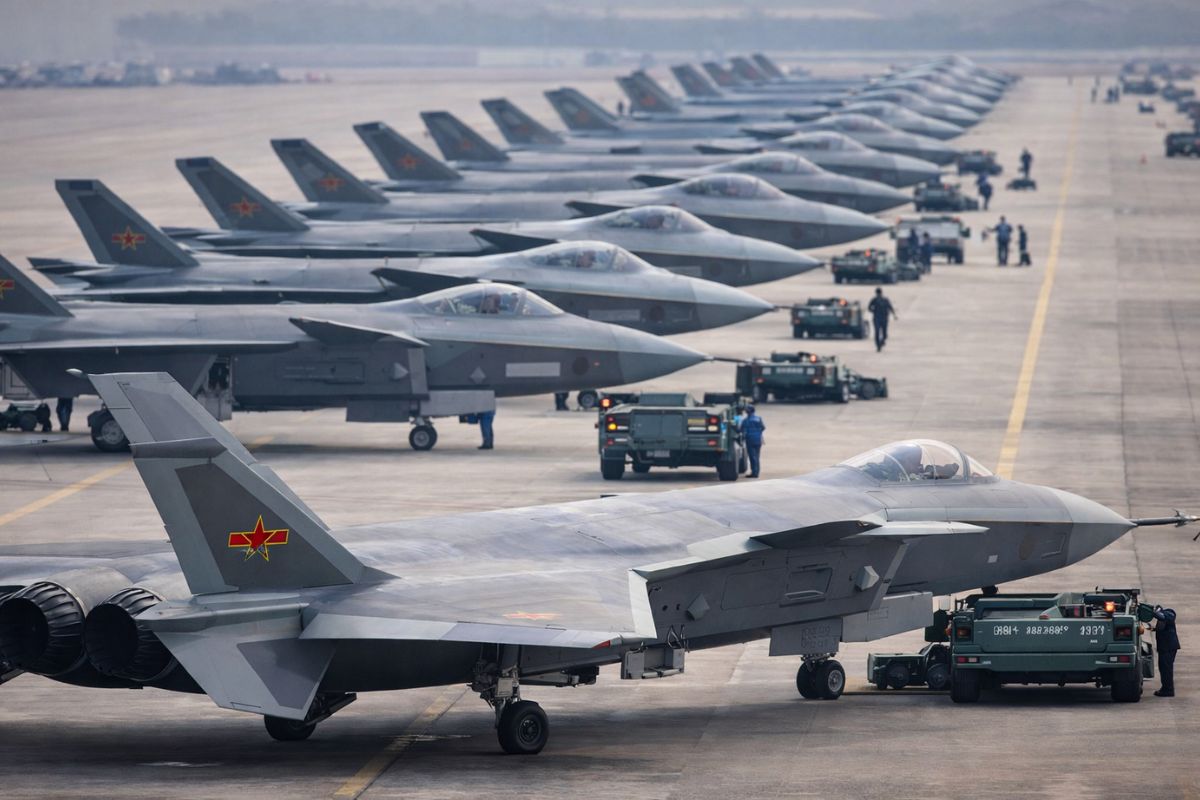
The United States has a serious problem with its F-35s: China is already producing fighters at a pace that exceeds American capacity and could manufacture up to 300 aircraft per year before the end of the decade, shifting the global military balance.
-
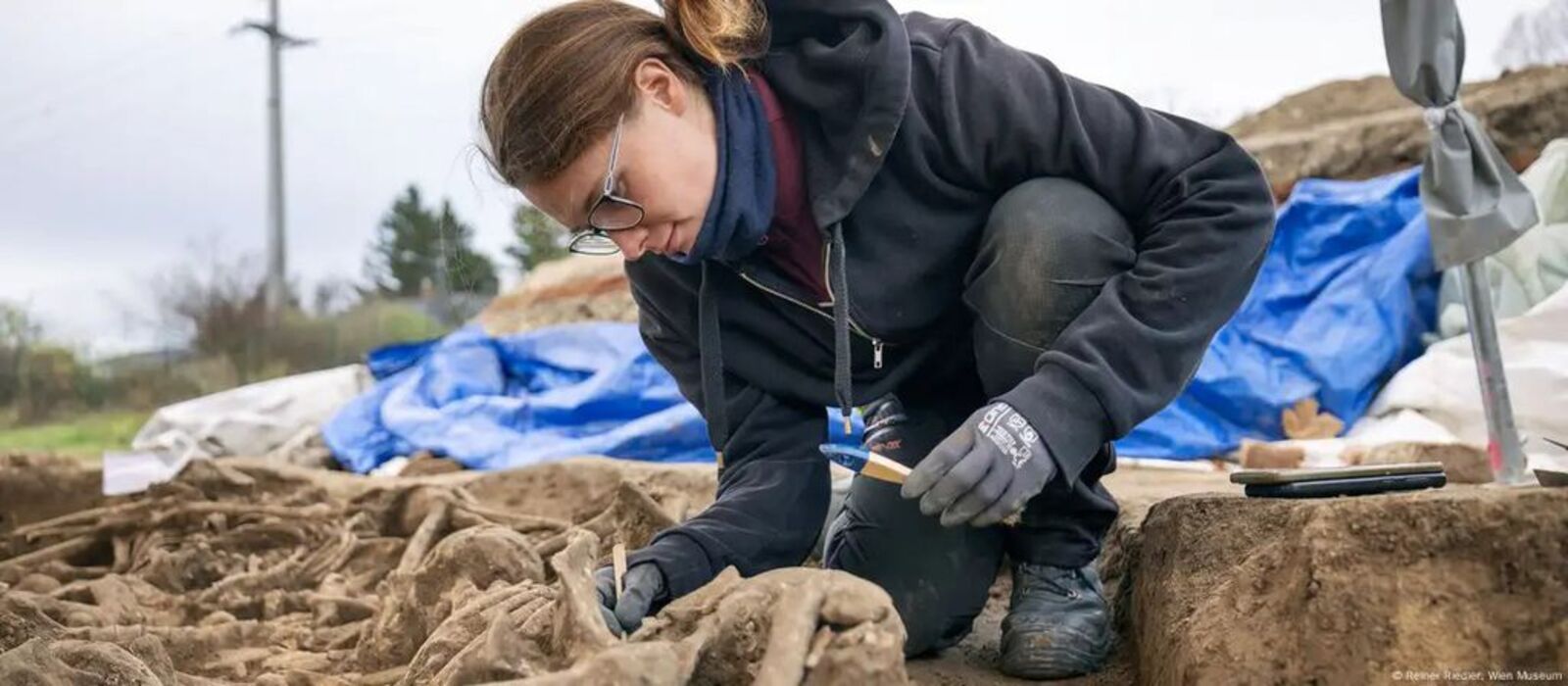
Remains with battle wounds of over 100 soldiers from the Roman Empire are found beneath a football field in Vienna, leaving everyone surprised.
-
Elon Musk notes Brazil and lowers the price of his internet, Starlink, promising to connect all corners of the country with affordable plans, 10,000 satellites, and 1 million active users in the national territory!

-
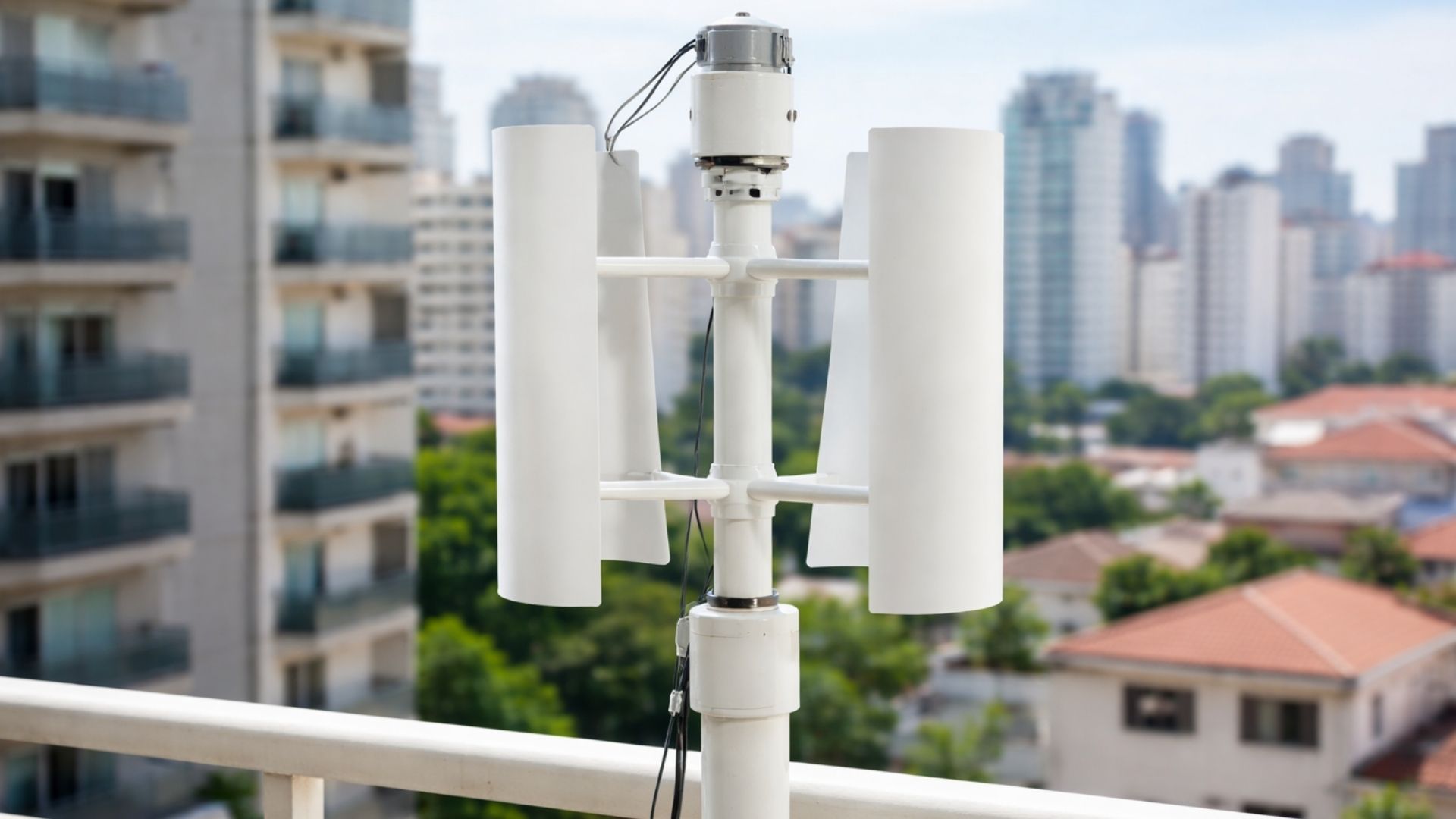
Man creates an infinite source of FREE electricity at home with a PVC wind turbine using a repurposed motor.

More than 300 years have passed since then, and scientists are concerned that the prolonged interval between eruptions does not mean the volcano is inactive—it may mean, on the contrary, that a future eruption could have accumulated energy to be significantly more intense.
The proximity of Mount Fuji to Tokyo is what transforms the geological risk into a potential urban crisis. The Tokyo metropolitan area is home to about 37 million people, making it the largest metropolitan area in the world.
An eruption that in another location would be a manageable geological event becomes, in this context, a logistical and humanitarian challenge of unprecedented proportions in modern history.
What 30 centimeters of ash mean for a metropolis

For those who have never lived near a volcano, 30 centimeters of ash may seem like a little. In reality, it is a devastating amount.
Volcanic ash is not like ashes from a campfire; it consists of rock and volcanic glass fragments crushed into fine, heavy, and abrasive particles that damage engines, clog air filtration systems, contaminate water reservoirs, and make roads impassable.
With 10 centimeters of accumulation, train lines stop functioning. With 30 centimeters, roofs can collapse under the weight.
An eruption of Mount Fuji in the worst scenarios projected by the Japanese government would mean complete paralysis of transportation—airports closed, trains stopped, highways blocked, and interruptions in the supply of electricity, water, and communications in parts of the region. For a metropolis that relies on continuous external supply, each day without functional transportation exponentially worsens the crisis.
The emergency plans that Tokyo is accelerating
The joint meeting between the metropolitan government, central government, and infrastructure operators focused on three main fronts.
The first is ensuring the supply of essential items during a prolonged eruption—food, water, medicine, and fuel would need to be stocked in advance at strategic points, as the supply chain would be interrupted.
The second front is designating storage and disposal sites for ash. After an eruption, millions of tons of volcanic ash would need to be removed from streets, roofs, and infrastructure, and Japan needs to define in advance where this material would be taken.
The third front involves communication with the population: current guidelines emphasize that residents should stay indoors and maintain daily life as much as possible, although authorities acknowledge that significant disruptions would be inevitable during a large-scale eruption.
Staying indoors for two weeks in a city of 37 million people
The official guidance for the population during an eruption of Mount Fuji is to stay indoors.
But keeping 37 million people indoors for more than two weeks raises enormous practical questions: household stocks of food and water run out in a few days, ventilation systems need to be protected from ash entry, and people with chronic medical conditions may lose access to treatment.
The scenario is exacerbated by the fact that airborne volcanic ash poses a respiratory risk, especially for the elderly, children, and people with lung diseases.
Japan has one of the oldest populations in the world, making the vulnerable portion proportionally larger than in other countries.
A prolonged eruption would test not only Tokyo’s physical infrastructure but also the healthcare system’s ability to respond to an emergency that does not allow for simple evacuation.
A volcano that is both a national symbol and a real threat at the same time

Mount Fuji holds a unique place in Japanese culture. It is a UNESCO World Heritage site, a pilgrimage destination, a theme in art, and an undeniable symbol of Japan and, at the same time, an active volcano whose next eruption is a matter of when, not if.
This duality between cultural icon and geological threat makes preparing for an eruption require a delicate balance between alertness and normalcy.
Japanese authorities recognize that concerns are growing about the resilience of the capital in the face of a major natural disaster. The decision to accelerate emergency plans for an eruption of Mount Fuji signals that the government is treating the risk with more urgency than in previous decades.
What was once discussed as a hypothetical scenario is now the subject of operational meetings with concrete deadlines and goals—a recognition that Tokyo needs to be prepared for the day when the most photographed volcano in the world decides to remind Japan that beneath the beauty, there is magma.
What do you think of Japan’s preparations? Do you believe that a metropolis of 37 million people can truly prepare for an eruption of this magnitude? Leave your opinion in the comments.





Seja o primeiro a reagir!